Collateral Reviewed
Equipment location, current payoff, lien status, value support, and how the asset is used in the business.


Philadelphia's port, its dense construction market, and its sprawling logistics infrastructure all run on expensive iron. Owners of that iron have been building equity with every payment, and a cash-out equipment refinance is the direct path from that equity to usable capital. One to two weeks from application to funded. No downtime, no sale, no months of bank review. The machine keeps earning. The money moves.
The Philadelphia metro is the fourth-largest in the country, with a port complex on the Delaware River that handles significant container, break-bulk, and bulk cargo. The construction sector is active with Penn station area development, hospital campus expansions in University City, and sprawling residential growth in Chester and Burlington counties across the river. Logistics and warehousing have grown substantially along the I-95 and I-276 corridors. All of these sectors carry equipment with real refinancing potential.
We fund Philadelphia-area businesses from $50,000 to several million. B and C credit considered. Application-only approvals up to roughly $400,000. Most deals fund in about one to two weeks.
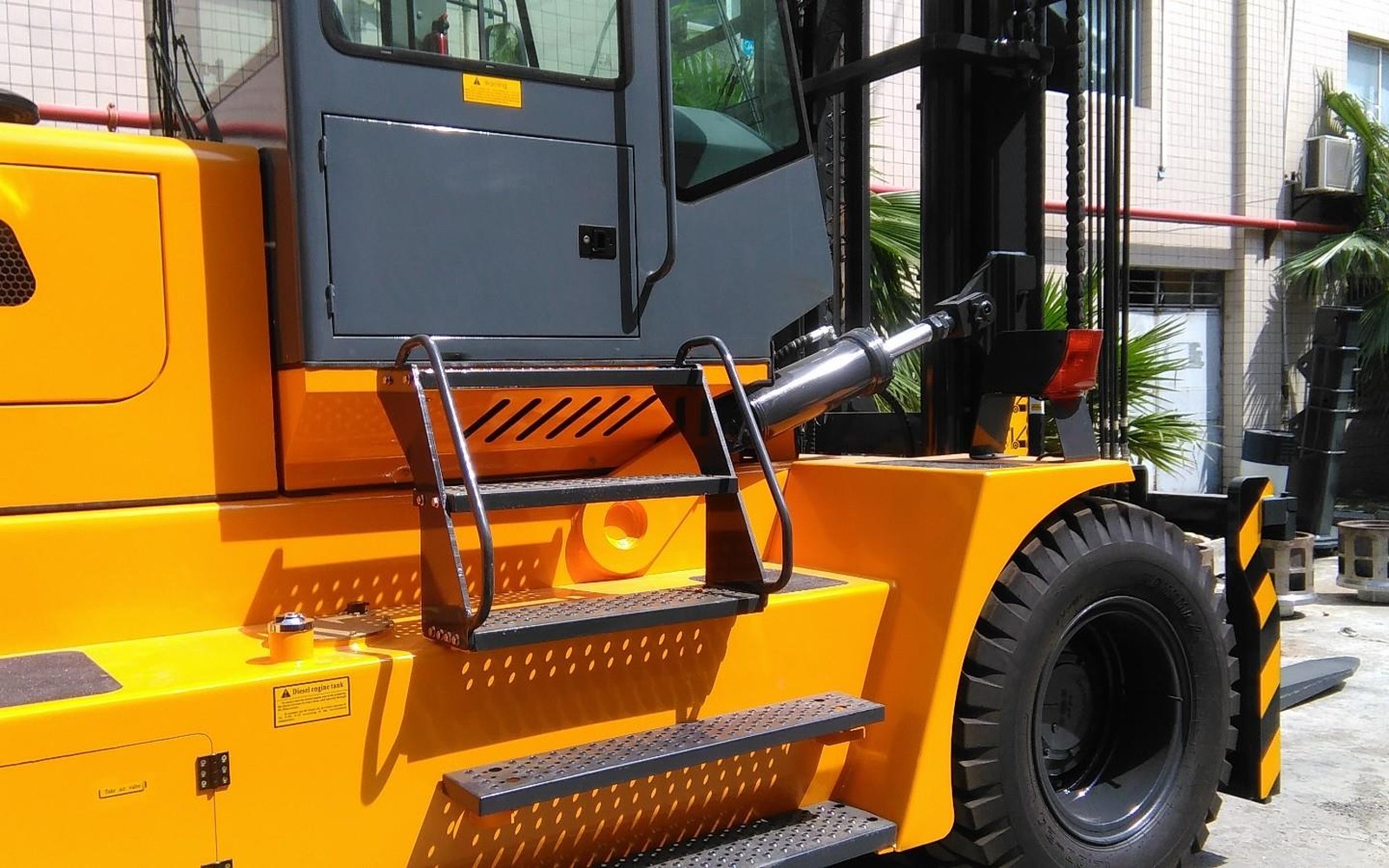
The Philadelphia port complex handles cargo year-round, and the material handling and logistics equipment operating in those facilities represents substantial capital. Material handling and distribution operators running reach stackers, container handlers, and heavy-lift forklifts in port-side operations carry assets with strong secondary market values and real refinancing potential.
Construction is another major driver. The Philadelphia School District's facilities program, the hospital expansion corridors in University City and North Philadelphia, and significant infrastructure work on SEPTA and the regional rail network all require active crews with heavy equipment. Construction contractors working these projects run excavators, cranes, and concrete equipment that builds equity continuously. A large crane running a hospital project for 18 months accumulates significant equity while it works.
The logistics sector along I-78 and in South Jersey has expanded significantly, driven by the same e-commerce growth that has fueled distribution center construction nationally. Logistics and warehousing operators in the Philadelphia market own lift equipment, dock machinery, and transport assets worth refinancing.
Apply with the basics: what equipment you own, what you owe, and what you need the cash for. Within 48 hours you have a term sheet. If the terms work, you accept and we move immediately to closing. Title verification and value confirmation run in parallel. Cash in your account in about one to two weeks from submission.
For deals under $400,000: application and three months of bank statements. Above that: two years of tax returns and a current profit-and-loss. We disclose all costs upfront in the term sheet so nothing surprises you at closing. Existing liens are paid off at closing from loan proceeds.
The equipment stays with you and stays working throughout. This is a secured lending transaction, not a possession change. From the day you apply to the day the last payment clears, you operate the equipment normally.
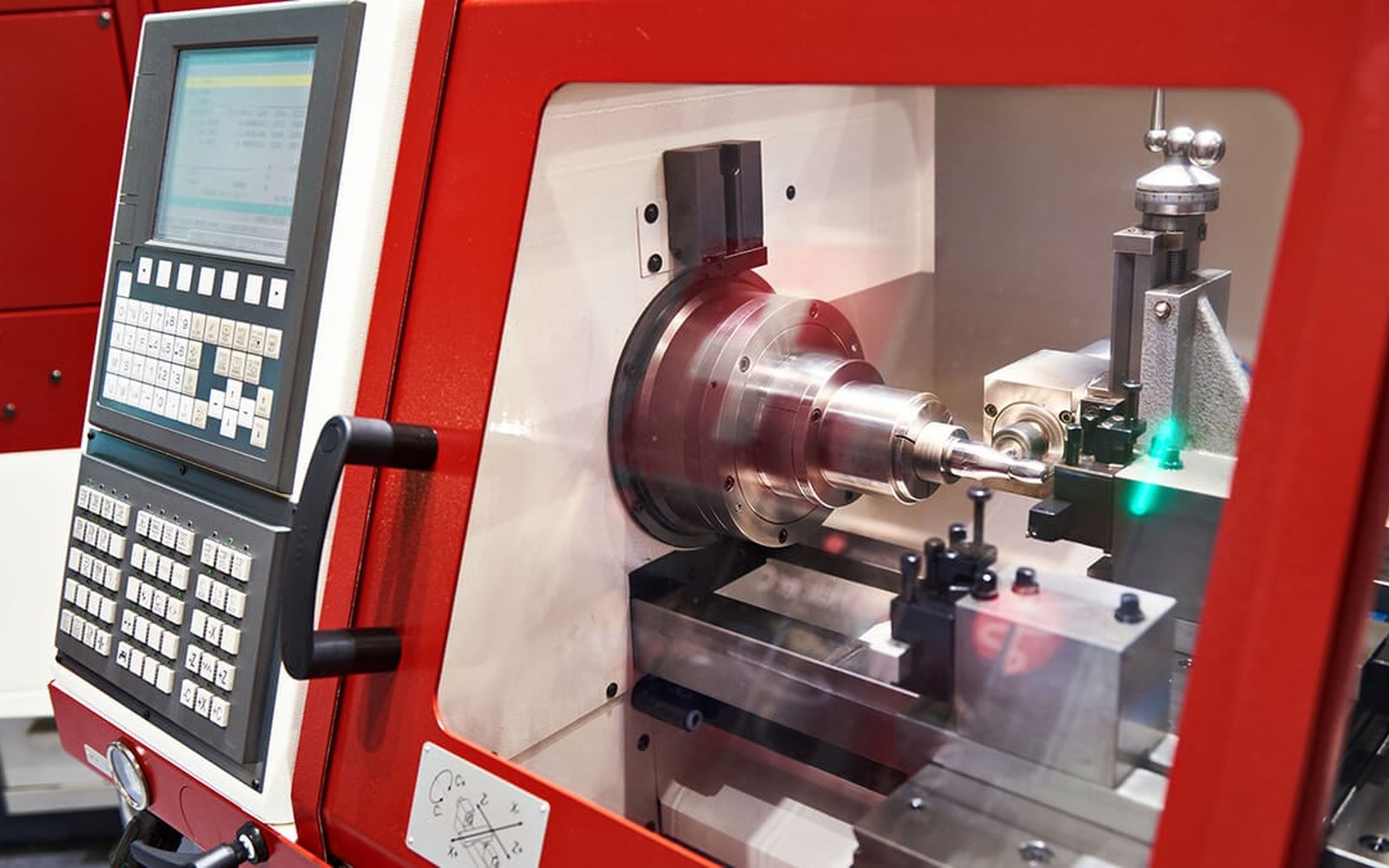
Port and logistics equipment: reach stackers, container handlers, forklifts, and material handling machinery. Construction: excavators, cranes, concrete pump trucks, and specialty vehicles. Manufacturing: CNC machining centers, press equipment, and production line assets. Transportation: semi trucks and trailers running the I-95 and Pennsylvania Turnpike freight corridors.
We also work with medical and laboratory equipment in some cases, though the Philadelphia healthcare sector's equipment is often financed through specialized healthcare lenders. Our core strength is hard assets in construction, transportation, manufacturing, and industrial operations.
Used equipment makes up the majority of what we fund. Used equipment refinancing is the standard, not the exception. The Philadelphia metro has an active used equipment market with good comparable data, which supports confident lender valuations and competitive terms for borrowers.
Established businesses with real equipment and a real use for the cash. The typical applicant has been operating at least two years, owns machinery that has built meaningful equity, and needs capital for a purpose that a bank loan would take too long to fund: a mobilization bridge, a new contract tooling requirement, or a fleet addition for a newly awarded shipping account.
We also serve businesses where credit is the obstacle. B/C credit equipment financing is available here with lenders who look at the asset and the cash flow rather than anchoring on a credit score alone. A profitable operation with a 590 credit score and strong collateral is a real transaction in our network.
For owners who want to consolidate multiple equipment loans into a single payment, a debt consolidation equipment loan can reduce monthly obligations and simplify the payment calendar. Construction contractors in Philadelphia who have added equipment across several lenders over the years use this regularly to clean up their debt structure.
Apply today. Term sheet in 48 hours. Funded in about one to two weeks. $50,000 minimum, B/C credit considered. Also explore: Equipment Sale-Leaseback for fully owned equipment and crane refinancing for Philadelphia's active construction market.
These are the underwriting points the desk uses to turn the taxonomy page content into a real cash-out structure.
Equipment location, current payoff, lien status, value support, and how the asset is used in the business.
$50. The available cash is based on verified value minus the existing payoff.
1-2 weeks.
Established businesses with real equipment and a real use for the cash.
Possibly. Finance leases with a known buyout can sometimes be refinanced simultaneously with the purchase, using the new loan to fund the buyout and convert to owned collateral. Bring the lease documents and we will assess whether a path exists.
We work with businesses in both states. The equipment lien is filed in the state where the equipment is registered and primarily operates. For a South Jersey business with equipment registered there, the lien is in New Jersey. This is standard practice and does not affect your ability to work with us.
This requires careful structuring. The lender needs to understand the rental agreement, who has operational control, and how the rental income is documented. Active rental income from a creditworthy GC can actually support the deal if the documentation is in order.
We use independent appraisers with no incentive to undervalue or overvalue the asset. You can also obtain your own appraisal for comparison. We show you the appraisal report before closing, and if you disagree with the value, you can provide comparable data and request a review.
Most of our lenders want two or more years in business. Some work with newer operators if the equipment value is strong and cash flow is clearly demonstrated with bank statements. We tell you honestly what your options are based on your time in business.
Send the machine, payoff, and target cash-out amount. We will review the file and come back with rate, term, payment, and net proceeds.
Tell us what you are buying, who is selling it, and when you need it earning. We will review the file and point you to the next step.