Collateral Reviewed
Bulldozer Refinancing value, payoff, age, hours or mileage, attachments, condition, and remaining useful life.

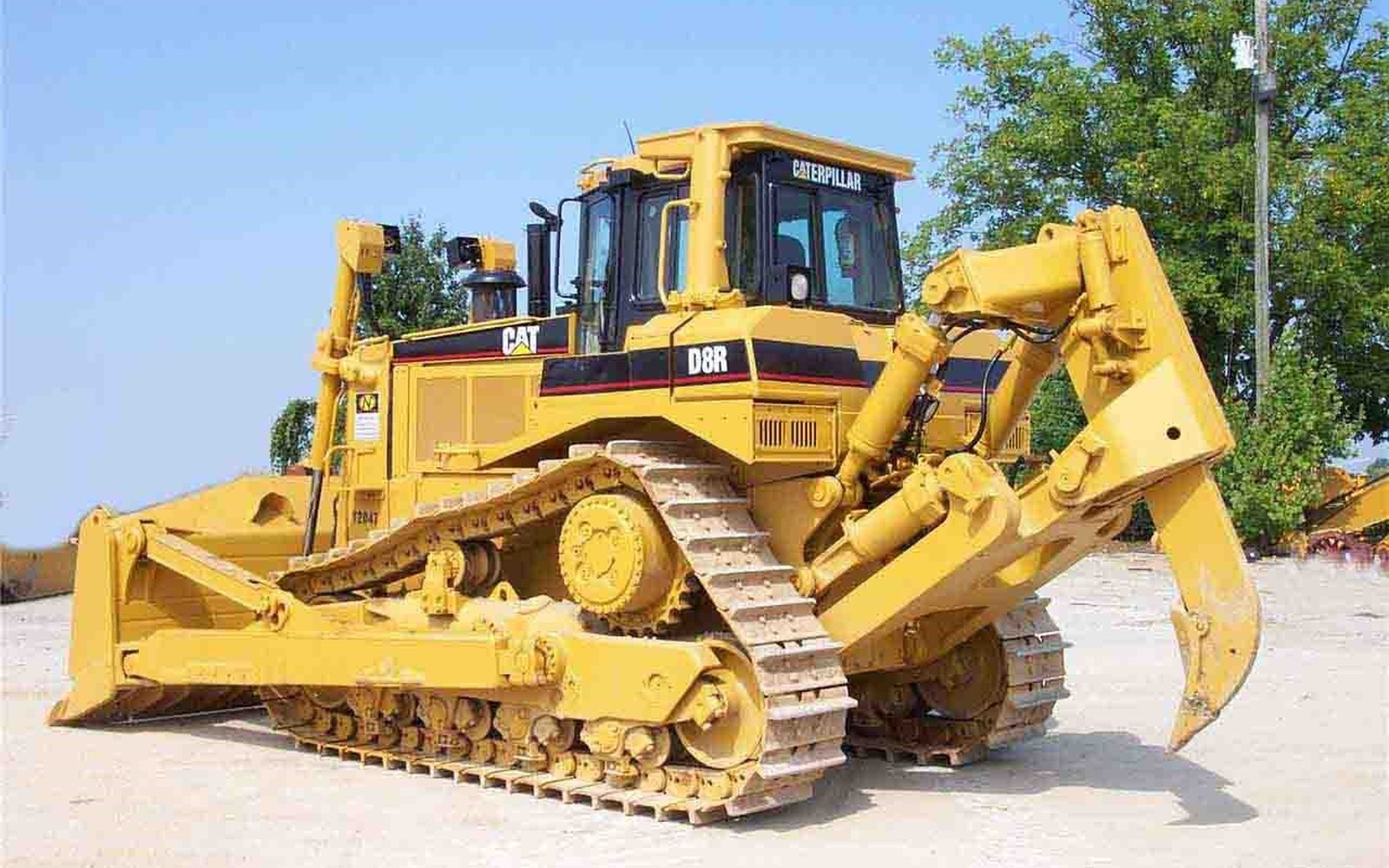
A paid-off bulldozer is a balance sheet asset that most contractors treat as a sunk cost. It is not. That machine holds residual value and that value is accessible through a cash-out refinance without selling the dozer or slowing your operation. Whether you are pushing dirt on a land-clearing contract or finish-grading a subdivision, the machine stays on the job while the capital goes to work elsewhere.
Bulldozer refinancing fits the owner who has equity above a current payoff or clear title and wants to convert some of that value to operating capital. We handle transactions from $50,000 up, and large crawler dozers in the D6 to D9 class regularly support six-figure equity pulls. The structure is straightforward: we size the equity, clear any existing lien, and wire the net proceeds to your account.
Crawler bulldozers hold value better than most mobile construction equipment because of the cost to replace them. A new large dozer carries a price tag that makes the used market permanent. Operators who cannot afford new buy used, which sustains resale prices even on older iron.
Key value drivers underwriters examine:
Operators in construction and mining and aggregates run the largest dozers. Those sectors also generate the most equity pulls because the machines are large, well-maintained, and carry substantial residual value.
Two paths exist to pull capital out of a dozer you own or carry equity in. A straight cash-out refinance keeps title in your name, places a lien, and sends net equity to you. An equipment sale-leaseback transfers the title to the lender, who then leases the machine back to you for a fixed monthly payment. You retain full use of the dozer in both structures.
The sale-leaseback often releases more capital because the advance is based on a percentage of the machine's market value rather than equity above an existing loan. For a free-and-clear dozer worth $200,000, the leaseback might return $150,000 to $170,000 against a 75 to 85 percent advance. A refinance of the same machine might return a similar amount but with a loan structure rather than a lease.
Tax treatment differs between the two, so consult your accountant before committing. The operating vs. capital lease question matters for how the obligation appears on your balance sheet. What we can tell you is the dollar amount available under each structure and let you and your advisor make the call.
Bulldozer refinancing does not require perfect credit. We work with B/C credit applicants and evaluate the full picture: machine value, business cash flow, time in business, and credit history together. A 580 credit score with strong monthly deposits reads differently than a 580 with thin bank statements.
Documentation checklist:
Deals under roughly $400,000 run on the Application-Only Financing track. Above that threshold, two years of business tax returns typically enter the package. Most single-dozer transactions stay below that threshold unless the machine is a large D9 or D11 class.
Most bulldozer refinancing closes in one to two weeks from a complete package submission. The underwriting process for equipment with a clear lien history and documented condition is straightforward. The main source of delay is missing information on the machine side, specifically hour meter readings and serial number verification.
Get the serial number off the machine before you apply. Most dozers carry the plate on the frame near the cab or on the ROPS structure. That number lets us run a lien search immediately and avoids a back-and-forth that adds three to five business days to the process.
Operators in active markets like Dallas and Houston often need capital fast to cover bond requirements on new bids. Two weeks is our standard timeline; some transactions close faster when the package is complete on day one.
These are the underwriting points the desk uses to turn the taxonomy page content into a real cash-out structure.
Bulldozer Refinancing value, payoff, age, hours or mileage, attachments, condition, and remaining useful life.
$50,000. The available cash is based on verified value minus the existing payoff.
1-2 weeks.
Working capital, down payments, debt cleanup, slow-season coverage, and project mobilization.
Yes. The existing loan gets paid off from the refinance proceeds at closing. The new lender takes first lien position. Any equity above the payoff, net of fees, goes to you. If the goal is to lower the rate without pulling cash, we structure around the payoff only.
High hours lower the appraised value but do not automatically disqualify the machine. A well-documented service history, recent undercarriage rebuild, or engine overhaul all support the appraisal. The advance amount may be lower on a high-hour machine, but equity may still exist.
Age is less important than condition and hours. A 2010 machine with a documented rebuild and reasonable hours can qualify. Very old machines with no service history are harder to advance against, but we evaluate each one individually.
No. The machine stays on the job. The refinancing process happens in the background: application, underwriting, document signing, and funding. You hand over the title documentation at closing, the lien is recorded, and the funds are wired. The machine never leaves your control.
Yes. A fleet refinance covers multiple pieces in a single transaction. This is common among operators who have built equity across several machines and want to consolidate the capital pull. Multiple machines may also help reach the minimum transaction size if individual units are smaller.
Tell us what you have and what you need the capital for. We will size the equity, quote the structure, and put a real number in front of you, not a range. Application takes minutes. Bank statements are three months. Funding closes in about two weeks. Start today.
Tell us what you are buying, who is selling it, and when you need it earning. We will review the file and point you to the next step.