Collateral Reviewed
Machine value, payoff, lien position, hours or mileage, condition, and secondary-market demand.

The machine you need exists. The deal is in front of you. The last thing you want is six weeks of document gathering before someone says yes or no. Application-only financing cuts that waiting. For most equipment deals up to $400,000, we can evaluate and approve the file from the application, recent business banking activity, and the equipment details. Tax returns, profit-and-loss statements, and full financial packages are not part of the standard path. Just the basics, a quick review, and a decision.
This is not a shortcut for weak deals. It is the standard path for small to mid-size equipment transactions where the collateral is solid and the business is generating consistent revenue. Banks bury these deals in documentation requirements because they are built for a different risk tolerance. We are built for this.
Most equipment purchases, refinances, and sale-leasebacks under $400,000 qualify for application-only review. The documents typically requested:
That is the standard file. Skip the tax returns, audited statements, and CPA letters. For deals above $400,000 or in situations with credit complications, additional documentation may come in. But for the majority of transactions we handle, the application and bank statements carry the deal.
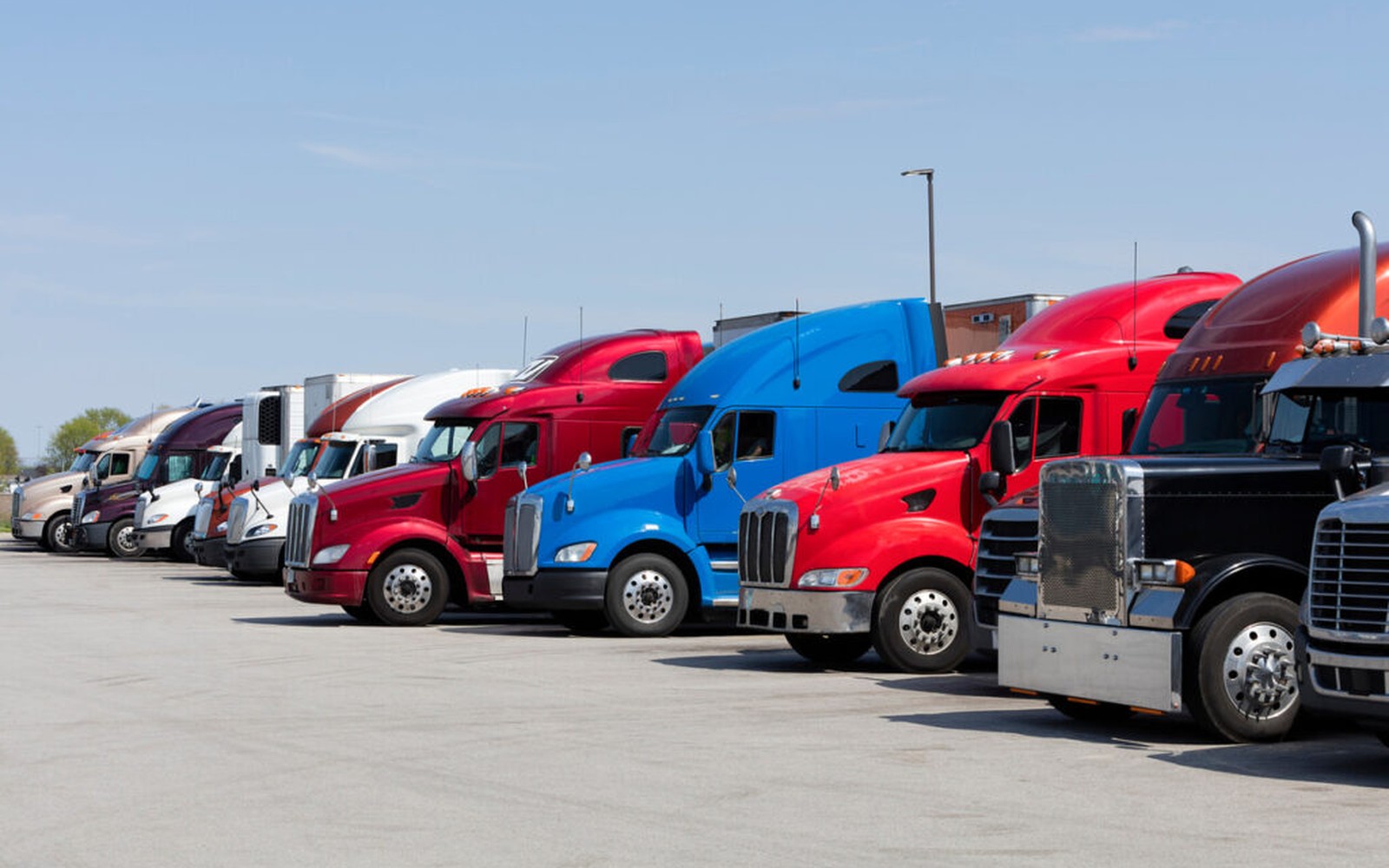
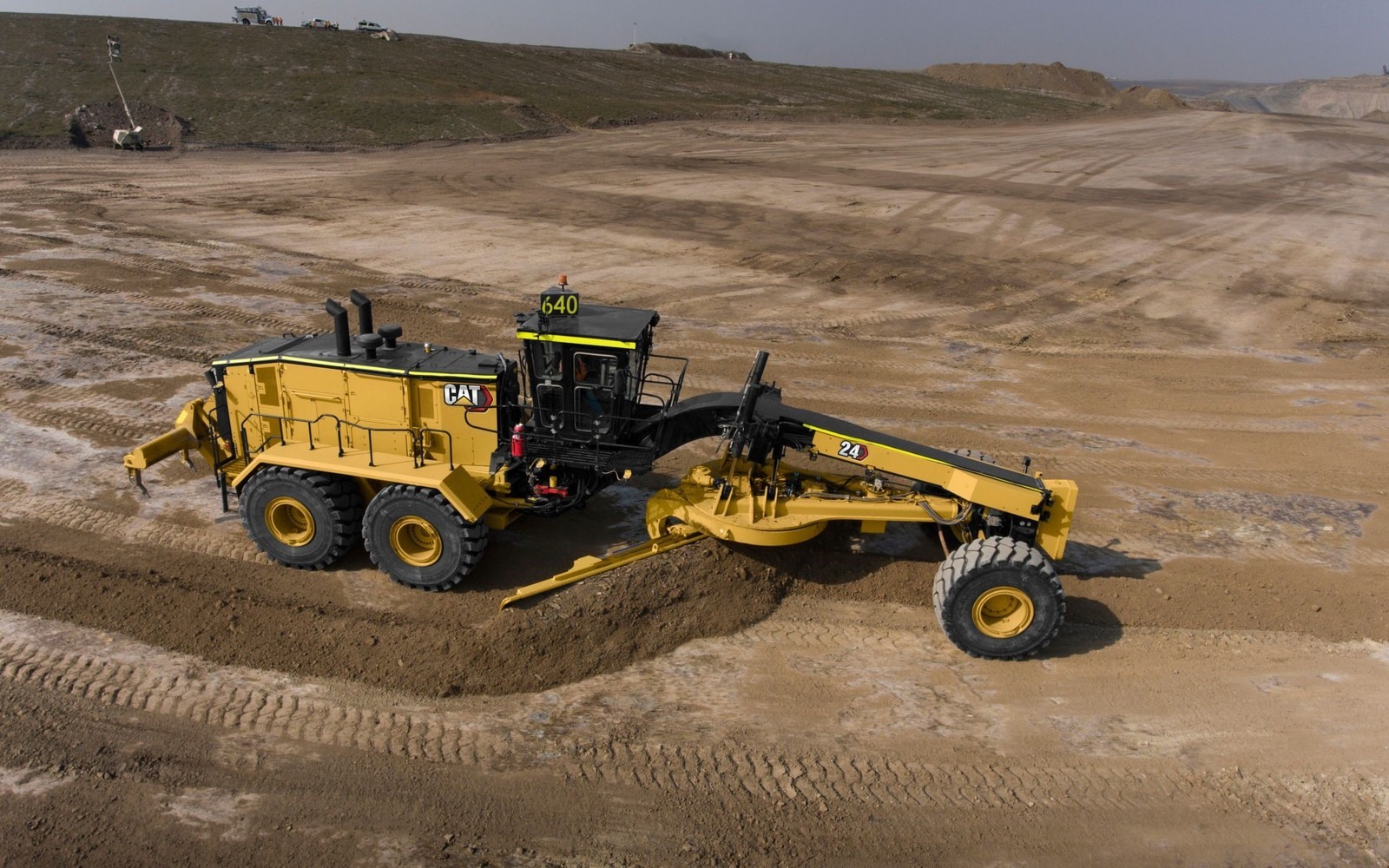
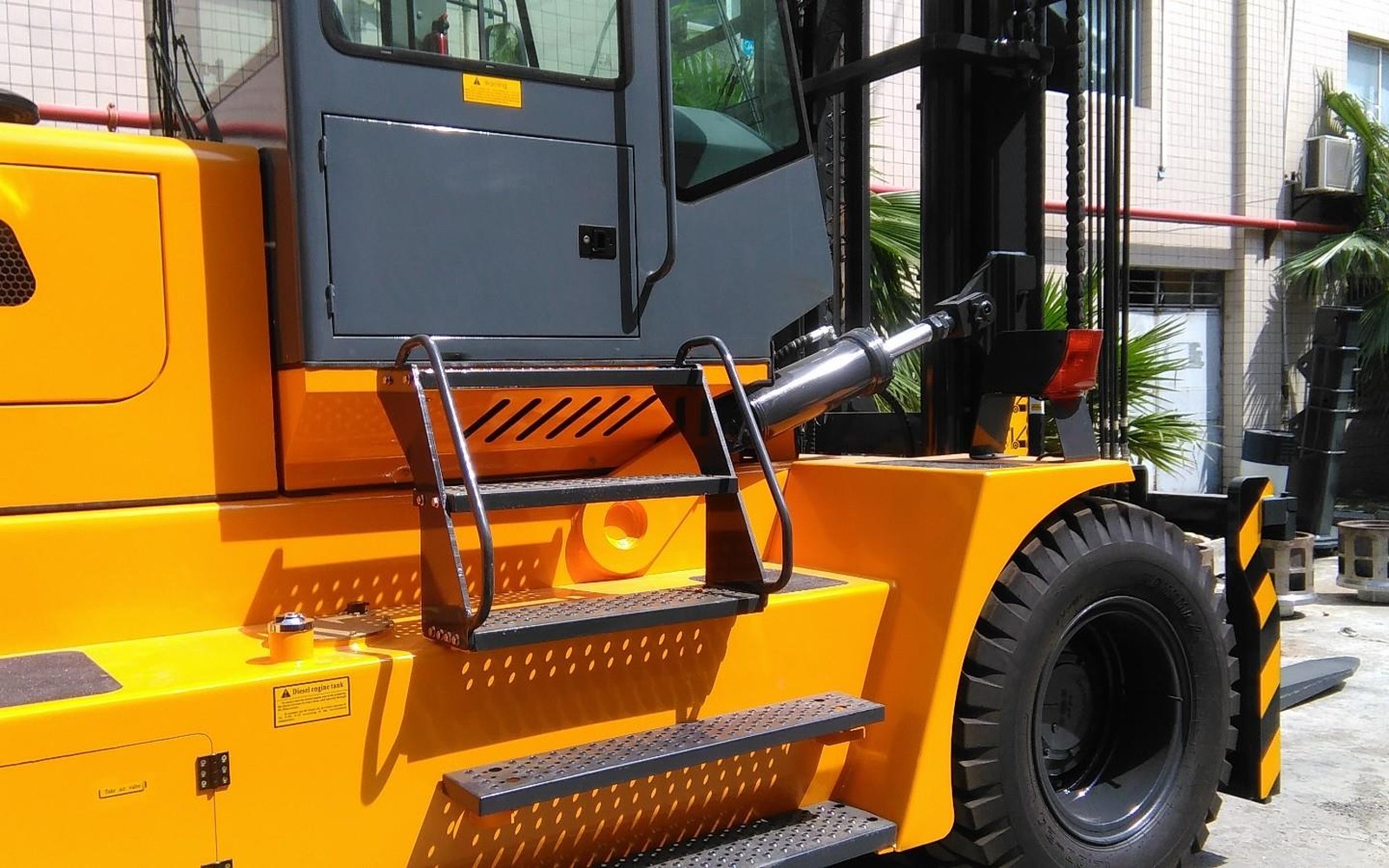
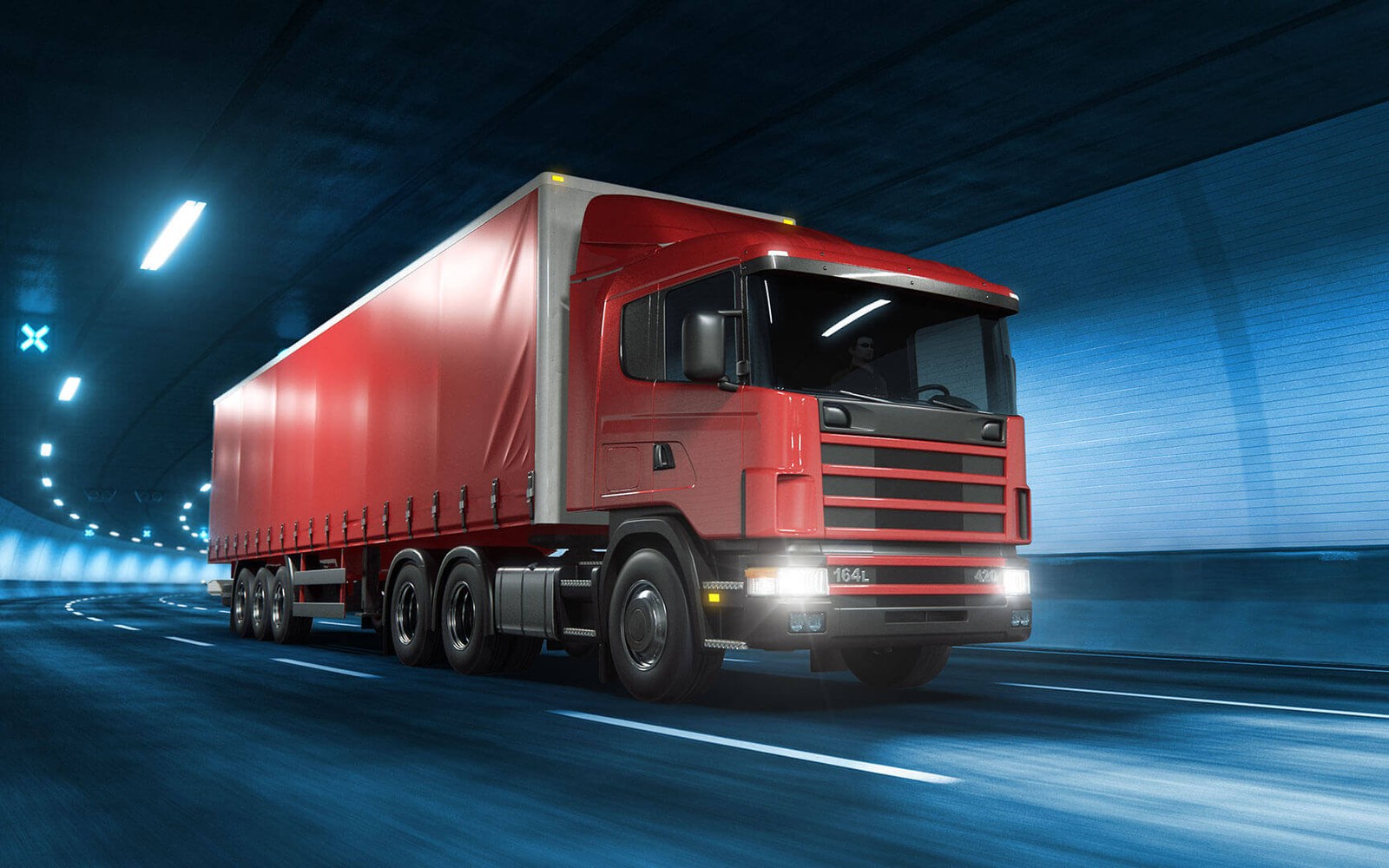
The equipment collateral matters a lot here. Application-only works best when the asset is well-known and widely traded, such as semi tractors, excavators, or forklifts, because the lender can quickly confirm value and resale risk. Unusual or low-liquidity assets may require more documentation regardless of deal size.
Application-only financing exists because equipment deals have timing pressure that bank underwriting does not respect. A contractor wins a job and needs a machine in two weeks. An operator finds a priced-right used loader and has to secure it before the seller moves on. A fleet owner needs to refinance before quarter-end to hit a cash-flow target. In all of these situations, a 30- to 45-day bank process is not an option.
Our typical timeline from application to funded is one to two weeks. Application-only review means the underwriting clock starts immediately rather than after a complete document package is assembled. The fewer documentation requirements, the faster the approval, and the faster the machine is in your yard or the cash is in your account.
For construction contractors and owner-operator truckers who run lean offices without a full-time bookkeeper, the application-only path is also just more realistic. Not everyone has clean tax returns ready to go. Three months of bank statements are something most business owners can pull in an hour.
Bank statements are the core of application-only underwriting. What lenders look at in those three months:
A business with $50,000 in average monthly deposits and a clean statement history funds much more easily than one with higher deposits but erratic patterns and overdrafts. The bank statement is a proxy for how the business actually operates, not just what the tax return shows after year-end adjustments.
Credit score is also reviewed at application. Strong credit opens the widest range of lender options. B and C credit is still considered at our B/C credit tier, and even some situations that look like bad credit qualify depending on the overall file. The application-only path does not guarantee approval regardless of credit. It guarantees a fast and efficient review process.
Rates on application-only equipment financing are driven by credit score, the strength of the bank statements, equipment type, and term. Lenders charge a modest premium for the reduced documentation requirement because they are taking on slightly more underwriting risk. That premium is real but not large. For most deals, the rate difference between a full-doc and app-only deal from the same lender is marginal.
Terms run from 24 to 84 months depending on the equipment and the deal structure. The application-only path is available across purchase financing, refinancing, and equipment sale-leaseback transactions. The structure of the transaction does not affect eligibility for application-only review, only the size does.
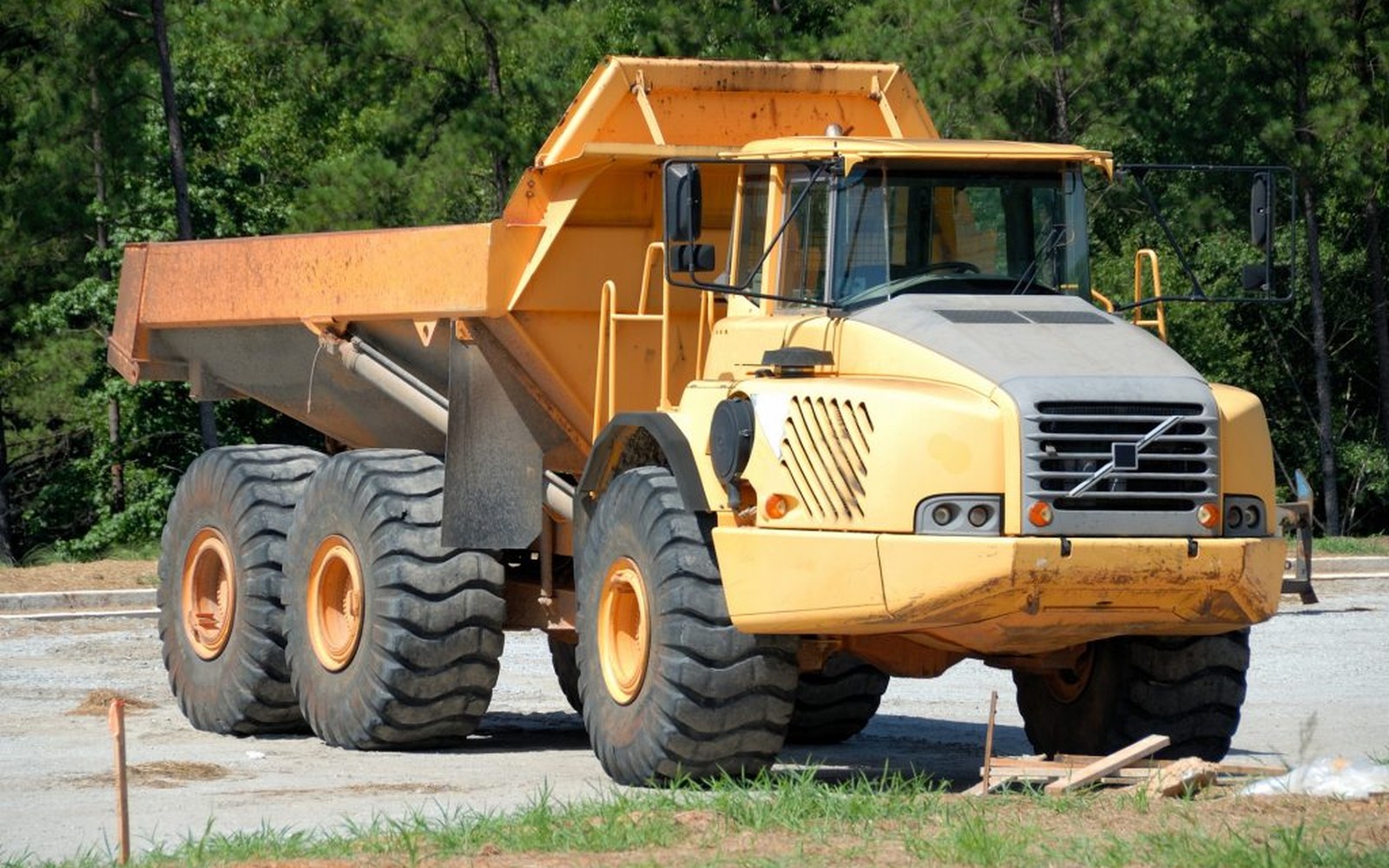
Application-only financing is the default path for any operator whose deal falls under $400,000 and whose equipment is mainstream enough that market value is easy to verify. That covers most single-unit transactions across the equipment types we regularly see: a skid steer, a dump truck, a compact track loader, a single excavator in the 20-ton class.
It also suits operators who are two or three years into running a business and have not yet built the full accounting infrastructure a bank wants to see. The tax returns may show less income than the bank statements suggest because of depreciation, Section 179 elections, or accelerated write-offs. Bank statements show what actually moved through the account, and for these operators, that picture is often more favorable than what the returns reflect.
Logistics and trucking operations, agricultural equipment operators, and manufacturers running equipment costing on the order of $50k to $300k regularly come through the application-only channel. So do operators who have used equipment and want to finance used machinery without triggering a full bank review cycle. The core question in every application-only deal is the same: does the business generate enough cash, is the collateral solid, and is the credit file at least workable? If those three answers are yes, the deal funds in one to two weeks.
Businesses that already have an existing equipment refinancing relationship with us often use application-only as the path for every follow-on transaction. Once we have the base application on file and the bank is familiar with the relationship, subsequent deals often move even faster. The first deal takes the longest. Every one after that benefits from what was already established.
Have your bank statements and equipment information ready. That is genuinely all you need to get started on most deals under $400,000. Funding in one to two weeks. Minimum $50,000. Apply now and a capital advisor contacts you the same day.
These are the underwriting points the desk uses to turn the taxonomy page content into a real cash-out structure.
Machine value, payoff, lien position, hours or mileage, condition, and secondary-market demand.
$400. The available cash is based on verified value minus the existing payoff.
Two weeks.
Application-only financing is the default path for any operator whose deal falls under $400,000 and whose equipment is mainstream enough that market value is easy to verify.
For application-only deals under $400,000, tax returns are typically not required at all. You do not need to wait for a return to be filed. Recent business banking activity plus the completed application is the standard file.
No. Application-only means the lender evaluates your file without requiring tax returns or full financial statements. The credit and bank statement review still happens. Approval depends on that review.
Startups or very new businesses with less than three months of bank history present a harder file. Most application-only programs assume at least a few months of operating history. A newer business may need additional documentation or a stronger down payment.
Yes. Self-employed applicants use personal bank statements if business statements do not exist, or a combination. The review looks at the same factors: deposit consistency, average balance, and absence of negative banking events.
Most application-only programs cap at roughly $400,000. Above that threshold, lenders typically want at least one to two years of business tax returns to support the file.
Yes. Liquid, well-known equipment classes such as semi trucks, excavators, wheel loaders, and forklifts move through the application-only channel most easily. Less common or highly specialized assets may trigger a documentation request even below $400,000 because lenders need confidence in the collateral value.
Send the machine, payoff, and target cash-out amount. We will review the file and come back with rate, term, payment, and net proceeds.
Tell us what you are buying, who is selling it, and when you need it earning. We will review the file and point you to the next step.