Collateral Reviewed
Revenue-producing equipment already working in the operation, with payoff and current value documented.

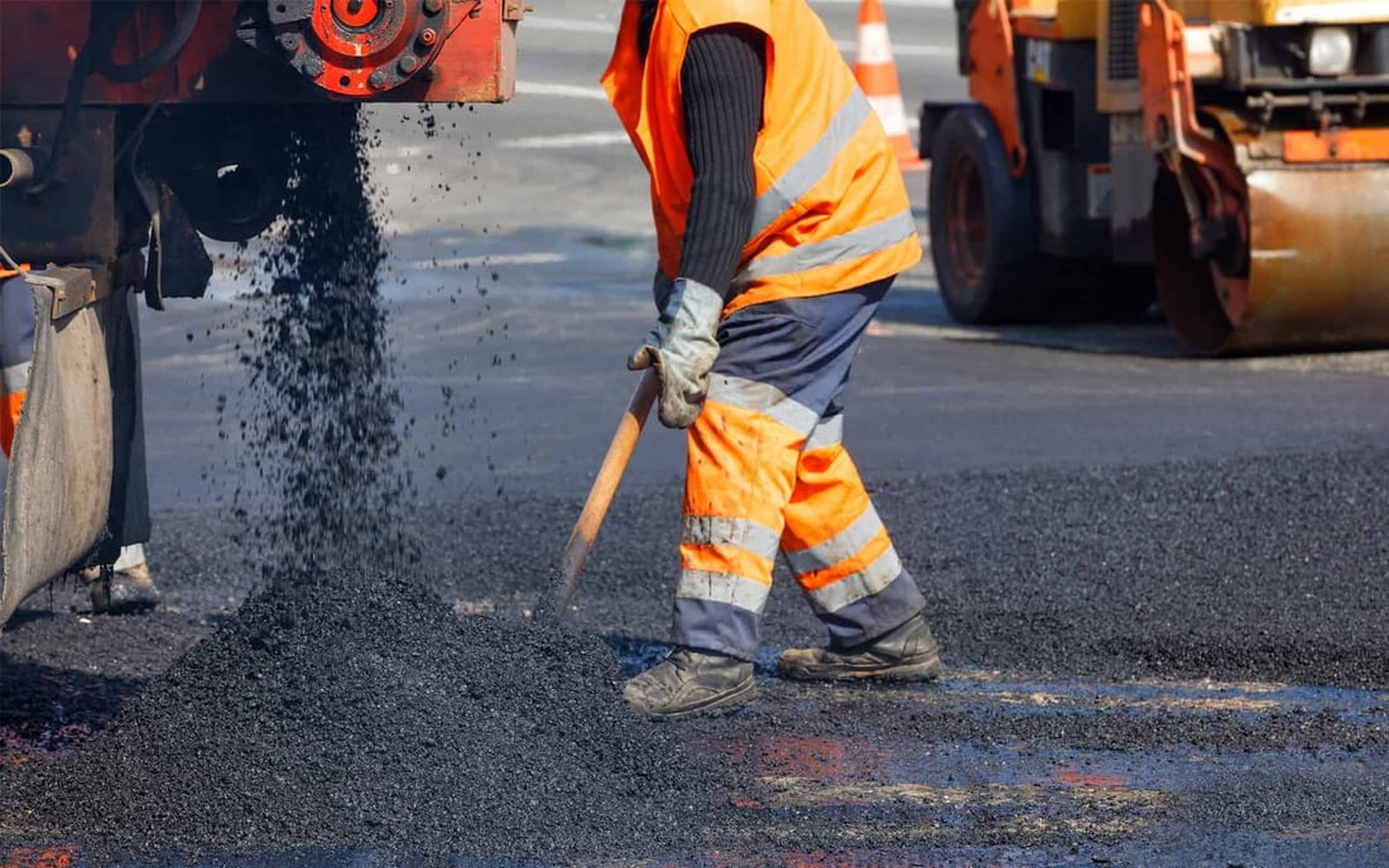
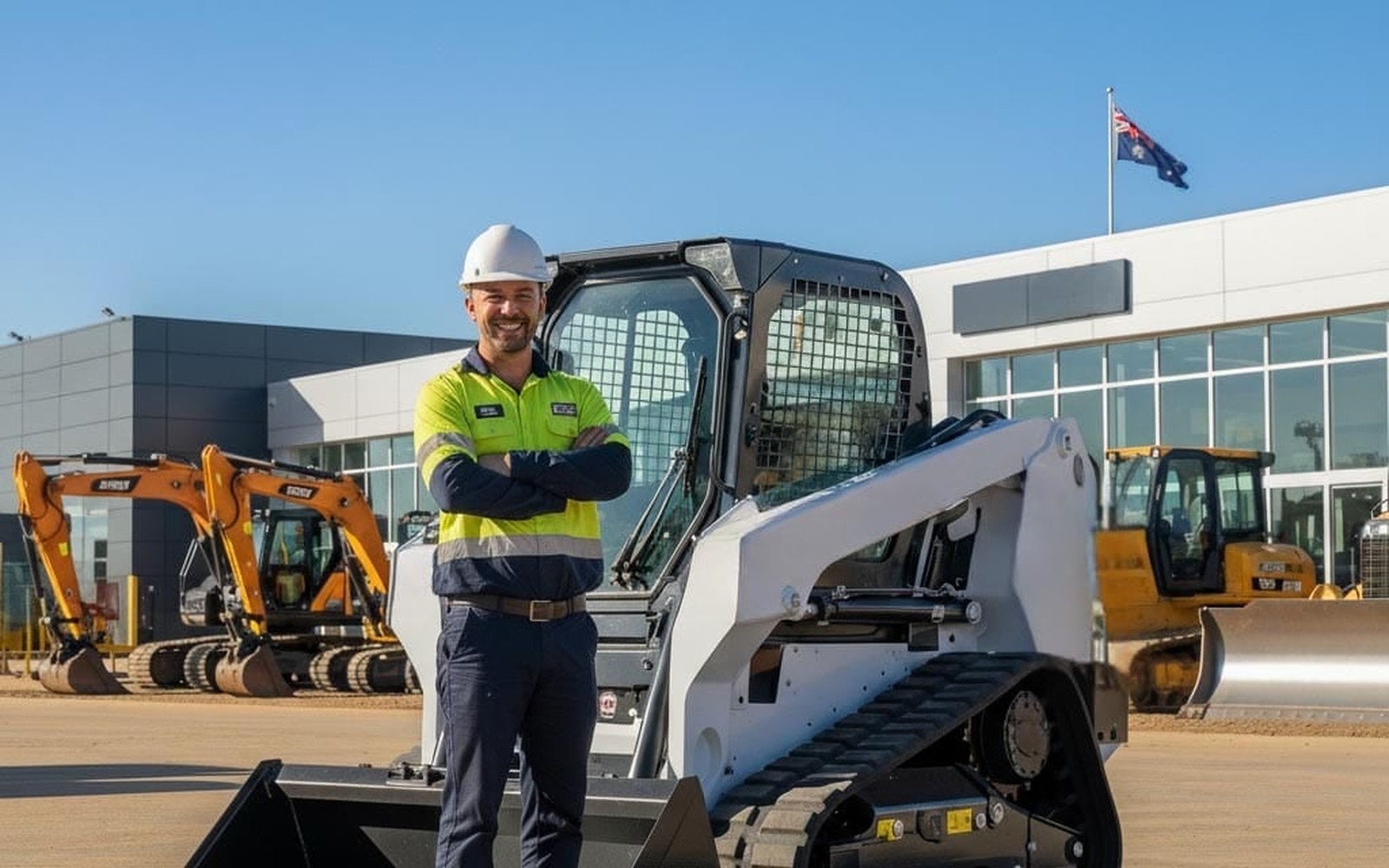
The iron in your yard has equity sitting in it right now. A cash-out equipment refinance turns that equity into working capital without selling a single machine. For construction contractors, that means funding mobilization on the next project while the current one is still billing.
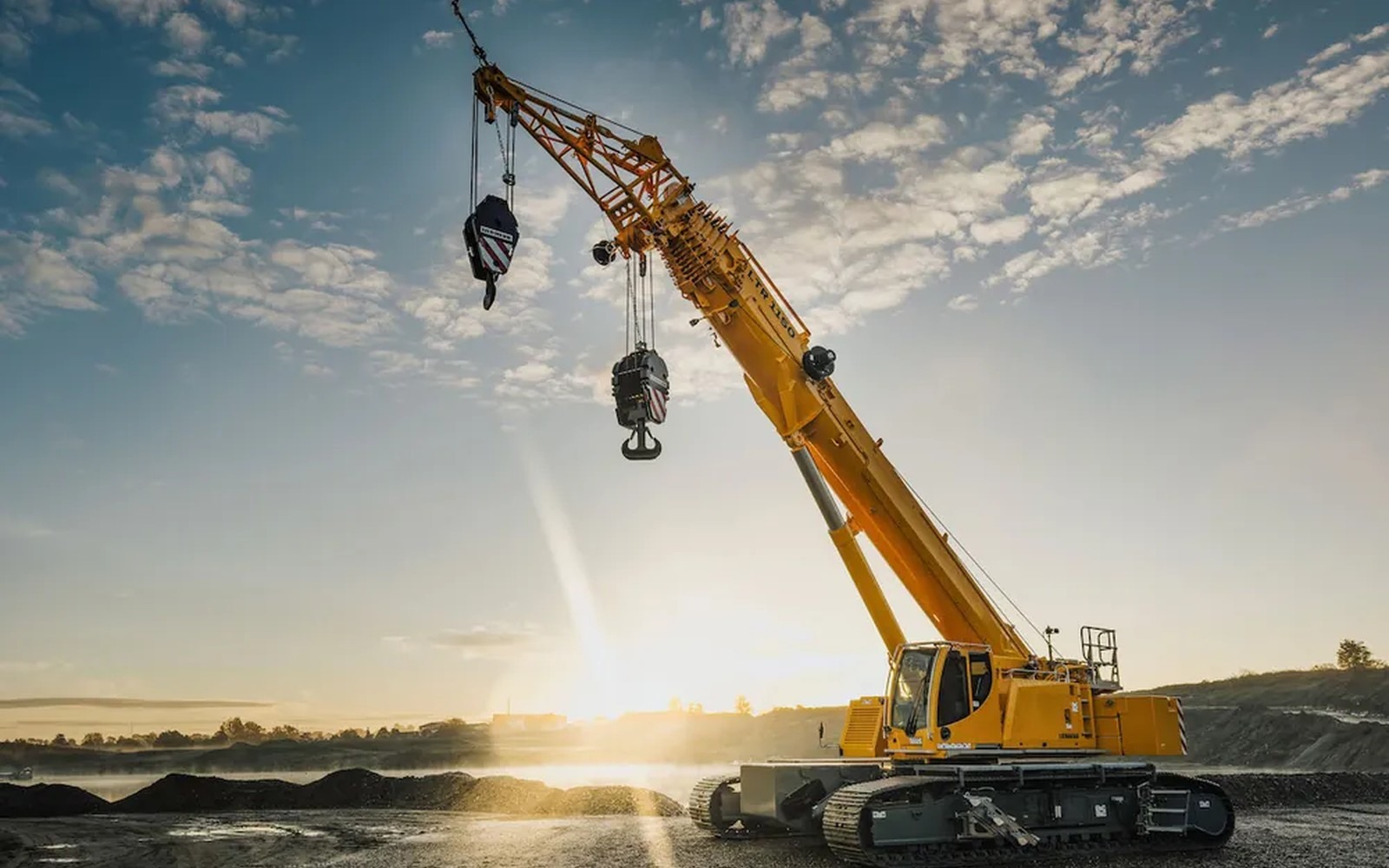
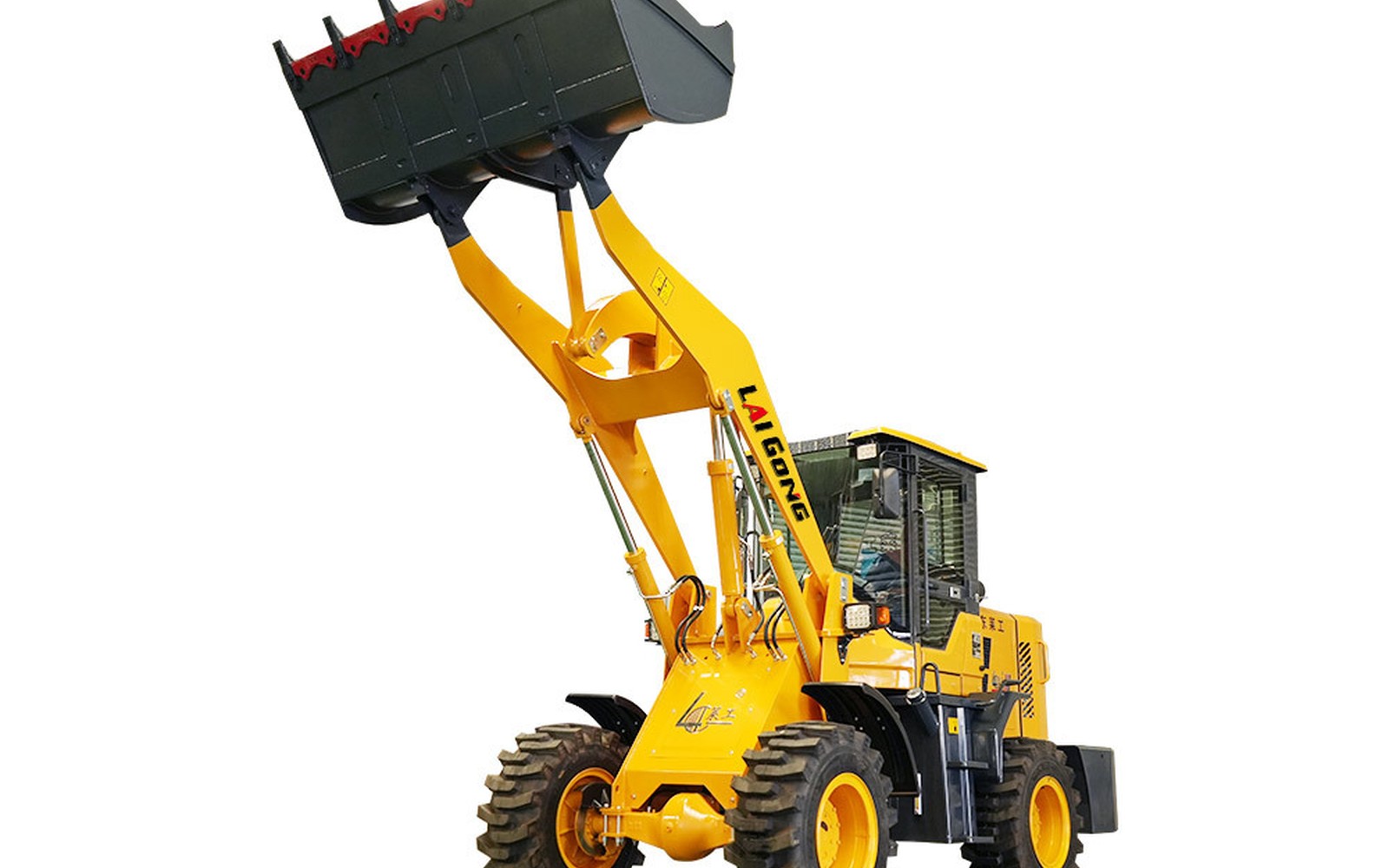
We work with general contractors, specialty subs, and civil firms across the country. The equipment classes that move the most volume with us are excavators, loaders, and cranes, but we look at the whole fleet. If you have iron with equity and a job on the horizon, the conversation is worth having.
Minimum transaction is $50,000. Most construction operators we work with fall costing on the order of $100k to $500k per transaction. Application-only processing up to roughly $400,000, and we can close in about one to two weeks from a complete file.
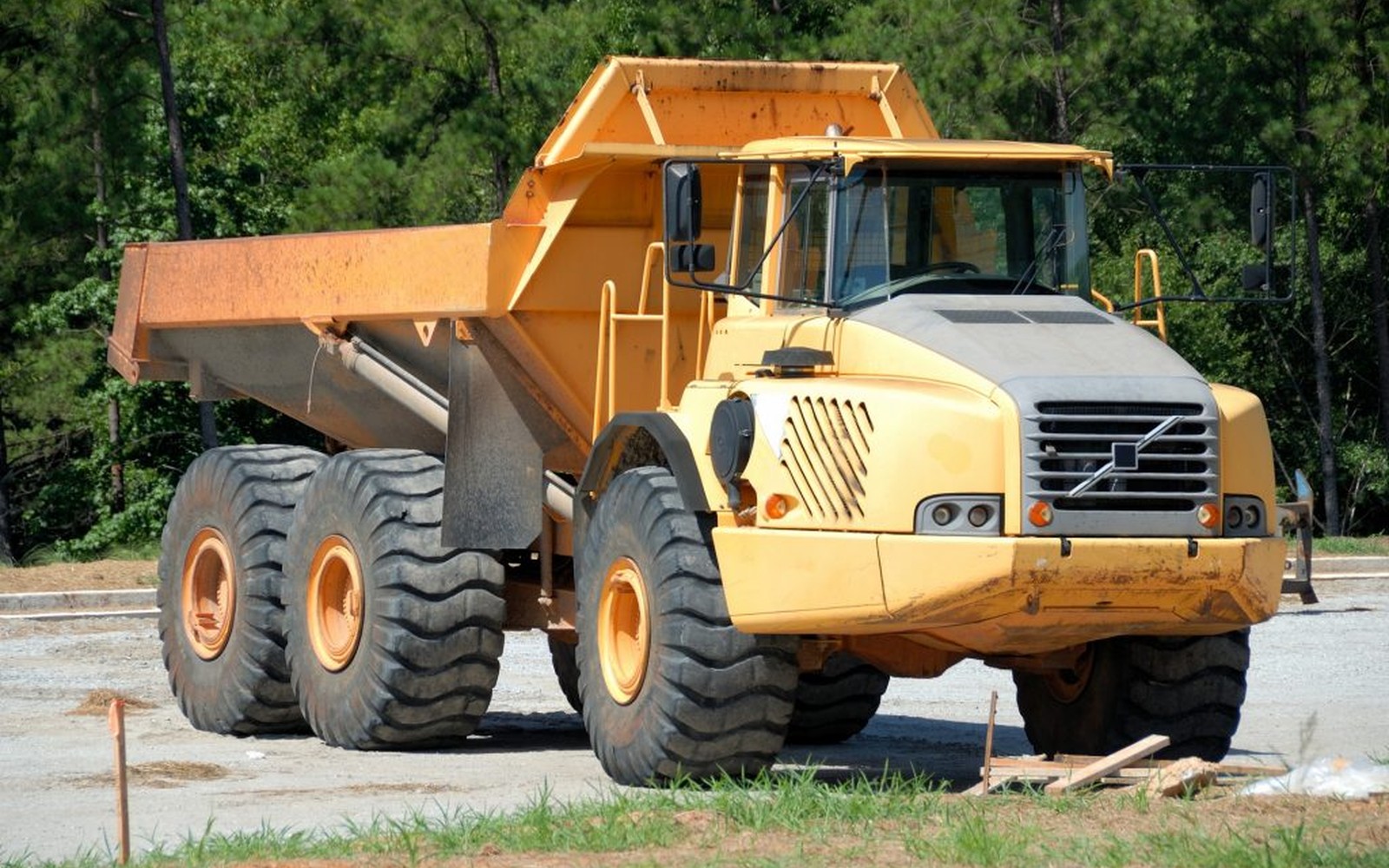
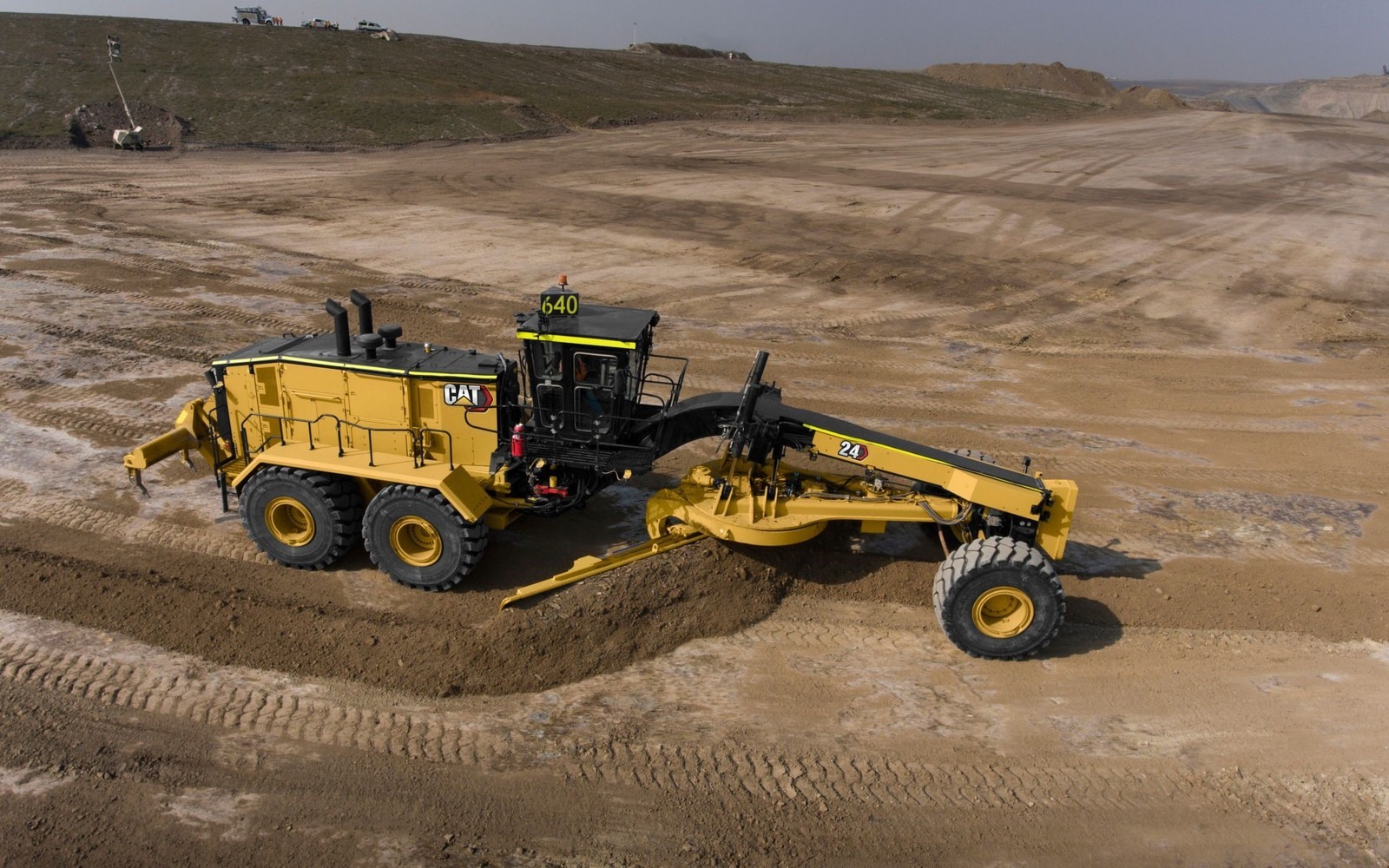
Construction fleets are varied and so are the lien positions we take. The core equipment classes for this industry include:
Used equipment is not a barrier. If the machine was bought used and is now well into its payoff, we can still lend against it as long as the fair market value supports the transaction.
The structure is straightforward. We place a lien on the equipment, you receive proceeds in cash, and payments run on a set schedule over the term. If the machine already carries a lien from the original purchase loan, we pay that off first and you receive the net proceeds.
For construction contractors, equipment sale-leaseback is another option worth knowing. You sell the machine to a lender or leasing company, they lease it back to you, and you keep operating it. The result is a lump sum in your account today with monthly payments replacing the prior note.
Timing matters on construction work. Bonding requirements, mobilization costs, and material deposits can all hit before the project draws start flowing. Getting cash from existing iron solves that problem without adding partners or diluting ownership.
Construction contractors sometimes carry credit profiles that reflect the industry: cyclical revenue, high equipment debt load relative to balance sheet, and draws that don't always line up with calendar months. We know that picture and work with B and C credit profiles.
Standard documentation for most transactions includes three months of business bank statements, equipment information (make, model, year, serial number, and current payoff if any), and a completed application. For transactions above roughly $400,000, we will typically want financials as well.
If your personal credit is bruised from a downturn or a prior project that went sideways, that is not an automatic disqualifier. The asset value and your current cash flow carry more weight than a credit score alone. You can also learn more about our approach to B/C credit equipment financing on its own page.
The construction contractors who get the most out of cash-out refinancing share a few characteristics. They own equipment that has been paid down for two or more years. They have an active or upcoming job that requires capital before draw payments begin. And they want to avoid taking on equity partners or giving up a share of the contract to cover bridge financing.
This also works well for contractors who want to upgrade part of the fleet. Cash from Machine A pays the down payment on the new Machine B. The fleet grows without draining operating accounts.
Contractors in markets like Houston, Dallas, and Phoenix where large commercial and infrastructure projects are running constantly tend to use this structure repeatedly across multiple machines over the life of their business.
Construction contract revenue is not linear. A job mobilizes, draws arrive on a monthly or milestone schedule, and the final draw often comes after punch list completion that drags weeks past substantial completion. In that gap, overhead keeps running. The smart operators learn to use the equity in paid-down equipment to fund those gaps rather than drawing down a credit line or taking on high-interest short-term debt.
Spring and early summer are the highest-activity period for construction refinancing inquiries, because that is when operators are mobilizing on jobs and assessing their capital position heading into the busy season. Fall transactions often correspond to contractors looking to close year-end deals with working capital, fund tax payments, or position for the following year. Both timing windows work well for equipment refinancing transactions because the equipment market is active and comps are plentiful.
Regional construction markets vary. The Sun Belt states, particularly Texas, Arizona, and Florida, see year-round construction activity and consistently produce refinancing demand. Road and highway contractors across the nation often have the cleanest equity pictures because their equipment runs full seasons on long-duration contracts, accumulating paydown without seasonal interruption. Whatever the regional market, the calculus is the same: paid-down iron plus a capital need equals a conversation worth having.
Tell us about the equipment and what you need the capital for. We will run the numbers and come back with a real structure, not a range. Most contractors hear from us the same day they apply.
These are the underwriting points the desk uses to turn the taxonomy page content into a real cash-out structure.
Revenue-producing equipment already working in the operation, with payoff and current value documented.
$50. The available cash is based on verified value minus the existing payoff.
1-2 weeks.
The structure is straightforward.
Yes. If the machine has equity above the current payoff, we can refinance it. We pay off the existing lien and you receive the net proceeds. The machine just needs enough fair market value to support the new loan amount after clearing the old balance.
Most transactions close in one to two weeks from a complete application and documentation package. If you have equipment information and bank statements ready, we can move fast. Tell us your deadline when you apply and we will work toward it.
Single-machine transactions are fine as long as the loan amount is at least $50,000. We work with owner-operators running one excavator the same as we work with contractors running twenty pieces of iron.
Cash-out refinancing does carry a different risk profile than a straight rate-and-term refinance, which typically results in a different rate. The exact terms depend on your credit, the asset type, and the loan-to-value. We will give you the actual numbers before you commit to anything.
Proceeds are yours to deploy as you see fit. Most contractors use them for mobilization costs, materials, bonding, or down payments on new equipment. There are no use restrictions in our loan agreements.
Yes. A fleet refinancing packages multiple machines into one transaction, one closing, and one payment structure. You do not need to keep each piece on a separate note. Bundling typically streamlines the process and can unlock better program rates depending on the total package size.
Send the machine, payoff, and target cash-out amount. We will review the file and come back with rate, term, payment, and net proceeds.
Tell us what you are buying, who is selling it, and when you need it earning. We will review the file and point you to the next step.