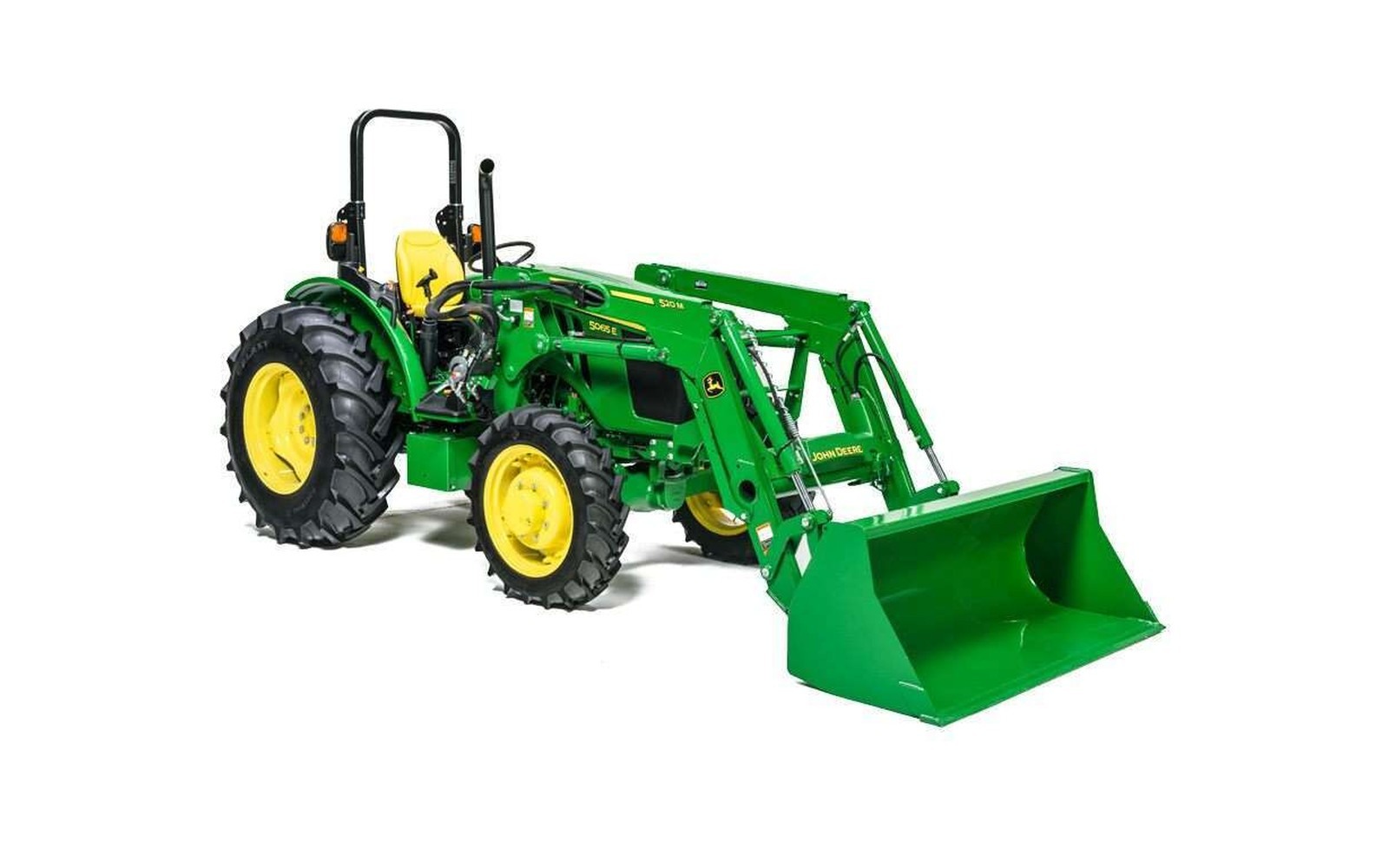
Collateral Reviewed
Revenue-producing equipment already working in the operation, with payoff and current value documented.

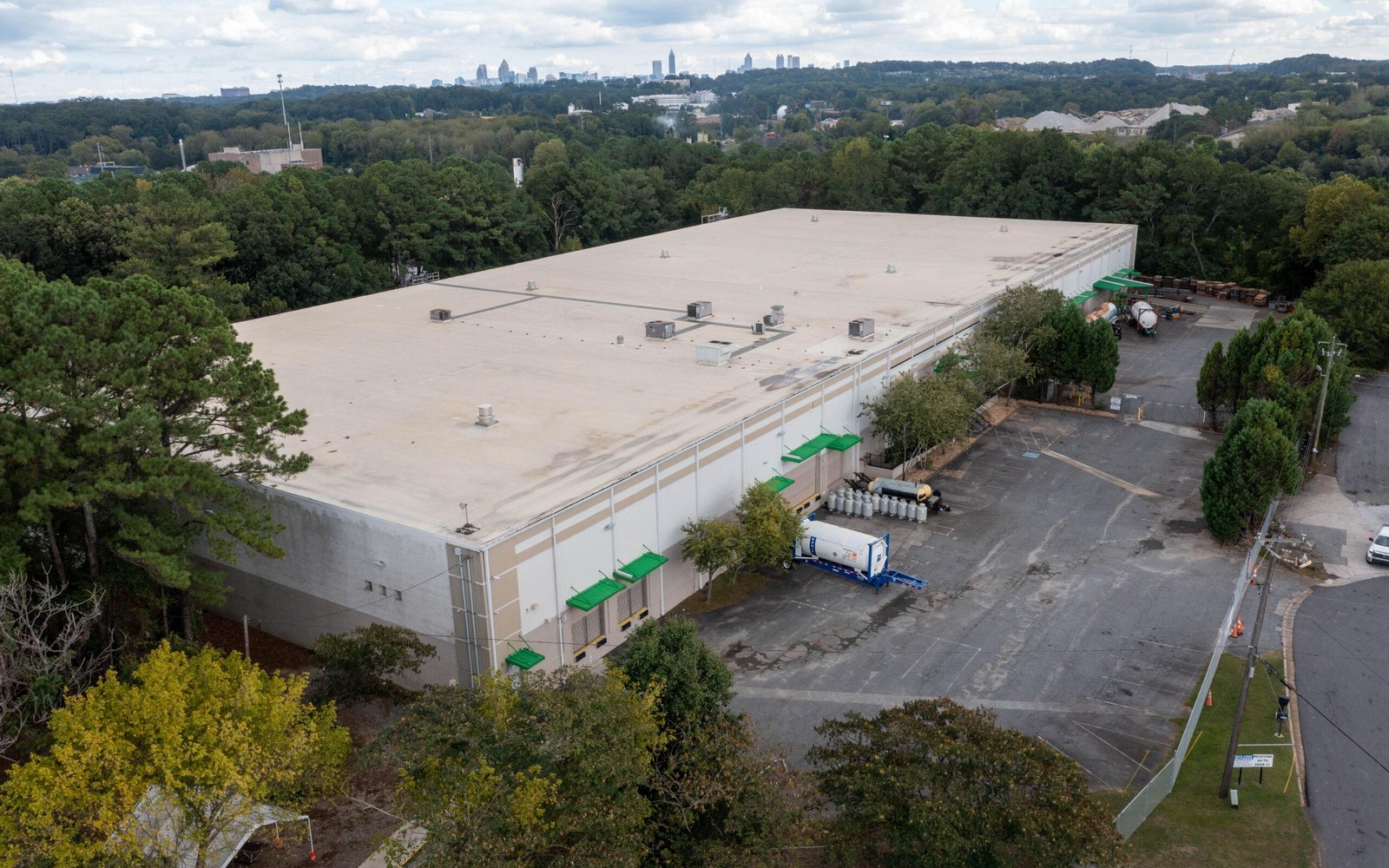
Distribution centers and material handling operations are asset-dense by design. The lift equipment, conveyance systems, racking-compatible vehicles, and specialized handling tools that keep product moving represent years of capital investment. Some of that capital has been paid down and sits as equity. Cash-out refinancing extracts it and puts it back to work before the next lease renewal or the next operational expansion.
We work with third-party logistics operators, distribution center owner-operators, fulfillment companies, cold chain distributors, and industrial material handling businesses. The equipment profile covers everything from warehouse forklifts and reach trucks to specialized automated guided vehicle (AGV) systems and heavy-duty order picker fleets.
Minimum transaction is $50,000. Material handling companies often run multi-unit transactions costing on the order of $150k to $500k, and larger fleet refinancings above that are common given the scale of equipment investment in this industry. Funding from a complete application takes one to two weeks.
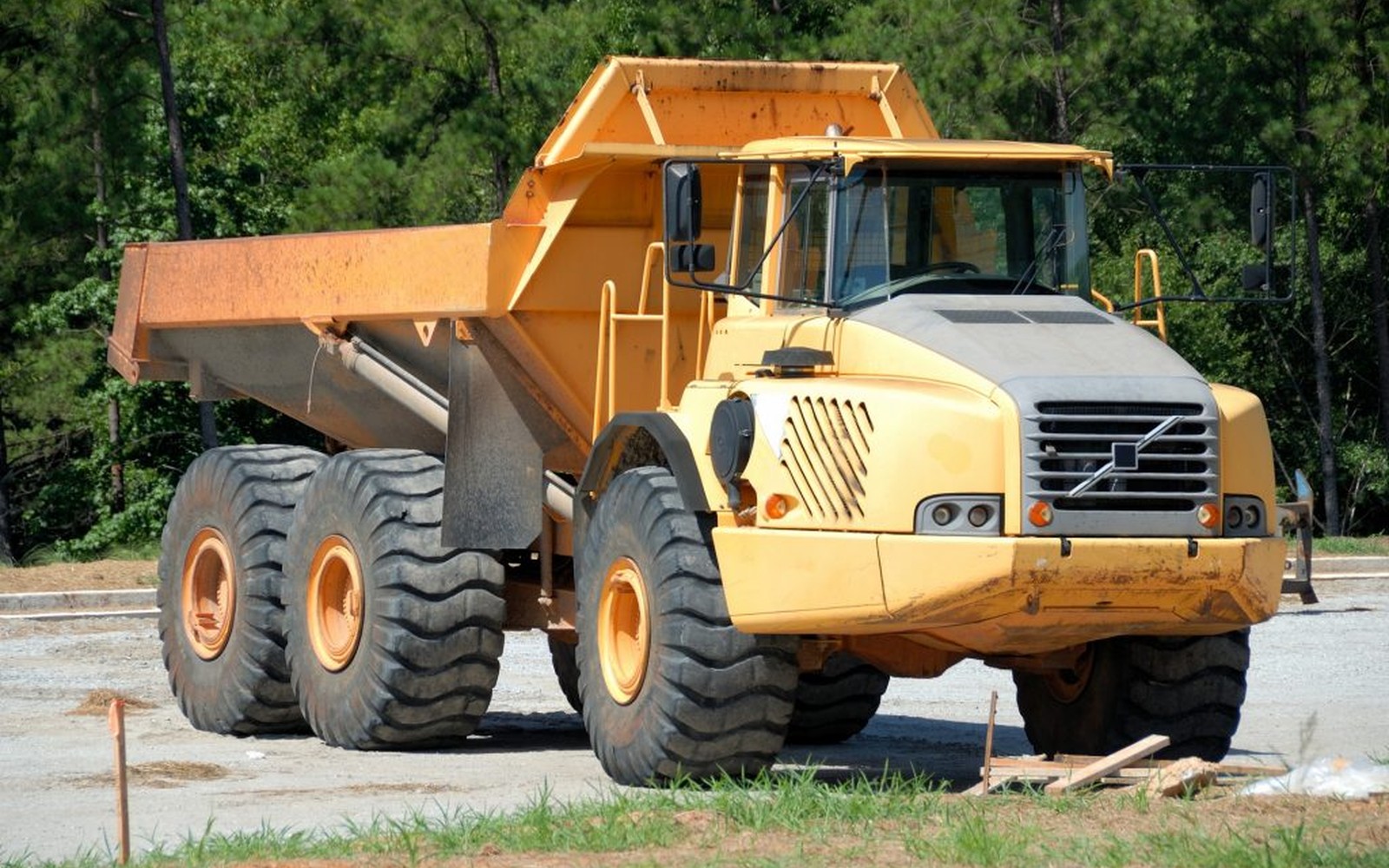
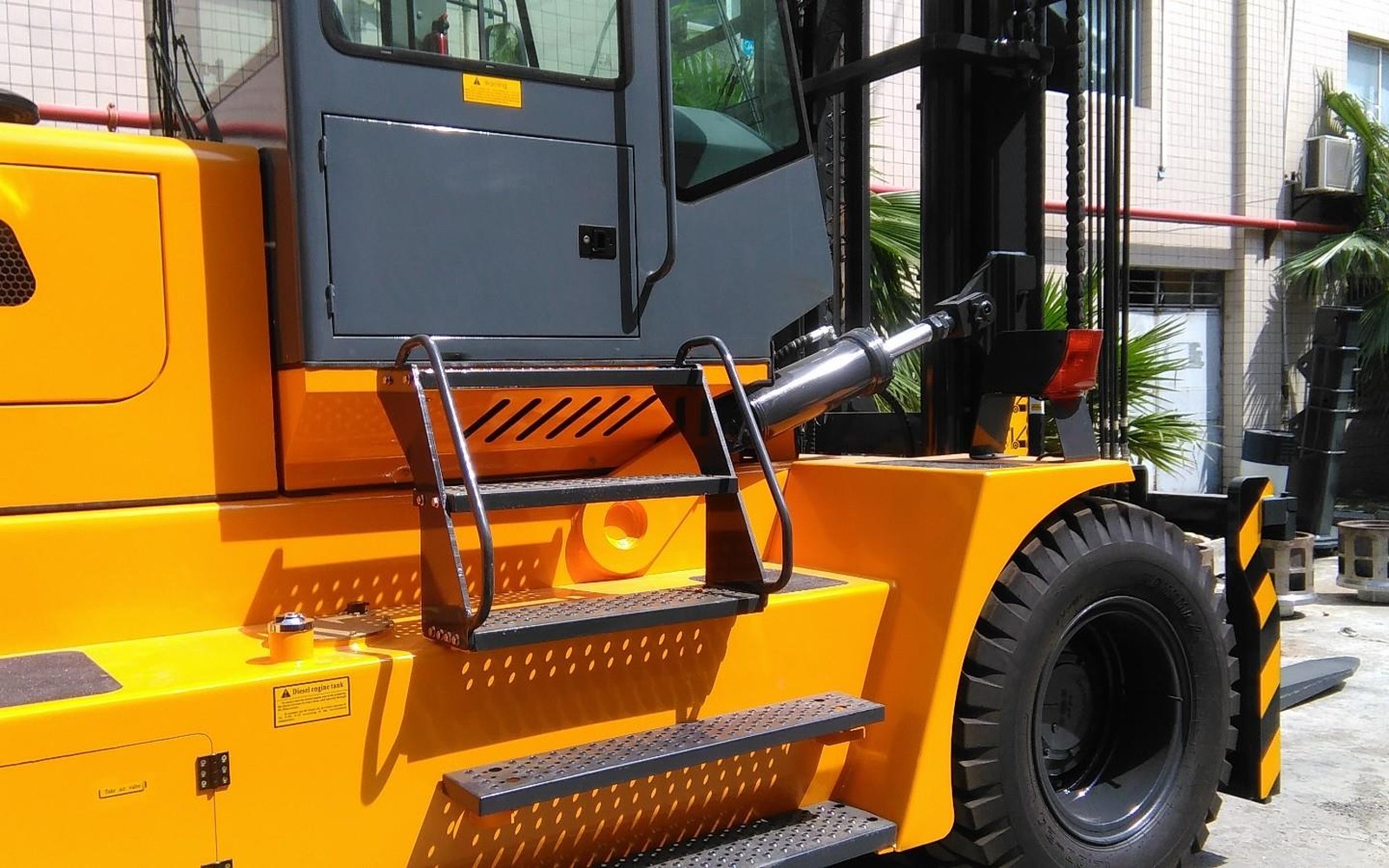
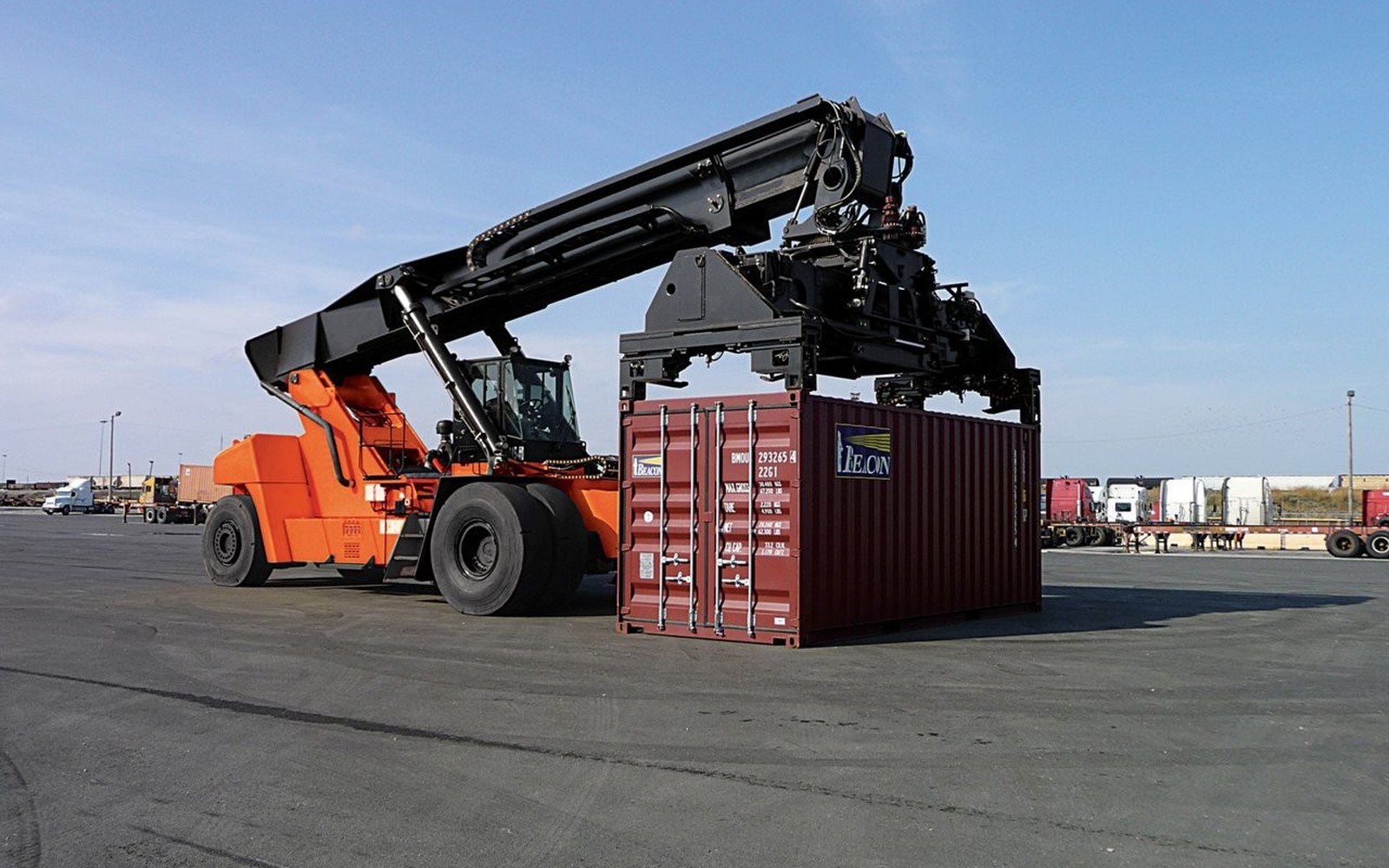
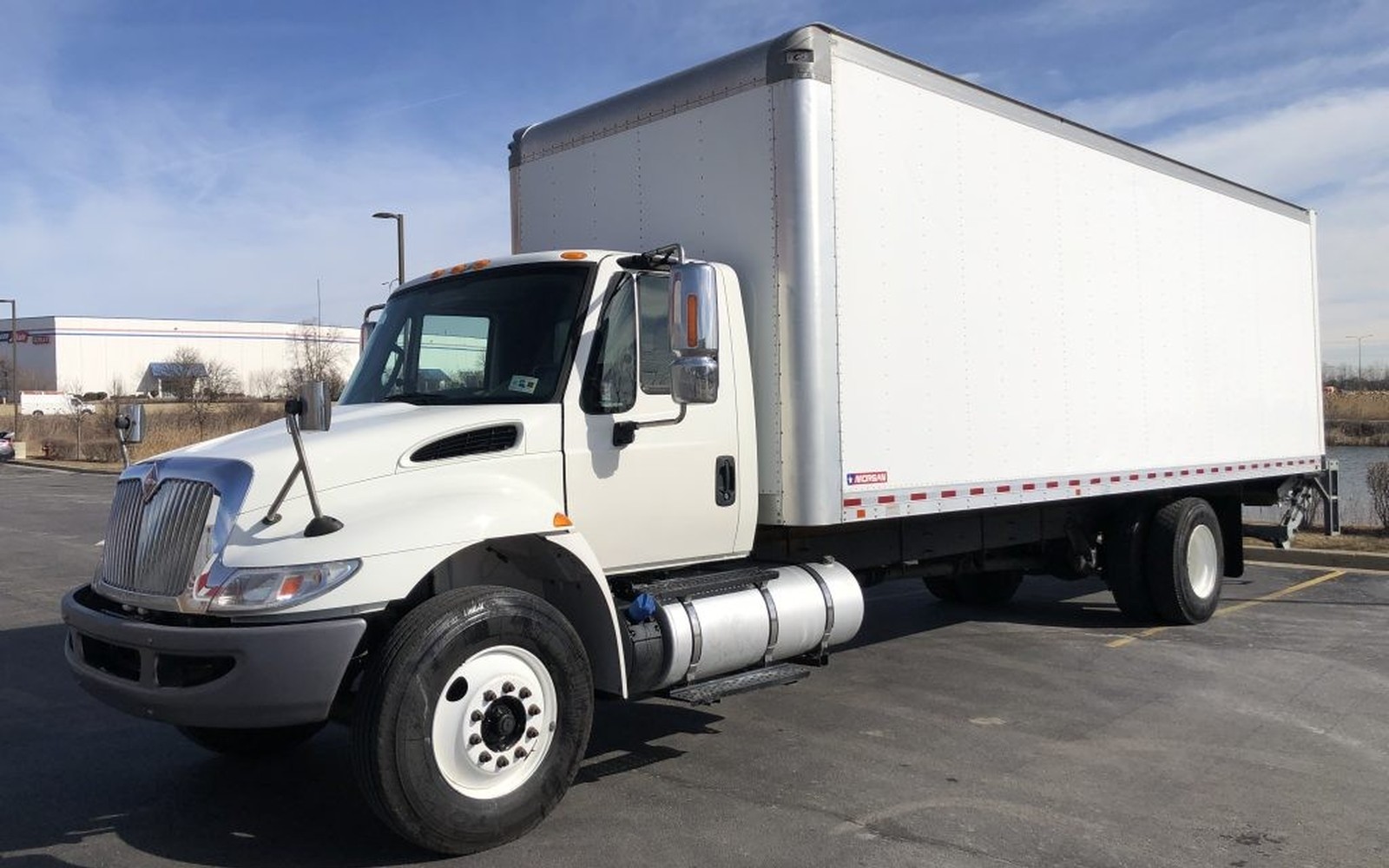
Material handling and distribution operations run a broad equipment spectrum. The key asset categories we lend against:
Fleet age, utilization documentation, and maintenance records all affect the collateral assessment. Well-maintained, documented fleets typically support stronger loan-to-value positions.
Fulfillment and distribution have been in a multi-year investment cycle driven by e-commerce growth and the shift to faster delivery expectations. Distribution centers that were built or equipped several years ago face pressure to expand throughput or open additional locations. The equipment in those facilities, now partially paid down, is a capital source for that next expansion.
The timing works in favor of material handling operators. Equipment bought at the peak of the build-out cycle several years ago has had time to accumulate equity. Market values for material handling equipment have remained solid because demand for proven equipment is high. The combination of paydown equity and stable values creates real refinancing opportunities.
Distribution operations concentrated around major fulfillment hubs like Chicago, Los Angeles, and Seattle have both the equipment density and the ongoing capital demands that make equipment refinancing a regular planning tool rather than an occasional one.
Material handling companies that have paid off their forklift fleet or their reach truck pool are well-positioned for equipment sale-leaseback. The structure allows a company to sell the fleet to a lender, receive the full market value in cash at closing, and continue operating the equipment under a monthly lease payment.
For distribution operations that already manage their facility under a real estate lease, the concept of leasing equipment rather than owning it outright is not foreign. Many 3PL operators and large distribution companies run primarily on leased assets because it improves capital efficiency. A sale-leaseback takes an owned fleet and transitions it to the same structure while releasing the capital that was locked in the ownership position.
Both standard cash-out refinancing and sale-leaseback are available through us. We present both with real numbers for your specific situation at the time of application.
Material handling and distribution companies that get the most from this program share a few characteristics. They have lift equipment or handling assets that are two or more years into the original note. They have a capital need, expanding a facility, adding a shift, adding a location, or simply smoothing out a cash-flow gap between billing cycles. And they want to access that capital without adding equity partners or triggering a facility-level refinancing process.
Operators who are considering an equipment upgrade also use this structure: pull equity from the existing fleet to fund the down payment on the new automated system or the next generation of reach trucks. The old equipment pays for part of the new equipment.
For operators who want to understand how equipment refinancing compares to an equipment line of credit for ongoing capital access, see the equipment line of credit page. For those evaluating the right structure against other debt instruments, the page on working capital versus equipment financing provides useful context.
Give us the fleet details, payoffs, and what you need the capital for. We come back with a real structure the same day you apply. No commitment required to see what your equipment is worth.
These are the underwriting points the desk uses to turn the taxonomy page content into a real cash-out structure.
Revenue-producing equipment already working in the operation, with payoff and current value documented.
$50. The available cash is based on verified value minus the existing payoff.
One to two weeks.
Material handling and distribution companies that get the most from this program share a few characteristics.
A fleet-wide transaction across multiple facility locations is doable. We place a blanket lien across all units regardless of location. The logistics of the collateral assessment, verifying serial numbers and equipment condition across sites, add some process steps, but a multi-site transaction is not unusual for us. Provide a complete fleet inventory and we will structure accordingly.
A manufacturer or dealer maintenance contract demonstrates documented upkeep and supports the valuation. It does not restrict our ability to place a lien on the equipment. The contract runs alongside the refinancing note without conflict.
That is a legitimate concern. Depending on your real estate lease terms, the landlord may have certain rights over equipment installed in the facility. In most standard warehouse leases, equipment that is not a fixture can be removed. We factor in the lease situation as part of the collateral assessment, particularly for conveyor systems and integrated equipment.
Yes. Technology investments, software, implementation services, and system upgrades are acceptable uses of proceeds from equipment refinancing. The capital is yours to deploy as the operation requires.
Refrigerated dock equipment, blast freezers, and cold chain conveyor systems qualify on a case-by-case basis. The secondary market for cold chain equipment varies by configuration. Standard industrial refrigeration units from major manufacturers have stronger secondary market demand than highly custom cold chain installations. Tell us the specifics and we will give you an honest assessment.
Send the machine, payoff, and target cash-out amount. We will review the file and come back with rate, term, payment, and net proceeds.
Tell us what you are buying, who is selling it, and when you need it earning. We will review the file and point you to the next step.