Collateral Reviewed
Machine value, payoff, lien position, hours or mileage, condition, and secondary-market demand.

Pre-owned iron is where the real deals live. A three-year-old excavator with 4,000 hours runs the same dirt as a new one. It costs a fraction of the new-iron price. The problem most buyers hit is that bank financing on used equipment gets restrictive fast. Age limits, mileage cutoffs, and loan-to-value requirements knock out a lot of transactions before they start. We operate in that space specifically. Used equipment is our normal, not an exception.
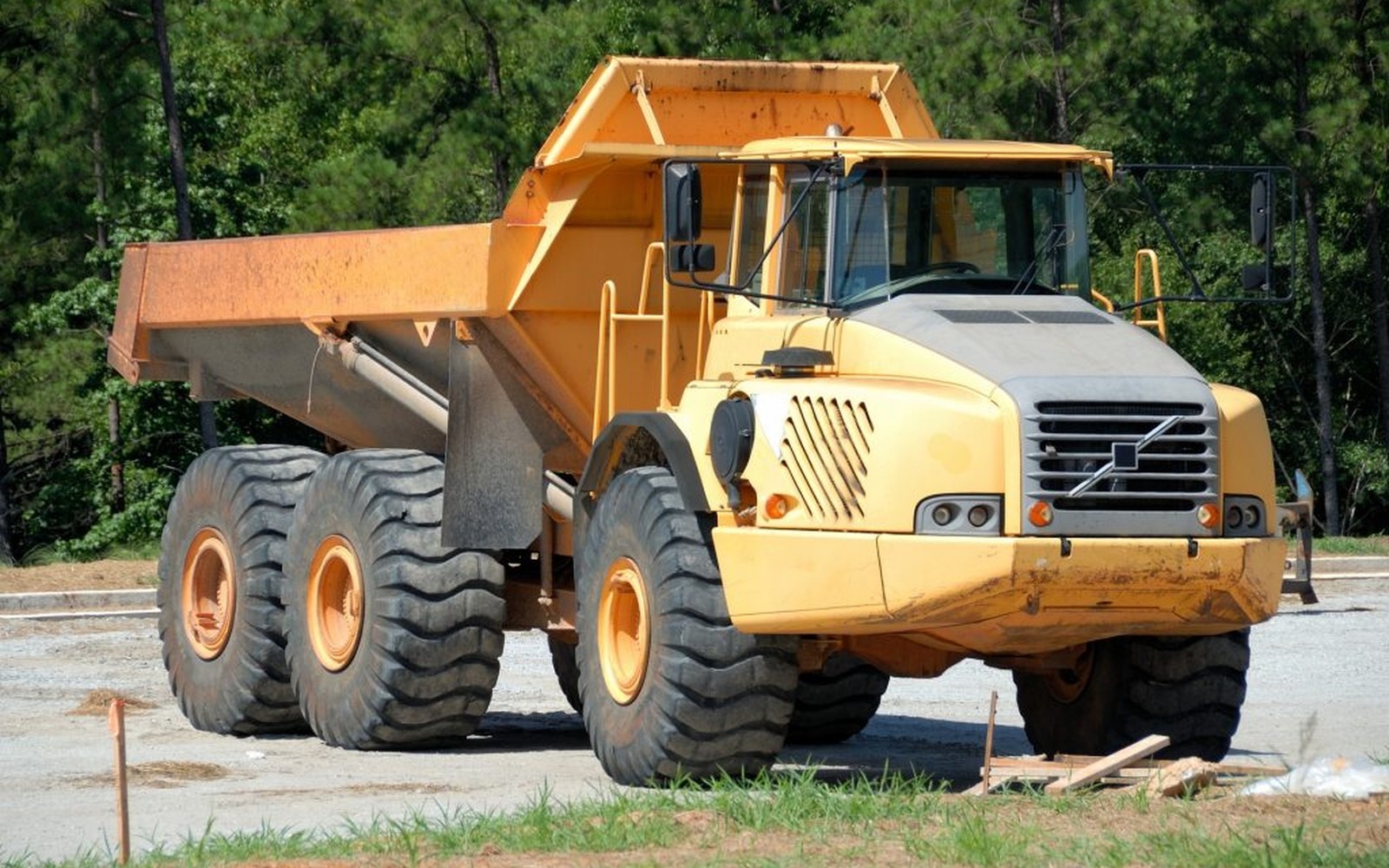
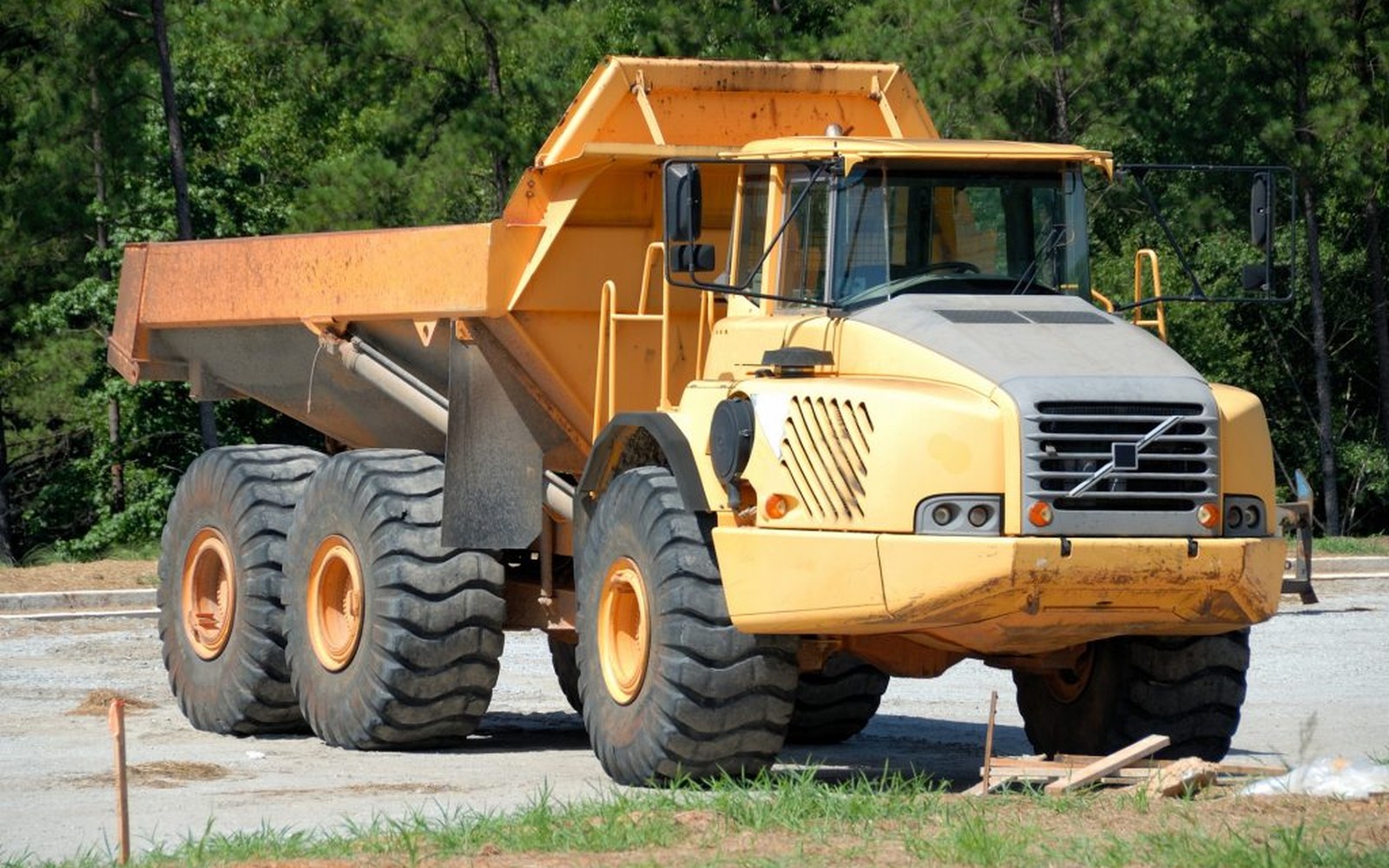
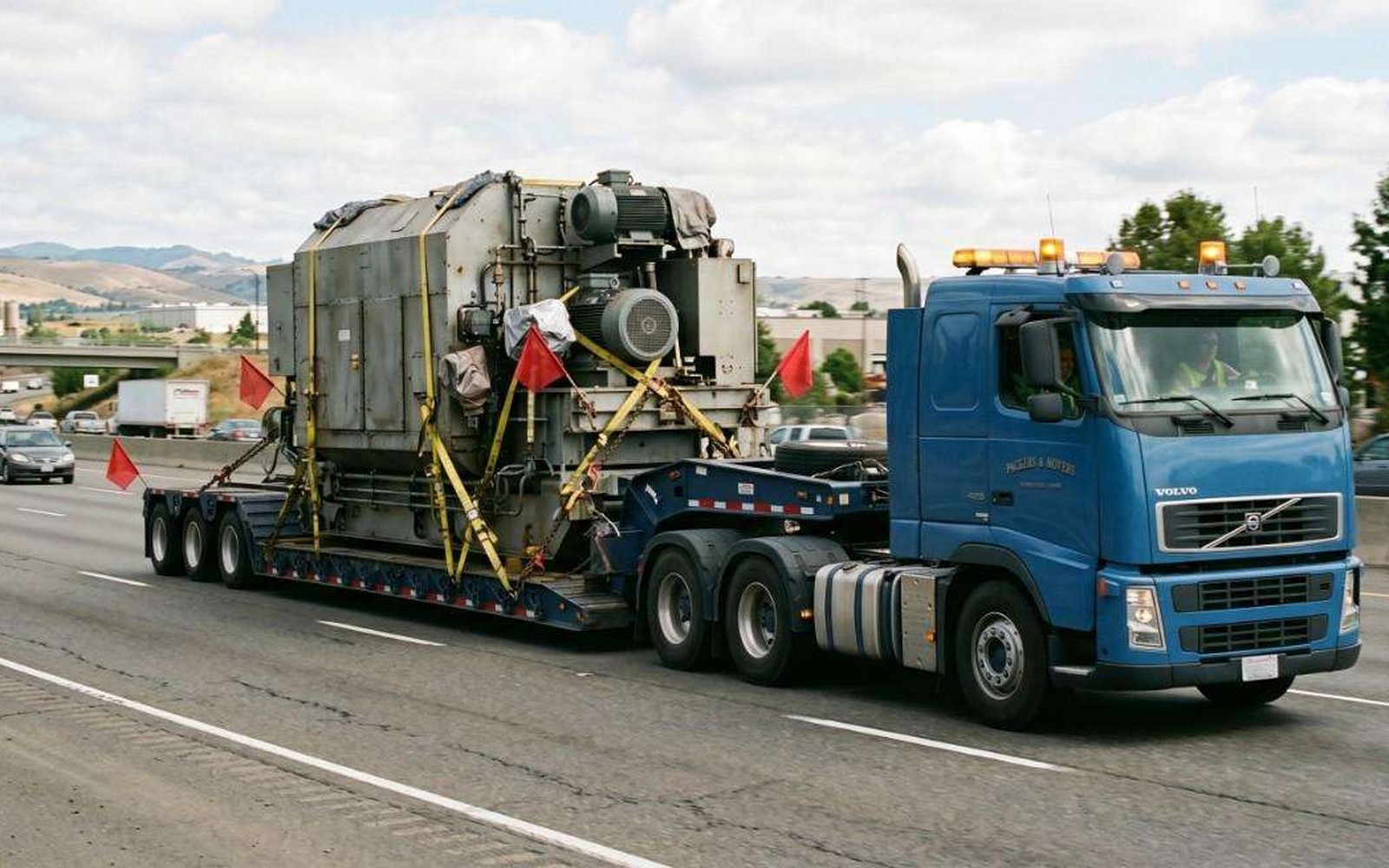
We finance used excavators, dump trucks, loaders, cranes, semi tractors, CNC machinery, and virtually any other category of commercial equipment. The machine does not have to be recent-model. If it has marketable value and the deal pencils, we have lenders who will fund it.
A lender's primary concern with used equipment is collateral value at the end of the loan. They need to be confident that if the borrower stops paying, the asset can be liquidated for enough to recover the remaining balance. That drives two common constraints: lower loan-to-value ratios and shorter maximum terms on older machines.
A 2022 excavator might get 85 to 90 percent loan-to-value. A 2015 excavator in good condition might get 70 to 80 percent. A 2010 excavator with rebuilt undercarriage gets placed more selectively. The collateral risk is higher as the machine ages, so the lender requires more equity in the deal. That means more of your own money down, a lower loan amount relative to the purchase price, or both.
Terms also shorten. A new machine might finance over 72 months. A machine approaching the end of its typical service life might cap at 36 or 48 months. That raises the payment but reduces the lender's residual risk. We know which lenders have the most latitude on age and condition, which is what makes the difference between a deal that funds and one that gets declined by every bank the buyer calls.
Most commercial equipment with a clear title or verifiable ownership qualifies. The criteria that matter most:
Age is a factor but not an absolute cutoff. We have financed equipment that is ten-plus years old when the condition is right and the equity is strong. The type of industry matters too. Construction equipment and commercial trucks have deep secondary markets with good auction data, which makes lenders more comfortable. Specialty equipment with thin resale activity is harder to fund at high loan-to-value but not impossible.
Private party purchases (buying from another business rather than a dealer) also qualify. We handle private party equipment financing regularly and can walk through what documentation the lender needs when there is no dealer involved.
Used equipment financing is available to borrowers across the credit spectrum. A strong credit file at 700-plus gets the best rates and the highest loan-to-value. B and C credit, in the 580 to 659 range, still funds but with higher rates and typically a stronger down payment requirement. We work with B and C credit borrowers on a regular basis and know which lenders in our network have the appetite for it.
Documentation for most deals is straightforward: application, three months of business bank statements, and information on the equipment being purchased. For larger deals above $400,000, a business tax return or financial statements may be needed. For most transactions costing on the order of $50k to $400k, the application-only path is available and is the fastest route to an approval.
Used equipment prices fluctuate with demand cycles. The construction boom of recent years pushed used iron prices to historic highs in some categories. Prices on used skid steers and compact track loaders were notably elevated relative to historical norms as supply chains kept new machine inventory scarce. That premium has moderated in many categories as new machine availability improved, creating better buying opportunities for used-equipment purchasers in the current market.
Buying well in a soft used market is exactly when financing should be aggressive. The equity cushion in the deal is larger, loan-to-value ratios are easier to hit, and monthly payments are lower because the acquisition cost is lower. Operators who move when the market is softer and the supply of good used iron is plentiful tend to build their fleets at lower capital cost per unit than those who buy reactively when demand spikes.
Tell us what you want to buy, the year and condition, and the asking price. We will come back with a loan range and a down payment estimate. Minimum $50,000. Funding in one to two weeks. Apply now and a capital advisor reaches out same day.
These are the underwriting points the desk uses to turn the taxonomy page content into a real cash-out structure.
Machine value, payoff, lien position, hours or mileage, condition, and secondary-market demand.
$50. The available cash is based on verified value minus the existing payoff.
One to two weeks.
A lender's primary concern with used equipment is collateral value at the end of the loan.
There is no hard universal cutoff. Age matters relative to condition, useful life remaining, and the secondary market for that equipment type. We have funded equipment over 15 years old when the numbers work. Apply and we will tell you specifically what is available on the asset you want to buy.
Down payment depends on the loan-to-value the lender allows and the purchase price. A 70 percent LTV deal on a $100,000 machine means a $30,000 down payment. Newer machines with strong secondary markets often get higher LTV and therefore require less down.
Yes. Private party purchases are common in heavy equipment. We handle the additional documentation needed when there is no dealer involved, including the bill of sale, title transfer, and payoff of any existing liens on the machine.
Most commercial equipment has a title, VIN, or serial number that lenders use to track the collateral. Equipment without any of these is harder to finance but not impossible. Contact us and we will look at what documentation exists.
Generally yes, because new equipment is more predictable collateral. But the rate difference is often smaller than buyers expect, and the purchase price savings on used iron can more than offset the rate premium.
Send the machine, payoff, and target cash-out amount. We will review the file and come back with rate, term, payment, and net proceeds.
Tell us what you are buying, who is selling it, and when you need it earning. We will review the file and point you to the next step.