Collateral Reviewed
Articulated Dump Truck Refinancing value, payoff, age, hours or mileage, attachments, condition, and remaining useful life.

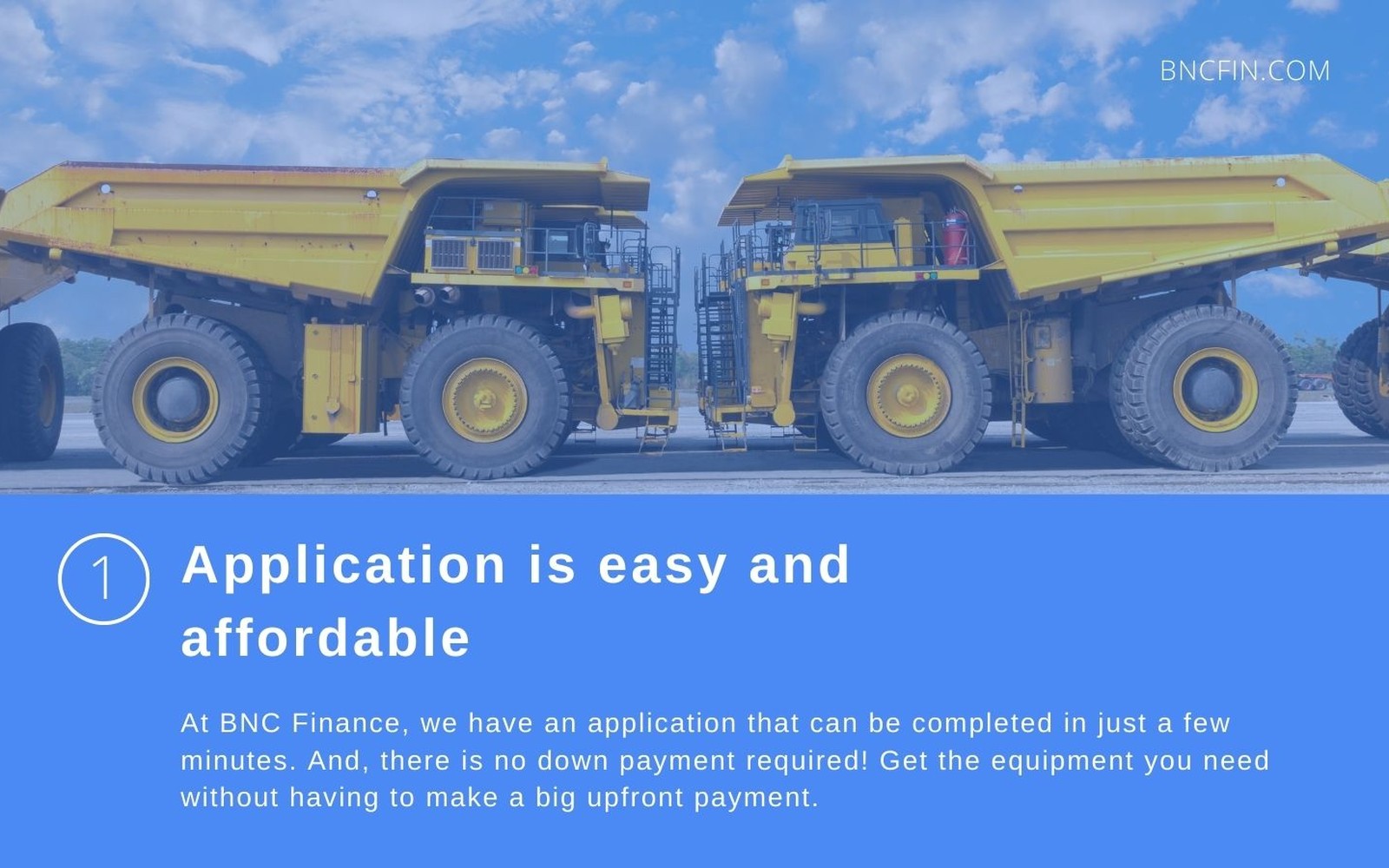
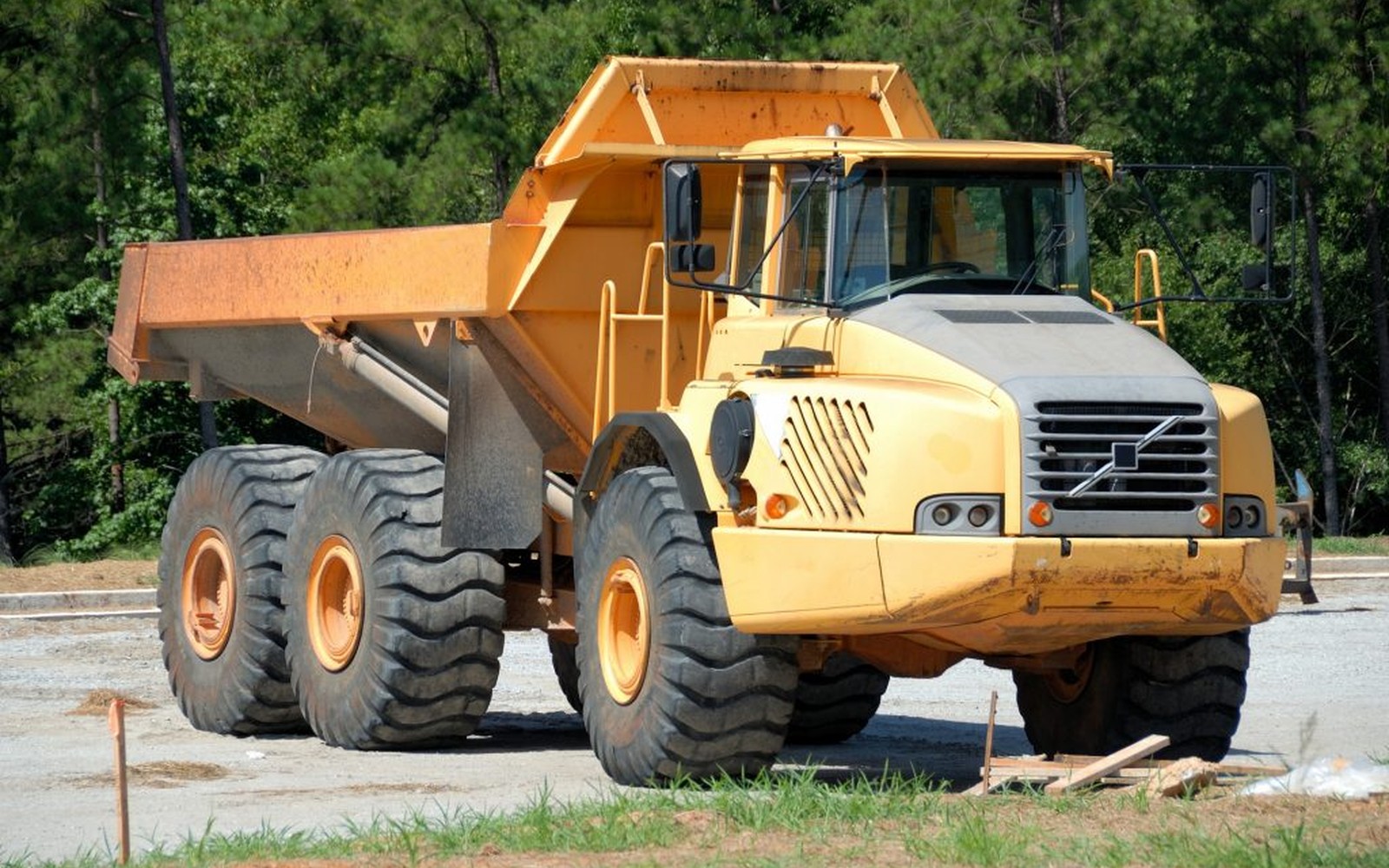
Articulated dump trucks are big-ticket machines with big equity potential. A 35-ton or 40-ton ADT that has been maintained and has reasonable hours on the clock carries substantial residual value, particularly if it is a major-brand unit with a documented service history. That residual value is the asset we work with to put capital back into your operation.
Hauling material in soft, muddy, or rough terrain is exactly what ADTs were built for, and operators who commit to these machines for the long haul build equity over time as they pay down original notes and the machine continues to earn. A cash-out refinance captures that equity without interrupting the haul cycle. The truck keeps working. The capital moves where you need it.
Articulated dump trucks are among the more specialized assets in the construction equipment market, which means the resale pool is smaller than for a general-purpose excavator or loader. That does not mean the equity is inaccessible; it means the lender needs good machine condition data to feel confident in the advance.
What underwriters focus on:
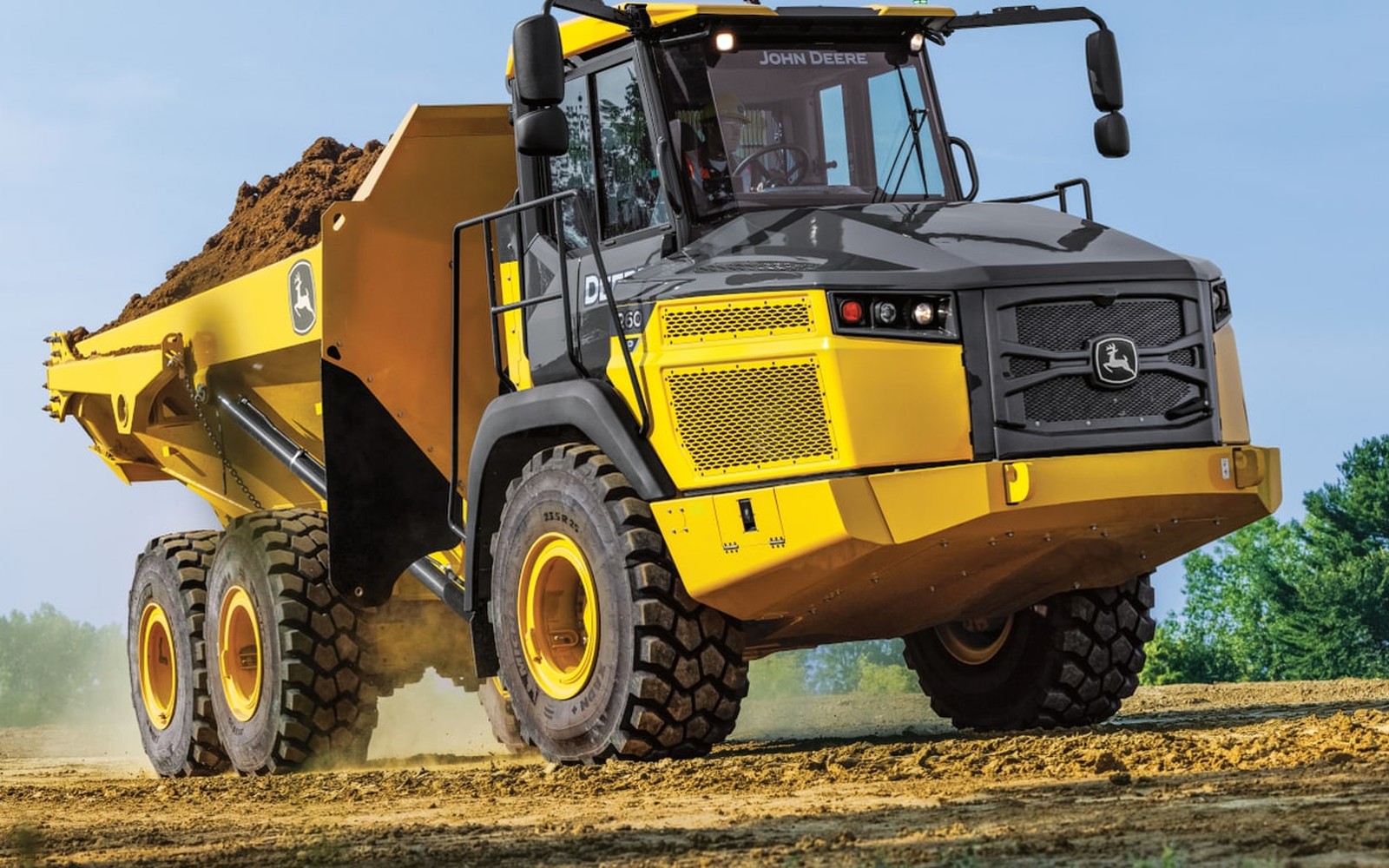
Volvo A series ADTs, Caterpillar series II machines, and John Deere 310E/410E class trucks carry the strongest resale support in the U.S. market.
ADT owners are typically larger operators with multiple machines and a specific niche in earthmoving or site development. The refinancing need usually falls into one of a few categories:
Markets with active land development, including Dallas, Orlando, and the broader Southeast, keep ADT hours high and resale values supported.
For high-value ADTs where the owner wants to maximize capital extraction, both structures are worth comparing. A cash-out refinance on an ADT appraised at $250,000 might return $150,000 to $190,000 depending on the existing payoff and advance rate. An equipment sale-leaseback on the same machine might return $175,000 to $210,000 because the advance is against the full market value rather than equity above a loan.
The trade-off: the sale-leaseback converts ownership to the lender for the lease term. You retain full use, but the machine is on the lender's books. That changes how it appears on your balance sheet and affects your ability to sell or trade the machine during the lease term without lender consent.
For operators who want simplicity and clean ownership, the refinance is the right structure. For those who need maximum capital and are comfortable with the lease accounting treatment, the leaseback is worth modeling. We show you both numbers before you commit.
ADT transactions typically run above the application-only threshold due to the ticket size, so most applications include two years of business tax returns in addition to the standard bank statements and application. Exceptions exist for buyers with strong credit and clean machine documentation, where the application-only financing program may still apply.
Standard documentation:
We extend credit consideration to B and C profile borrowers. An ADT operator with a solid equipment fleet and consistent contract revenue often qualifies even with an imperfect credit profile. The B/C credit track weighs asset value and revenue heavily alongside the score.
Articulated dump truck equity is real and refinanceable. Give us the machine details, your current payoff if any, and your capital target. We model the cash-out refinance and the leaseback side by side so you see both options clearly. Start the application today and have real numbers in hand within the week.
These are the underwriting points the desk uses to turn the taxonomy page content into a real cash-out structure.
Articulated Dump Truck Refinancing value, payoff, age, hours or mileage, attachments, condition, and remaining useful life.
$250,000. The available cash is based on verified value minus the existing payoff.
One to two weeks.
ADT owners are typically larger operators with multiple machines and a specific niche in earthmoving or site development.
High hours are a factor but not an automatic disqualifier. Bring documentation of the major service events including transmission service, differential rebuilds, and frame inspections. A well-documented high-hour machine in good mechanical condition still carries equity, though the advance rate may be lower than a lower-hour unit.
Yes. Cash from a refinance is unrestricted. A down payment or outright purchase of different equipment is an accepted use of the proceeds. There is no lender approval required for how you spend the money after closing.
Yes. A fleet refinance covers multiple machines in a single transaction. Each machine is evaluated individually, and the combined advance is structured in one loan. Fleet transactions often improve the overall terms because the combined value reduces the lender's per-unit risk.
A documented and properly repaired weld is better than an undisclosed crack. Bring the repair invoice, the welding certification if available, and any post-repair inspection documentation. The lender will evaluate whether the repair is structurally sound. Full disclosure is always better than a surprise in underwriting.
Most transactions close in one to two weeks from a complete package. Large-ticket deals with full financials take the same time if the package is complete on submission. The delay is almost always missing information, particularly machine hours and payoff statements.
Send the machine, payoff, and target cash-out amount. We will review the file and come back with rate, term, payment, and net proceeds.
Tell us what you are buying, who is selling it, and when you need it earning. We will review the file and point you to the next step.