Collateral Reviewed
Machine value, payoff, lien position, hours or mileage, condition, and secondary-market demand.

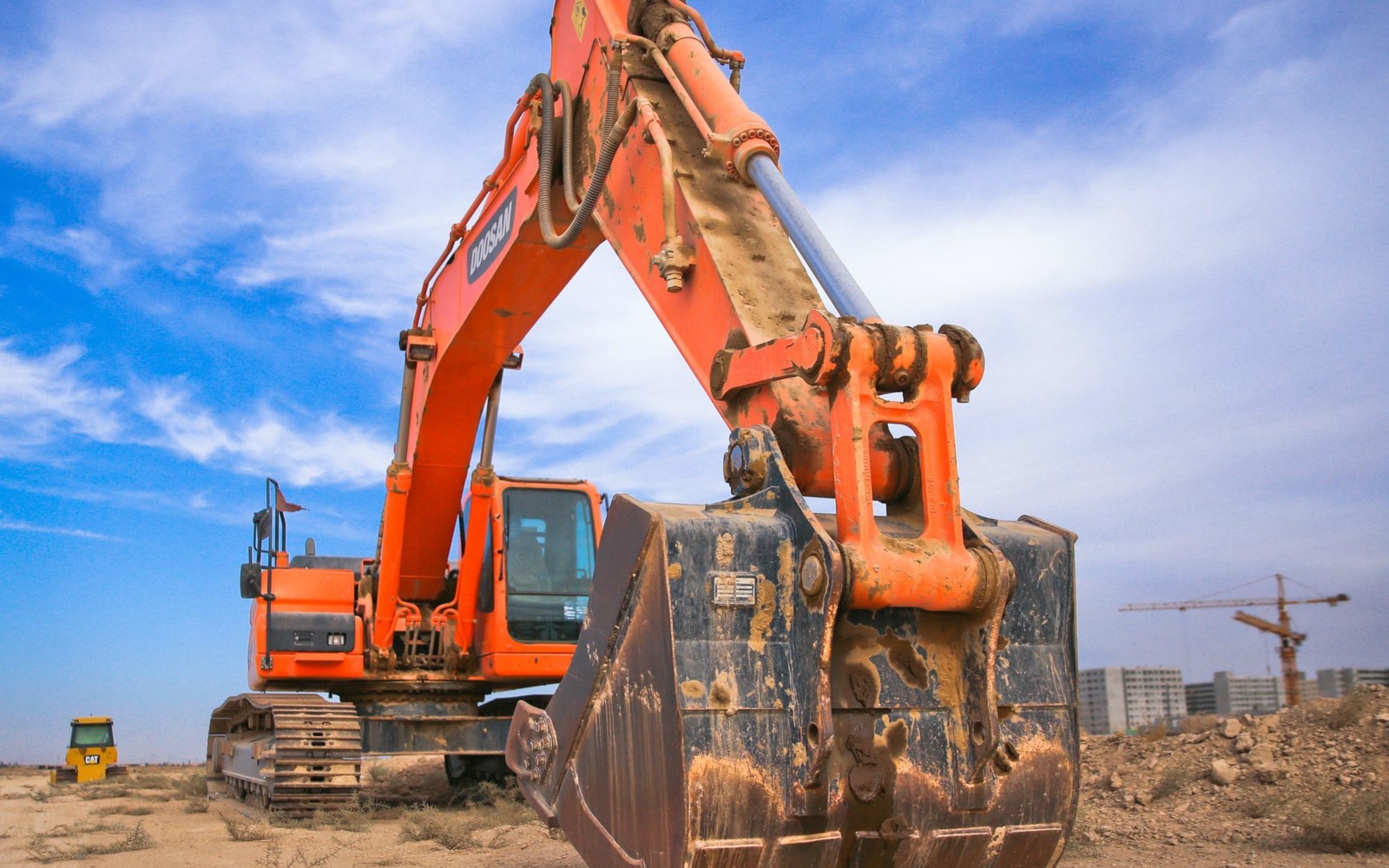
Buy a machine in December, put it into service, and deduct the full purchase price before the year closes. That is Section 179 in its simplest form. The IRS allows businesses to expense qualifying equipment rather than depreciate it over multiple years, which concentrates the tax benefit into the year of purchase. Combined with equipment financing, Section 179 lets you fund the machine and capture the deduction simultaneously. You may owe no money upfront on a machine that wipes out a significant chunk of your taxable income for the year.
We work with buyers who are actively using Section 179 as part of their year-end tax strategy. Understanding how the deduction works alongside equipment financing helps you time the purchase and structure the loan correctly. We are not your tax advisor and these details do not constitute tax advice, but we have arranged enough Section 179-related financing to walk through the mechanics clearly.
Section 179 of the Internal Revenue Code allows businesses to deduct the full cost of qualifying equipment in the year it is placed in service, rather than depreciating it over the asset's useful life. The deduction has an annual limit (which adjusts each year for inflation) and a phase-out threshold for businesses that purchase more than a specified total amount of equipment in a single year. Beyond those limits, the depreciation schedule resumes.
Qualifying property includes most tangible personal property used in business: machinery, computers, vehicles exceeding a weight threshold, and certain improvements to business real property. Most commercial equipment qualifies. Heavy construction equipment like excavators, wheel loaders, and bulldozers typically qualifies. Semi trucks and most commercial vehicles above 6,000 pounds GVWR qualify. Consult your tax advisor on the specific eligibility of the equipment you are purchasing.
The equipment must be placed in service during the tax year in which you claim the deduction. Ordering in November but not taking delivery and putting the machine to work until January means the deduction applies to next year, not this one. Timing matters.
Here is the combination that makes Section 179 especially powerful: you finance the equipment, make manageable monthly payments, and still get the full purchase price as a deduction in year one. You are deducting money you have not fully paid yet. The lender fronts the capital. The IRS reduces your tax bill. Your net cash outlay is lower than it would be without the deduction.
Example structure: a business finances $200,000 of qualifying equipment. With Section 179, the full $200,000 is deducted in year one. At a 30 percent effective tax rate, that is $60,000 in tax savings. Meanwhile the equipment loan payment runs, say, $3,800 per month over 60 months. The tax savings more than cover the first year of payments in many scenarios. The machine generates revenue. The payment is lower than the tax benefit. That is the logic buyers use when timing a year-end equipment purchase.
For construction contractors and manufacturers with significant taxable income in a strong year, the deduction can be a meaningful driver of what equipment gets purchased and when. We see a distinct uptick in financing applications in November and December for exactly this reason.
Not all financing structures allow you to claim Section 179. The critical requirement is that you are treated as the owner of the equipment for tax purposes. That means:
If Section 179 is a goal, make sure the financing structure you choose supports it. We specifically flag this when structuring a deal so you are not surprised at tax time. Choosing an operating lease for lower payments and then discovering you cannot take the deduction is an expensive mistake. See our capital lease versus operating lease page for a full comparison of the two structures.
Also worth noting: bonus depreciation is a related but separate provision that can also allow significant first-year expensing. In some years the percentage allowed under bonus depreciation has been higher than Section 179 on certain equipment. Running both options by your tax advisor before finalizing the structure is the right move.
Year-end equipment financing runs fast when buyers are motivated by the deduction deadline. December is our busiest month by volume. If you need the machine in service before December 31, plan for the financing application in November to give yourself adequate time. A deal submitted in mid-December may not close in time for the deduction if there are complications.
Standard deal timing for qualifying equipment: application to funded in one to two weeks on clean deals. Private party purchases or complex deals may take two to three weeks. If you are serious about a December closing, apply by November 20 to give yourself adequate runway.
Equipment that qualifies for Section 179 spans the full range of what we finance: CNC machines, forklifts, cranes, loaders, trucks, and more. Minimum deal size is $50,000. The deduction benefit scales with purchase price, so larger transactions often generate proportionally larger tax savings.
Year-end deals move fast. Tell us what equipment you want to acquire, the acquisition cost, and when you need it in service. We will structure the financing and get you funded before the deadline. Minimum $50,000. Apply now and a capital advisor reaches out same day.
These are the underwriting points the desk uses to turn the taxonomy page content into a real cash-out structure.
Machine value, payoff, lien position, hours or mileage, condition, and secondary-market demand.
$200,000. The available cash is based on verified value minus the existing payoff.
One to two weeks.
Working capital, down payments, debt cleanup, slow-season coverage, and project mobilization.
Yes, on an equipment loan or a capital lease. The deduction is available when you are the owner of the equipment for tax purposes. An operating lease does not qualify because the lender retains ownership.
The limit adjusts annually for inflation. Verify the current year limit with your tax advisor or at IRS.gov before planning your purchase. The limit applies per year, not per transaction, so multiple qualifying purchases in the same year count toward the same limit.
It qualifies if the equipment is placed in service before December 31. Placing in service means the machine is delivered and operational in your business. A machine on order but not yet received does not qualify for the current tax year.
Section 179 cannot create a net operating loss. The deduction is limited to your taxable income from active business. Unused amounts may be carried forward to future years. Bonus depreciation, by contrast, can create a net operating loss and carry backward or forward. Your tax advisor can clarify which provision applies to your situation.
No. Section 179 applies to the purchase and placement in service of new (to your business) equipment. Refinancing existing equipment that you already own and operate does not generate a new Section 179 deduction, though it can unlock cash or lower your payment.
Send the machine, payoff, and target cash-out amount. We will review the file and come back with rate, term, payment, and net proceeds.
Tell us what you are buying, who is selling it, and when you need it earning. We will review the file and point you to the next step.