Collateral Reviewed
Revenue-producing equipment already working in the operation, with payoff and current value documented.

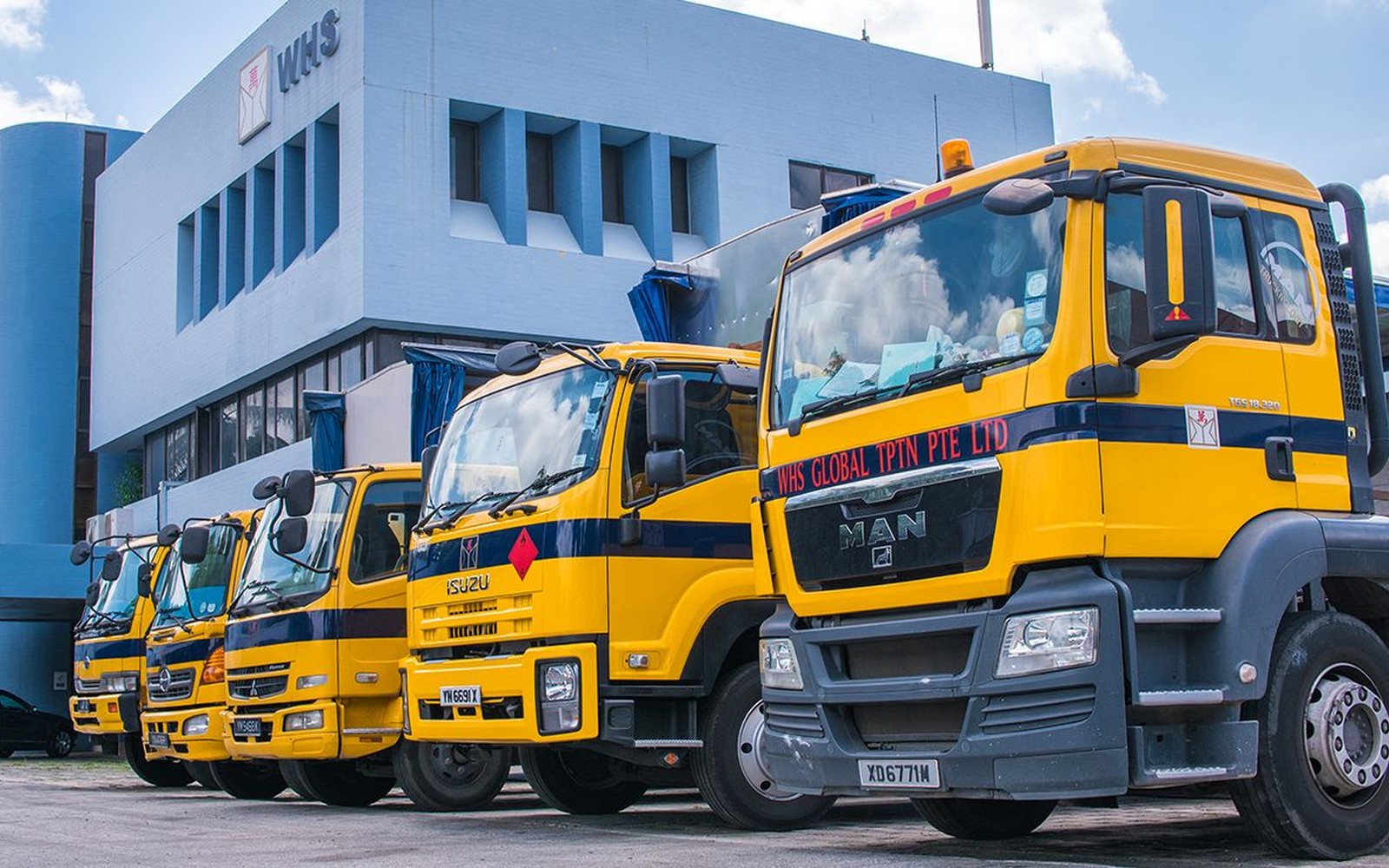
Warehousing and logistics operations run on equipment that holds value long after the original purchase. Forklifts, reach stackers, dock equipment, and fleet vehicles paid down over two or three years carry equity that most operators leave sitting idle. That is capital you could be using.
Cash-out equipment refinancing turns equipment equity into growth capital for logistics operators without disrupting operations. The lift keeps running. The reach stacker keeps stacking. Cash goes into the operating account or toward the next facility expansion.
Minimum transaction is $50,000. Most logistics and warehousing operators we work with fall costing on the order of $100k to $400k. Application-only processing handles the majority of transactions in that range. Funding timeline is one to two weeks from a complete file.
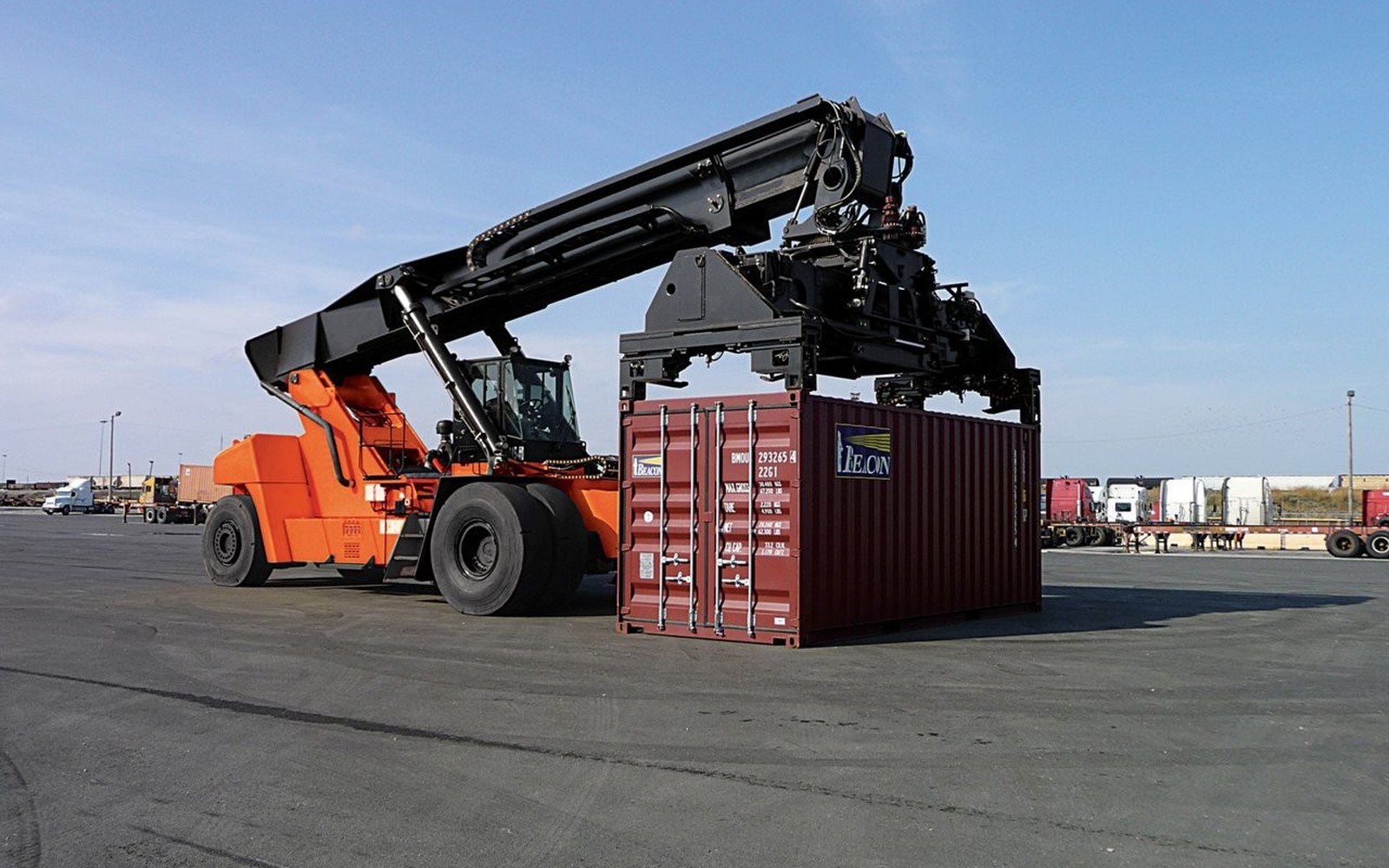
The equipment list inside a distribution center or intermodal yard is diverse. Most of it qualifies for refinancing or sale-leaseback financing.
Used equipment is not a barrier. Older forklifts and reach stackers in good mechanical condition with documented service records often have meaningful remaining value as collateral.
Distribution and logistics companies face capital demands tied to facility growth, contract wins, and seasonal volume spikes. Adding a new shift, fitting out additional dock doors, or absorbing a large customer's distribution volume all require capital that may not be sitting in the operating account when the opportunity appears.
Equipment equity is a fast, clean source of that capital. It does not require a facility refinancing, does not dilute ownership, and does not depend on the profitability of the current period. A slow Q3 does not stop the transaction as long as the asset supports it and cash flow shows through the bank statements.
Logistics operators in inland port communities like Ontario, California, Memphis, and Kansas City run large fleets and significant warehouse equipment inventories that provide multiple sources of refinanceable collateral.
Equipment sale-leaseback is particularly well-suited to logistics operators because the operating model is already lease-friendly. Many distribution companies lease their warehouse space and are comfortable with the concept of leasing the equipment rather than owning it outright.
Under a sale-leaseback, the logistics company sells the forklift fleet or the reach stacker or the delivery vehicles to a lender at market value, receives cash at closing, and leases the equipment back under a structured monthly payment. The equipment stays in service. The cash goes to work immediately.
This structure also has off-balance-sheet treatment options depending on the accounting approach, which matters for companies that are reporting to investors or managing covenant ratios on other debt. A transaction structured correctly can improve certain financial ratios while generating liquidity.
Forklift and reach stacker refinancing typically runs in the two-to-five-year range depending on asset type and age. Younger, lower-hour equipment qualifies for longer terms. Older equipment may be capped at shorter terms based on expected remaining useful life.
Loan-to-value ratios vary by asset class. Forklifts generally support loan amounts up to 70 to 75 percent of fair market value. Reach stackers can carry similar or slightly higher ratios given their specialized nature and limited secondary market. Delivery vehicles are typically financed to 70 to 80 percent of book-to-market value.
Rate factors depend on credit profile and term. We do not publish rate tables because rates move with the market, but we give you a real number on every application, not a range. For operators with B or C credit, the B/C credit equipment financing program provides structured access regardless of score.
Give us your equipment list, approximate values and payoffs, and what you need the capital for. We will structure a transaction and come back with real numbers the same day you apply.
These are the underwriting points the desk uses to turn the taxonomy page content into a real cash-out structure.
Revenue-producing equipment already working in the operation, with payoff and current value documented.
$50. The available cash is based on verified value minus the existing payoff.
One to two weeks.
The equipment list inside a distribution center or intermodal yard is diverse.
Electric forklifts qualify. Battery condition is part of the valuation because the battery pack is a significant component of the machine's value. Well-maintained batteries in good state of health support the valuation. We factor battery age and condition into our assessment.
Yes. Leased equipment is not your asset to refinance, but owned equipment with equity is fully eligible regardless of what else in the facility is on a lease. We look at the owned units in isolation.
Specialized equipment with limited secondary market comps is valued through a combination of dealer quotes, auction history for comparable units, and manufacturer guidance on residual values. The smaller the secondary market, the more conservative we may be in the loan-to-value calculation, but that does not mean the equipment cannot be used as collateral.
Yes. Proceeds from equipment refinancing are unrestricted. Using equipment equity to fund leasehold improvements, racking installations, or dock expansion is a common and completely acceptable use of the proceeds.
Business age matters in underwriting but is not a hard cutoff. A two-year-old business with demonstrable revenue, consistent bank deposits, and solid equipment collateral can still qualify. Younger businesses may see different terms than established operators, but the door is not closed.
Send the machine, payoff, and target cash-out amount. We will review the file and come back with rate, term, payment, and net proceeds.
Tell us what you are buying, who is selling it, and when you need it earning. We will review the file and point you to the next step.