Collateral Reviewed
Forklift Refinancing value, payoff, age, hours or mileage, attachments, condition, and remaining useful life.

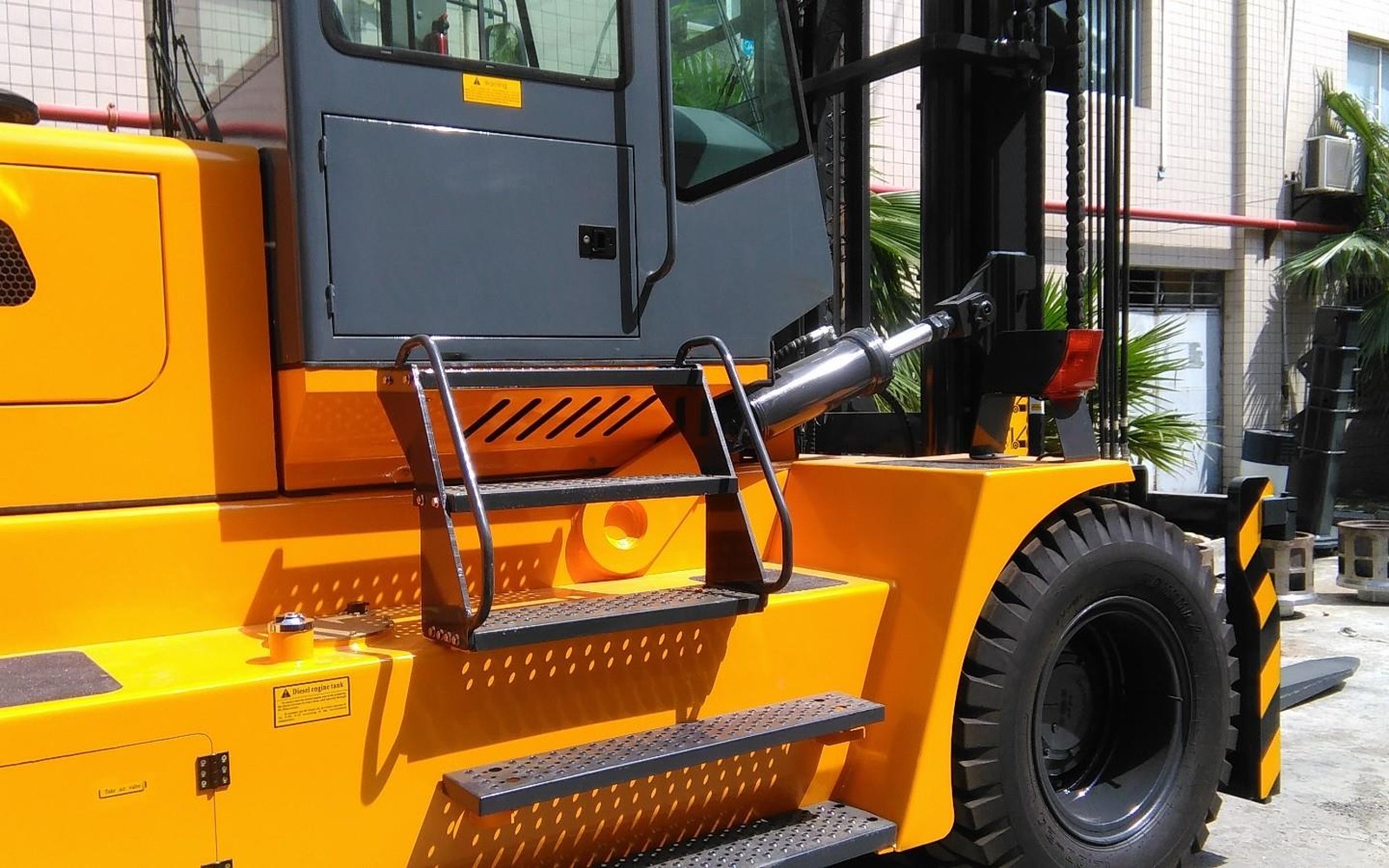
Forklift fleets generate consistent revenue and consistent equity accumulation. A distribution center, warehouse, or manufacturing facility that owns its lift fleet rather than leasing from a dealer has real assets on the floor, and those assets can serve as the basis for a cash-out refinance that sends capital into the business without selling a single truck.
Forklift refinancing works best at the fleet level because individual units at lower price points often need to be bundled to reach the $50,000 transaction minimum. A fleet of four to ten forklifts in an active warehouse setting typically supports a meaningful capital pull. We evaluate the fleet as a package, clear any existing liens, and wire the equity to your operating account.
The forklift refinancing market is concentrated in warehouse and distribution operations, but manufacturing and port facilities are also active borrowers. Common profiles:
Forklift type has a significant effect on the refinancing outcome. Electric forklifts and internal combustion units appraise differently, have different remaining life profiles, and attract different advance rates.
Internal combustion forklifts (propane, gasoline, diesel) in the 5,000 to 30,000 pound capacity range are the most widely traded and lenders know their book values precisely. A well-maintained 7,000-pound LP forklift with reasonable engine hours is a straightforward refinancing asset.
Electric forklifts carry additional variables related to battery condition and replacement cost. A reach truck or counterbalanced electric lift with a depleted battery that needs replacement is worth substantially less than the same machine with a full-service battery. Battery condition should be assessed before applying. Recent battery replacements should be documented with invoices.
Other key appraisal factors:
Lenders who specialize in warehouse equipment know these factors well and move through the evaluation quickly when documentation is organized.
Forklift fleet refinancing typically uses the application-only financing structure because most fleet transactions fall below the $400,000 threshold. For large port-type or heavy-capacity fleet transactions, full financials may be required. Most warehouse and distribution fleet deals stay within the application-only range.
What to prepare:
We work with B and C credit on fleet refinancing. An operator with strong monthly deposits and a solid fleet under management often qualifies even with a credit profile that shows prior stress. The B/C credit equipment financing track is available and evaluates the business holistically.
These are the underwriting points the desk uses to turn the taxonomy page content into a real cash-out structure.
Forklift Refinancing value, payoff, age, hours or mileage, attachments, condition, and remaining useful life.
$50,000. The available cash is based on verified value minus the existing payoff.
1-2 weeks.
Working capital, down payments, debt cleanup, slow-season coverage, and project mobilization.
Enough units to support the $50,000 minimum transaction. A single high-value forklift like a large-capacity reach stacker may qualify on its own. For standard warehouse sit-down units, typically three to five units support the minimum depending on value. Larger fleets of 10 to 50 units are our most common forklift refinancing transactions.
If the batteries are near the end of useful life, replacing them before the appraisal adds more value than the replacement cost in most cases. A depleted battery set can reduce a forklift's appraised value by 20 to 30 percent. If replacement is not feasible, disclose the battery condition and we will work with the appraisal as-is.
This depends on the lease structure and who retains ownership. If the forklifts are owned by your entity and leased to a tenant under a short-term or at-will arrangement, it typically qualifies. Long-term finance leases that transfer effective ownership to the tenant are different and require more documentation.
No. Mixed fleets are common in warehouse operations. Each unit is appraised individually and the combined advance is structured against the total fleet value. We regularly handle fleets with machines from five different years and three different manufacturers.
Yes. Proceeds from a cash-out refinance have no use restrictions. A security deposit on a new facility, working capital, equipment additions, or any business purpose is an accepted deployment of the capital received at closing.
Submit your fleet list with make, model, serial number, and hours for each unit, along with your current payoffs and three months of bank statements. We evaluate the fleet, build a term sheet, and put a real advance amount in front of you. Most fleet deals close in about two weeks. Start the quote today.
Tell us what you are buying, who is selling it, and when you need it earning. We will review the file and point you to the next step.