Collateral Reviewed
Machine value, payoff, lien position, hours or mileage, condition, and secondary-market demand.

You bought the machine, paid it down, and now the equity sits there doing exactly nothing. Cash-out equipment refinancing converts that dead equity into capital you can spend. The new loan pays off whatever you still owe, and the difference between the new loan amount and the old payoff lands in your bank account. The machine stays in your yard. You keep operating. The cash goes wherever you need it most.
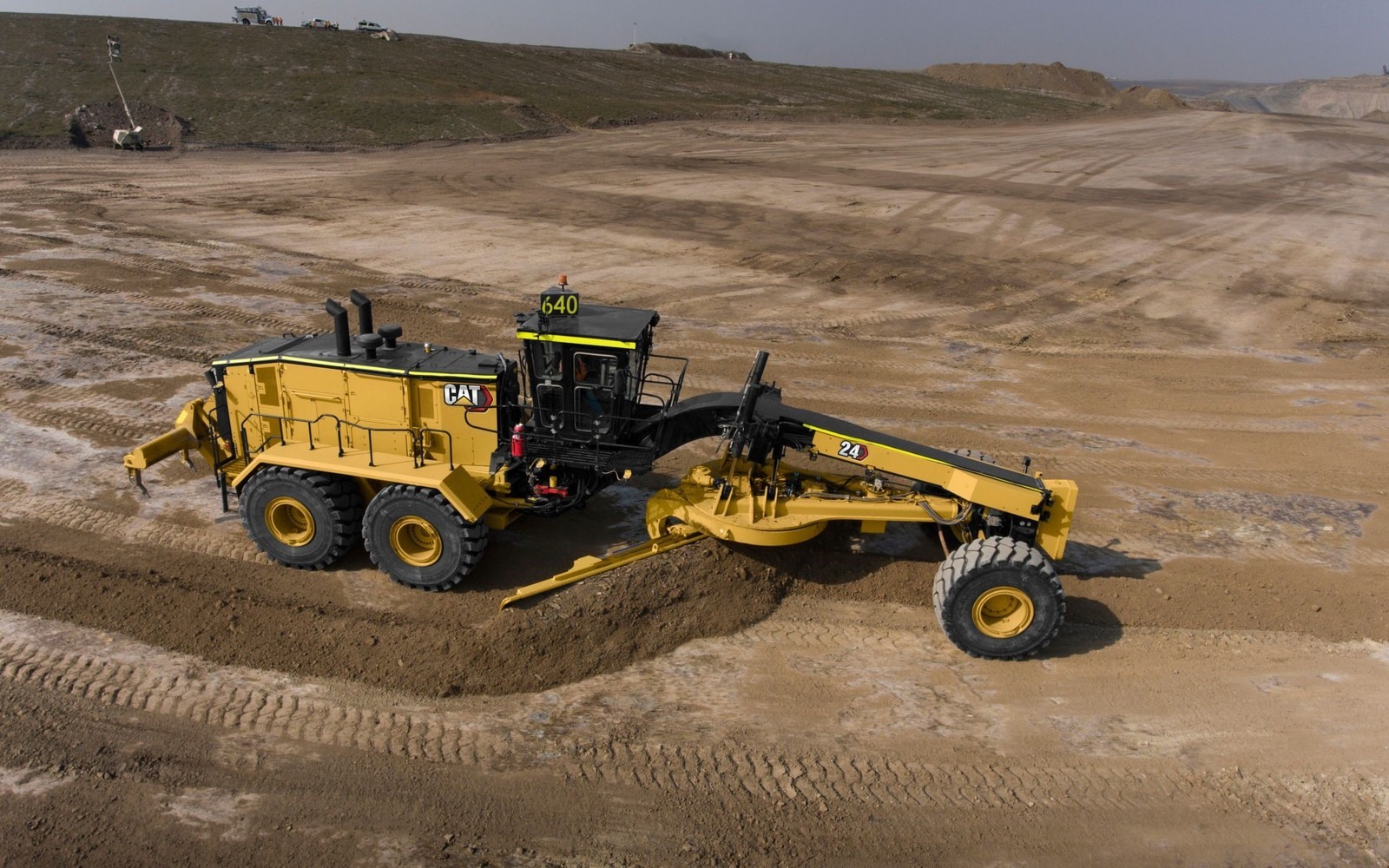
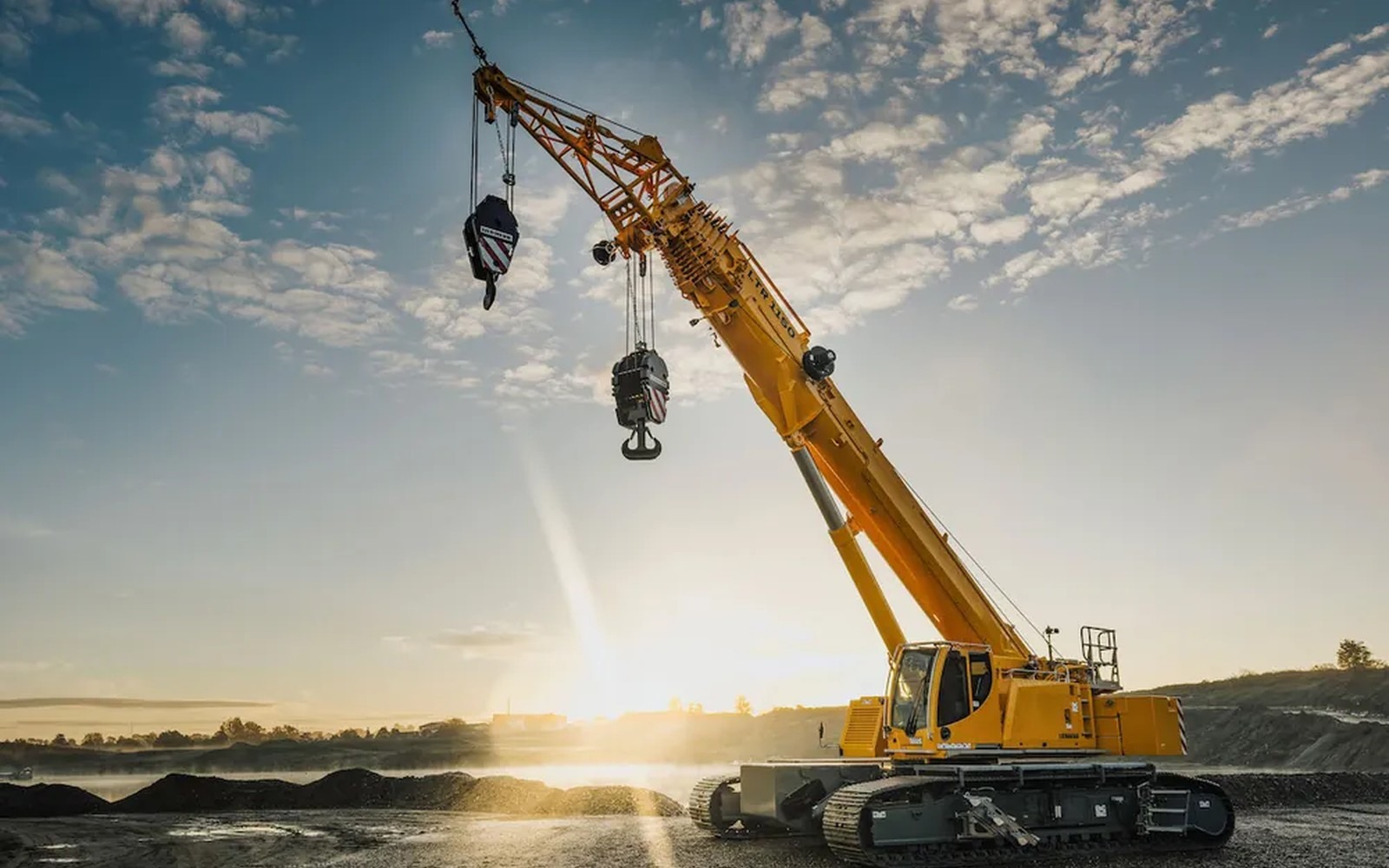
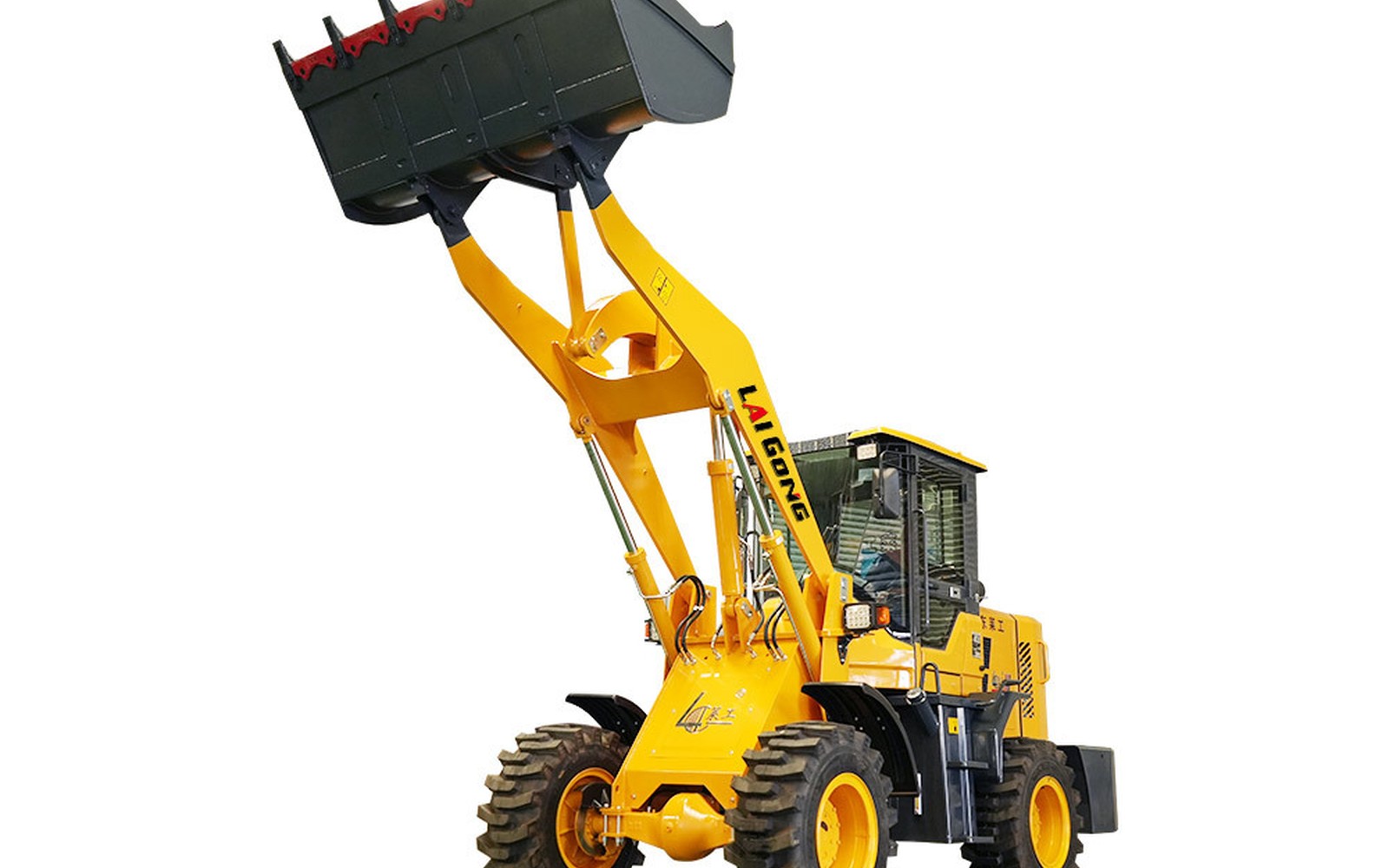
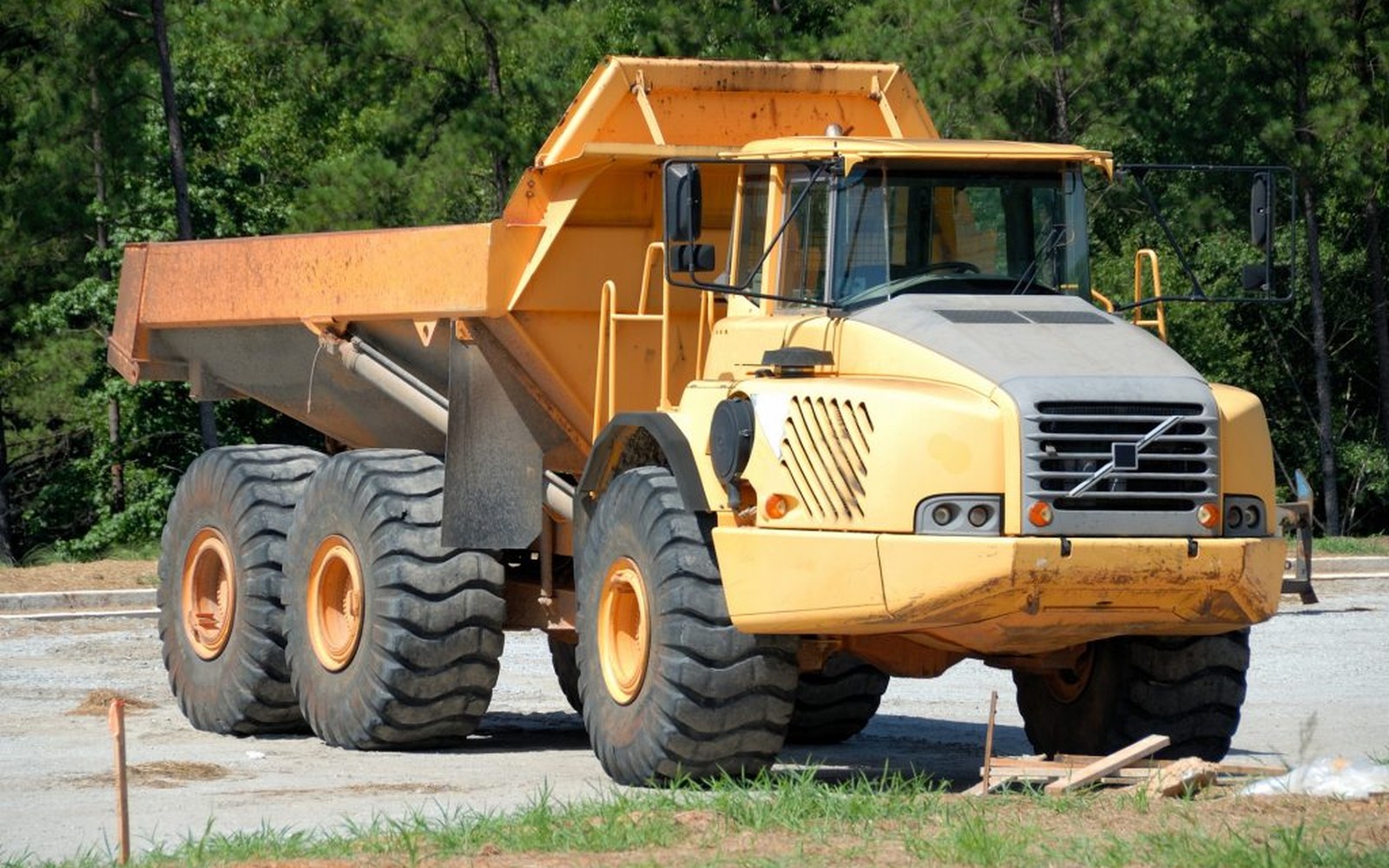
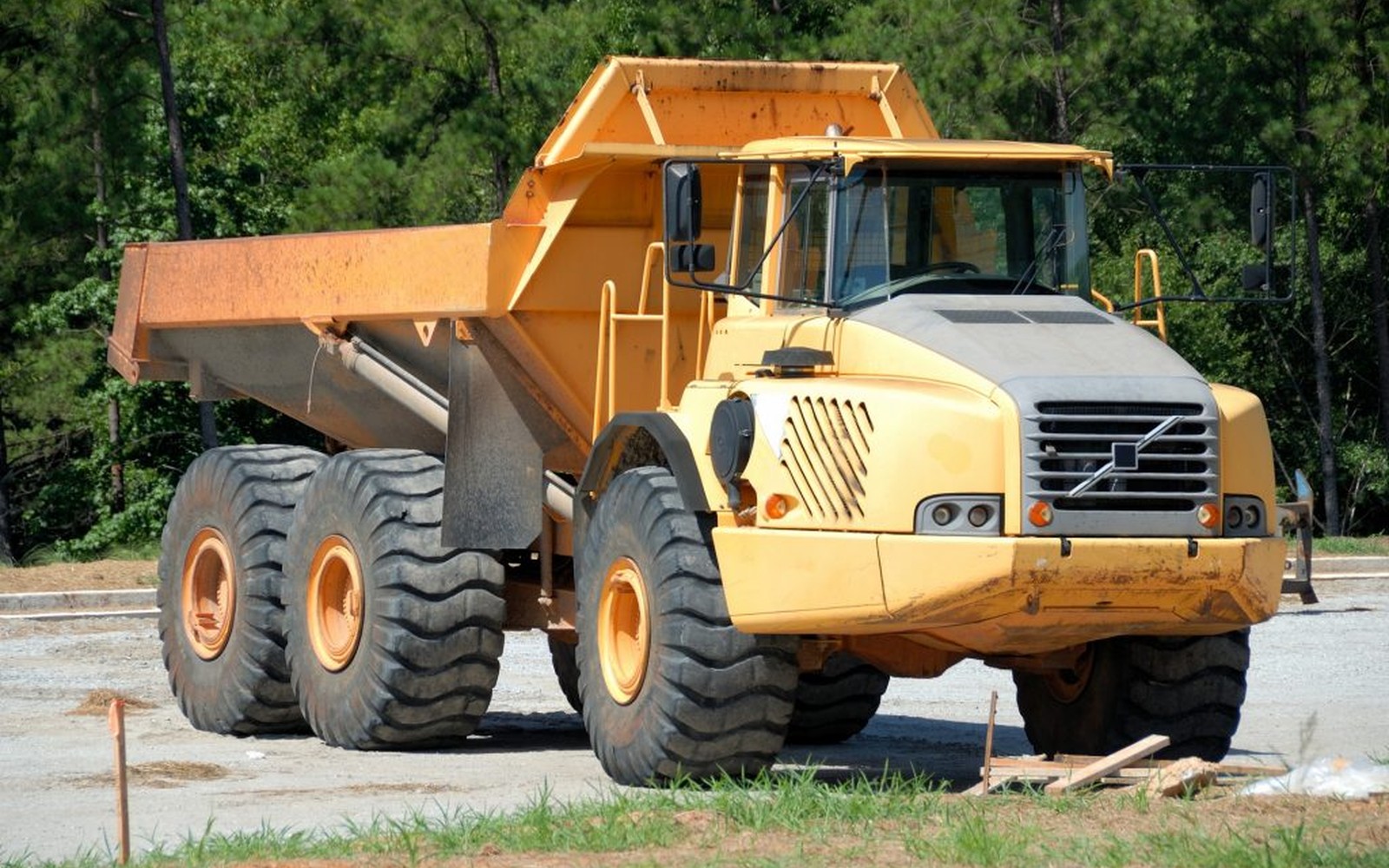
This is not a second lien or a separate loan against a separate asset. It is one clean transaction against the equipment you already own. We do this across the full range of heavy iron: excavators, cranes, loaders, dump trucks, semi tractors, and more. Minimum deal is $50,000. Most cash-out transactions we close run from $100,000 to several hundred thousand dollars.
The first thing any lender asks is: what is the machine actually worth? Appraisal methods vary. For widely traded equipment like wheel loaders and skid steers, published market data is usually sufficient. For specialty iron, we may order a formal appraisal or reference dealer invoices from recent comparable sales. Hours, condition, attachments, and regional demand all affect the number.
From there the lender sets a maximum loan-to-value. That ratio determines the ceiling on how much they will lend. Subtract your current payoff from the maximum loan amount, and the rest is your potential cash out. Older or more obscure equipment often lands at a lower LTV. Newer iron with wide secondary market demand gets the best ratio.
The equity calculation matters more than the credit score in a lot of these transactions. A machine with strong value and a low payoff can clear even in credit situations that look challenging on paper. Construction contractors sitting on a fully paid or nearly paid machine often have more borrowing power than they realize.
The cash-out proceeds are unrestricted. You do not have to tell the lender what you plan to do with the money. Common uses we see:
Trucking operators often pull equity out of a paid-off tractor to buy a second unit without going back to a dealer's financing arm. Excavation crews use the cash to take on bigger contracts that require more mobilization capital. The point is that you decide where the capital goes, not us.
Here is the sequence from application to funded:
Most transactions fund within one to two weeks. Deals under $400,000 typically qualify for application-only review. That means we do not need tax returns or full financial statements unless something in the file is unusual. Three months of business bank statements carries most files to approval. Larger or more complex deals may take a few extra days.
Rate on a cash-out refinance depends on credit quality, collateral value, loan-to-value ratio, and term. Cash-out transactions occasionally price slightly higher than a straight rate-and-term refinance because the loan amount is larger relative to the underlying asset. That spread is usually small. The bigger factor is credit quality and whether the equipment has a strong secondary market.
We also consider B and C credit borrowers. A lower credit score raises the rate but does not automatically kill the deal. If the equity is real and the business generates revenue, there is usually a path to funding.
There are no prepayment penalties on most of the loans we place, so if cash flow improves and you want to pay the loan off early, that option is typically available. Ask about the specific terms on your deal before signing.
Both products put cash in your hands using existing equipment as the vehicle. The difference is ownership. A cash-out refi keeps you as the owner with a new lien. A Equipment Sale-Leaseback transfers the title to the lender, who then leases the machine back to you. You lose ownership but gain the full current market value as cash, not just the equity above the payoff.
If you owe close to what the machine is worth, a leaseback often generates more proceeds than a refinance. If you have substantial equity and want to keep the asset on your books, the cash-out refi is the better path. We run the math on both scenarios before you decide. The goal is the maximum capital out, not the product we prefer to sell.
These are the underwriting points the desk uses to turn the taxonomy page content into a real cash-out structure.
Machine value, payoff, lien position, hours or mileage, condition, and secondary-market demand.
$50. The available cash is based on verified value minus the existing payoff.
One to two weeks.
The cash-out proceeds are unrestricted.
Yes, provided the machine is worth more than you owe. The new loan pays off the old balance, and the excess comes to you. The larger the equity gap, the more cash you can extract.
No. The proceeds are unrestricted. You can use them to buy another machine, cover operating costs, pay down other debt, or invest in the business however you see fit.
No. It just needs enough equity above the current payoff to support the new loan amount. We see plenty of machines with $40,000 to $80,000 in existing balances still generate meaningful cash-out proceeds.
The new lender pays off the existing loan directly at closing. You do not have to coordinate with your old lender yourself. The payoff is handled as part of the closing process.
Possibly. We work with B and C credit borrowers regularly. Strong collateral and business revenue can offset a lower score. The deal is more about the equity in the machine than the number on your credit report.
You do not need a formal appraisal to apply. Give us the year, make, model, and hours or mileage. We will run the comps and come back with a value range as part of reviewing your file.
Send us the equipment details, what you owe, and your bank statements. We will come back with a real equity number and a funding range, not a vague estimate. Minimum $50,000. Funding in one to two weeks. A capital advisor will reach out same day you apply.
Tell us what you are buying, who is selling it, and when you need it earning. We will review the file and point you to the next step.