Collateral Reviewed
Machine value, payoff, lien position, hours or mileage, condition, and secondary-market demand.

Six hundred and forty on the credit score. Not great, not terrible. Banks say no anyway. That is the B and C credit reality for a lot of equipment buyers. The score is not catastrophic. The business is real. The machine they need has a clear market value. But the bank's automated decisioning tool rejects the file before anyone reads it. That is where we come in.
B credit typically runs from the mid-600s down to around 620. C credit runs from roughly 620 down to 580. Below that is the territory our bad credit equipment financing program covers. All three tiers are fundable at the right lender. The rates are higher than prime credit. The down payment requirements are more substantial. But the transaction closes, the machine arrives, and the business moves forward.
B and C credit lenders are not just the same as bank lenders with a lower score cutoff. They underwrite differently. They weight collateral more heavily, they read bank statements more carefully, and they care less about clean ratios and more about whether the business is actually generating revenue and paying its bills. Here is what moves the needle in a B/C file:
The combination of those factors builds a file. Missing one or two does not kill the deal. Missing most of them does. We have seen deals where a 610 credit score with a strong two-year bank history and a 25 percent down payment on a popular equipment type funded without issue. The file told a story the lender could say yes to.
B credit rates in equipment finance typically run one to four percentage points above prime credit rates on the same collateral and term. C credit rates run wider. Exact pricing depends on the lender, the equipment type, the term, and the strength of the file outside the credit score. We shop multiple lenders on every B/C deal because there is real spread across the market in this tier.
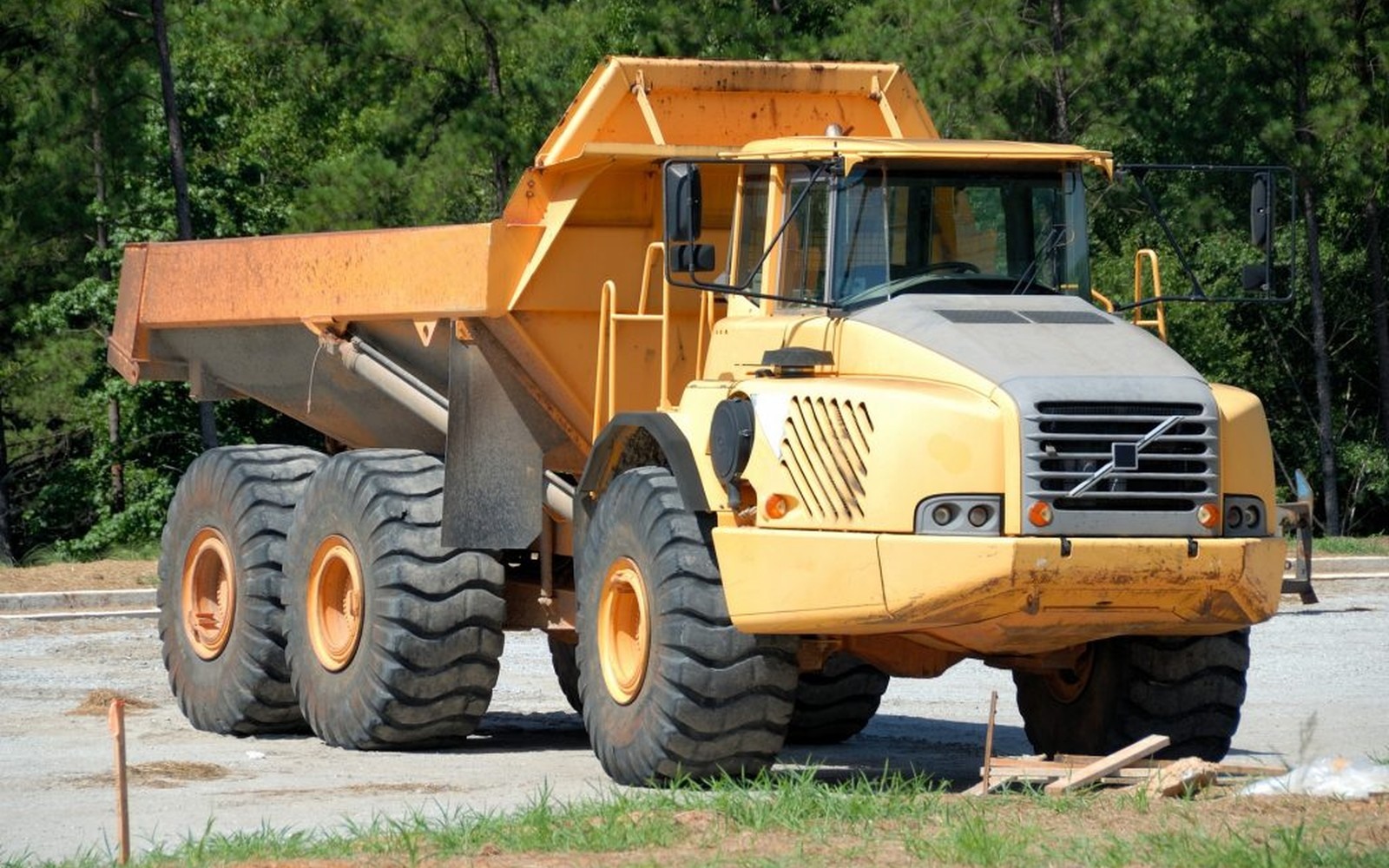
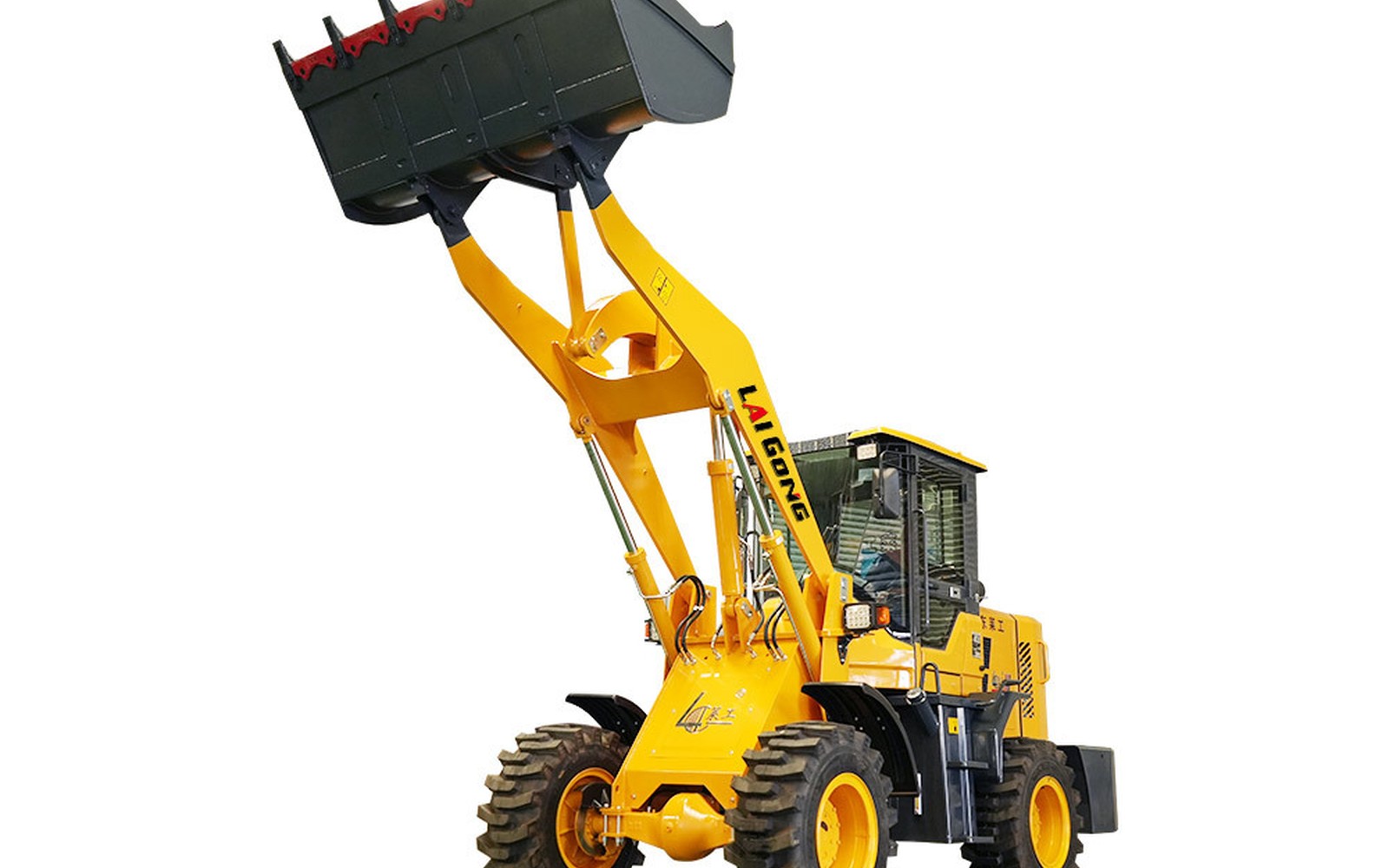
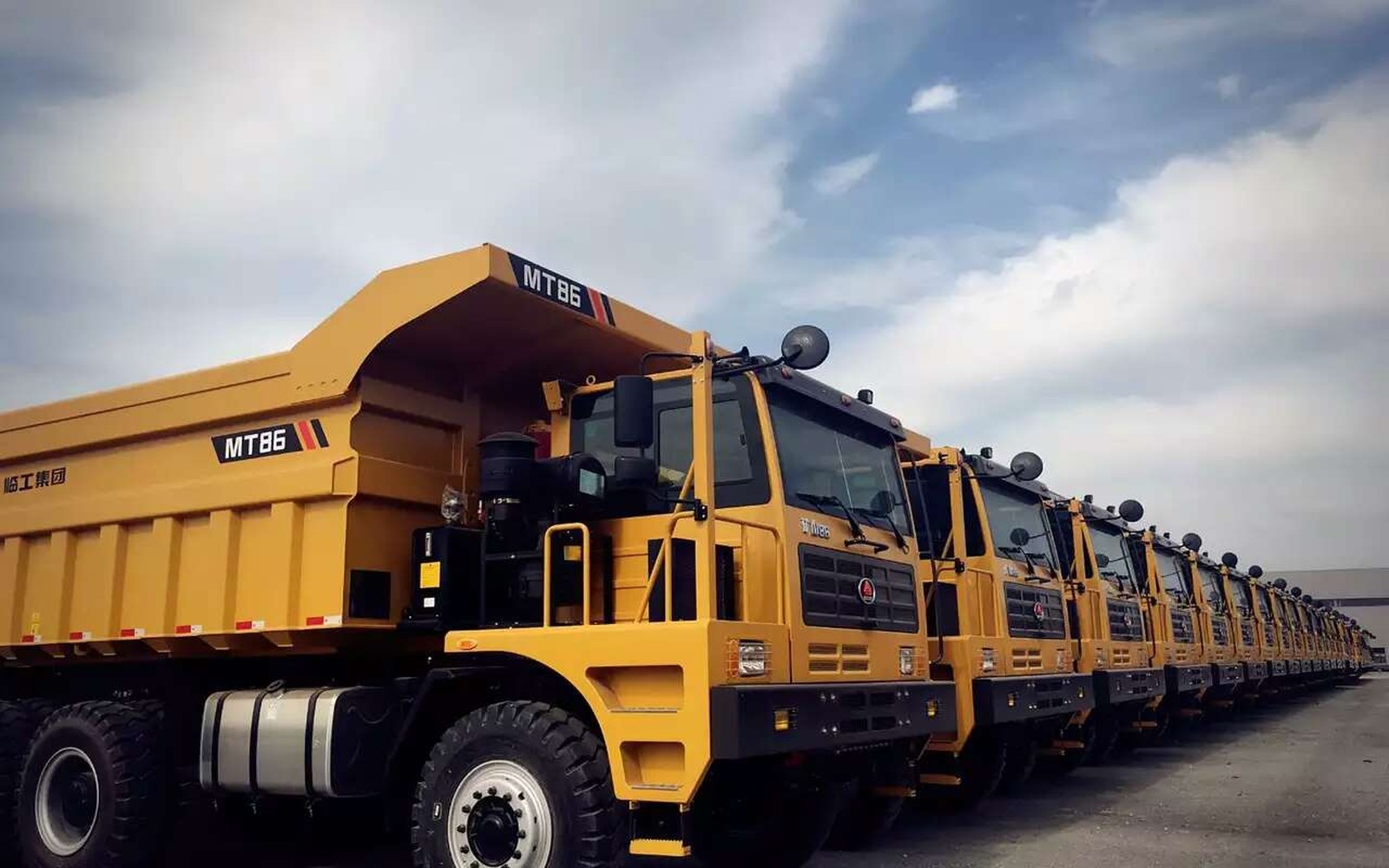
Terms in this credit band usually run 36 to 60 months. Some lenders will extend to 72 on strong equipment with very clean collateral. Shorter terms reduce the lender's risk exposure, which is why you see them more in this tier. A 48-month term on a wheel loader or a dump truck is common. We will structure the deal to the most competitive terms your file supports.
The most common borrowers in the B/C tier are contractors and operators who built their businesses quickly, moved fast on equipment, and carried debt aggressively. Business credit can take hits in that environment. A 90-day late from a slow-pay client that cascaded into a missed payment shows up on the report even when the business is otherwise healthy. A closed prior venture or a personal event that spilled into credit can create the same kind of file.
Excavation and site work contractors are heavily represented in this segment because the business is capital-intensive and margins are thin in the first few years. Trucking operators who expanded too fast and had a lean year also show up in this tier regularly. Both types of businesses often have much stronger actual operations than their credit scores suggest.
We have also funded concrete and paving contractors with mid-600s scores who needed concrete mixer trucks or pavers to take on larger commercial jobs. The equipment itself often has enough secondary market demand to make the deal work despite the credit tier.
B and C credit deals typically take the same one to two week timeframe as standard deals. The underwriting is more deliberate, but it is not dramatically slower. The main delay in this tier is usually documentation. A lender who wants to see more than three months of bank statements adds time. Some B/C lenders ask for six months of statements and one year of business tax returns. We flag that upfront so you can have the documents ready before the lender asks.
For deals under $400,000 that fall in the B credit range, we still pursue the application-only path first. Some application-only lenders extend into the upper B credit tier. If that path is not available for your specific file, we move to full-doc quickly rather than wasting time on a path that will not work.
These are the underwriting points the desk uses to turn the taxonomy page content into a real cash-out structure.
Machine value, payoff, lien position, hours or mileage, condition, and secondary-market demand.
$400,000. The available cash is based on verified value minus the existing payoff.
One to two weeks.
The most common borrowers in the B/C tier are contractors and operators who built their businesses quickly, moved fast on equipment, and carried debt aggressively.
In equipment lending, 645 typically falls in the B credit tier. Exact cutoffs vary by lender. We will tell you specifically what tier your file falls in and which programs are available when you apply.
Yes, meaningfully so. A larger down payment reduces the lender's loan-to-value exposure, which is often the biggest concern in B/C credit deals. Putting 25 to 30 percent down instead of 10 percent can unlock a lower rate and better term on the same credit profile.
Yes. Used equipment adds collateral age and condition as a second variable, but B/C programs exist for pre-owned iron. The combination of B/C credit and older used equipment will require a stronger down payment and more careful collateral documentation, but it is fundable.
You can refinance the loan once your credit score recovers. If you take out a B/C credit loan today and your score moves into the A tier in 18 months, a refinance at that point will likely get you a meaningfully lower rate on the remaining balance.
Construction, excavation, trucking, and concrete work make up the majority of our B/C credit transactions. These are capital-intensive trades where good operators often build a track record before building a pristine credit history.
B and C credit is what we work with every day. Submit your application, tell us what you need to buy or refinance, and we will find the best available terms on your actual file. Minimum $50,000. Funding in one to two weeks. Apply now and a capital advisor calls you same day.
Tell us what you are buying, who is selling it, and when you need it earning. We will review the file and point you to the next step.