Collateral Reviewed
Machine value, payoff, lien position, hours or mileage, condition, and secondary-market demand.

Full market value for a machine you are still running. That is the sale-leaseback in one sentence. The finance company purchases the equipment at current market value, then leases the same asset back to your operation. You get a lump sum of cash. The machine never leaves the yard. You keep operating under a lease agreement instead of a loan. It is one of the fastest ways to convert iron into capital without selling the asset in the traditional sense.
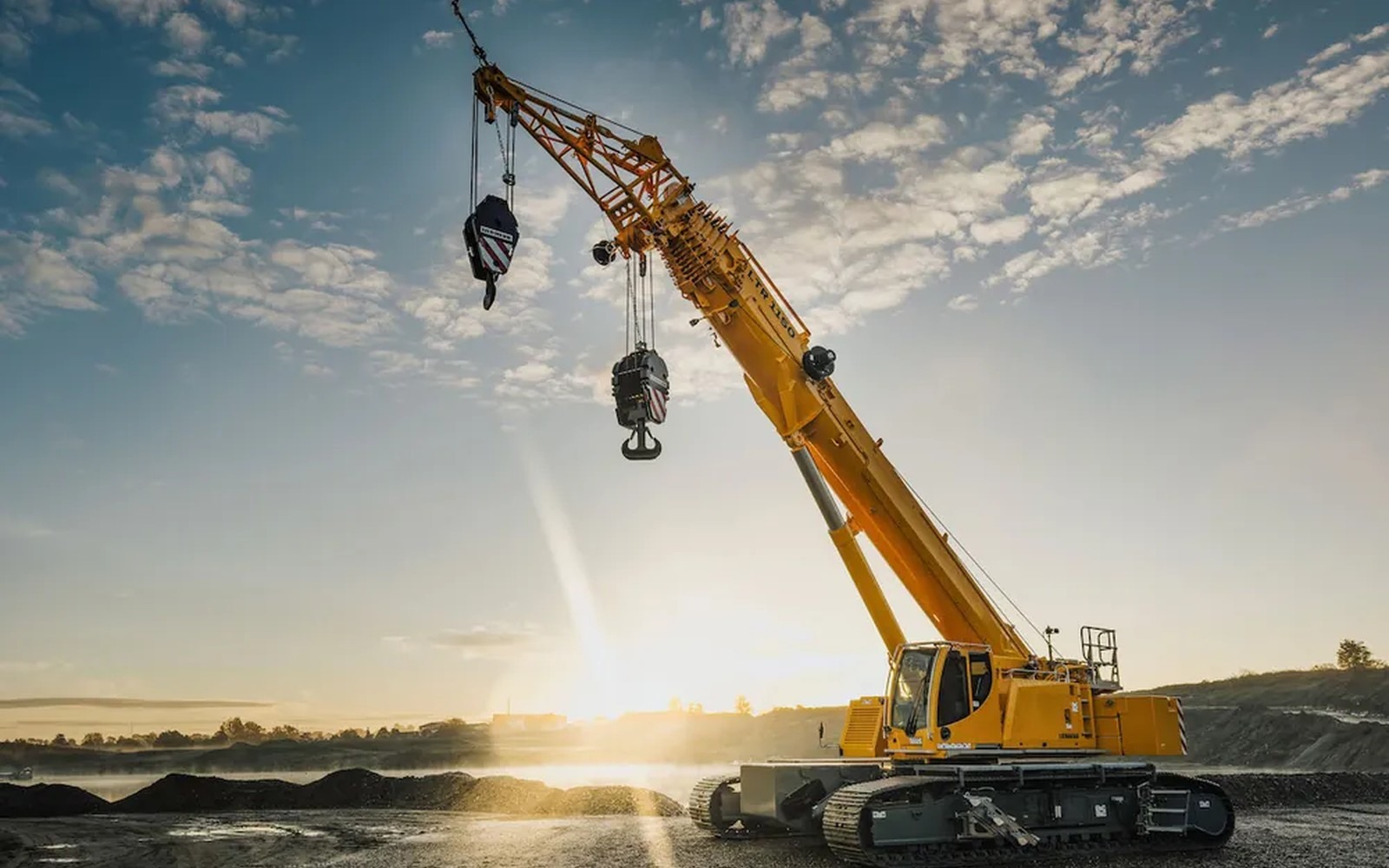
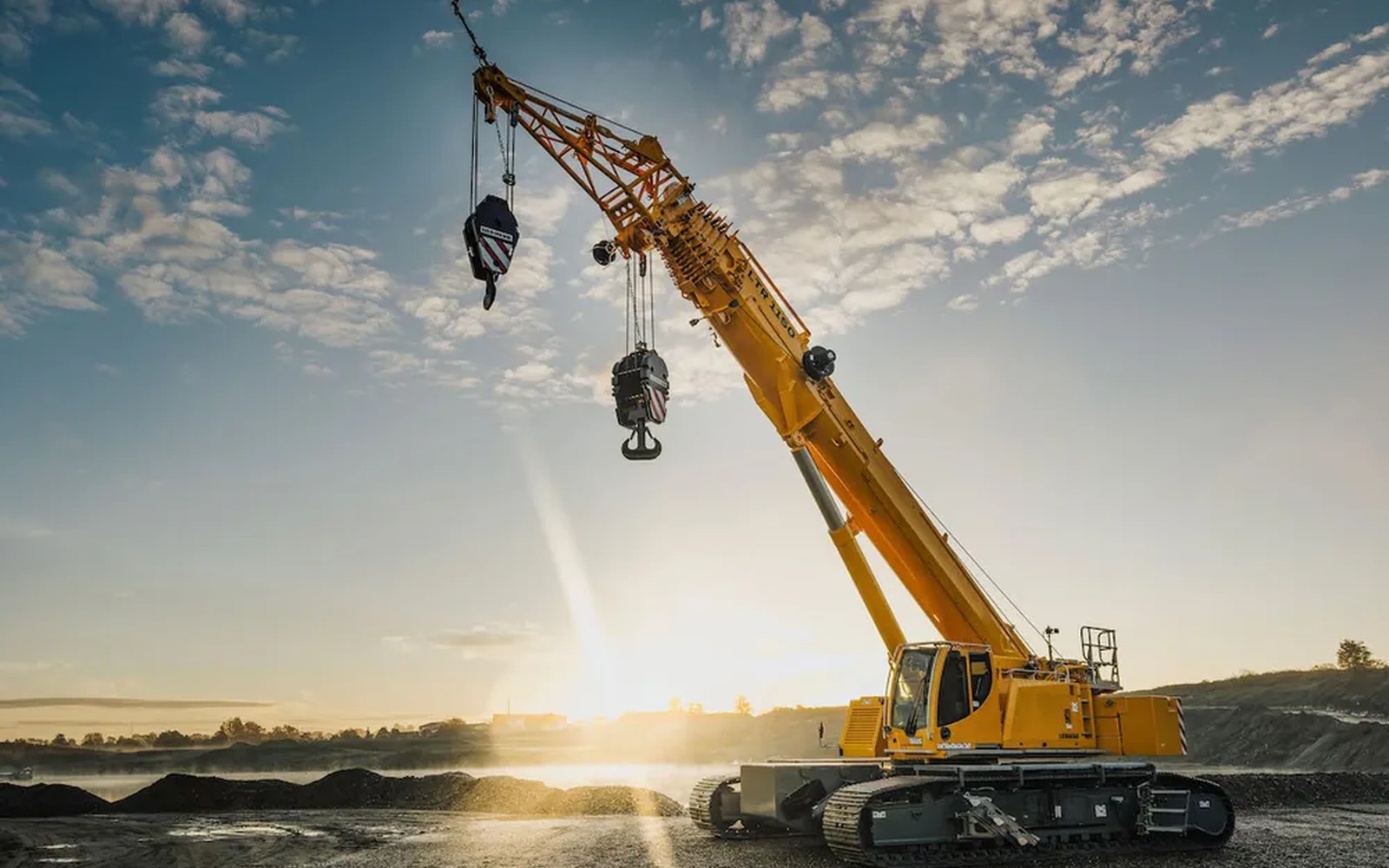
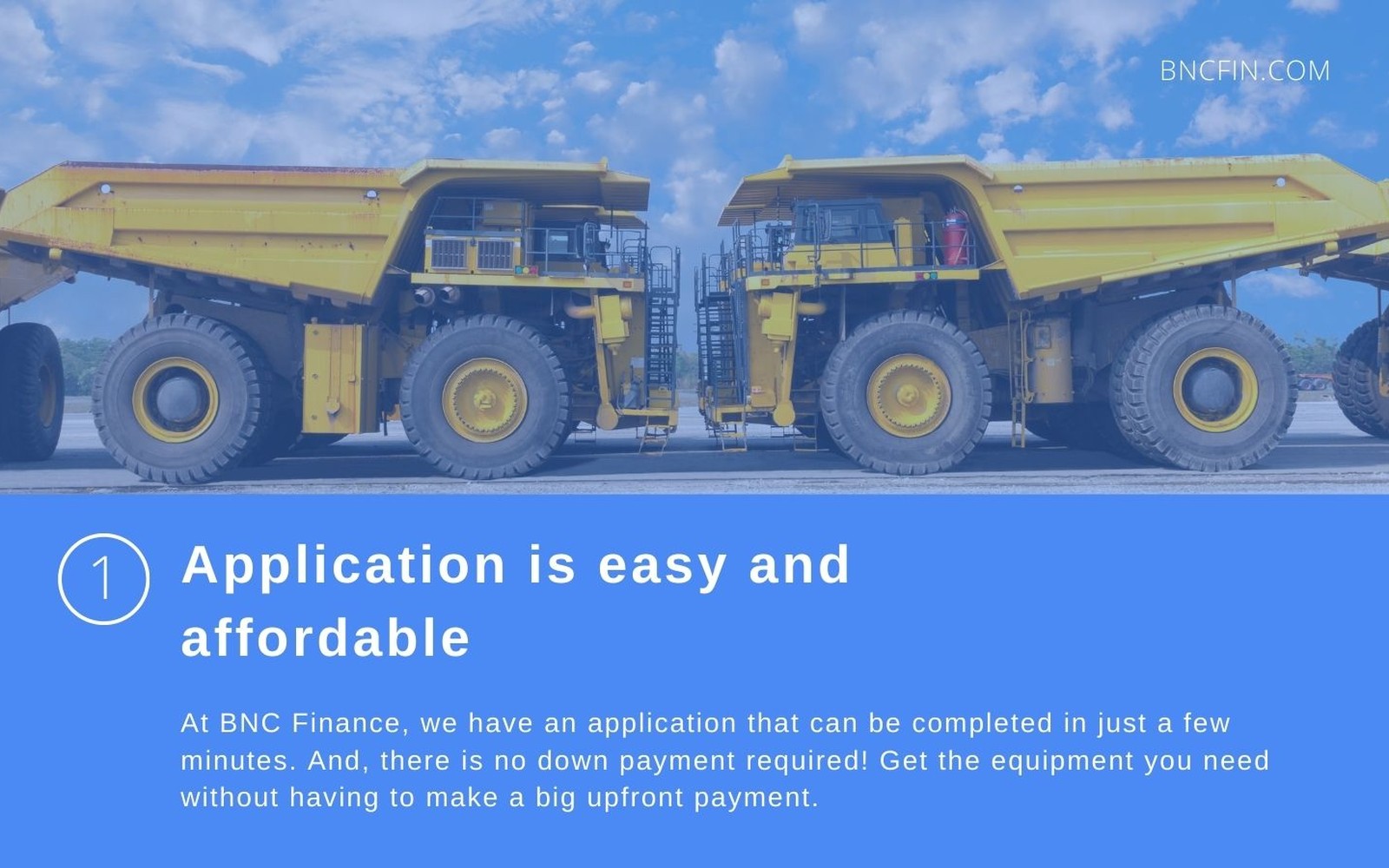
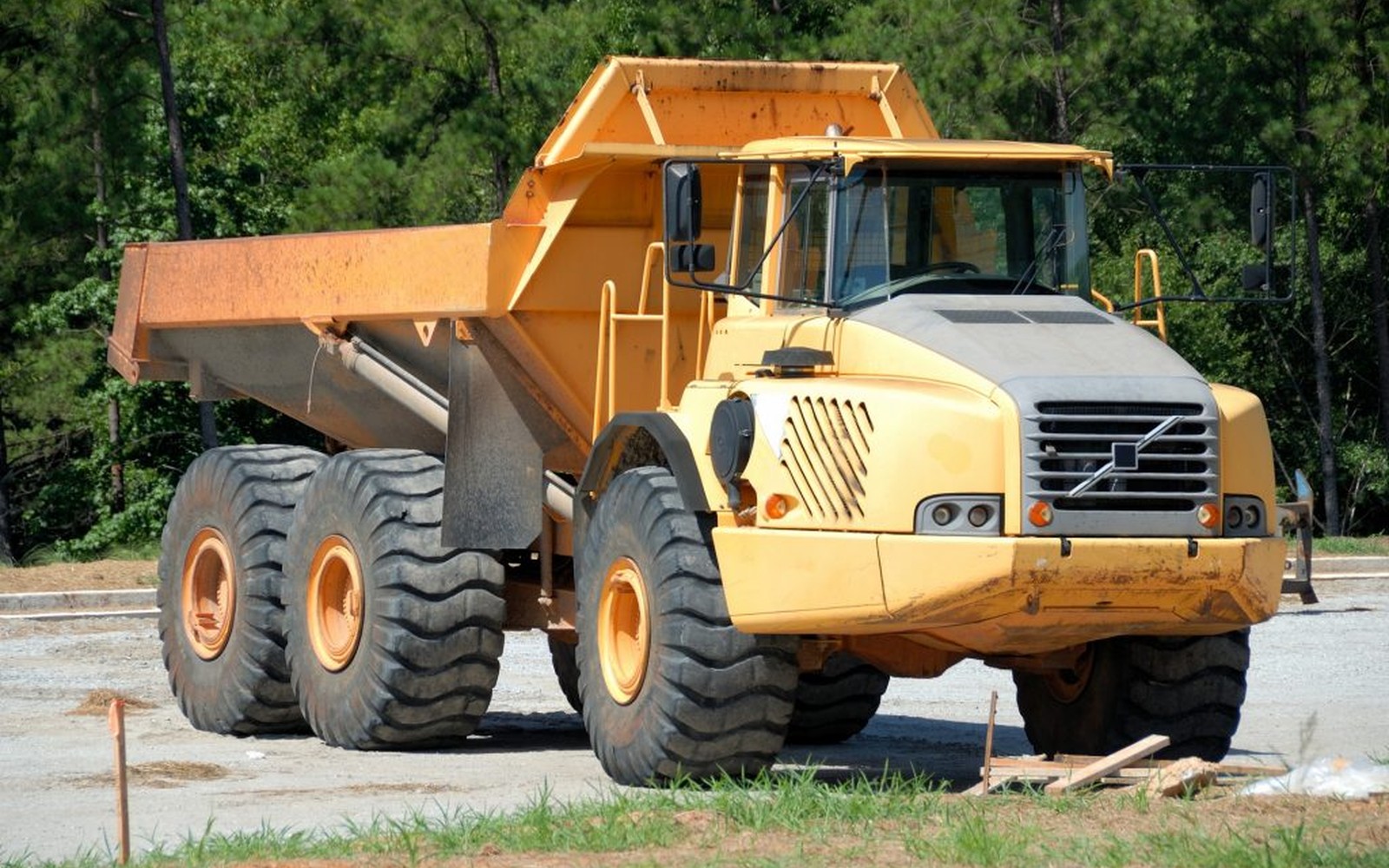
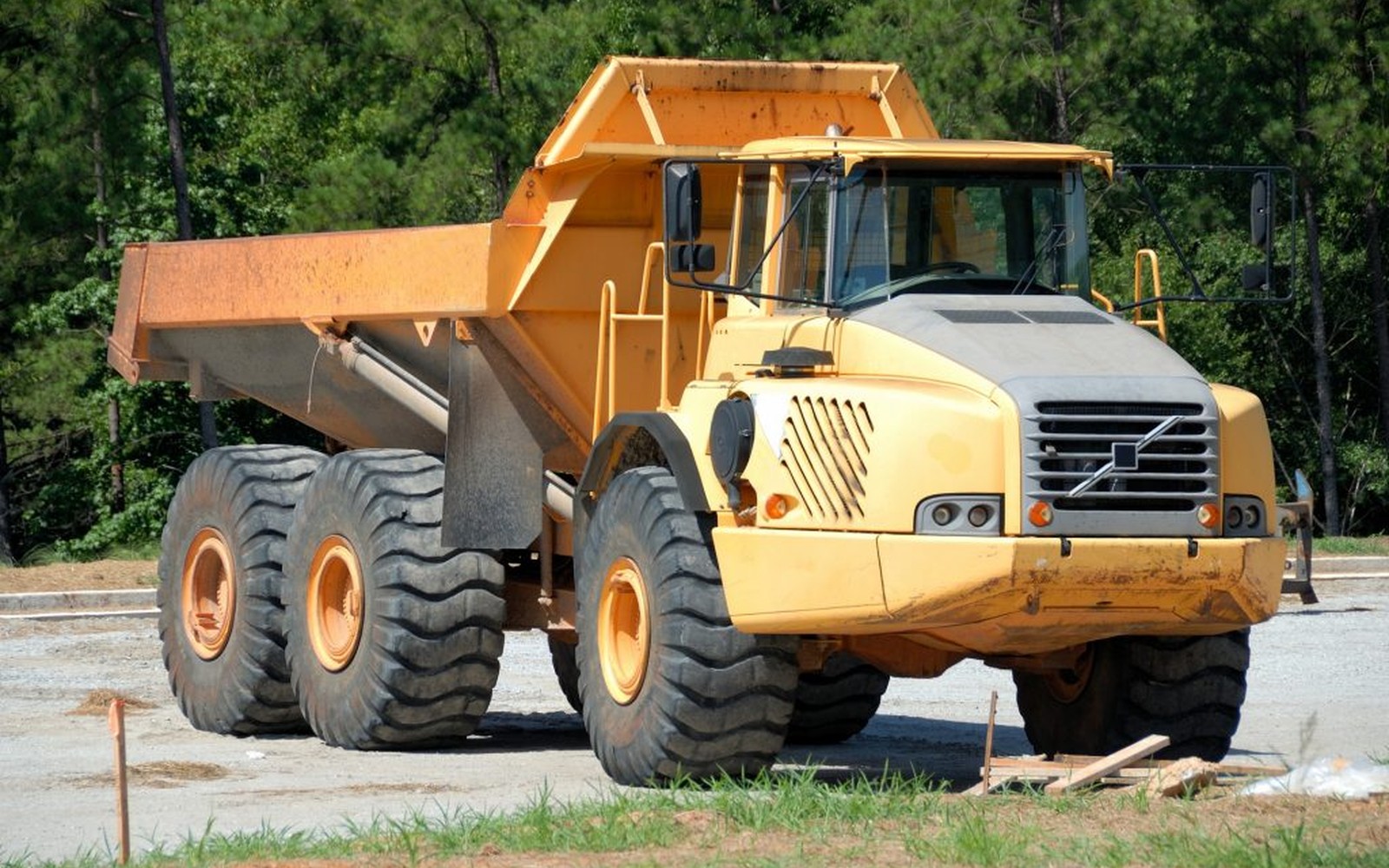
We arrange sale-leaseback transactions on heavy construction equipment, commercial trucks, cranes, CNC machines, and most other commercial iron. If the asset has a verifiable market value and a clear title, the structure can likely work. Minimum deal size is $50,000. Many leaseback transactions run well above that, particularly on larger iron like crawler cranes or articulated dump trucks.
Step one is determining current market value. We pull comps from recent sales, auction results, and dealer inventory to establish what the asset is worth today. The lender will order their own valuation as well, and the two numbers usually land close.
Step two is the purchase. The lender buys the equipment from you at or near that market value. If there is a lien on the machine, the purchase price first satisfies the existing payoff, and the remainder comes to you as net proceeds. If the machine is owned free and clear, the full purchase price is your cash.
Step three is the lease agreement. You and the lender execute a lease that keeps the equipment in your possession and operation. Lease terms typically run 24 to 60 months. At the end of the term, you often have an option to buy the equipment back, extend the lease, or return the machine. The buyback option is common and can be priced at fair market value or a predetermined residual.
Monthly payments under the lease replace whatever loan payment you were making before. In many deals, especially when the machine was carrying a short-term or high-rate note, the lease payment is lower than what the borrower was paying previously.
The comparison that matters most is leaseback versus cash-out refinancing. Both use the same asset. The key difference: a cash-out refi only generates proceeds above the existing payoff. A leaseback generates proceeds equal to the full market value minus any lien, which is typically a larger number.
If a machine is worth $250,000 and the payoff is $180,000, a cash-out refi might net $40,000 to $60,000 depending on the new loan-to-value the lender allows. A leaseback in the same scenario could generate $70,000 or more because you are selling at full market value. The math usually favors the leaseback when equity is thin or when maximum cash is the priority.
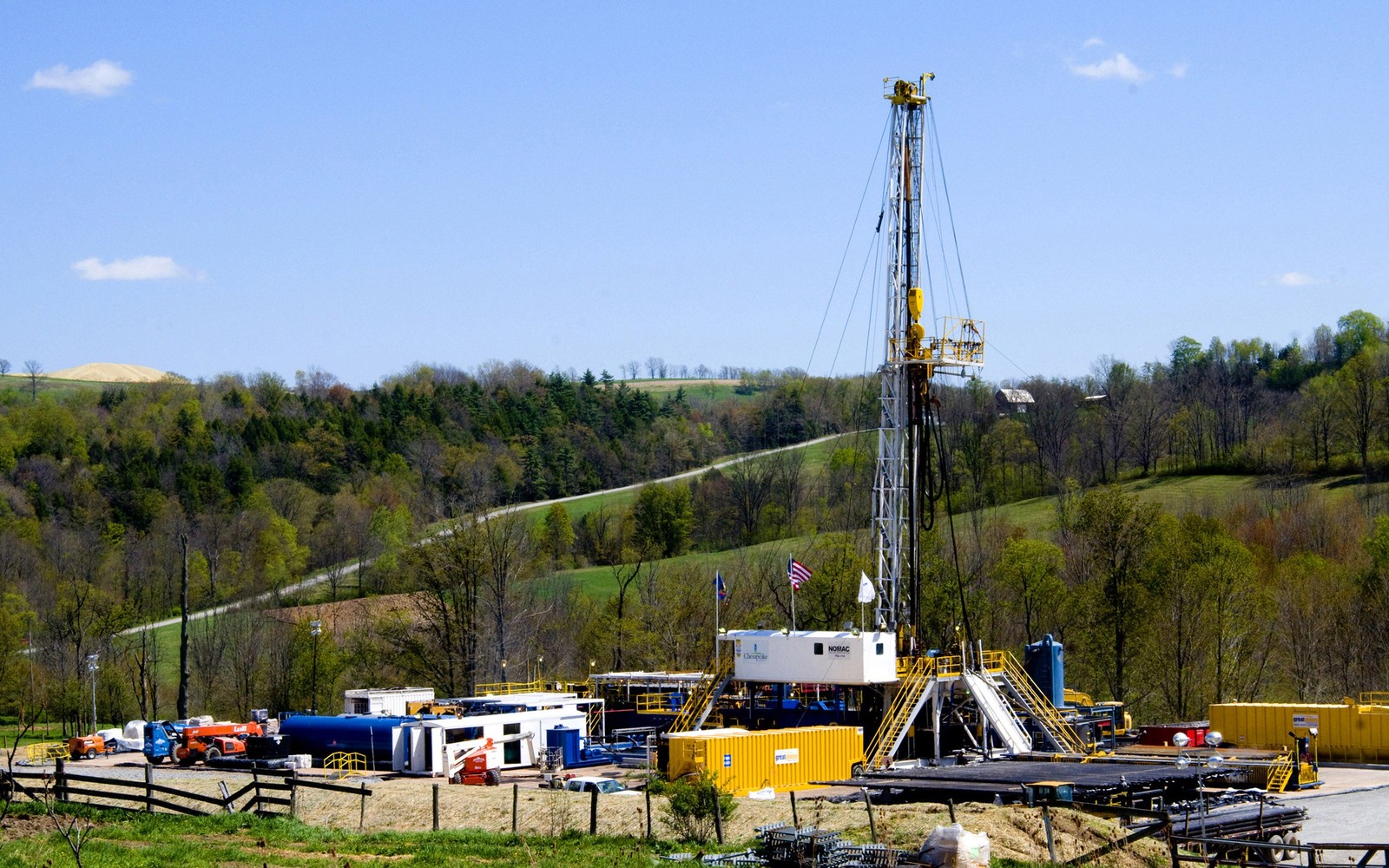
Oil and gas service companies use leasebacks frequently to stay liquid during activity slowdowns without parking the iron. Construction contractors use them to fund project working capital without taking on additional loans. The lease payment is also sometimes deductible as a business expense, which changes the after-tax cost picture.
Sale-leaseback approval depends primarily on the equipment's value and the lessee's ability to make lease payments. Credit still matters, but the collateral position is stronger here than in a standard loan because the lender owns the asset outright. That ownership gives them less exposure in a default scenario, which often means leaseback transactions are available to borrowers who might not qualify for a conventional refinance.
Documentation is similar to a standard equipment transaction: three months of business bank statements, the current loan payoff if applicable, and information on the equipment including year, make, model, and serial number. Deals over $400,000 may require additional financial documentation. For most transactions costing on the order of $50k to $400k, the application-only path is available.
Lease rates in a sale-leaseback transaction function like interest rates on a loan. They are quoted as a money factor or as an implied rate, and they depend on credit quality, equipment type, term length, and the residual value structure. A lease with a $1 buyout at the end tends to have a higher payment than one with a meaningful fair-market-value residual, because the former amortizes the full equipment cost.
Equipment types with strong secondary markets get favorable lease rates. A semi truck with clean title and below-average miles leases well. Specialty equipment with limited resale demand may price higher. We will show you the full cost picture before you commit, including the total amount paid over the lease term versus the cash you receive at signing.
Some operators combine a leaseback with a simultaneous purchase of another asset. Sell the existing machine to the lender via leaseback, lease it back, and use the cash proceeds to put a down payment on new equipment. That is a two-transaction day that changes the fleet without a single asset leaving the operation. Unusual, but we have done it.
Others use leaseback proceeds to retire higher-cost debt, such as a short-term business loan or a line of credit that is accruing at a high rate. Replacing that obligation with a lease payment at a lower effective rate improves monthly cash flow immediately. Debt consolidation combined with equipment financing follows similar logic and is worth understanding if you are juggling multiple obligations. You can also explore standard equipment refinancing if the goal is simply a better rate rather than maximum cash extraction.
Give us the year, make, model, and approximate condition of your iron. We will pull market comps and come back with a real leaseback range within 24 hours. Minimum $50,000. Funding in one to two weeks. Apply now and a capital advisor contacts you same day.
These are the underwriting points the desk uses to turn the taxonomy page content into a real cash-out structure.
Machine value, payoff, lien position, hours or mileage, condition, and secondary-market demand.
$50. The available cash is based on verified value minus the existing payoff.
One to two weeks.
Working capital, down payments, debt cleanup, slow-season coverage, and project mobilization.
Technically, yes. The lender purchases the title and leases the machine back to you. You retain possession and operational control throughout the lease term. At the end of the lease, a buyback option is often available.
The lender can repossess the equipment since they hold title. This is the core risk of a leaseback, similar to repossession on a loan. Making payments on time is essential to keeping the machine in your operation.
Yes. The lender purchases the equipment at market value, and the existing lien is paid off from the proceeds at closing. Your net cash is the purchase price minus the payoff.
Often yes, as a business operating expense. An operating lease structure in particular may allow you to deduct the full payment. Consult your tax advisor for specifics on your situation.
The lender orders a valuation. We negotiate to get you as close to fair market value as possible. The range usually lands at 80 to 100 percent of current market depending on the asset and its condition.
Send the machine, payoff, and target cash-out amount. We will review the file and come back with rate, term, payment, and net proceeds.
Tell us what you are buying, who is selling it, and when you need it earning. We will review the file and point you to the next step.