Collateral Reviewed
CNC Machine Refinancing value, payoff, age, hours or mileage, attachments, condition, and remaining useful life.

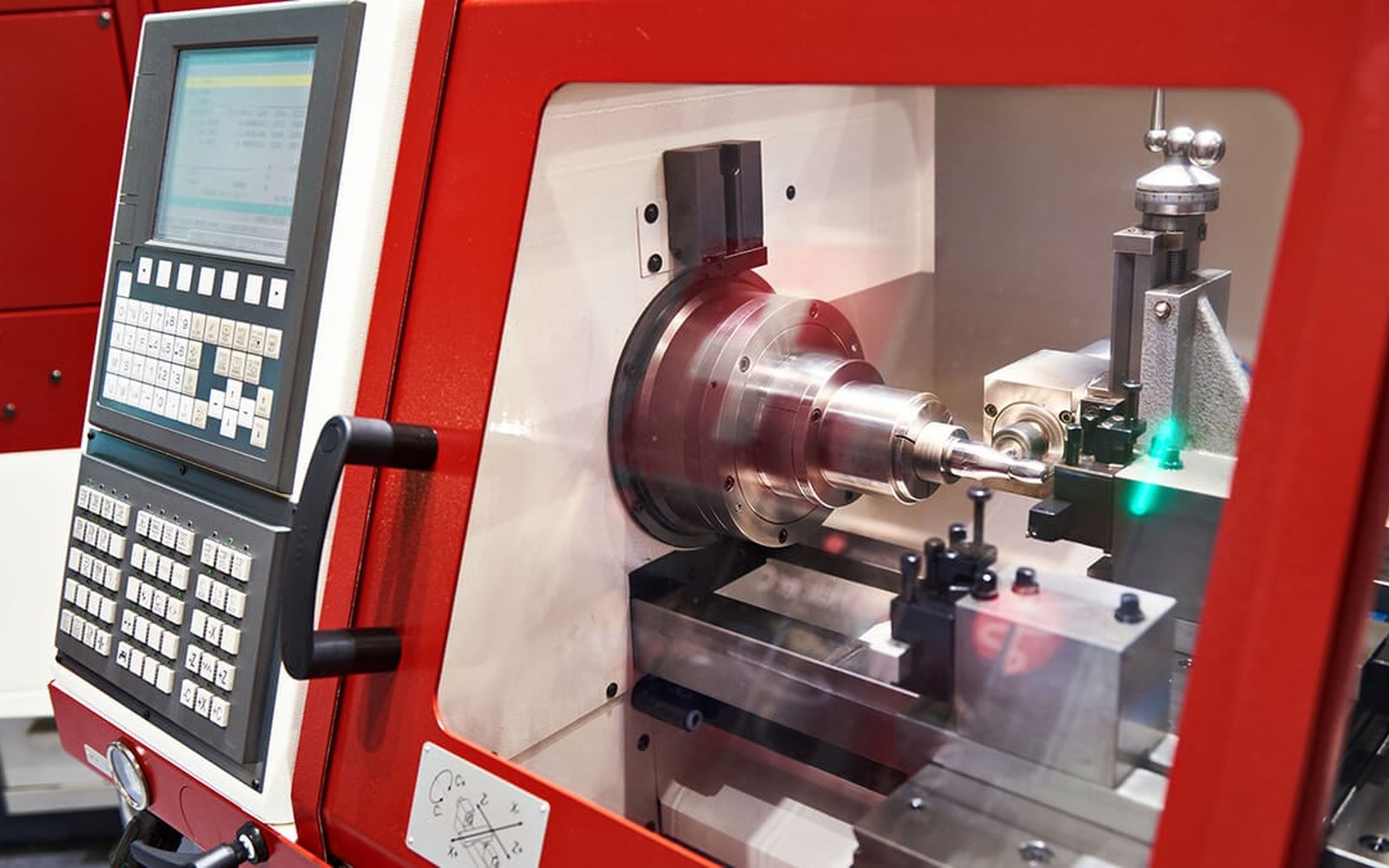
A CNC machining center bought two years ago carries equity sitting idle in the spindle housing. You have been making payments, the machine is producing parts, and the residual value on a quality mill or turning center holds longer than most business owners realize. That equity is working capital that can fund a new tooling package, a second machine purchase, or a payroll buffer through a slow quarter. Refinancing puts it in your account.
We work with job shops, precision manufacturers, and captive machine shops across a range of CNC configurations. Cash-out equipment refinancing on machining centers and turning centers closes in one to two weeks on an application-only basis up to approximately $400,000. The minimum deal is $50,000 and most machine tool transactions fall squarely in the $100,000-$300,000 range where these terms apply directly. Start with what your machine is worth and what you owe.
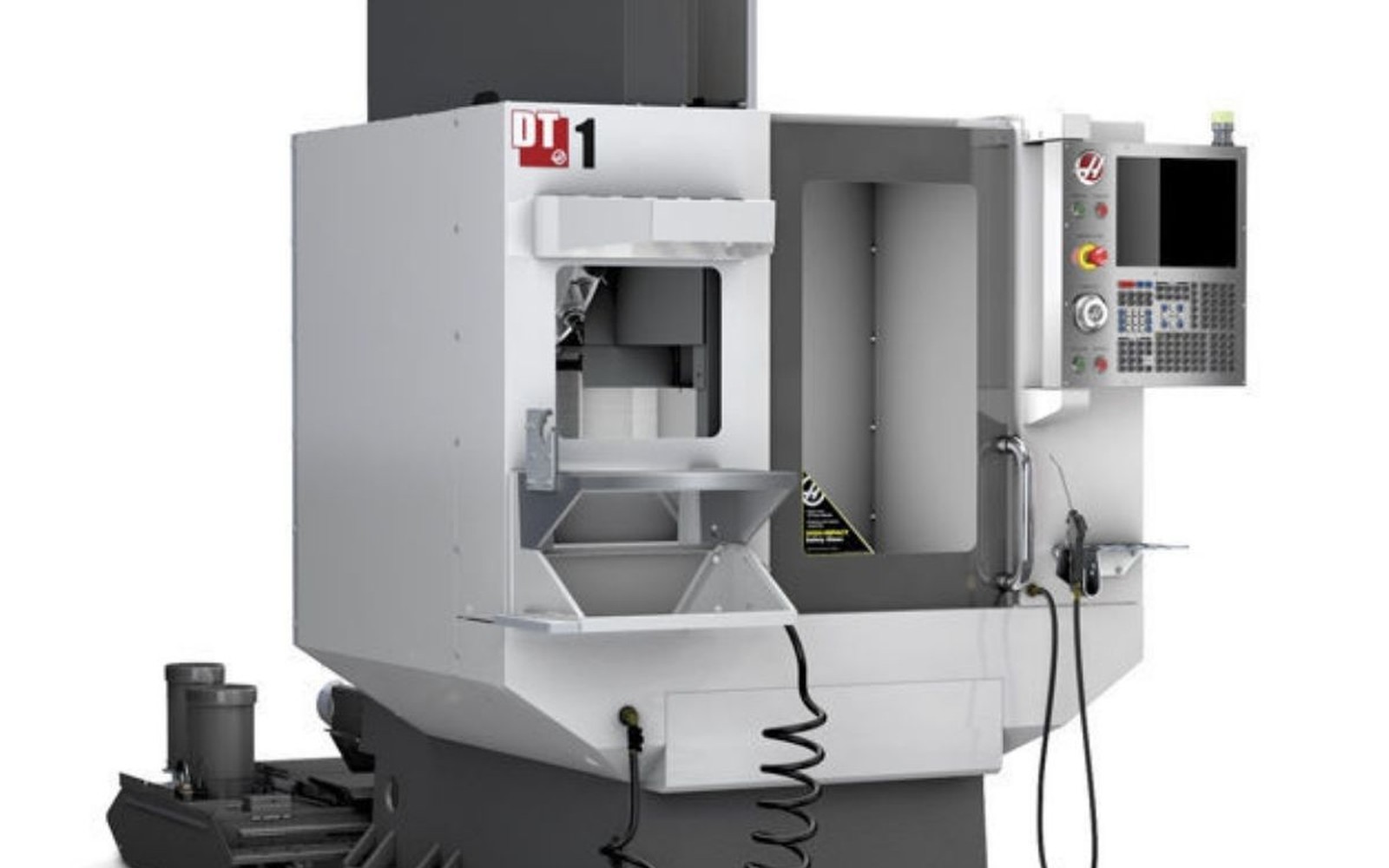
Not all CNC machines appraise the same. Vertical machining centers (VMCs) from established builders hold their value better than horizontal machining centers (HMCs) in most resale markets because VMCs are the more universal shop configuration and the buyer pool is proportionally larger. However, HMCs with large pallet changers and advanced fixturing setups can appraise at premium values when the secondary buyer is specifically equipped for that type of work.
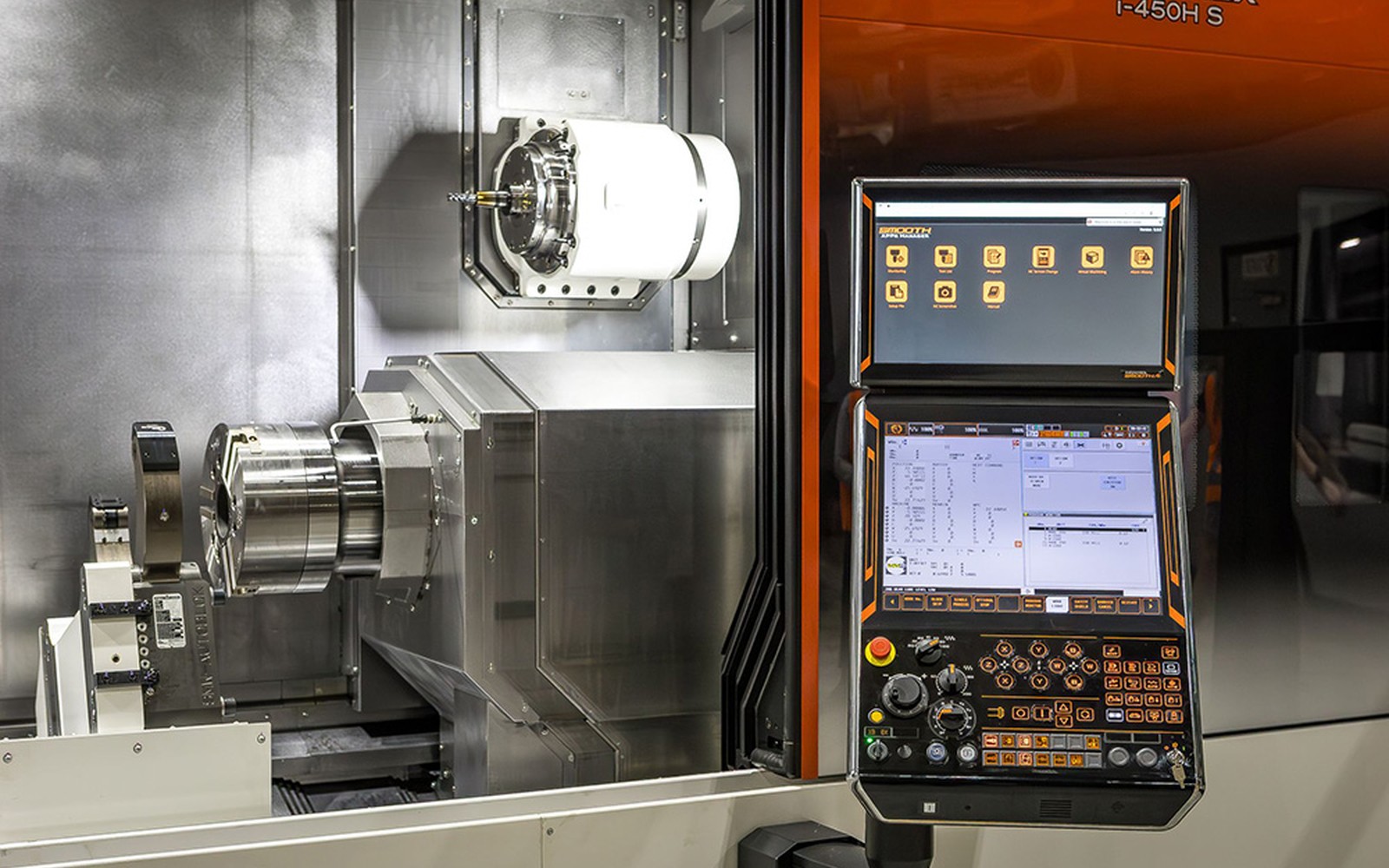
Multi-axis machining centers, including 4-axis and 5-axis configurations, command premium secondary-market values because the capability to machine complex geometries in a single setup is in strong demand from aerospace, medical, and defense job shops. A Haas or Mazak 5-axis unit in good condition with updated controls appraises at a meaningful premium over a comparable 3-axis machine of the same age.
Control system generation matters significantly. A machine with a current-generation FANUC, Siemens, or Mitsubishi control runs faster, programs more easily, and attracts more secondary buyers than the same mechanical platform with an obsolete control. Machines with control retrofits that installed newer systems on proven mechanical platforms often appraise well because the underlying construction is sound and the usability matches current standards.
Spindle hours are the primary wear indicator lenders and appraisers focus on. A machining center with 15,000 spindle hours and documented preventive maintenance has demonstrably less remaining life than an equivalent machine with 4,000 hours, and the appraisal reflects that gap. Shop owners who keep spindle-hour logs and service records protect their refinancing position significantly better than those without documentation.
Job shops that made an equipment investment to land a contract, bought on manufacturer financing or dealer paper, and are now two years in with solid payment history are the most common applicant. The original financing may have been priced at a higher rate than current options or on a term that created a cash-flow squeeze during ramp-up. Refinancing now captures equity and improves the monthly obligation.
Precision shops in CNC machining and manufacturing and fabrication that need tooling capital, fixturing investment, or a down payment on an additional machine often find that refinancing an existing asset is faster and less disruptive than adding a separate working capital line. The machining center is already the business's most valuable asset; leveraging its equity is the most direct capital path.
Captive shops inside larger manufacturers that have been sold off to independent operators sometimes carry old internal financing structures that need to be converted to proper external equipment notes. These situations require a clean title transfer and sometimes a business restructuring event, but once the title is clear, refinancing the machine follows the standard process.
New CNC machines financed through captive manufacturer programs (Haas Financial, Mazak Financial, Okuma Finance) carry the advantage of a known purchase price and often a warranty that supports the asset's condition. These deals are prime candidates for refinancing into standalone equipment notes when the machine is one to three years old, because the manufacturer financing rate is often above what the open market offers, and the equity has grown enough to make the refi worthwhile.
Used CNC machines present a different picture. A five-year-old VMC financed through a private seller or auction carries more variance in condition and value, and the refinancing lender will rely more heavily on an appraisal than on original purchase documentation. Used equipment financing guidelines apply, and the advance rate may be slightly more conservative than on a clean new-machine deal, but the fundamental process is the same.
Tell us the make, model, spindle hours, and current payoff. We will match you with a lender who knows machine tool values and come back with a concrete refinancing structure. Equipment refinancing on CNC machines is a deal we close on schedule, and we understand what a Haas VF or a Mazak Quick Turn is worth on the secondary market.
These are the underwriting points the desk uses to turn the taxonomy page content into a real cash-out structure.
CNC Machine Refinancing value, payoff, age, hours or mileage, attachments, condition, and remaining useful life.
$400,000. The available cash is based on verified value minus the existing payoff.
One to two weeks.
Job shops that made an equipment investment to land a contract, bought on manufacturer financing or dealer paper, and are now two years in with solid payment history are the most common applicant.
A remaining warranty is a positive factor in refinancing because it limits the lender's exposure to major mechanical failures during the loan term. Include the warranty documentation in your application. It supports a stronger appraisal and can influence the lender's advance rate favorably.
Yes. Auction purchases are financed regularly. The lender will rely on an independent appraisal rather than original paperwork. A clean current title in your business name and the machine's serial number are the core requirements. The lack of original documentation does not close the deal.
Multi-machine refinancing under a single blanket note is possible. Some shops prefer individual notes on each machine so they can retire units independently. The right approach depends on how the machines are used, whether they serve the same customer base, and the lender's preference. Both structures are available.
A good appraisal can be conducted during off-hours or a brief production break. You do not need to take the machine out of production for an extended period. The appraiser needs access to the control panel, documentation of recent service, and ability to run a brief spindle check. That process takes a few hours at most.
Yes. Adding equipment debt is not a disqualifier for refinancing other equipment. The question is whether the business has the cash flow to support all obligations. If bank statements show consistent revenue covering existing and new payments, the credit event from adding the machine is typically workable with a B/C credit lender.
Send the machine, payoff, and target cash-out amount. We will review the file and come back with rate, term, payment, and net proceeds.
Tell us what you are buying, who is selling it, and when you need it earning. We will review the file and point you to the next step.