Collateral Reviewed
Machine value, payoff, lien position, hours or mileage, condition, and secondary-market demand.

Bonus depreciation is a federal tax provision that lets businesses deduct a percentage of qualifying equipment cost in the year the asset is placed in service, rather than spreading that deduction across the asset's useful life. Unlike Section 179, bonus depreciation is not capped at the business's taxable income. It can generate a net operating loss that carries back or forward to offset income in other years. For businesses that are buying significant amounts of equipment, bonus depreciation can meaningfully reshape what the tax bill looks like.
The percentage allowed under bonus depreciation has shifted over the years under various legislative changes. It was 100 percent through 2022 for most qualifying property, meaning full first-year expensing. The percentage has been phasing down in subsequent years. Verify the current percentage with your tax advisor before structuring a purchase around it. The mechanics matter, but so does the specific year's rate.
The two provisions sound similar and are often mentioned together, but they work differently in important ways. Understanding the distinction helps you use both correctly.
Section 179 has an annual dollar limit on the total deduction. Bonus depreciation has no such cap: you can apply it to unlimited equipment purchases in a single year. Section 179 cannot create a net operating loss. Bonus depreciation can create a net operating loss and that loss can be carried back to offset income in prior years or forward to reduce future income. Section 179 applies to both new and used equipment (that is new to your business). Bonus depreciation for used equipment has specific requirements that have changed over the legislative history of the provision.
In practice, most tax advisors recommend applying Section 179 first to exhaust that limit, then applying bonus depreciation to the remaining balance. The sequencing maximizes the benefit of both provisions. For construction contractors or manufacturers buying multiple pieces of equipment in a single year, the combination can produce substantial tax savings.
Qualifying property for bonus depreciation includes most tangible personal property with a recovery period of 20 years or less under MACRS. That covers the vast majority of commercial equipment: machinery, vehicles, computers, and most business personal property. Long-lived infrastructure, buildings, and certain land improvements do not qualify.
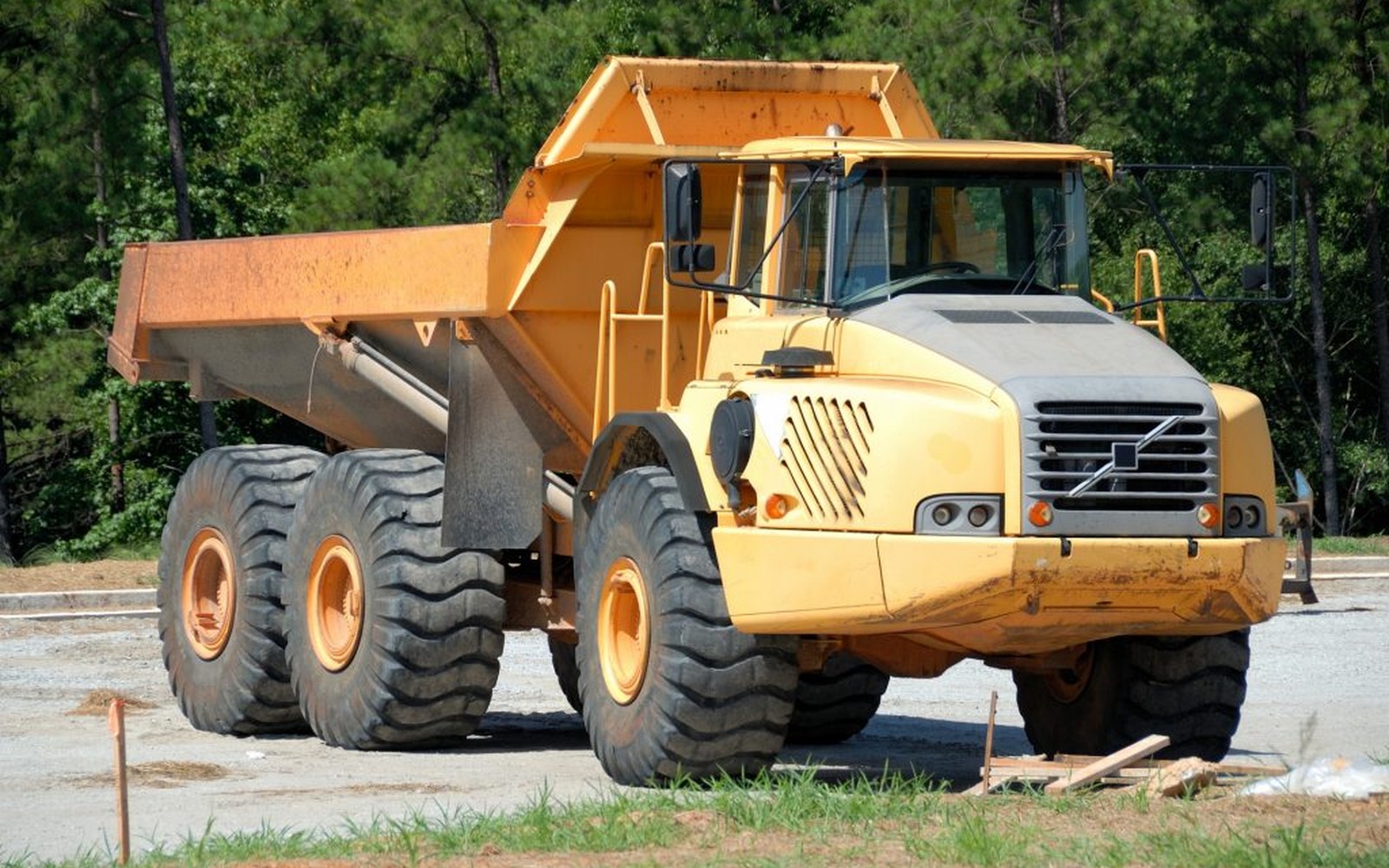
Specific equipment types that typically qualify include excavators, dump trucks, cranes, CNC machines, and virtually any other commercial equipment with a standard depreciation life. The equipment must be placed in service during the tax year. Like Section 179, the clock is the date the machine is delivered and operational, not the date you ordered it or the date of the purchase agreement.
For used equipment, bonus depreciation applies to property that is new to the taxpayer, meaning you have not previously owned or used it. The provision does not require the equipment to be new off a dealer's floor. Buying a two-year-old excavator in a private party purchase can still qualify for bonus depreciation as long as you have not owned it before. See our used equipment financing page for details on financing pre-owned iron.
The same mechanism that makes Section 179 powerful applies to bonus depreciation: you finance the equipment and still get the full deduction in year one (up to the applicable percentage). You are paying monthly loan payments while deducting the full cost. The tax savings arrive immediately; the loan repayment happens over the term.
A business financing $300,000 of qualifying equipment and claiming full bonus depreciation in a year when the rate is 60 percent gets a $180,000 deduction in year one. At a 35 percent effective tax rate, that is $63,000 in tax savings while paying a monthly loan payment spread over 48 to 72 months. The cash tax savings in year one often exceed the loan payments for the first 12 to 18 months of the loan.
Loan structure matters here as it does for Section 179. Equipment loans and capital leases work. True operating leases do not allow the buyer to claim depreciation because the buyer is not the owner. Confirm with your tax advisor and confirm with us that the financing structure you choose supports the depreciation strategy before closing. See our capital lease versus operating lease comparison for more detail on which lease type qualifies.
The bonus depreciation percentage has been phasing down from 100 percent as the temporary provisions enacted by the Tax Cuts and Jobs Act expire. The rate steps down in stages: 80 percent for property placed in service in 2023, 60 percent in 2024, 40 percent in 2025, 20 percent in 2026, and 0 percent thereafter unless Congress extends or replaces the provision. These figures apply to most qualifying property. Aircraft and certain other property followed a different schedule.
Buyers who have the flexibility to time large equipment purchases around the depreciation schedule sometimes accelerate planned replacements or additions to capture a higher bonus rate before it steps down further. That calculus depends on the equipment need, the tax situation, and how close the existing equipment is to replacement. We are not your tax planner, but we help finance the deal whatever the timing.
For oil and gas service companies and agricultural operators who invest heavily in equipment, the phase-down of bonus depreciation has been a real factor in capital spending timing decisions over the past several years. Both industries have historically relied on accelerated depreciation to manage tax burdens in high-revenue years.
The Section 179 deduction remains available even after bonus depreciation phases out, providing a separate avenue for first-year expensing within its annual limit. Businesses should consider both provisions when planning equipment purchases.
If you are timing a purchase around bonus depreciation, let us know when you need the equipment in service. We will structure the deal to meet that deadline. Minimum $50,000. Funding in one to two weeks. Apply and a capital advisor reaches out the same day.
These are the underwriting points the desk uses to turn the taxonomy page content into a real cash-out structure.
Machine value, payoff, lien position, hours or mileage, condition, and secondary-market demand.
$300,000. The available cash is based on verified value minus the existing payoff.
One to two weeks.
Working capital, down payments, debt cleanup, slow-season coverage, and project mobilization.
Yes. A net operating loss generated by bonus depreciation can be carried back two years or forward up to 20 years depending on the applicable tax rules at the time. Carrying back can generate an immediate refund for taxes already paid. Your tax advisor can calculate whether a carryback or carryforward is more beneficial in your situation.
Yes, provided the equipment is new to you and you have not owned or used it before. Used equipment bought from a private seller or at auction qualifies as long as you have not previously owned it.
The percentage has been stepping down from 100 percent. Confirm the current rate with your tax advisor or at IRS.gov for the tax year you are planning the purchase in. The rate applies to the year the equipment is placed in service, not the year you make the purchase agreement.
On a capital (finance) lease where you are treated as the owner, yes. On a true operating lease where the lender owns the equipment, no. Structure matters here as much as the equipment type.
Both if you can. The typical strategy is to apply Section 179 first to exhaust the annual limit, then apply bonus depreciation to any remaining qualifying basis. Your tax advisor should run the optimal sequencing for your specific situation and the amounts involved.
Send the machine, payoff, and target cash-out amount. We will review the file and come back with rate, term, payment, and net proceeds.
Tell us what you are buying, who is selling it, and when you need it earning. We will review the file and point you to the next step.