Collateral Reviewed
Revenue-producing equipment already working in the operation, with payoff and current value documented.

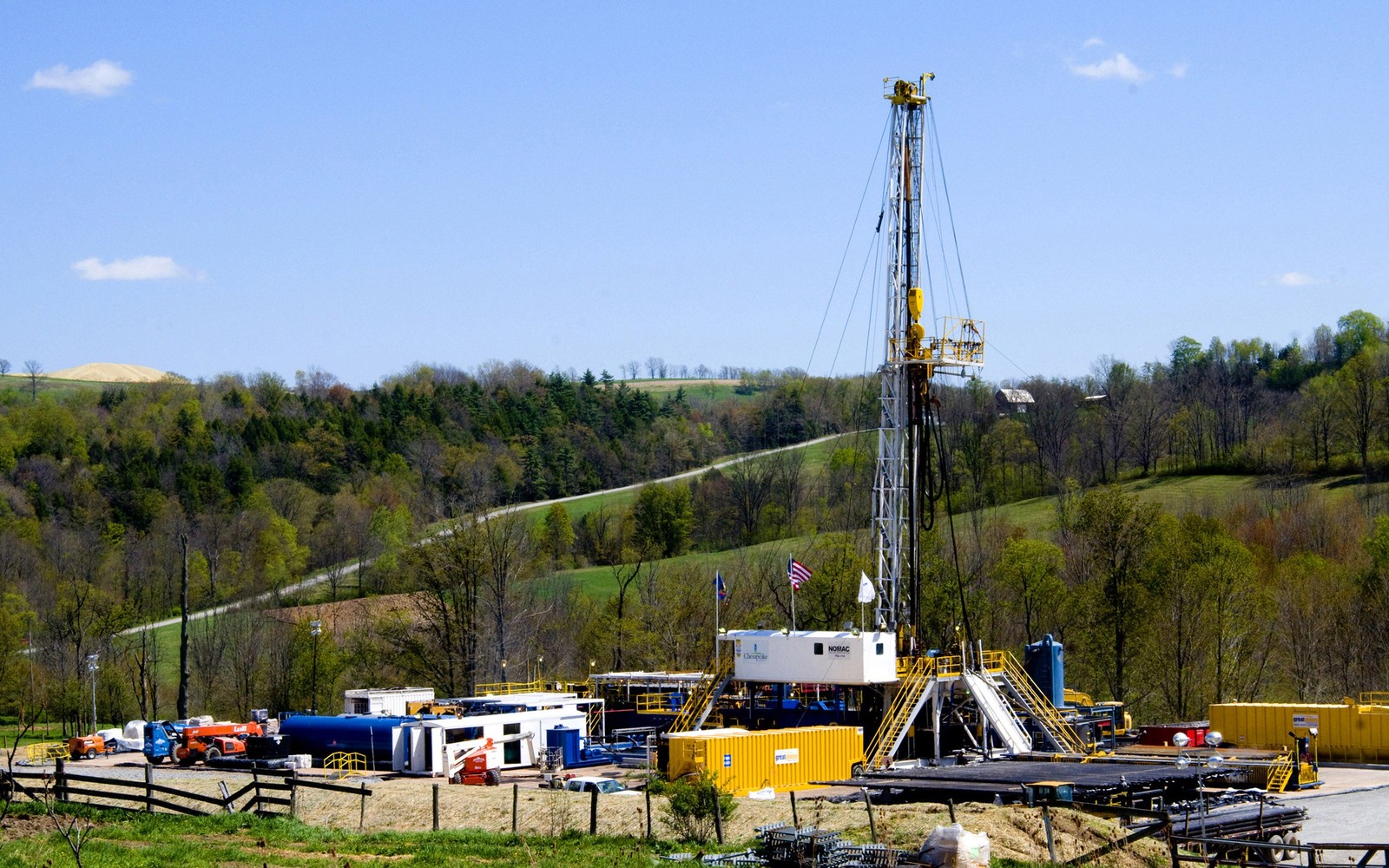
When crude is moving and the basin is active, the operators who can field equipment without waiting weeks for financing close the work. Cash from your own iron is the fastest capital you have. A cash-out equipment refinance on a workover rig or a frac spread puts proceeds in your account in about two weeks, without finding a new partner or pledging the business.
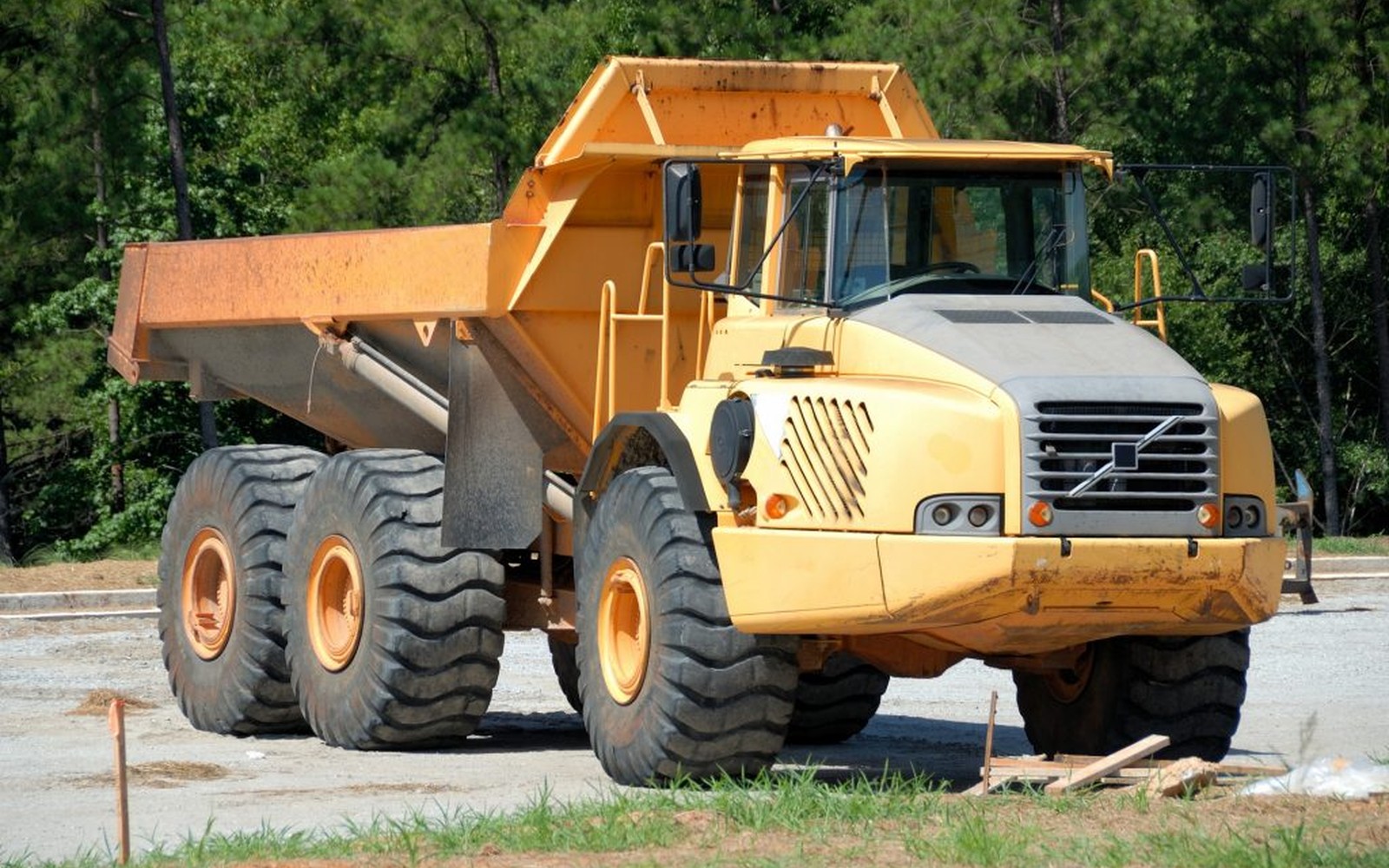
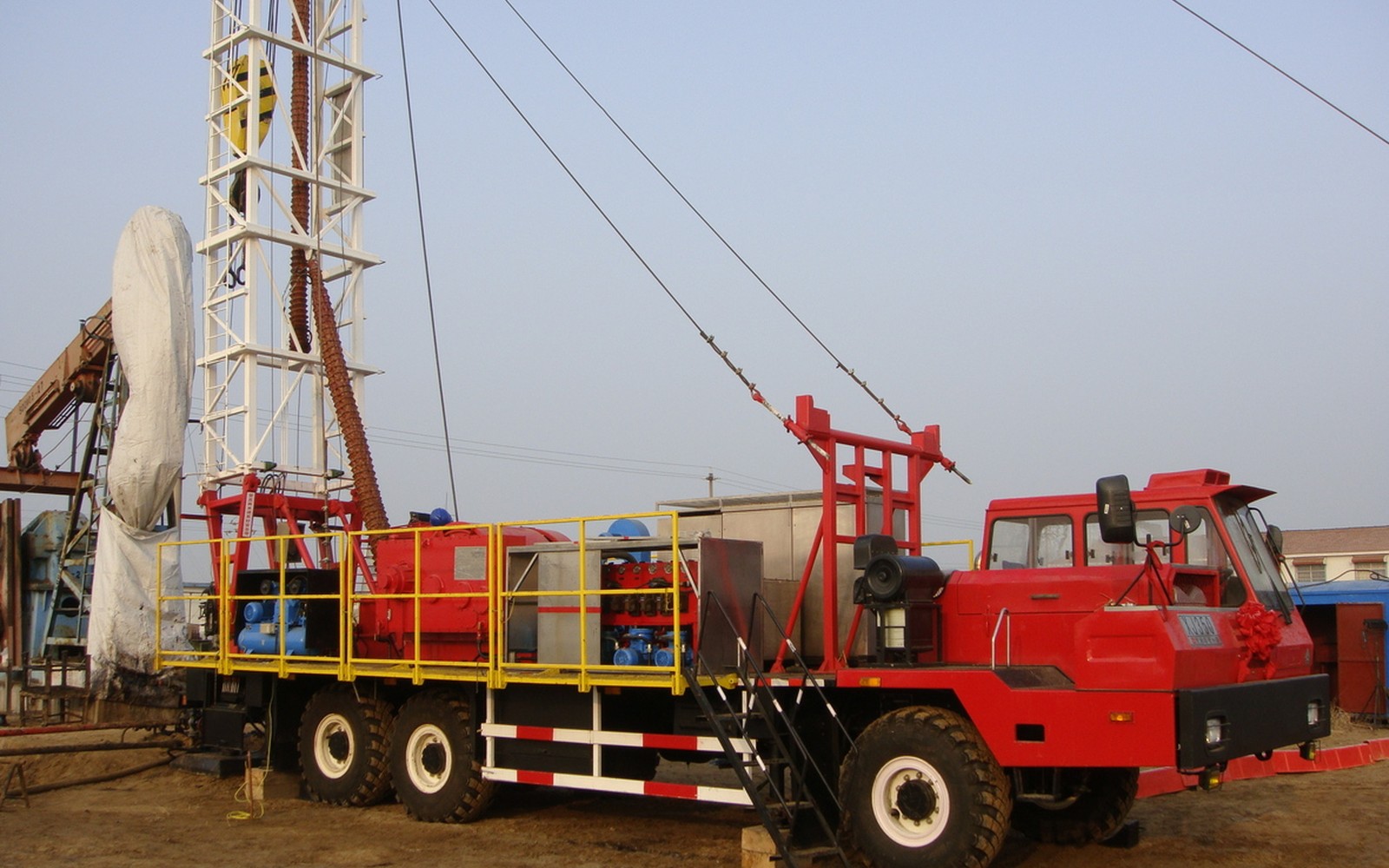
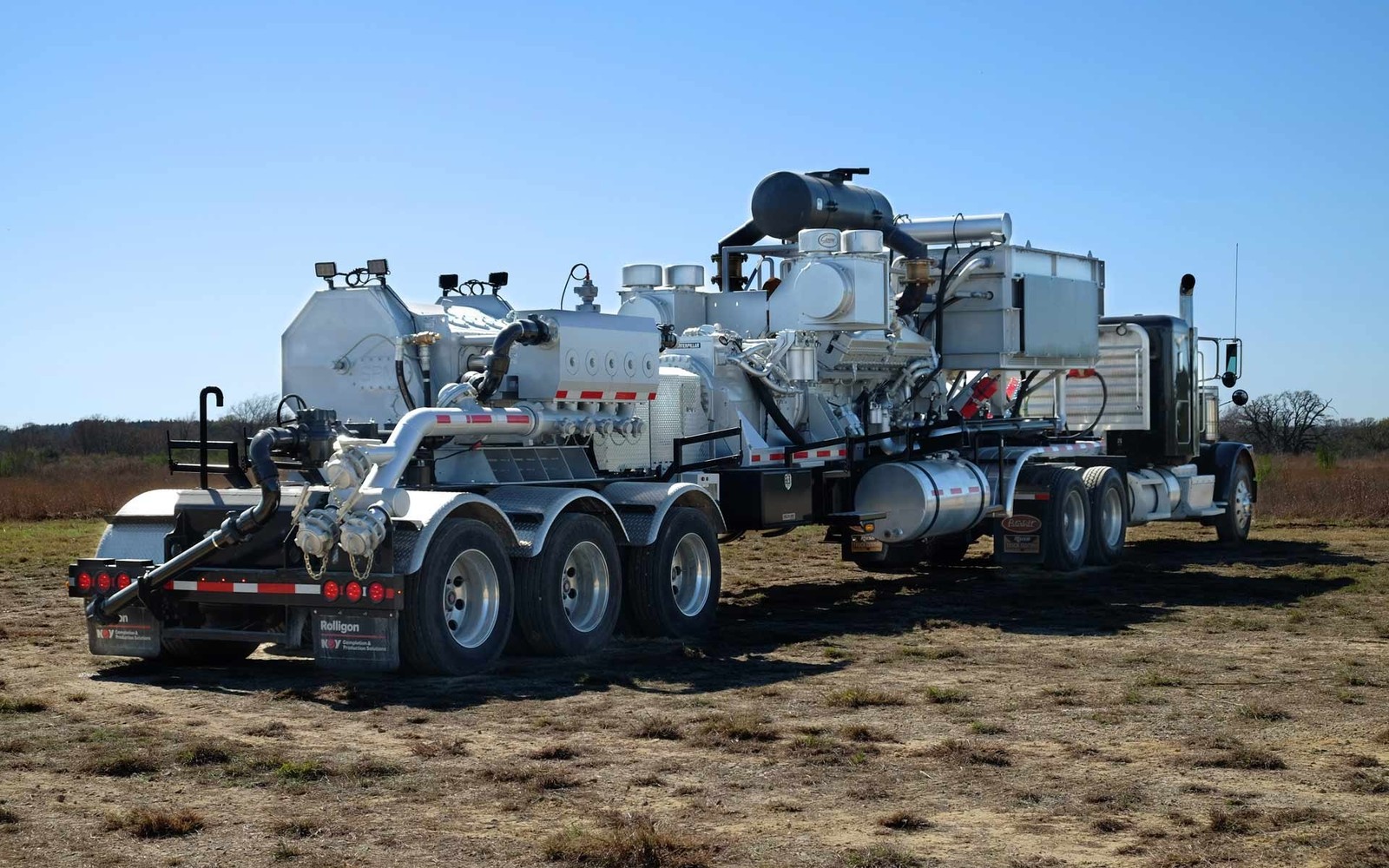
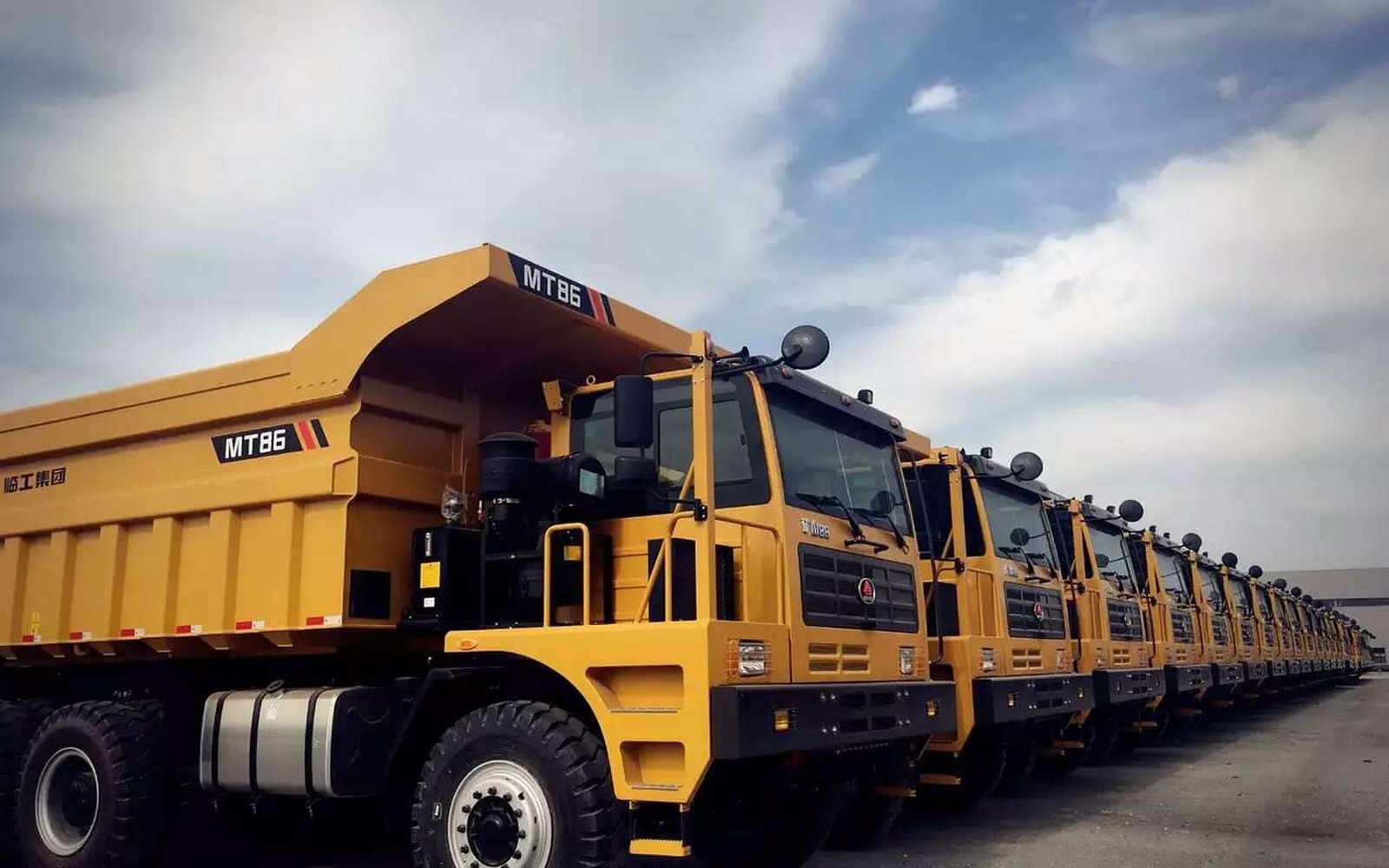
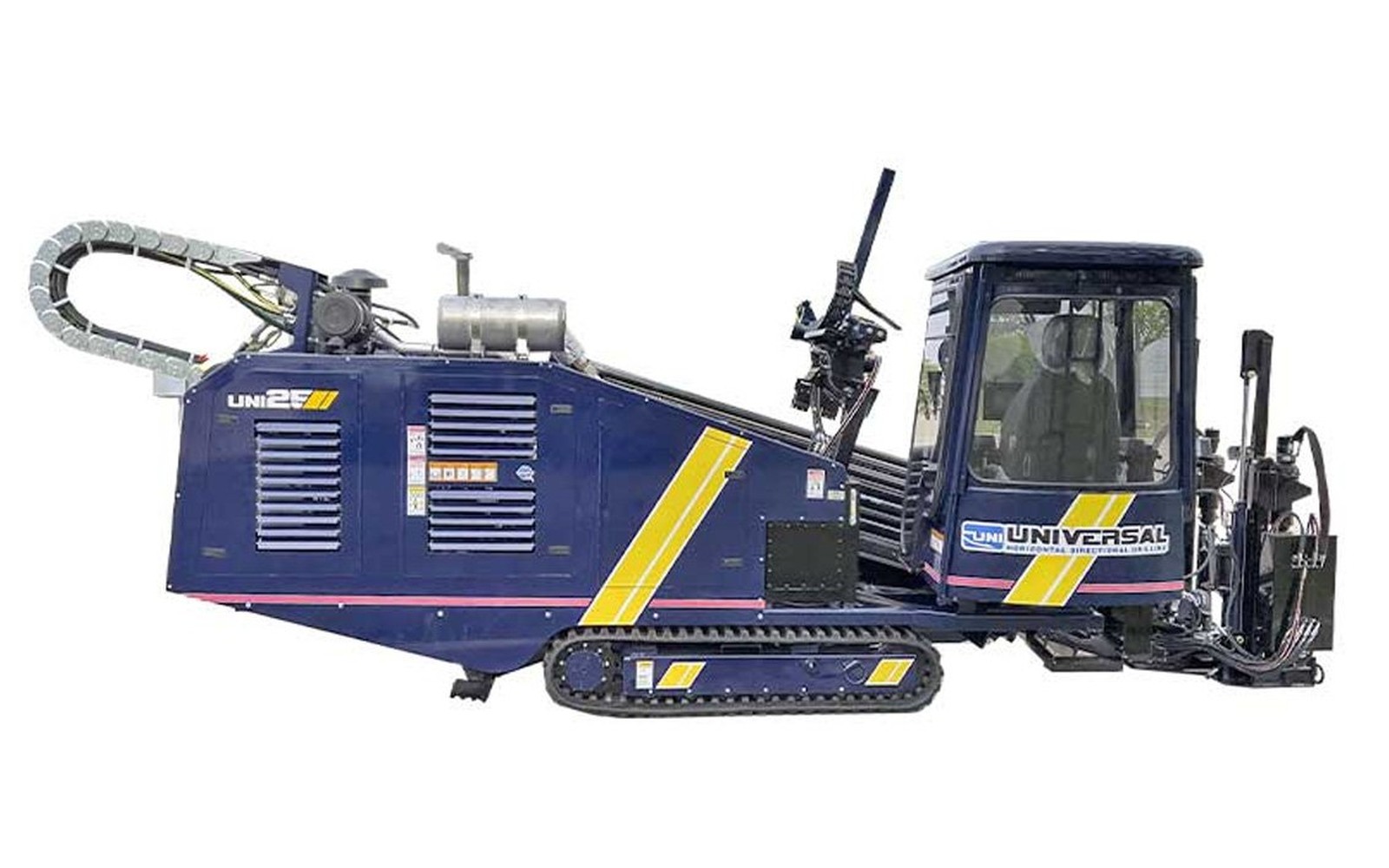
We finance oil and gas service equipment: workover rigs, frac equipment, coiled tubing units, nitrogen trucks, vacuum trucks, pump trucks, and the fleet of heavy trucks that supports a field operation. If it generates day-rate revenue and has an established market value, we can structure a transaction against it.
Minimum transaction is $50,000. Oilfield service transactions often run well above that given the capital intensity of the equipment. Application-only processing covers transactions up to roughly $400,000. Larger transactions move through full underwriting efficiently.
Oil and gas services operate a broad range of capital equipment. The primary assets we lend against:
Equipment working on active contracts in named basins is preferred but not required. Stacked equipment with documented return-to-service plans can also be financed in the right structure.
Oil and gas services is a cyclical business. When the basin runs, service companies need capital to field equipment fast. When the basin slows, operators who are over-leveraged feel it immediately. Cash from equipment equity provides a buffer in both directions: capital to expand quickly when the market opens, and a liquidity reserve that reduces dependence on any single contract.
Service companies in the Permian, Eagle Ford, Bakken, and DJ Basin use equipment refinancing as a regular capital tool, not a last resort. The day-rate income from a working rig or a frac spread provides the cash flow to service the refinancing note. The proceeds fund the next move.
Operators working out of Midland and Odessa in the Permian Basin run the highest transaction volumes we see in oilfield. Williston, North Dakota Bakken operators are also active in this program. Basin-specific market conditions matter in the underwriting, and we know those markets well.
Used oilfield equipment is the norm, not the exception. A ten-year-old workover rig that has been rebuilt and is running competitively is a different asset than a decommissioned unit with no near-term utilization. We evaluate the current condition, documentation of recent work, and market comparables for the specific rig class and configuration.
Frac equipment in particular has a large secondary market with auction history that gives us solid data for valuation. Pump sets from National Oilwell Varco, BJ Services-era iron, and major manufacturers have documented wholesale values we can underwrite against.
The key question is always the same: does the current market value support the requested loan amount at a loan-to-value ratio that makes the transaction work? For most active oilfield equipment, the answer is yes as long as the operator has equity in it.
Oil and gas service companies have credit profiles that often reflect the cyclical nature of the business: strong cash flow in up-cycle years, constrained or negative periods during a downturn. Prior credit events tied to the 2015-2016 or 2020 downturns are not uncommon and are not automatically disqualifying.
We work with B and C credit for oilfield clients. B/C credit equipment financing is available and regularly used in this industry. Documentation is three months of business bank statements plus equipment details. Active contracts or day-rate documentation can supplement the bank statement review for companies that have recently returned to active operations.
For operators who want to understand whether a cash-out refinance or a sale-leaseback works better for their specific situation, we walk through both structures on every application. Equipment sale-leaseback is often the right answer when the equipment is paid off and full value extraction is the goal.
Tell us what you are running, what you owe, and what you need the capital for. We come back with a real structure in the same day. The basin does not wait, and neither should your financing.
These are the underwriting points the desk uses to turn the taxonomy page content into a real cash-out structure.
Revenue-producing equipment already working in the operation, with payoff and current value documented.
$50. The available cash is based on verified value minus the existing payoff.
Two weeks.
Used oilfield equipment is the norm, not the exception.
Stacked equipment can qualify depending on condition, the reason for being stacked, and the documented plan for return to service. A rig that is mechanically sound and stacked due to market conditions rather than mechanical failure is a very different picture from condemned equipment. Disclose the situation and we will evaluate it on its merits.
Debt consolidation and capital structure cleanup is a common use case for equipment refinancing. We can refinance to pay off the acquisition-era lien and give you a clean, single payment structure going forward. If there is equity above the payoff, you also receive that as proceeds.
Basin activity affects our view of the borrower's cash flow picture and can influence the underwriting assessment. Active Permian Basin operators with documented recent day-rate income are viewed differently than operators in a basin that has gone quiet. The asset value is the primary factor, but utilization context matters.
Yes. The 2020 oil price collapse was an industry-wide event and the context is well understood in oilfield lending. We look at the current picture: what cash flow looks like in the last three months, what the equipment is worth, and what the loan-to-value position is. A 2020 credit event that has been followed by two or more years of recovery is manageable.
Proceeds are unrestricted. Using equipment equity to fund bonding requirements, contract deposits, or operational buildout for a new contract is a legitimate and common use. We have no restrictions on how the proceeds are deployed.
Send the machine, payoff, and target cash-out amount. We will review the file and come back with rate, term, payment, and net proceeds.
Tell us what you are buying, who is selling it, and when you need it earning. We will review the file and point you to the next step.