Collateral Reviewed
Revenue-producing equipment already working in the operation, with payoff and current value documented.

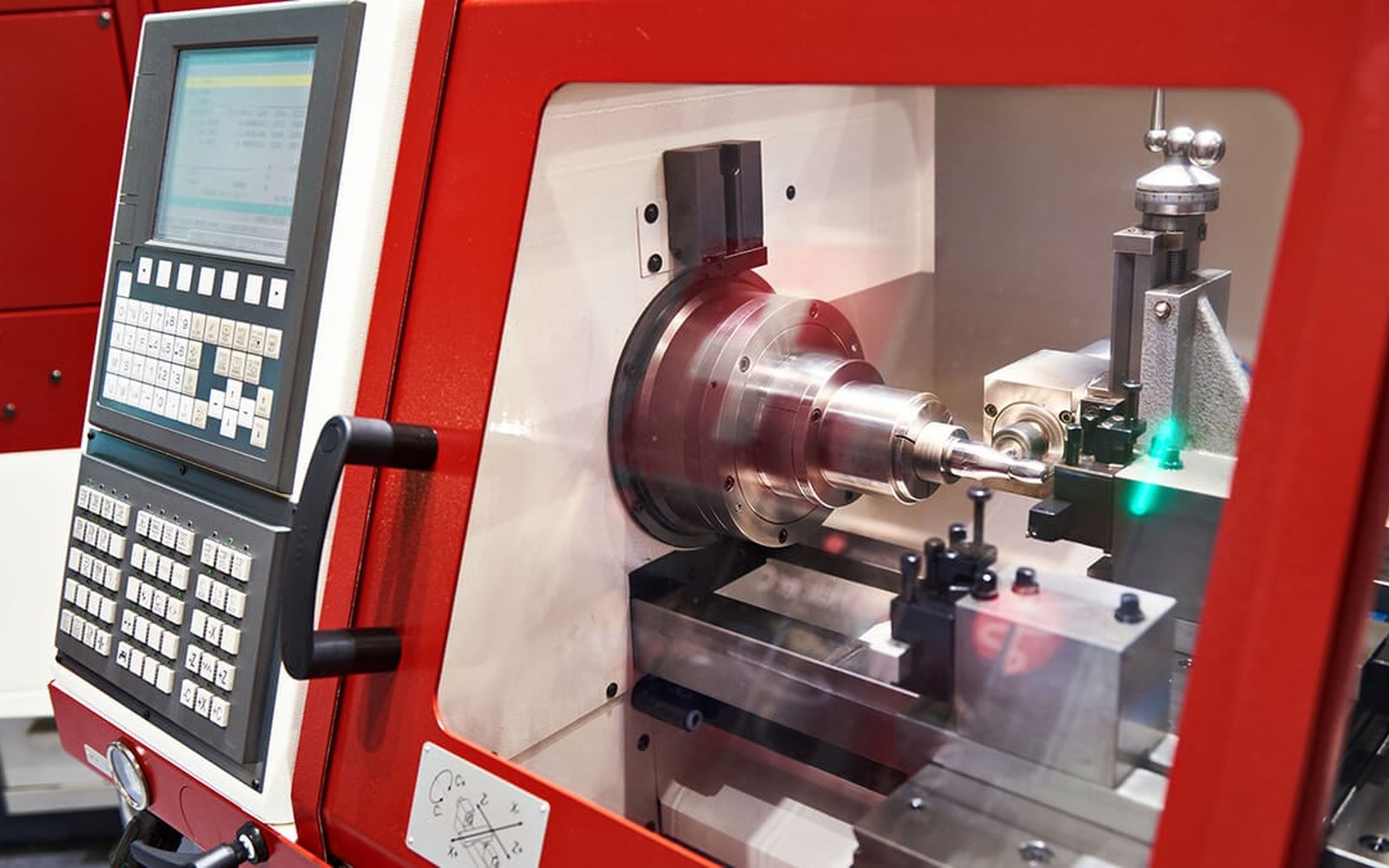
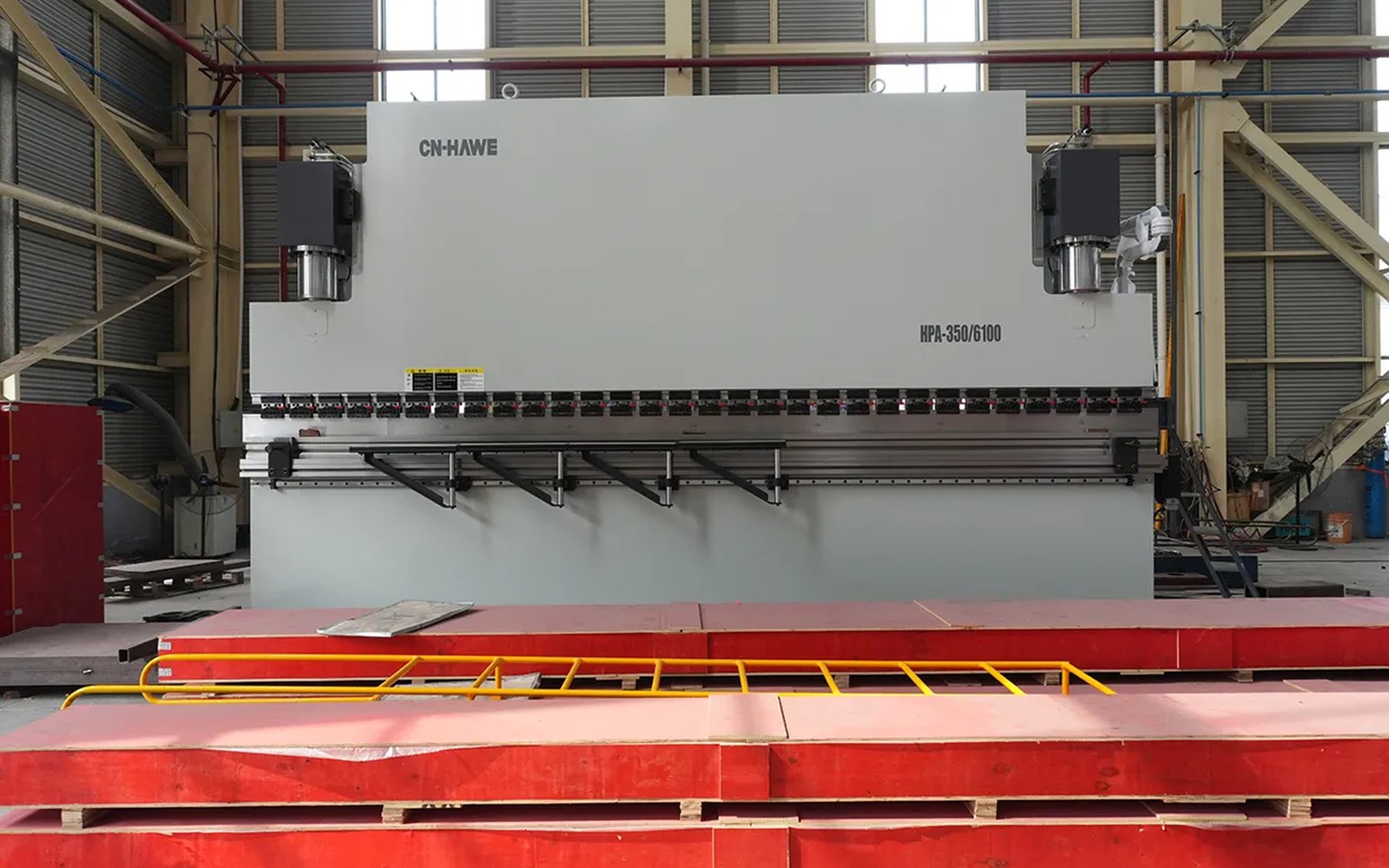
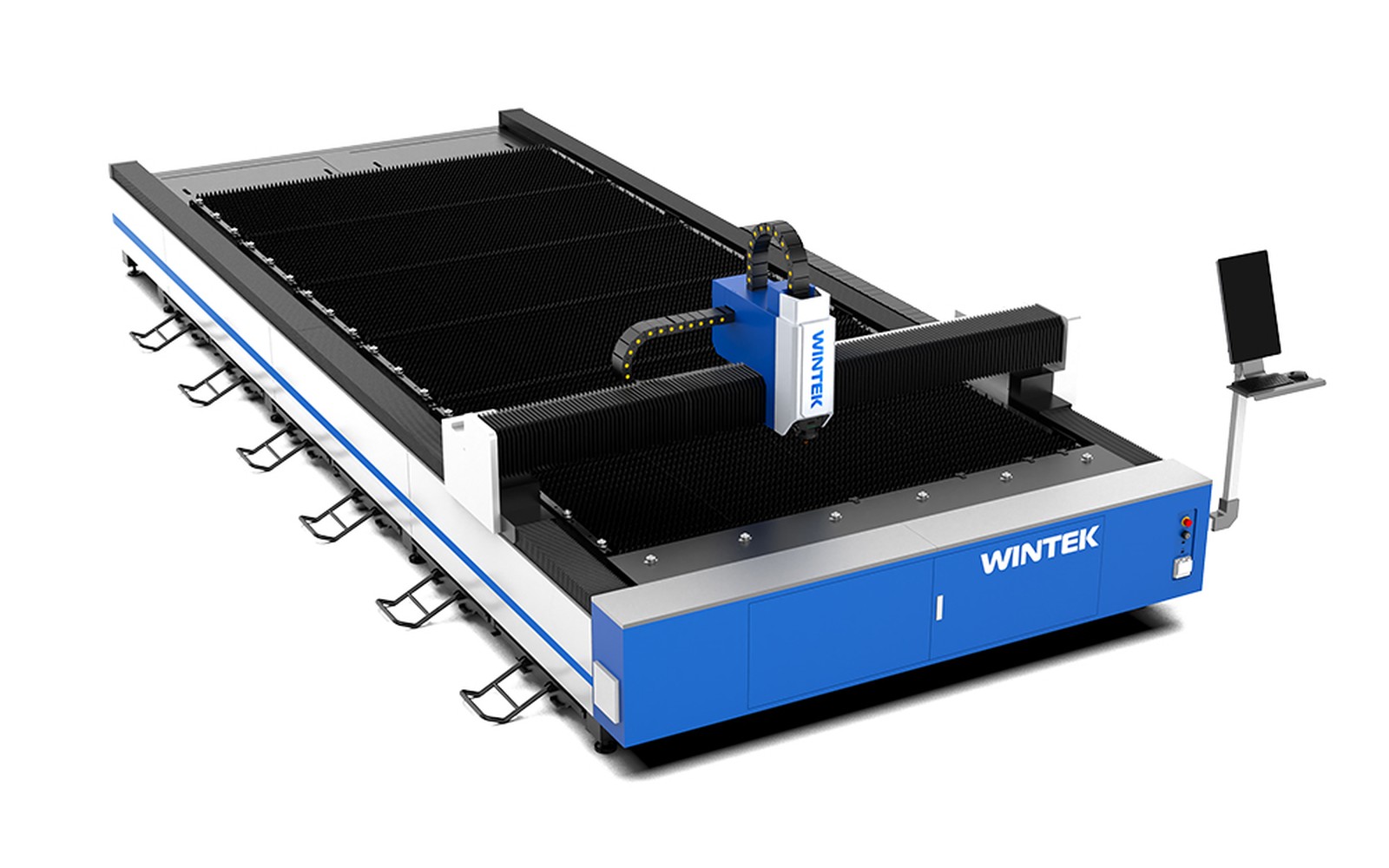
The CNC machine that is three years into a five-year note is sitting on equity. So is the press brake you bought used and paid off early, and the laser cutter that has been running double shifts since you installed it. Manufacturing equipment depreciates slowly on paper but holds value in the real market, and that value can be cash in your account this month.
Cash-out equipment refinancing is not just for heavy iron in a field. Metal fabricators, precision machinists, plastics manufacturers, and assembly operations use it to pull growth capital from their production floor equipment without disrupting a single shift.
We start at $50,000 per transaction. Most manufacturing operators fall between $100,000 and $600,000 depending on the equipment and how many machines are in the transaction. Funding typically takes one to two weeks from a complete application file.
The production floor contains multiple categories of lendable collateral. The primary classes we see:
Manufacturing businesses carry significant fixed-asset value relative to their working capital position. A shop with $2 million in CNC equipment may have $150,000 in the operating account, creating a real tension when a large order arrives that requires tooling, raw material inventory, or additional headcount.
Equipment equity solves that tension. The production floor becomes a balance sheet tool, not just a cost center. Cash out of a paid-down CNC machine goes toward raw material for the new contract, fixturing for the next program, or a down payment on the equipment that clears the bottleneck on the current line.
Manufacturing companies in precision machining corridors like Grand Rapids, Cincinnati, and Milwaukee use this structure regularly because the equipment investment is high and the cash-on-hand discipline required by precision manufacturing often leaves equity idle for years.
Manufacturers have two primary structures available. Cash-out refinancing uses the machine as collateral, pays off any existing lien, and sends proceeds to you. You retain ownership and the machine stays in the production plan without any operational change.
Equipment sale-leaseback is the second option. You sell the machine to a lender at market value, lease it back under a structured term, and receive the full sale price in cash. The machine continues on the production schedule. Monthly lease payments replace the prior note or start new if the machine was paid off. Sale-leaseback often generates more cash than standard refinancing, particularly for machines that are fully paid and where the loan-to-value cap would otherwise limit proceeds.
For manufacturers who care more about maximizing cash than maintaining ownership of specific machines, sale-leaseback frequently wins on the numbers.
Application, three months of business bank statements, and equipment details. For CNC equipment, we need the builder, model, year, control type (Fanuc, Siemens, or Mitsubishi controls on a machining center affect value), and the current payoff if any. For laser systems, the laser type and wattage are relevant to the valuation.
Manufacturing companies sometimes carry compressed credit profiles because of the capital structure of the business: high equipment debt, tight margins, and customer payment terms that stretch. We work with B and C credit. The B/C credit program is available and regularly used by small and mid-size manufacturers. If tax season produced a complicated return, or if there is a prior credit issue, apply and let us look at the current file rather than the historical one.
Tell us the machines, the payoffs, and what the capital is for. We will value the equipment and come back with a real term sheet the same day. No commitment needed to see the numbers.
These are the underwriting points the desk uses to turn the taxonomy page content into a real cash-out structure.
Revenue-producing equipment already working in the operation, with payoff and current value documented.
$50. The available cash is based on verified value minus the existing payoff.
One to two weeks.
Manufacturing businesses carry significant fixed-asset value relative to their working capital position.
Yes, control type is one factor in the valuation. Industry-standard controls like Fanuc and Siemens have broad support and a deeper secondary market, which typically supports value better than older or proprietary controls. We account for control type in the valuation rather than ignoring it.
Absolutely. Used equipment transactions are the norm, not the exception. If you bought a used laser cutter and have paid down the original purchase price significantly, or if you paid cash and own it outright, there is likely equity to access. The current market value is what matters, not the purchase channel.
Yes. Multi-machine transactions with a blanket lien across the fleet are common for manufacturers. It simplifies the structure to a single payment, reduces closing costs compared to individual transactions, and often produces a stronger overall loan-to-value position than dealing with each machine separately.
Refinancing produces cash proceeds that you can use for tooling, fixturing, raw material, or anything else. It does not restrict operations or change how the machines are used. The goal is to give you more capital to execute the work, not constrain it.
Equipment in a planned maintenance window or with a known repair scheduled is generally still eligible. We need to understand the situation and factor it into the assessment, but a machine being serviced is different from a machine with an unknown problem. Disclose the situation and we will work through it.
Send the machine, payoff, and target cash-out amount. We will review the file and come back with rate, term, payment, and net proceeds.
Tell us what you are buying, who is selling it, and when you need it earning. We will review the file and point you to the next step.