Collateral Reviewed
Crane Refinancing value, payoff, age, hours or mileage, attachments, condition, and remaining useful life.

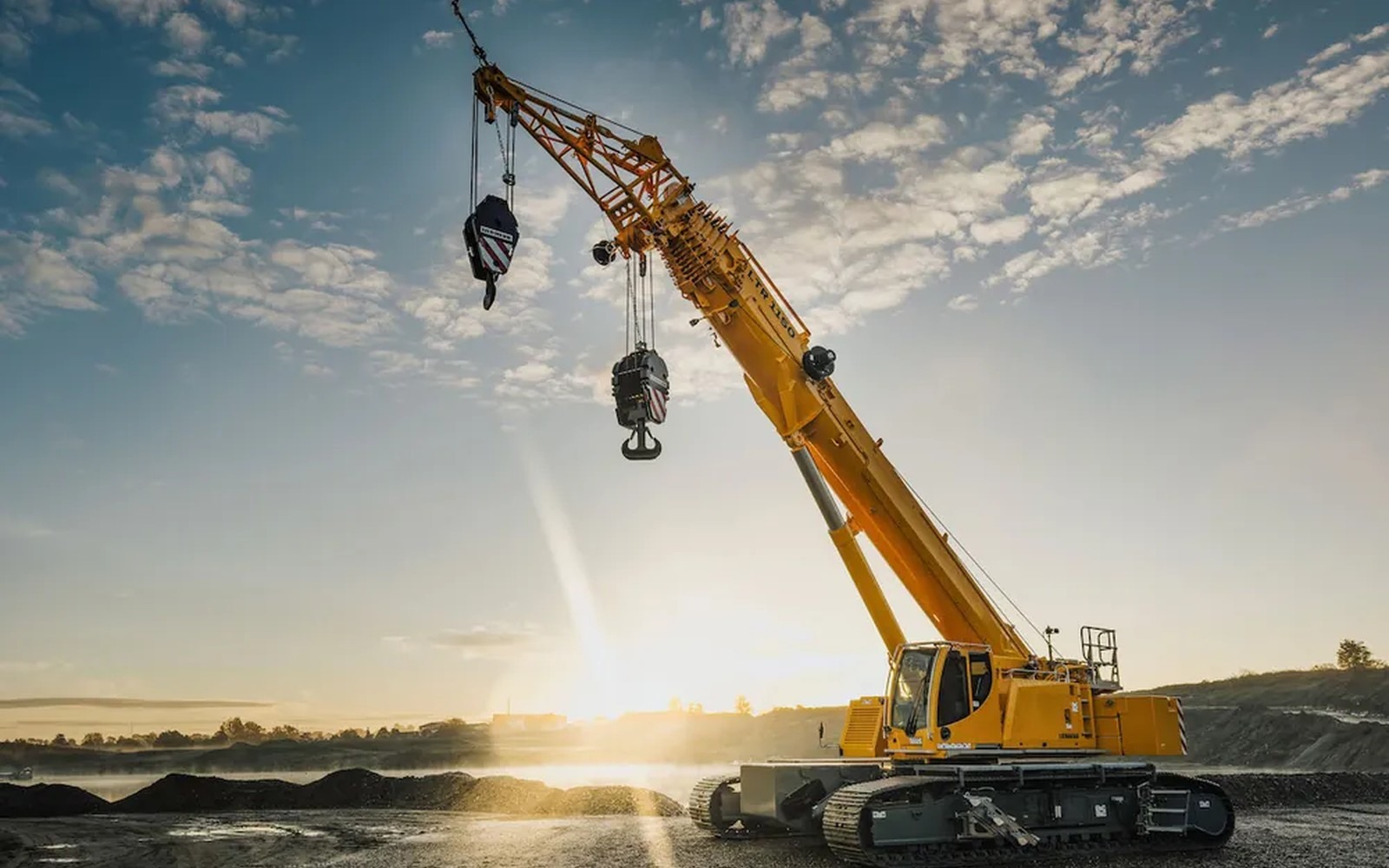
Crane equity is some of the densest in the heavy equipment market. A 60-ton or 100-ton mobile crane represents several hundred thousand dollars in asset value, and operators who own rather than rent are sitting on capital that could fund the next bid, cover a major repair on another piece of equipment, or serve as a down payment on a second crane. A cash-out refinance unlocks that capital without a crane sale and without slowing a single lift.
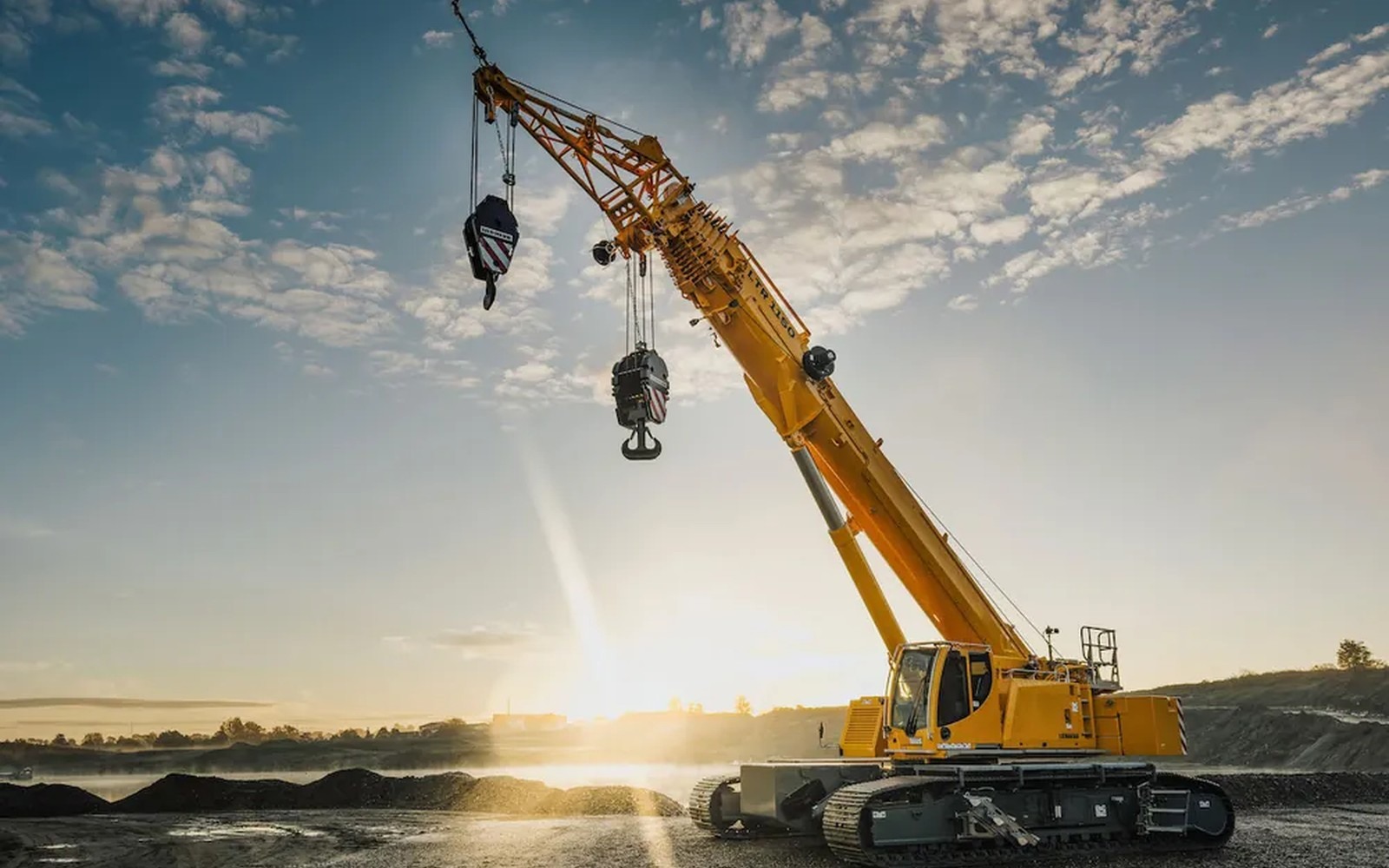
We handle crane refinancing across the class spectrum: rough-terrain cranes in the 15-ton to 60-ton range, all-terrain units, lattice boom cranes on crawlers, and larger telescoping boom mobile cranes. The structure is the same regardless of type. We size the equity, clear any existing lien, and fund the difference into your account.
Cranes are complex machines with intricate load charts, multiple certified configurations, and regulatory compliance requirements that affect their value. The lender's valuation process for a crane is more detailed than for a basic excavator or loader, and preparing the right documentation makes a real difference in the advance rate.
What drives the appraisal:
For a high-value crane costing on the order of $300k to $1k, both the cash-out refinance and the equipment sale-leaseback are worth modeling. The leaseback typically extracts more capital because the advance is based on the full market value, not just equity above a loan. For a free-and-clear crane worth $500,000, a leaseback at 80 percent advance returns $400,000. A refinance of the same machine returns the same amount minus any existing payoff.
The operational difference: under a sale-leaseback, the crane is titled to the lender during the lease term. You make monthly lease payments and retain full use for the term. At the end, you buy the crane back at a predetermined residual. Under a refinance, the crane stays in your name with a lien against it.
For lifting contractors, the leaseback sometimes simplifies the accounting treatment of a large asset. For operators who value clean ownership and flexibility to sell or trade during the term, the refinance is the better fit. We help you model both before you decide.
Crane transactions commonly exceed the $400,000 threshold, which means the package typically includes two years of business tax returns alongside the application and bank statements. Smaller rough-terrain cranes in the under-$300,000 range may qualify for application-only financing, particularly when credit is solid and machine documentation is complete.
Required documentation:
We work with B and C credit on crane refinancing. The B/C credit track is available for borrowers with credit challenges when the asset quality and business cash flow support the transaction. The crane's market value is the cornerstone of the underwriting; credit is one of several factors, not the only one.
Crane owners who pursue refinancing tend to fall into a few profiles:
These are the underwriting points the desk uses to turn the taxonomy page content into a real cash-out structure.
Crane Refinancing value, payoff, age, hours or mileage, attachments, condition, and remaining useful life.
$300. The available cash is based on verified value minus the existing payoff.
1-2 weeks.
Crane owners who pursue refinancing tend to fall into a few profiles: Industrial lift contractors who own multiple cranes and use equity in paid-off units to fund expansions.
A current annual inspection significantly speeds the process and supports a better appraisal. If the inspection is expired, the lender may require one before closing. Scheduling an inspection before you apply is the cleanest path if yours has lapsed.
Yes. The crane does not need to be in a yard. Crawler cranes on active projects refinance regularly. We document the machine's location, verify it is under your operational control, and proceed with the underwriting. Being on a job is not a disqualifying condition.
A missing counterweight segment reduces the machine's rated capacity and its market value. The reduction depends on whether the configuration still allows productive work at lower capacities. If the segment can be located and sourced affordably, doing so before the appraisal is worth the effort.
Yes. A fleet refinance covers multiple cranes in a single transaction. Each is individually appraised and the combined advance is structured in one loan. Fleet transactions are common among rental companies and multi-crane lift contractors.
Most transactions close in one to two weeks from a complete package. Larger transactions with full financials take the same time if documentation is submitted promptly. Third-party appraisals, when required for specialty or older cranes, add three to five business days.
Tell us the crane type, capacity, configuration, and current payoff if any. We size the equity, model the refinance and leaseback side by side, and give you real numbers. Application is the starting point, and we move from there to a term sheet as fast as the documentation allows. Funding in one to two weeks. Start today.
Tell us what you are buying, who is selling it, and when you need it earning. We will review the file and point you to the next step.