Collateral Reviewed
Revenue-producing equipment already working in the operation, with payoff and current value documented.


Cash comes in at harvest. Inputs come out in March and April. That gap is where farm operators get squeezed every year, and a tractor or combine that has been paid on for three seasons is carrying equity that can bridge it. That is the straightforward case for cash-out equipment refinancing in agriculture.
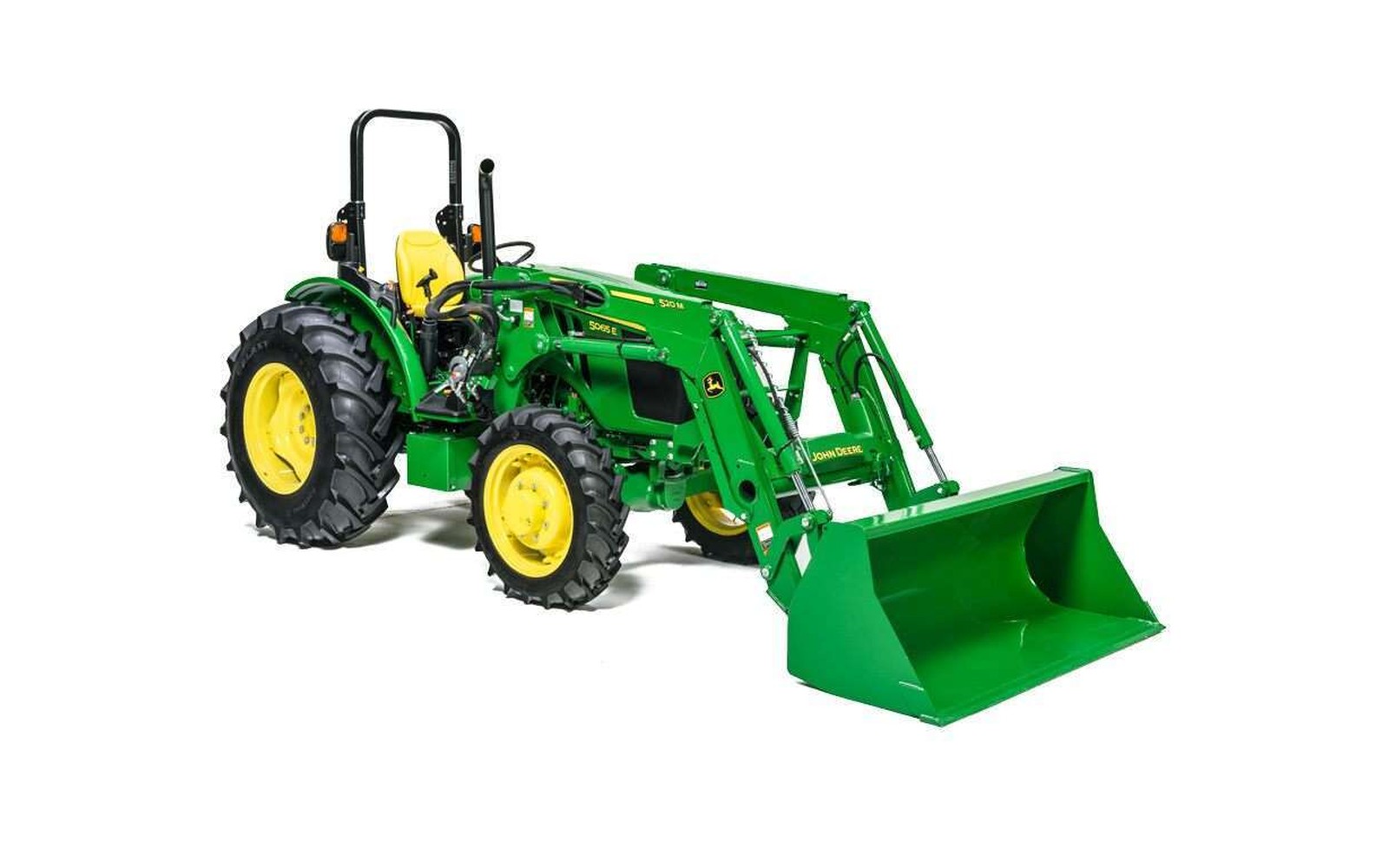
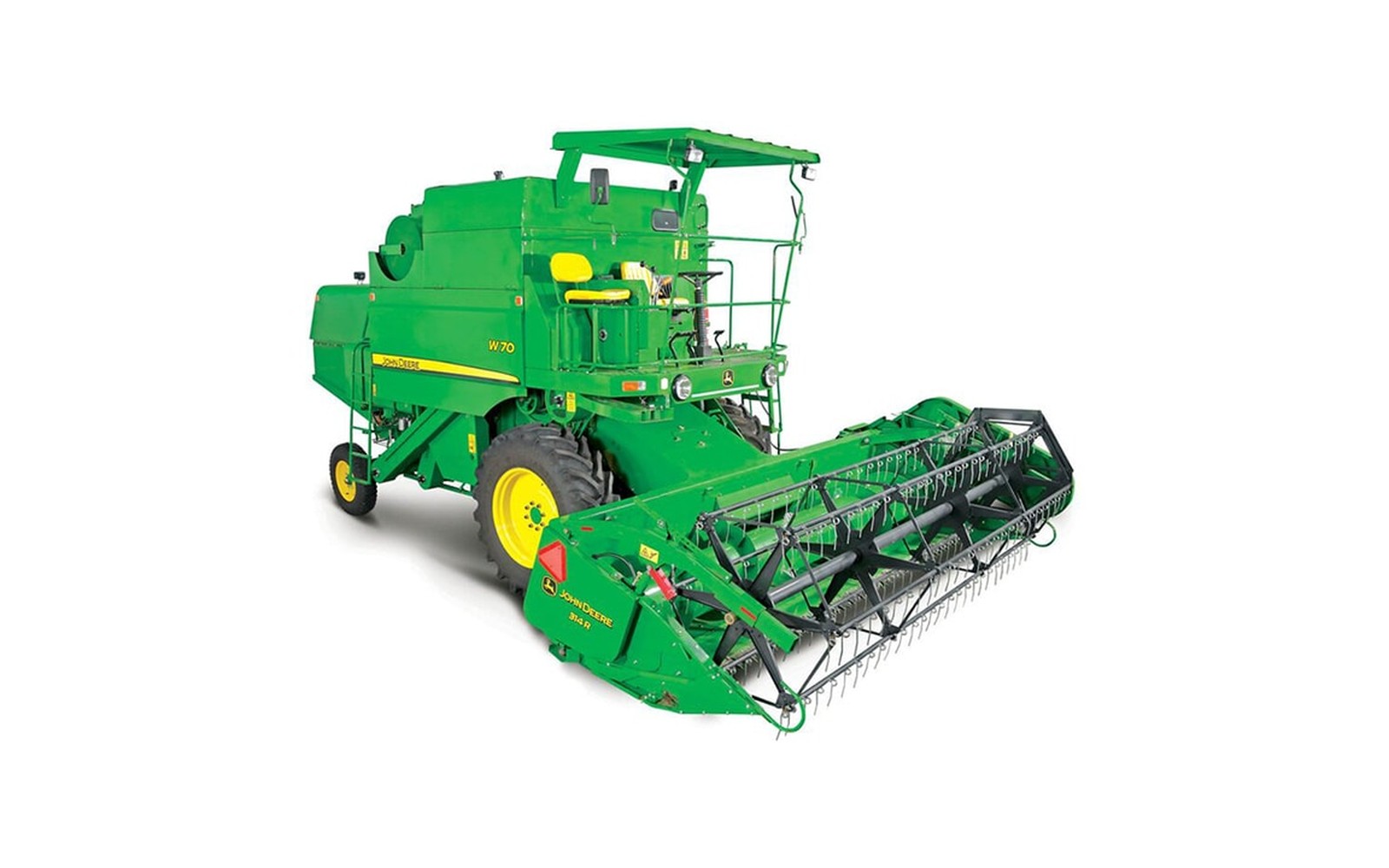
We work with row crop producers, livestock operations, specialty growers, and commercial farming enterprises. The equipment that drives those businesses, from large row-crop tractors to combines to specialty harvest equipment, holds value remarkably well in the secondary market and makes solid collateral for a refinancing transaction.
Minimum transaction is $50,000. Farm equipment refinancing often runs higher: a well-equipped row-crop operation may have $300,000 to $600,000 in extractable equity across the tractor and combine fleet. Funding takes one to two weeks from a complete file.
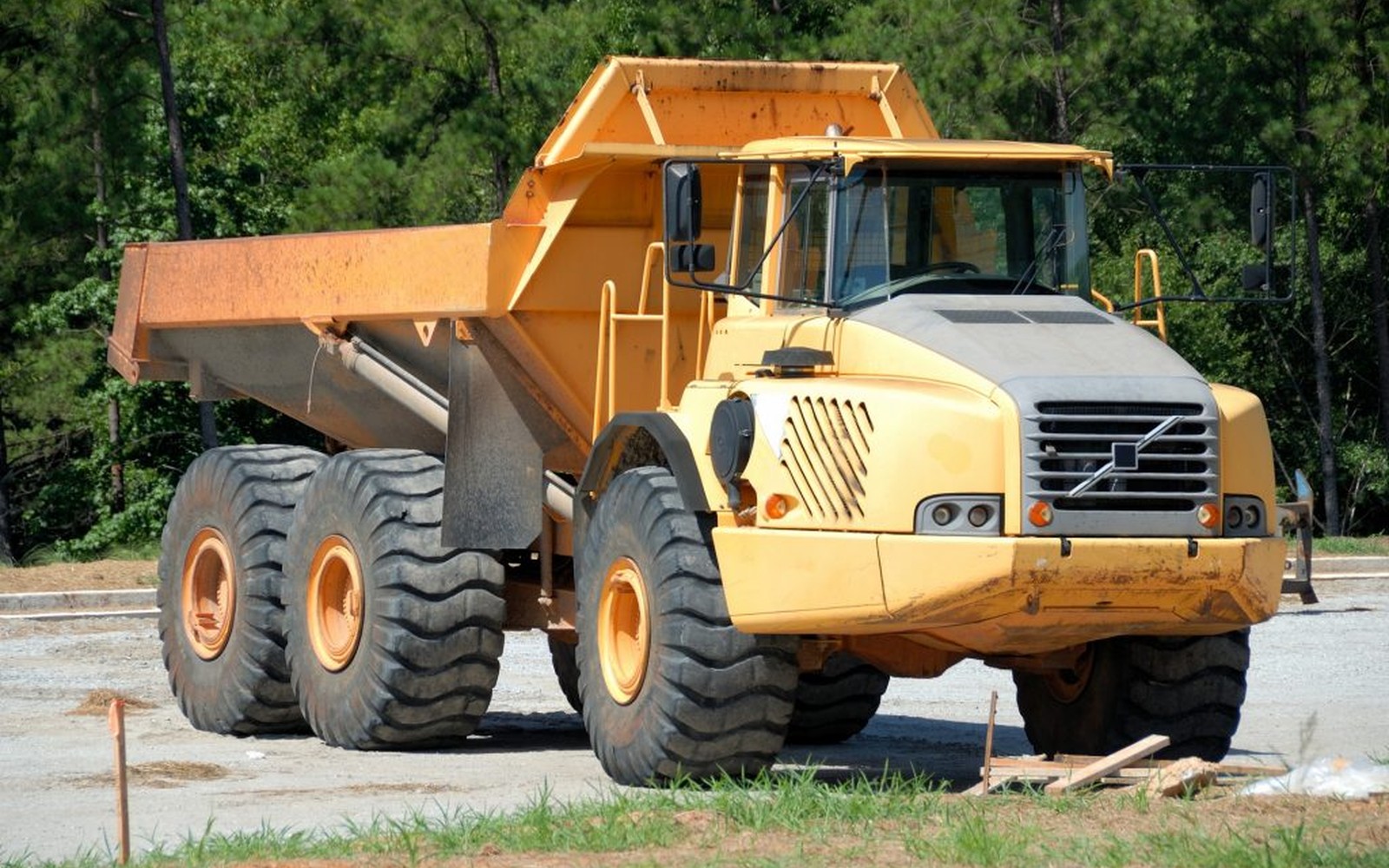
The machinery that carries the most equity in a typical farming operation includes the larger powered units. Specifically:
Header equipment, tillage tools, and planting equipment are generally excluded from the primary collateral because their secondary market is shallower, but we focus on the primary powered units where the equity is concentrated.
Agriculture has one of the most pronounced seasonal cash-flow profiles of any industry. Input costs, seed, fertilizer, fuel, and chemicals, are a spring expense. Labor and machinery costs run throughout the growing season. Revenue is largely concentrated in fall harvest months. The result is a cash-flow shape that is negative for nine months of the year and positive for about three.
Farm operating loans from production lenders cover some of that gap, but they are often tied to crop revenue expectations and may not cover non-crop capital needs: repair an aging grain bin, put in new tile drainage, add livestock infrastructure, or make the down payment on additional ground. Equipment equity covers those needs when crop loan proceeds are committed to inputs.
Farmers in the Corn Belt states including Iowa, Nebraska, and Minnesota use equipment equity to manage the spring capital crunch without disrupting their production loan structure. The two sources of capital serve different purposes and do not have to compete.
Standard cash-out refinancing puts a lien on the tractor or combine and delivers net proceeds after clearing any existing payoff. You retain ownership and can continue operating the equipment exactly as before.
Equipment sale-leaseback goes a step further: you sell the machine to a lender at market value and lease it back under a structured payment. The full sale value comes to you at closing rather than just the equity. Lease payments replace the prior note or start fresh if the machine was paid off. Sale-leaseback is worth considering for equipment that is fully paid off and where maximum cash extraction is the priority.
Many farm operators prefer to keep title to their equipment long-term. For those, a cash-out refi preserves ownership while still generating the capital needed. We walk through both options and the numbers behind each when you apply.
Farm operators often have distinctive financial profiles: income concentrated in the fall, operating debt structured through FSA or farm credit lenders, and personal and business income mixed on Schedule F tax returns. We account for that structure in underwriting rather than treating a farm like a retail business.
Documentation is three months of business bank statements plus equipment details. For combines and large tractors, the model year, hours, and current payoff are the core variables. Operators with a prior lender payoff notice can provide that as well. For amounts up to roughly $400,000, application-only financing applies without requiring a full tax return package.
Seasonal income patterns show up in bank statements, and we normalize for that. The relevant question is not whether the March statement shows crop sales, it is whether the operation is demonstrably active and revenue-generating over the season. Three months of statements around the harvest and post-harvest period tell that story clearly.
These are the underwriting points the desk uses to turn the taxonomy page content into a real cash-out structure.
Revenue-producing equipment already working in the operation, with payoff and current value documented.
$50. The available cash is based on verified value minus the existing payoff.
One to two weeks.
Agriculture has one of the most pronounced seasonal cash-flow profiles of any industry.
Combines are by nature seasonal equipment and lenders who finance agricultural equipment understand that. Utilization in hours is the relevant metric, not weeks of operation. A combine with 1,200 hours over four seasons is at a reasonable point in its service life and typically supports a strong valuation relative to a combine with 3,500 hours in the same years.
It depends on whether the FSA loan contains a lien restriction that would prevent a secondary lien. Some FSA guaranteed loan programs do restrict additional liens without approval. We can work with your lender situation, but you should verify the terms of your FSA financing before applying. If there is a restriction, we explore what structures are available within those constraints.
Proceeds from equipment refinancing are unrestricted. Drainage tile, grain storage, livestock infrastructure, or any other farm capital investment is a completely acceptable use. Many farm operators use equipment equity for exactly this kind of farm improvement that falls outside what crop operating loans cover.
We use secondary market data including auction results and dealer-listed values for your specific model and hours range. A well-maintained John Deere or Case IH combine from a decade ago still commands real market value if hours are reasonable and the machine is mechanically sound. Maintenance documentation strengthens the valuation.
Yes. Multi-machine transactions are common and efficient. A blanket lien across both the tractor and combine in a single closing produces one payment and typically a cleaner overall structure than two separate transactions. It is also often faster than sequencing them.
Tell us the tractor or combine, the model year, hours, and what you owe on it. We run the comps and come back with real numbers the same day. No pressure, no commitment to see what your equipment is worth.
Tell us what you are buying, who is selling it, and when you need it earning. We will review the file and point you to the next step.