Collateral Reviewed
John Deere Equipment Refinancing equipment value, model mix, payoff, serial information, hours or mileage, and dealer or auction support.

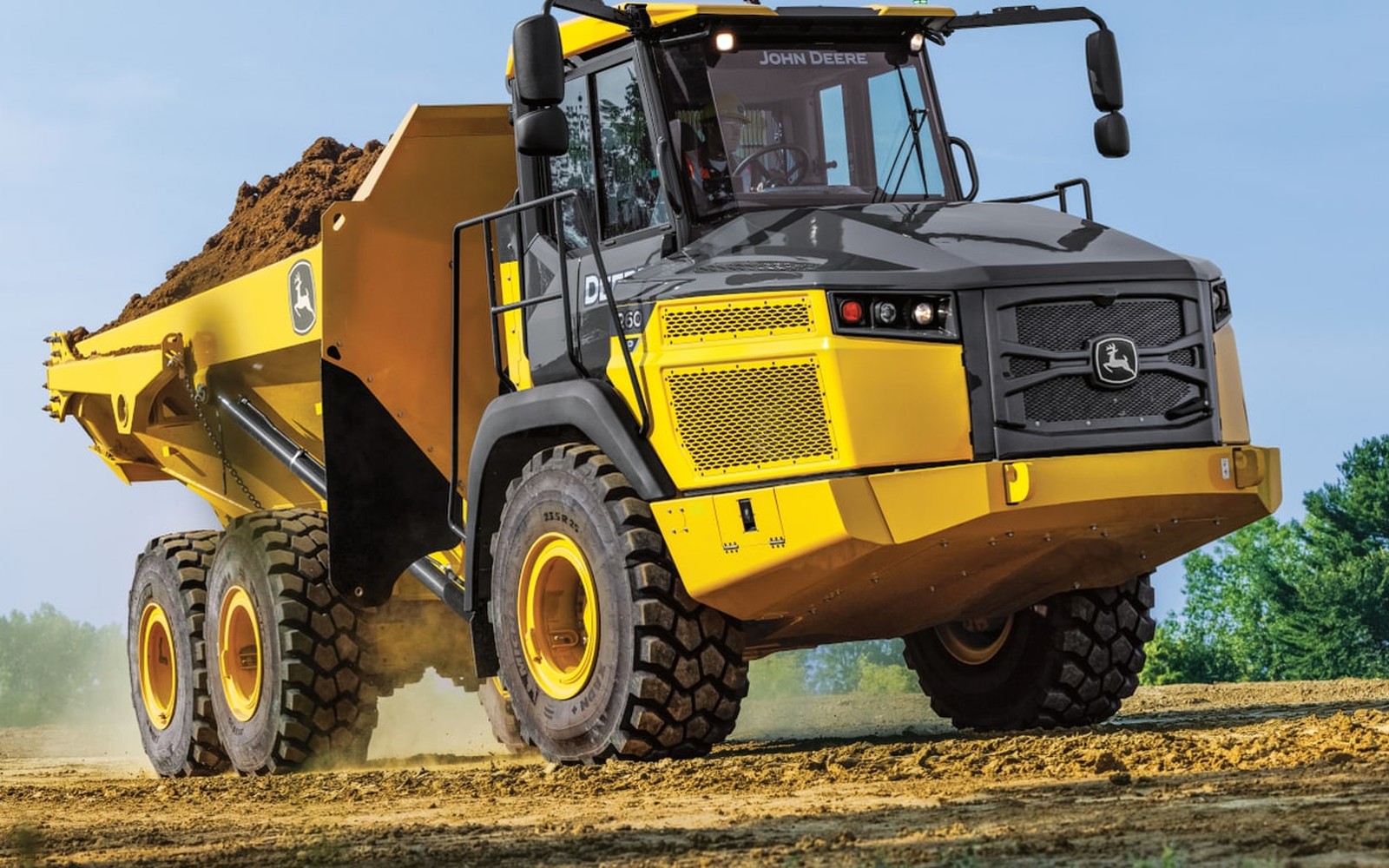
John Deere iron is collateral lenders respect. The combination of high resale demand, broad parts availability, and a dealer network covering every corner of the country makes Deere equipment one of the easier asset categories to finance against. If you carry a Deere machine with equity sitting in it, that equity is accessible now, without a sale.
A John Deere refinance works for construction and site-work operators who own backhoes, excavators, and wheel loaders, as well as for farm operations carrying large ag equipment. The goal is the same in every case: convert the ownership equity into liquid capital while keeping the machine on the job or in the field. We handle equipment refinancing across the full Deere product range, from compact machines to large row-crop tractors and combines.
Not every machine appraises the same way. Larger Deere equipment with strong resale markets gives you the most leverage in a refinance transaction. Here is how common categories shake out:
Across all these categories, the key number is the spread between current market value and any existing lien balance. That spread is your equity, and that equity is what we lend against.
The majority of John Deere machines we refinance are used. Older Deere equipment, particularly well-maintained machines from the past decade, often carries more borrowing power than contractors and farmers expect. The reason is straightforward: Deere's brand premium and parts ecosystem sustain auction values longer than competing brands in several categories.
A used Deere backhoe from the mid-2010s, well maintained with service records, can still appraise for a number that supports a meaningful cash-out transaction. Used equipment financing on Deere iron is not a secondary option, it is a primary product for us. We underwrite the asset on its merits, not on whether it is new.
Age and hours matter but they are not the only factors. A machine that holds market demand and has clear title or an easily payable lien is workable at almost any vintage.
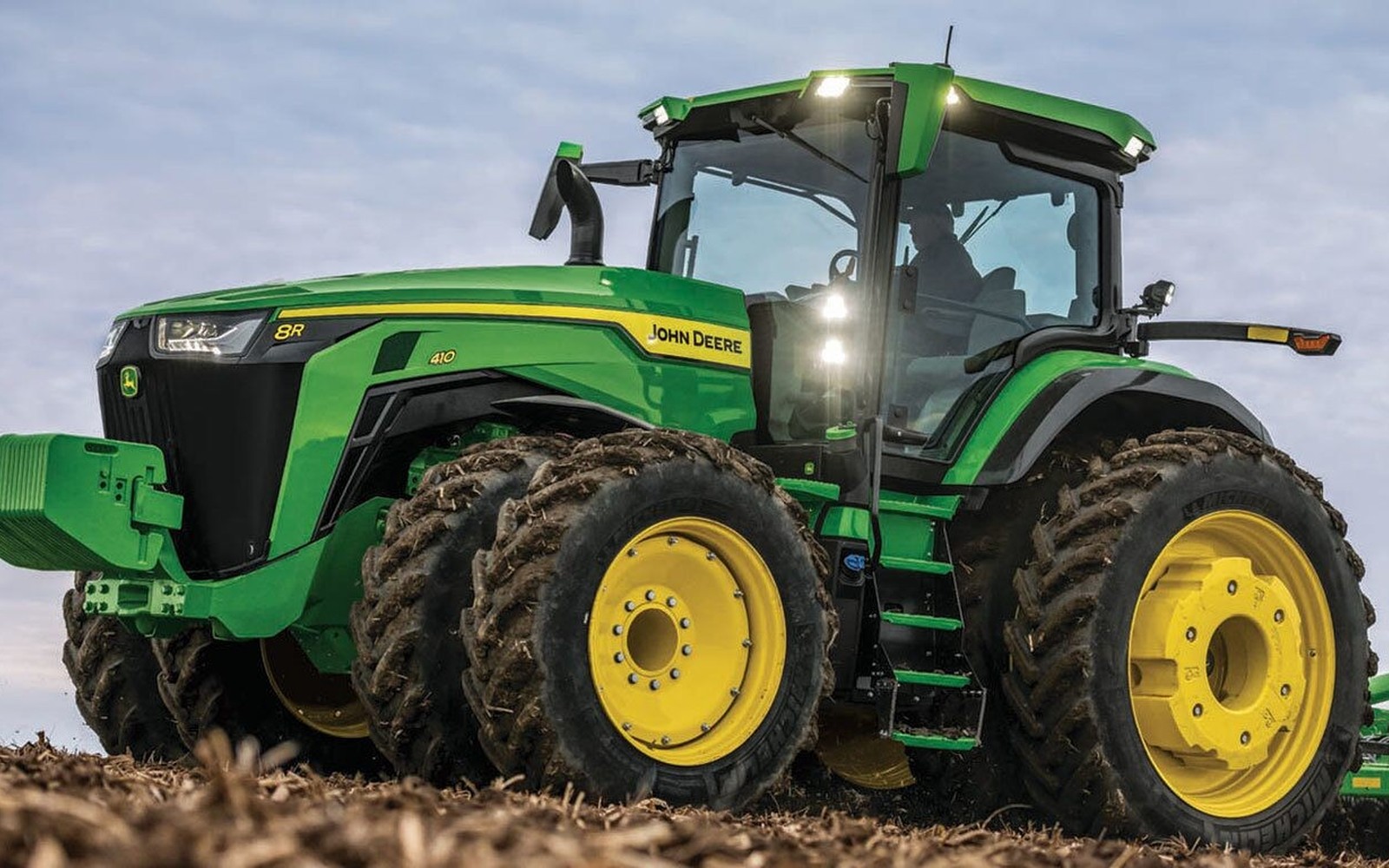
Agriculture and farming operators with paid-off or nearly paid-off large Deere equipment sit on substantial equity. Combines and large tractors represent some of the biggest single-asset refinance opportunities we process. Pulling cash from a paid S780 combine heading into planting season is a straightforward transaction for an operation with consistent revenue.
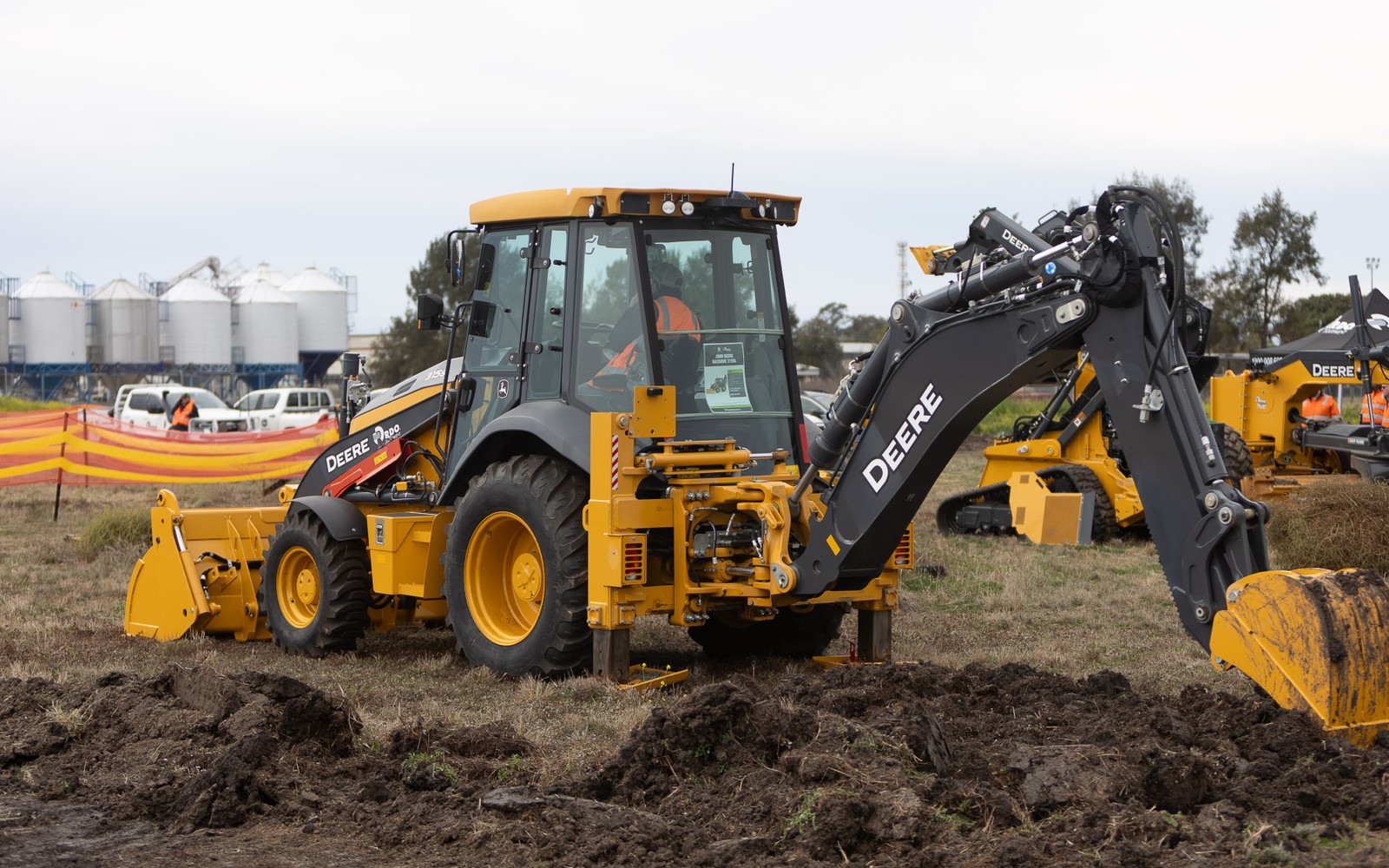
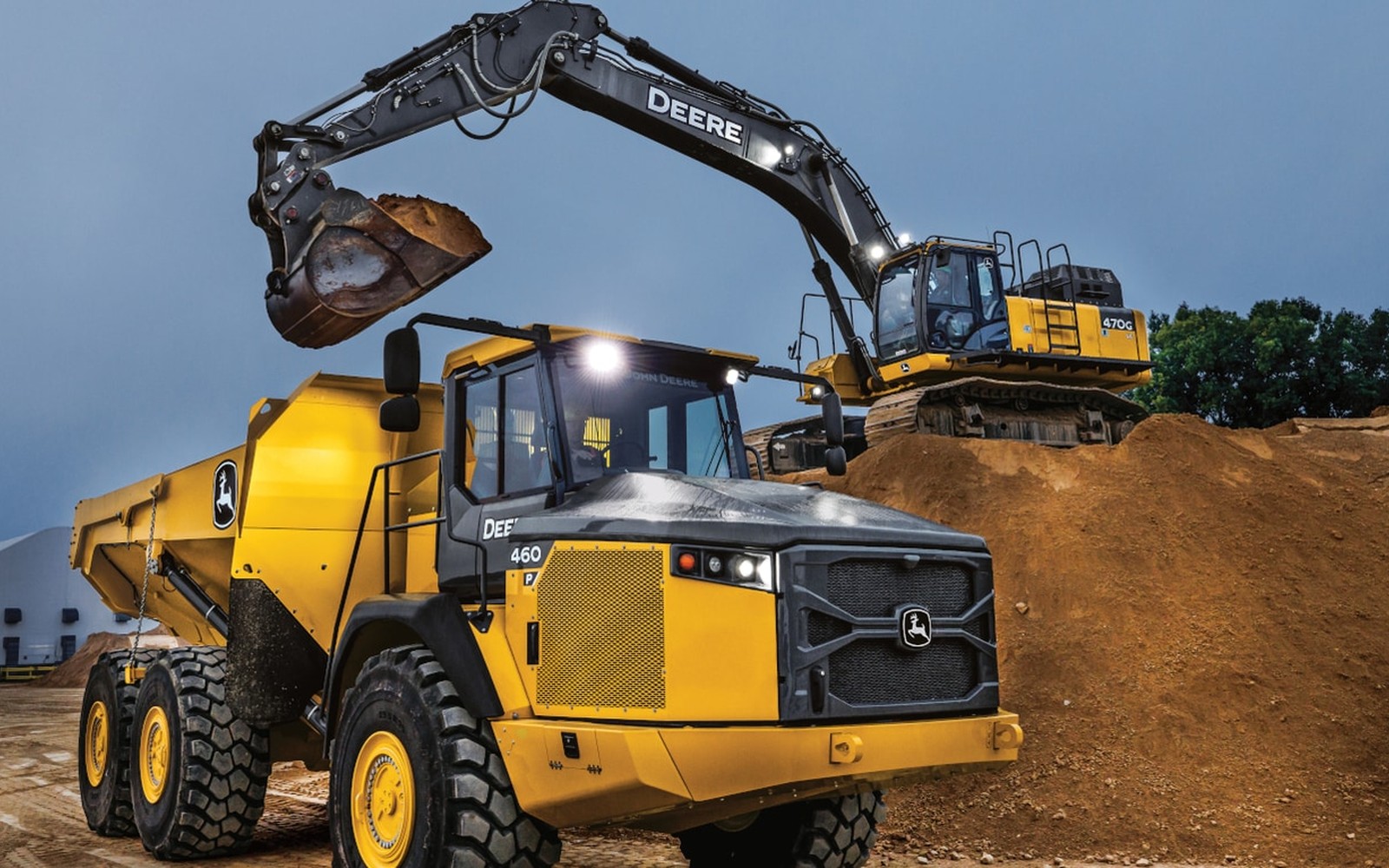
On the construction side, excavation and site-work contractors carrying Deere backhoes and track loaders come to us frequently. A contractor who paid off a fleet of 310 backhoes three seasons ago has an asset that can fund a new equipment purchase, a bid bond deposit, or a bridge gap on a slow receivable cycle without touching a bank line of credit.
Minimum transaction is $50,000. Most Deere refinance deals we see run $100,000 to $400,000, with larger ag equipment deals going higher. B/C credit is considered when collateral is strong.
One scenario that recurs in our Deere portfolio: a corn belt operator who bought an S780 combine on a seven-year note, paid it off in year five due to strong commodity markets, and now sits on a machine worth significantly more than zero debt. That operator needs operating capital heading into spring, and the combine is the cleanest asset on the balance sheet to borrow against. The bank operating line is already tapped for seed and fertilizer. A combine refinance sits outside that structure entirely and puts a fresh check in the account before planting starts.
Another common profile is the excavation contractor who runs a mixed fleet with John Deere backhoes doing utility and site prep work. After several years of consistent payments, two or three of those backhoes are paid off while newer machines still carry debt. A fleet refinance on the paid Deere machines funds the next machine purchase or covers a slow receivable period without requiring the contractor to go back to the bank for a new loan approval.
Operators who finance John Deere equipment through Deere Financial often find themselves locked into dealer-arranged rates that were competitive at the time of purchase but have since drifted above market. A straight rate-reduction refinance, without cash-out, can reduce monthly payments significantly on a machine with three or four years of payments remaining. The payment savings compound over the remaining term into real money. Whether the goal is a lower rate, a cash-out advance, or a combination of both, we model the options so you see actual numbers before committing to a structure. The transaction is not one-size-fits-all. It is designed around what your operation needs and what the machine supports.
Operators who finance John Deere equipment through Deere Financial often find themselves locked into dealer-arranged rates that were competitive at the time of purchase but have since drifted above market. A straight rate-reduction refinance, without cash-out, can reduce monthly payments significantly on a machine with three or four years of payments remaining. The payment savings compound over the remaining term into real money. Whether the goal is a lower rate, a cash-out advance, or a combination of both, we model the options so you see actual numbers before committing to a structure. The transaction is not one-size-fits-all. It is designed around what your operation needs and what the machine supports.
The documentation requirement is lighter than most contractors and farmers expect. For transactions under approximately $400,000, we can often work on an application-only basis. What we need: three months of business bank statements, the year, model, and approximate hours on the machine, and details on any existing lien.
For larger transactions or farm operations with complex seasonal cash flow patterns, we may ask for more context. But we are underwriting the asset heavily here. A Deere machine with strong equity and clear title gets to the finish line even when the credit story has some texture to it.
Business entities of all types work: sole proprietorships, LLCs, S-corps, and partnerships. Personal guaranty is typically required for small business transactions.
We also work with operators who bought Deere equipment at private party or auction and do not have a full dealer service history on file. If the machine is titled in your name and the condition holds up to market evaluation, the purchase channel does not affect your eligibility. What matters is what the machine is worth today and what your bank statements show about the health of the business generating revenue from that machine.
These are the underwriting points the desk uses to turn the taxonomy page content into a real cash-out structure.
John Deere Equipment Refinancing equipment value, model mix, payoff, serial information, hours or mileage, and dealer or auction support.
$50. The available cash is based on verified value minus the existing payoff.
1-2 weeks.
The majority of John Deere machines we refinance are used.
Yes. We pay off the existing John Deere Financial note as part of the transaction and replace it with our lender's lien. If the market value is above the payoff, you receive the difference as cash.
Yes. Timing around the season does not restrict eligibility. The combine sits as collateral regardless of whether it is in the field. Some farm operators prefer to close transactions during the off-season when the paperwork is easier to manage.
For most transactions, a physical inspection is not required before funding. We work from provided machine details and market data. Large transactions or situations where hours seem unusually low for the age may prompt a desktop or drive-by appraisal.
Yes. Blanket refinance structures covering multiple machines of different brands are a real option. We can lend against a pool of equipment and issue a single payoff covering multiple assets.
Private and auction purchases are fine. We need the title or certificate of origin in your name. If the title paperwork is still in transit, we can work around that with appropriate documentation from the auction house.
Tell us the model, year, hours, and any existing lien. We come back with a cash-out estimate and a rate range fast. No pressure to move forward until the numbers work for you.
Tell us what you are buying, who is selling it, and when you need it earning. We will review the file and point you to the next step.