Collateral Reviewed
Revenue-producing equipment already working in the operation, with payoff and current value documented.

Your excavator has been paid on for two or three years. That equity is productive capital trapped in metal. Cash-out equipment refinancing releases it so you can bid bigger, mobilize faster, or add a machine without draining your operating account.
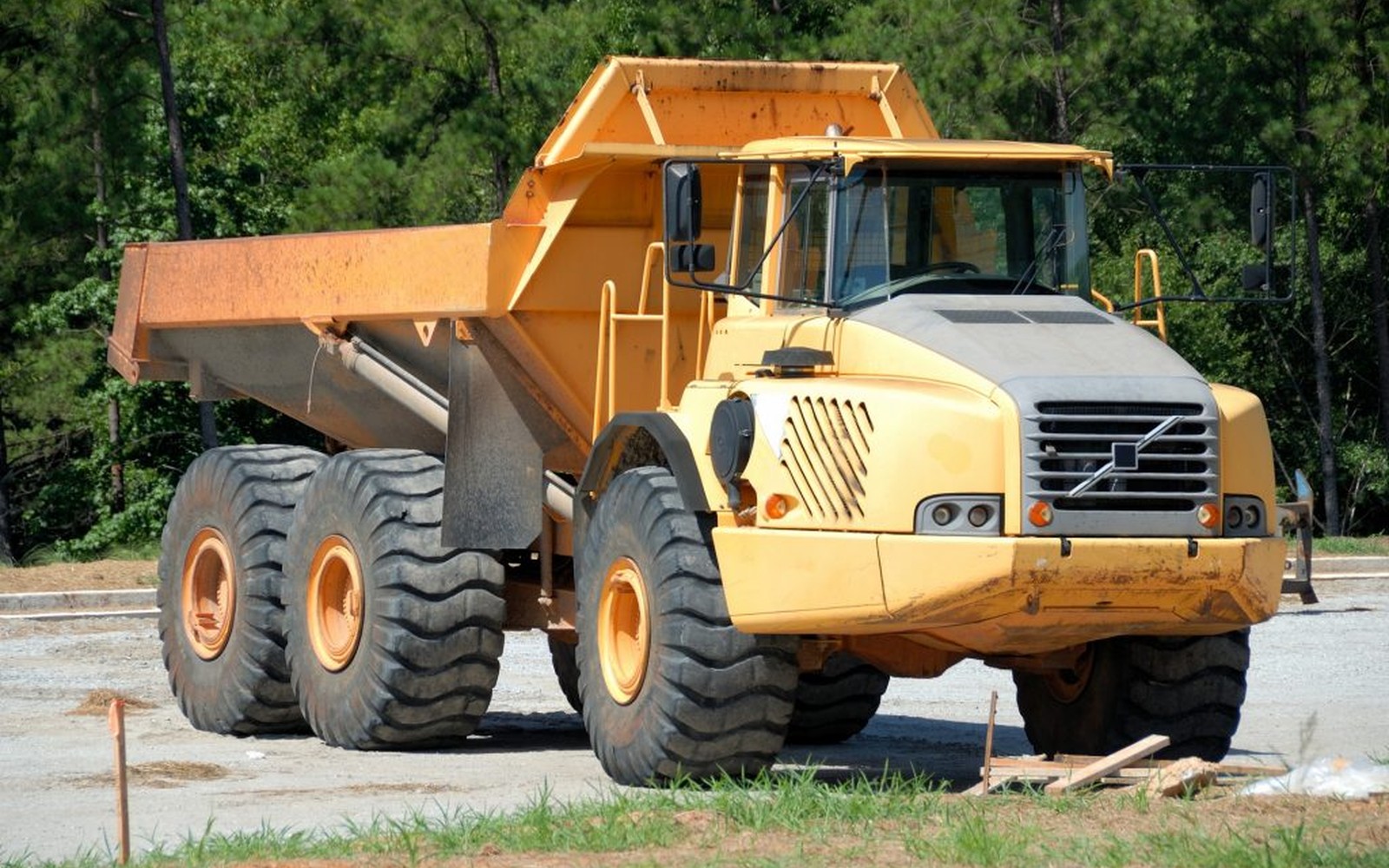
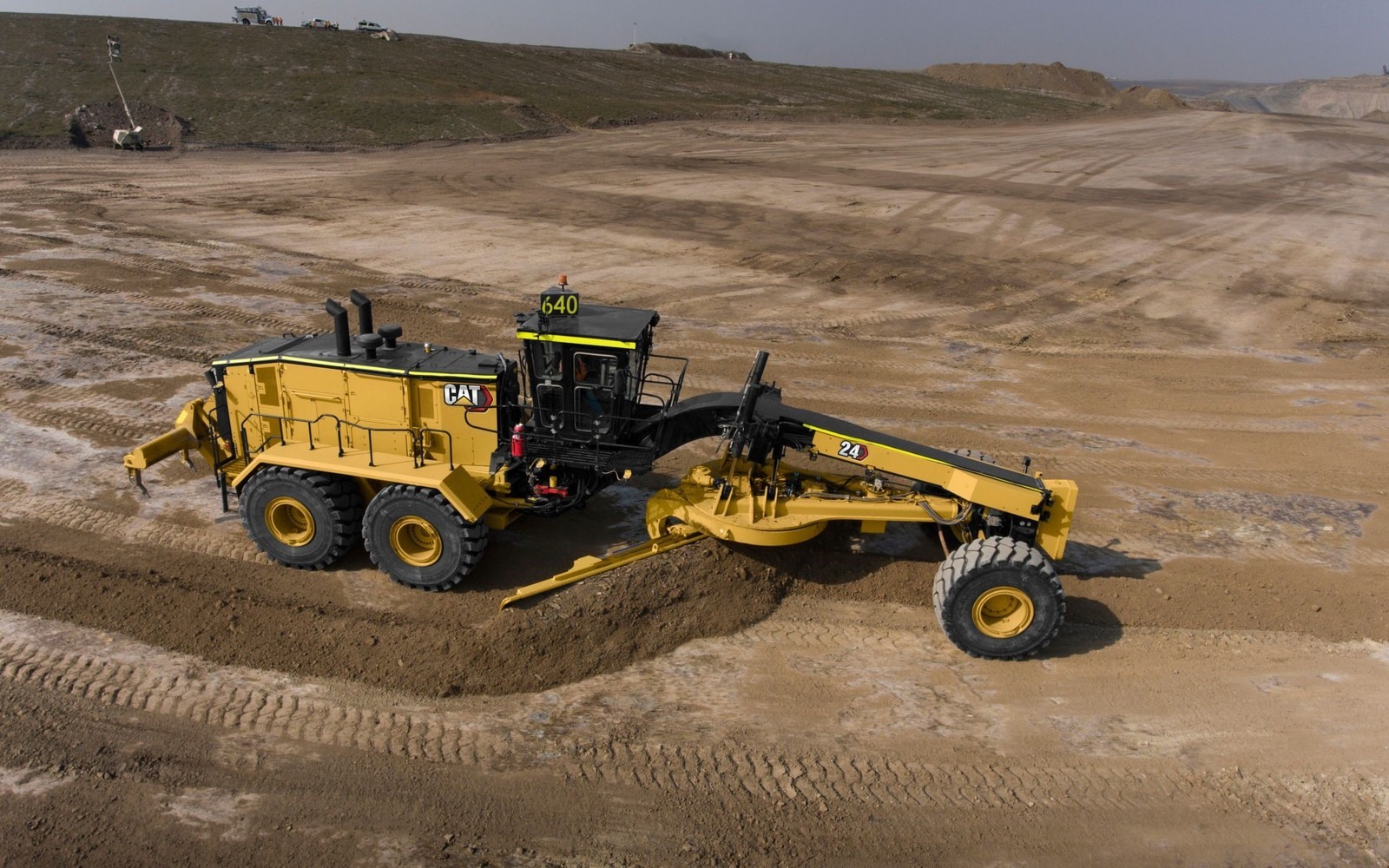
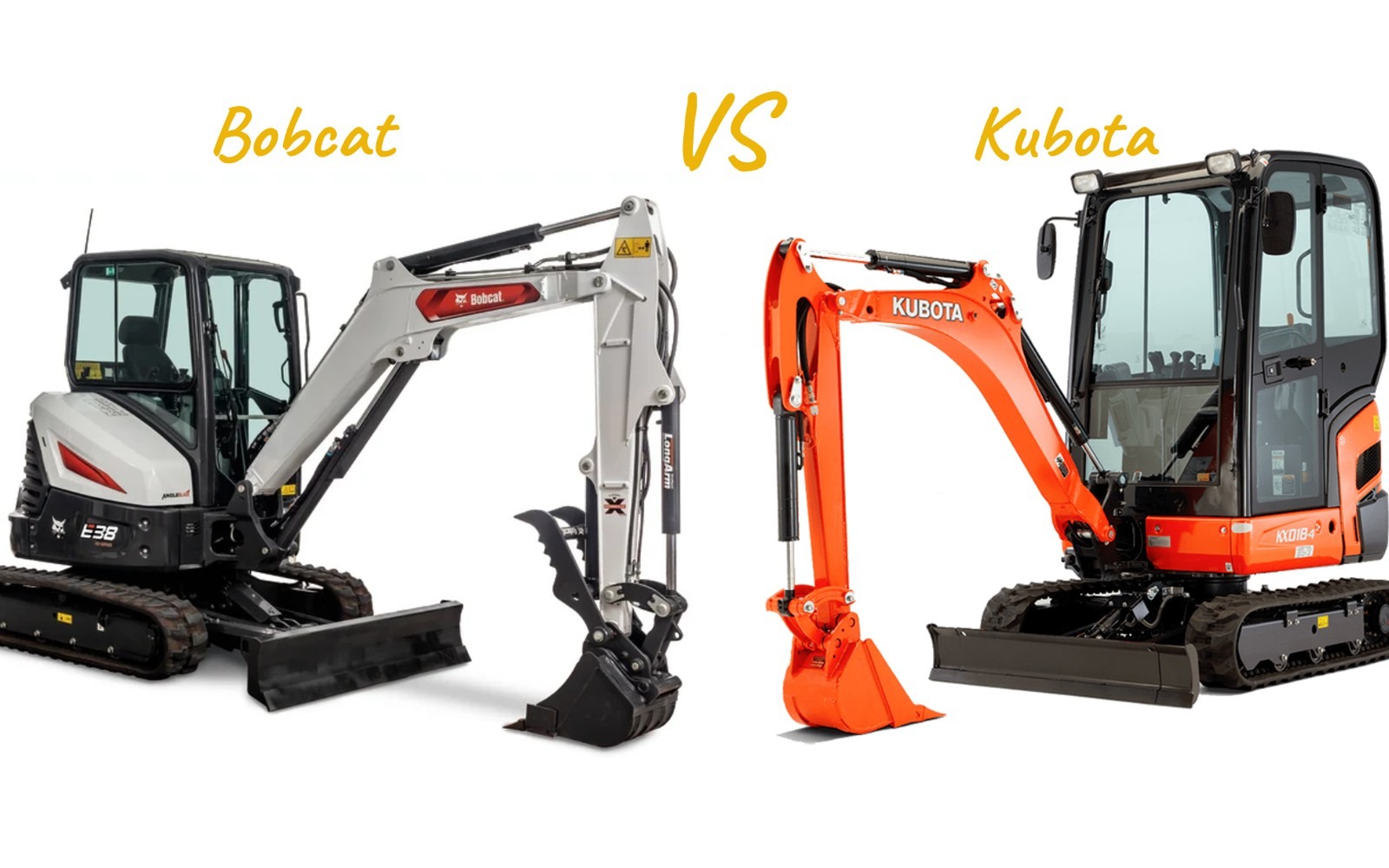
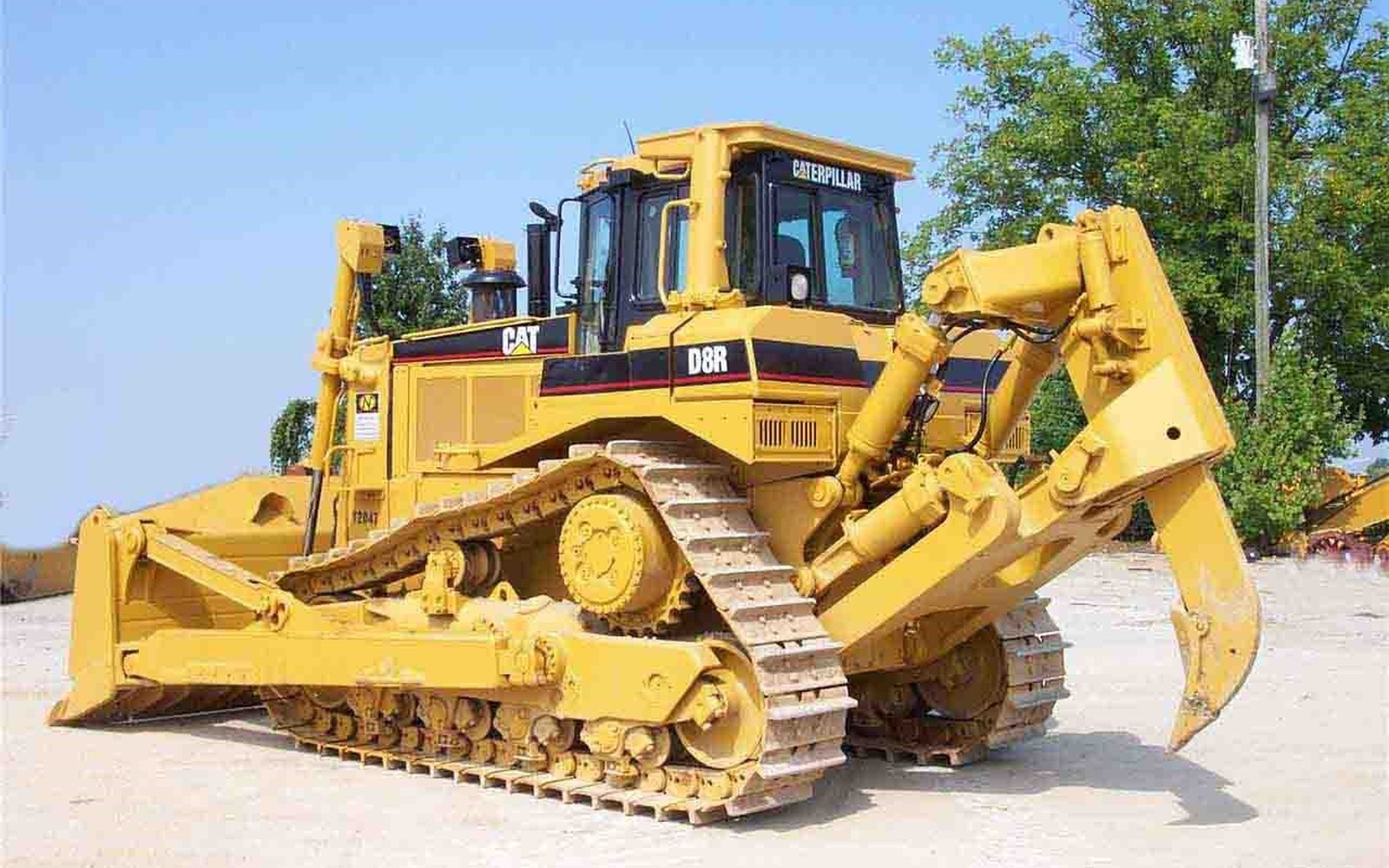
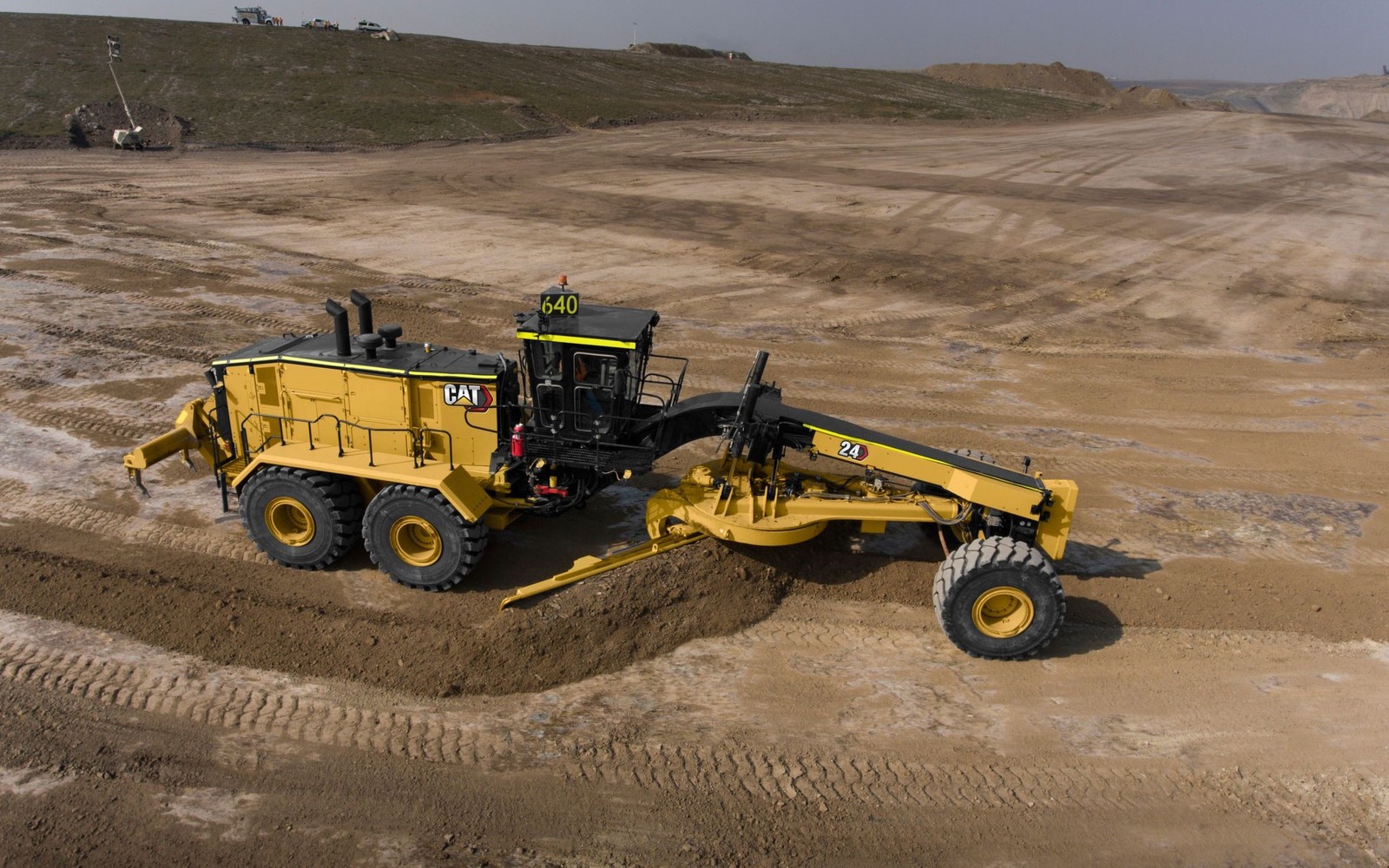
Excavation and site work contractors are among the highest-volume users of this structure. The iron is heavy, it holds value, and most owners have meaningful equity in it by the time they look at the next contract cycle. We fund against excavators, dozers, loaders, graders, scrapers, and articulated dump trucks, both new and used.
The minimum transaction is $50,000, and most site work operators fall somewhere between $100,000 and $400,000 per transaction. Application-only processing covers most of that range, and we close in roughly one to two weeks from a complete file.
Site work fleets center on moving dirt and shaping grade. The equipment we see most often in this space:
Used equipment is evaluated on its own merits. Age and hours matter, but what we are really looking at is fair market value relative to the requested loan amount.
Site work is front-loaded. The contractor mobilizes, clears, and grades before any structure goes up. That work often happens well before the first owner draw and long before any subcontract payment flows back down the chain. The cash-flow gap between mobilizing on a new job and getting paid for it is real, and it catches undercapitalized operators every time.
Pulling equity from existing equipment solves that problem without going to a line of credit that competes with other borrowing, without finding an investor who wants a piece of the contract, and without waiting for a bank to process a new loan on a new machine. The iron you already own becomes the bridge.
Operators in growth markets like Denver, Austin, and Charlotte where residential and commercial development have stayed strong run this transaction repeatedly as the fleet matures. It is a capital structure, not a one-time fix.
Two structures fit site work operators most often. Standard refinancing places a lien on the machine and generates cash proceeds. Equipment sale-leaseback goes further: you sell the machine to the lender and lease it back, keeping it in the field while receiving the full liquidation value in cash upfront.
Sale-leaseback produces more cash than a standard cash-out refi because you are monetizing the full value of the asset, not just the equity above an existing lien. The trade-off is that you no longer own the machine outright during the lease term. For contractors who care about cash in hand more than the title on a specific piece of iron, it is often the better move.
We walk through both structures when you apply so you can choose based on your actual numbers.
The process is not complicated. You fill out an application and provide three months of business bank statements. We need the equipment details: make, model, year, serial number, current payoff balance if any, and a rough idea of hours. We order a value estimate and come back with a term sheet.
If the term sheet works, you sign the loan docs and we wire the proceeds. Most transactions close in seven to fourteen days from a complete application. If you are racing a contract start date, tell us that upfront and we will prioritize accordingly.
For amounts up to roughly $400,000, the process is Application-Only Financing. Larger transactions require financial statements. Either way, we keep the document request tight and the timeline predictable.
Give us the machine details and what you need the capital for. We will run the value, structure the transaction, and come back with real numbers, not a ballpark. Apply today and hear back the same day.
These are the underwriting points the desk uses to turn the taxonomy page content into a real cash-out structure.
Revenue-producing equipment already working in the operation, with payoff and current value documented.
$50,000,. The available cash is based on verified value minus the existing payoff.
One to two weeks.
Site work is front-loaded.
Hours are one factor in the valuation, not a hard cutoff. What matters is the fair market value of the machine at those hours and whether that value supports the requested loan amount. A well-maintained high-hours machine from a strong manufacturer often still has meaningful refinanceable value.
Yes. We can structure a blanket lien across multiple pieces or run them as separate transactions simultaneously. Combining them sometimes simplifies the process and produces a single payment structure.
Not automatically. If the machine is temporarily down but has known return-to-service timing and otherwise qualifies on value, we can work around a repair situation. Just disclose it upfront and we will factor it into the structure.
We use a combination of market data sources including dealer-reported values and wholesale auction comparables. For larger transactions, we may order a formal appraisal. We do not require you to pay for an appraisal upfront before we even talk terms.
Seasonal or deferred payment structures can be built in at the time of origination for operators with predictable revenue gaps. We can also discuss refinancing options if circumstances change. The best time to plan for that is at origination, not after.
Send the machine, payoff, and target cash-out amount. We will review the file and come back with rate, term, payment, and net proceeds.
Tell us what you are buying, who is selling it, and when you need it earning. We will review the file and point you to the next step.