Collateral Reviewed
John Deere 644 Wheel Loader Refinancing value, serial, configuration, hours or mileage, payoff, and comparable sales.

Equity in a production wheel loader is equity you earned. You put hours on the machine, made the payments, and kept it working. A John Deere 644 with a solid payoff-to-value spread is a growth capital source you are walking past every time you go to the yard. The transaction to unlock it is not complicated and does not interrupt production. It is just a financial decision that most operators make too late.
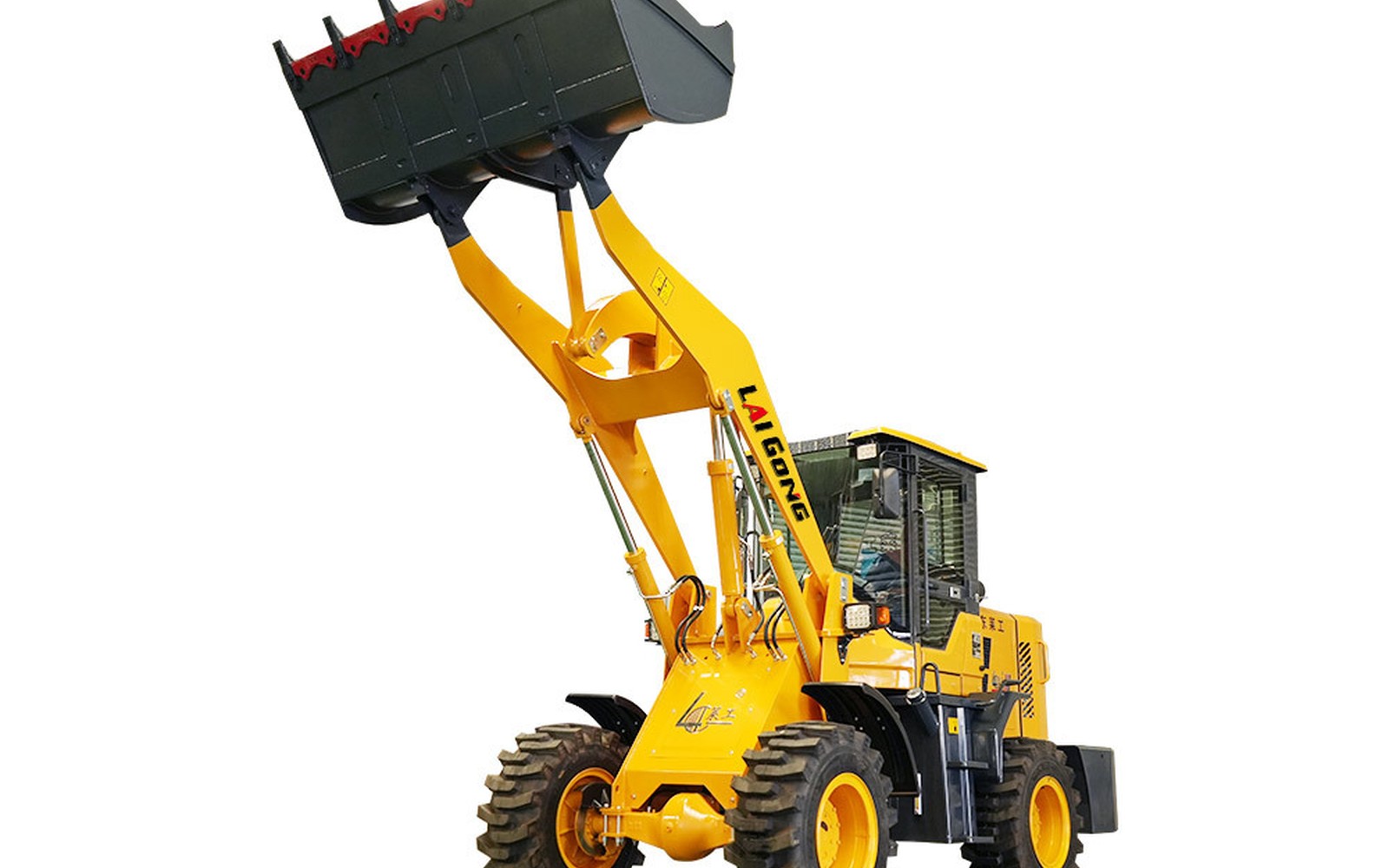
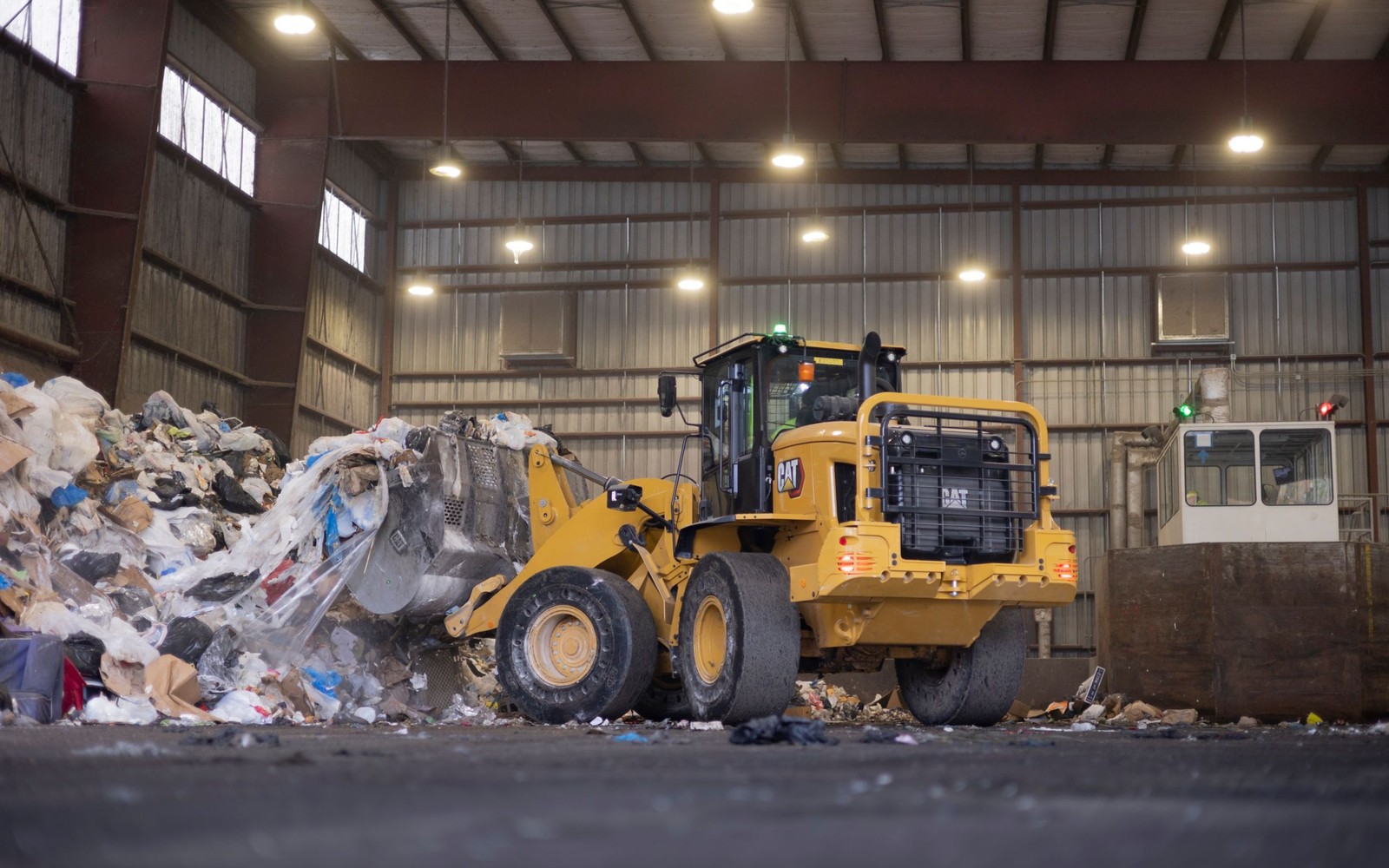
The John Deere 644 is a large wheel loader positioned above the 544 series. It handles large stockpile operations, aggregate loading, and high-production material transfer at quarry and construction sites. Machines at this level see significant use and, when maintained properly, significant residual value. That residual is the basis for a refinancing deal that puts real capital in your pocket without parking the machine.
We work with aggregate producers, construction contractors, and material handling operations that run 644s and want to access the equity in them. See the full context at our wheel loader refinancing page or start directly with the application below.
Lenders underwriting a John Deere 644 loan look first at the machine's market value. The 644 class is well-traded. Auctions move these machines regularly, and dealer pricing data is current. There is no guessing at value the way you might encounter with exotic or specialty equipment.
Year and hours are the primary value drivers. A 2019 or newer 644 with manageable hours commands a different price than a 2012 machine with high hours, even if both are fully operational. Knowing your specific year and hour count before you reach out lets us give you an accurate read on what the deal can support.
Bucket size and configuration matter at the margin. Large aggregates buckets, refuse buckets, and special-use configurations have slightly different market values than standard GP buckets. If your machine has a non-standard configuration, mention it.
The Deere P-tier and X-tier designations in current-generation 644s reflect significant technology updates, including the electric drivetrain on the X-tier. These newer machines may appraise differently than older hydrostatic-drive variants. If you own a 644 X-tier or P-tier, that is worth noting.
For comparison with the Cat equivalent, see Cat 966 wheel loader refinancing to understand how the two most common machines in this class compare from a lender standpoint.
Aggregate quarry and sand-and-gravel operations that run 644s as their primary production loaders. These operations tend to be capital-intensive, and refinancing a wheel loader to fund maintenance capital, site development, or a plant upgrade is a normal business decision in the industry.
Construction contractors in markets where large-scale grading, fill work, and material staging have kept big loaders busy. The heavy construction sector in the Sun Belt and Mountain West has driven consistent demand for 644-class equipment, and operators there have equity built up in machines purchased at various points in the cycle.
Material handling and distribution operations, including logistics and warehousing facilities that use wheel loaders for bulk material movement. These operations often run loaders on predictable shift patterns, producing steady usage and steady equity accumulation.
Any operator who owns a 644 and has been making payments for two or more years without thinking about what that equity position has become. The number may be larger than you expect.
For a machine running full production cycles like a 644 in an aggregate operation, the choice between a cash-out refinance and a Equipment Sale-Leaseback has real operational implications.
A refinance keeps you as the owner. You borrow against the machine's value, take the net equity as cash, and continue owning the machine until the loan is paid. Title remains with you throughout. At the end of the term, the machine is fully yours with no further obligation.
A sale-leaseback transfers title to the finance company at closing. You get close to the full market value as cash, then lease the machine back for continued use. At the end of the lease term, you may or may not have an option to repurchase. The machine comes off your balance sheet, which can have accounting and tax implications worth discussing with your CPA.
For most aggregate operations, retaining ownership is the preferred path. The machine is not discretionary; it is production infrastructure. A refinance keeps ownership clear while accessing equity. We walk through both structures when you reach out so you can make an informed choice.
Large loader equity is not complicated to access. Give us the machine details and your situation and we will come back with what it qualifies for. One to two weeks from there to cash in your account.
Also visit John Deere equipment refinancing for the full Deere overview, and see cash-out equipment refinancing if you want the full structural picture first.
These are the underwriting points the desk uses to turn the taxonomy page content into a real cash-out structure.
John Deere 644 Wheel Loader Refinancing value, serial, configuration, hours or mileage, payoff, and comparable sales.
$400. The available cash is based on verified value minus the existing payoff.
One to two weeks.
Aggregate quarry and sand-and-gravel operations that run 644s as their primary production loaders.
High hours are a factor in the appraisal, but a well-maintained quarry machine with documented service history can still carry meaningful value. Tell us the hours and the maintenance story and we will assess it accurately.
Larger transactions typically require full business financials, business and personal tax returns, and sometimes a formal appraisal. We tell you upfront exactly what is needed when we see the deal size and structure.
The age of the operating entity is a factor for some lenders. A newer LLC with a strong personal guarantor is a different risk profile than an established business. We have lender options for both situations and will match you appropriately.
Yes. The proceeds from a cash-out refinance can be used for any business purpose including paying down other equipment notes. This can simplify your payment structure even if you are not formally consolidating the debt.
The X-tier is a different platform than the traditional 644 and lenders appraise it accordingly. Electric drive machines are newer in the used market and appraised value is evolving as more units enter the secondary market. We assess current comps for the specific variant you own.
Send the machine, payoff, and target cash-out amount. We will review the file and come back with rate, term, payment, and net proceeds.
Tell us what you are buying, who is selling it, and when you need it earning. We will review the file and point you to the next step.