Collateral Reviewed
John Deere S780 Combine Refinancing value, serial, configuration, hours or mileage, payoff, and comparable sales.

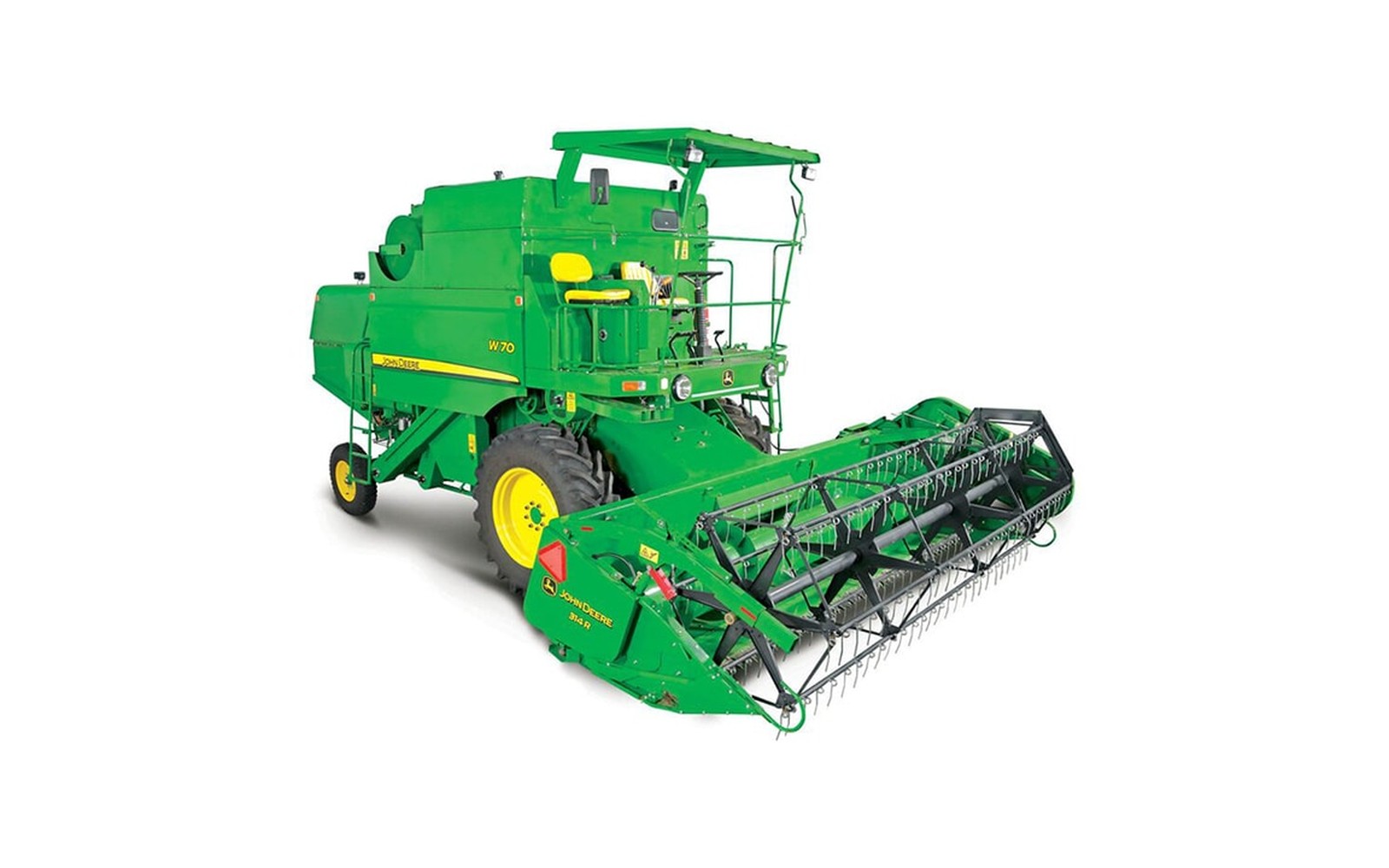
A combine does its earning in a narrow window. For the rest of the year it sits, depreciates on paper, and carries equity that could be capital. The John Deere S780 is one of the most capable combines in current production, priced accordingly, and that price means substantial equity for operators who have been paying it down. Getting to that equity does not require selling the machine or waiting until the next harvest delivers enough cash to fund what you actually need right now.
The S780 is John Deere's top-tier combine in the S-series, featuring the Corn Rowe header system compatibility, high-capacity grain tank, and Combine Advisor technology for automated in-field performance adjustment. These features make it the preferred unit for large-scale corn and soybean operations where throughput and grain quality matter. They also keep it in demand in the used market because operators know exactly what they are getting.
Farm equipment refinancing for high-value combines like the S780 is a transaction we handle with ag-specific underwriting. See the overview at combine harvester refinancing and reach out when you have machine details ready.
New S780 combines price well into six figures, and even three- to four-year-old machines with normal seasonal use retain substantial value in the current ag equipment market. The relatively thin supply of used high-end combines at any given time keeps prices firm. An S780 with reasonable separator hours and a clean service history is strong collateral from a lender's standpoint.
Separator hours, not engine hours, are the primary usage metric on a combine. The separator runs only during harvest, and lenders who know ag equipment underwrite to separator hours. An S780 with 1,200 separator hours in five seasons is in a different position than one with 1,200 engine hours accumulated over twelve months of non-harvest operation.
Header compatibility and the headers you own alongside the machine are relevant to total operation value but typically not included in the combine's loan collateral directly. However, significant owned header packages can occasionally be included as additional collateral to increase deal size.
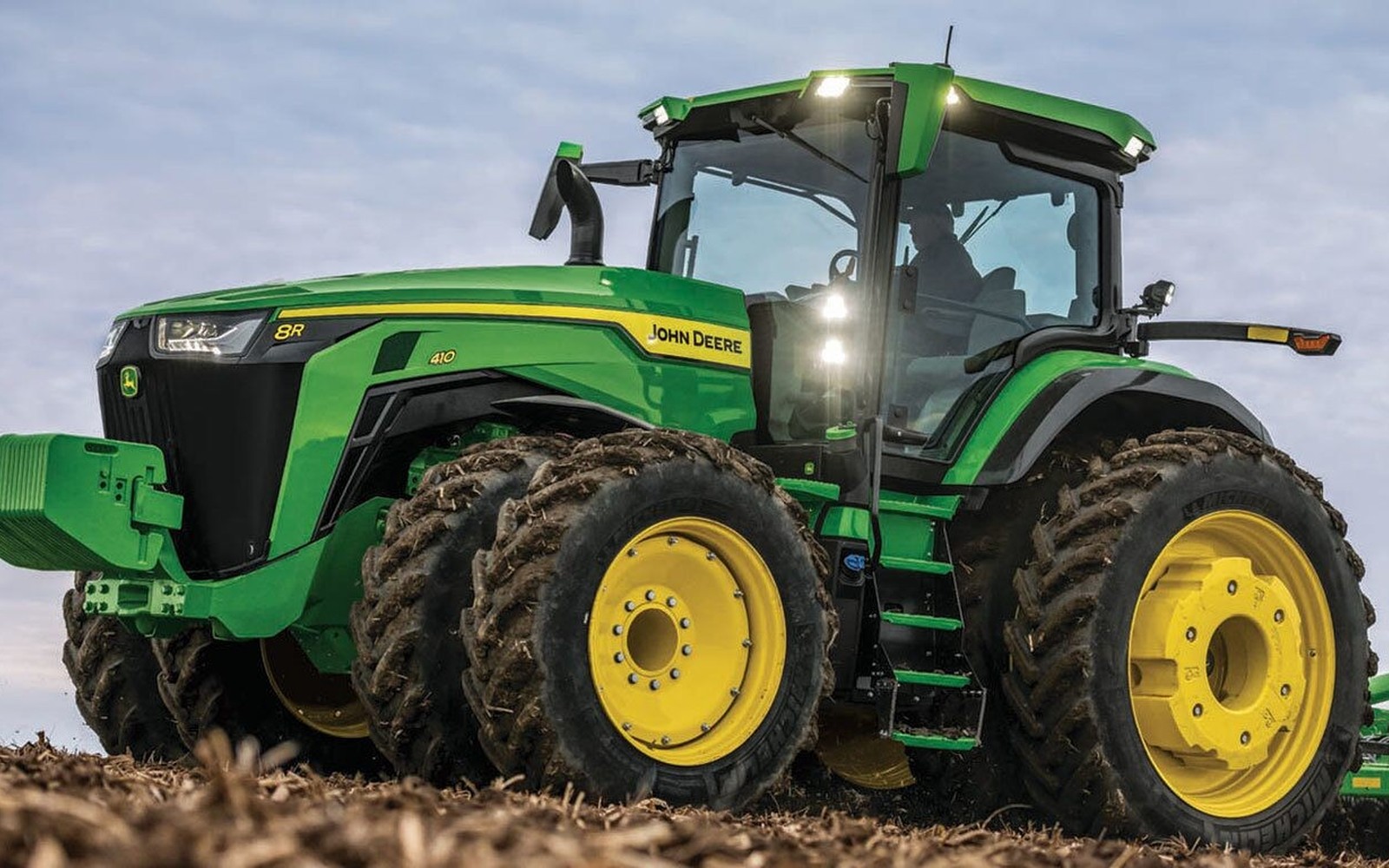
If you also run a John Deere 8R series tractor, see John Deere 8R tractor refinancing for how we handle both pieces of a grain operation's fleet in a coordinated package.
The large-scale grain farmer who bought the S780 to cover a significant acre base, has been paying it down, and now sees an opportunity to use that equity for something that cannot wait until fall. Land acquisition, a prepaid input purchase at a favorable price, or capitalizing a drainage tile project are all common uses.
The custom harvesting contractor who runs multiple S780s or similar machines across several states during harvest season. These operators have high-value machinery, specialized financing needs, and often want to pull equity from paid-down iron to fund the next season's fuel and crew costs.
Farm operators in the Corn Belt, including Iowa, Nebraska, and Kansas markets, where large-scale grain operations commonly run S-series combines and carry substantial machinery equity on the balance sheet.
Any operation carrying high-dollar farm machinery debt and exploring whether a refinance could restructure that debt favorably while also releasing capital. For some operations, rate improvement is as valuable as a cash-out, and we handle both objectives.
Farm equipment deals of this size often exceed the threshold for straightforward application-only underwriting. An S780 can appraise at values that require more documentation than three months of bank statements.
For large ag equipment deals, Schedule F from your federal tax return is the clearest income representation for an ag lender. We may also ask for the two most recent years of Schedule F, the current year crop insurance summary, and a list of owned farmland or land rental agreements to understand the operational base.
None of this means the deal is slow. We have ag-specific underwriting connections that know how to read farm financials and move at a pace that respects the season-driven urgency of farm capital decisions. If you need cash before spring planting, that timeline is achievable if you start the conversation early enough.
B/C credit is handled here. Farm income can be volatile, and a difficult year on the P&L does not tell the whole story of a well-run operation. The asset, the acre base, and the long-term viability of the operation are part of what we present to lenders.
Beyond a standard cash-out refinance, a Equipment Sale-Leaseback on the S780 can unlock the full appraised value rather than just the equity above a new loan balance. For an operator who wants maximum cash and is comfortable with lease payments for continued use, this can be a better total outcome. The trade-off is title transfer and the potential end-of-lease buyout question.
If you want to restructure your farm machinery debt without pulling cash out, a straight refinance to lower rate and extended term can reduce monthly obligations and improve cash flow without a lump sum distribution. Both approaches start with the same process: tell us about the machine and what you need to accomplish.
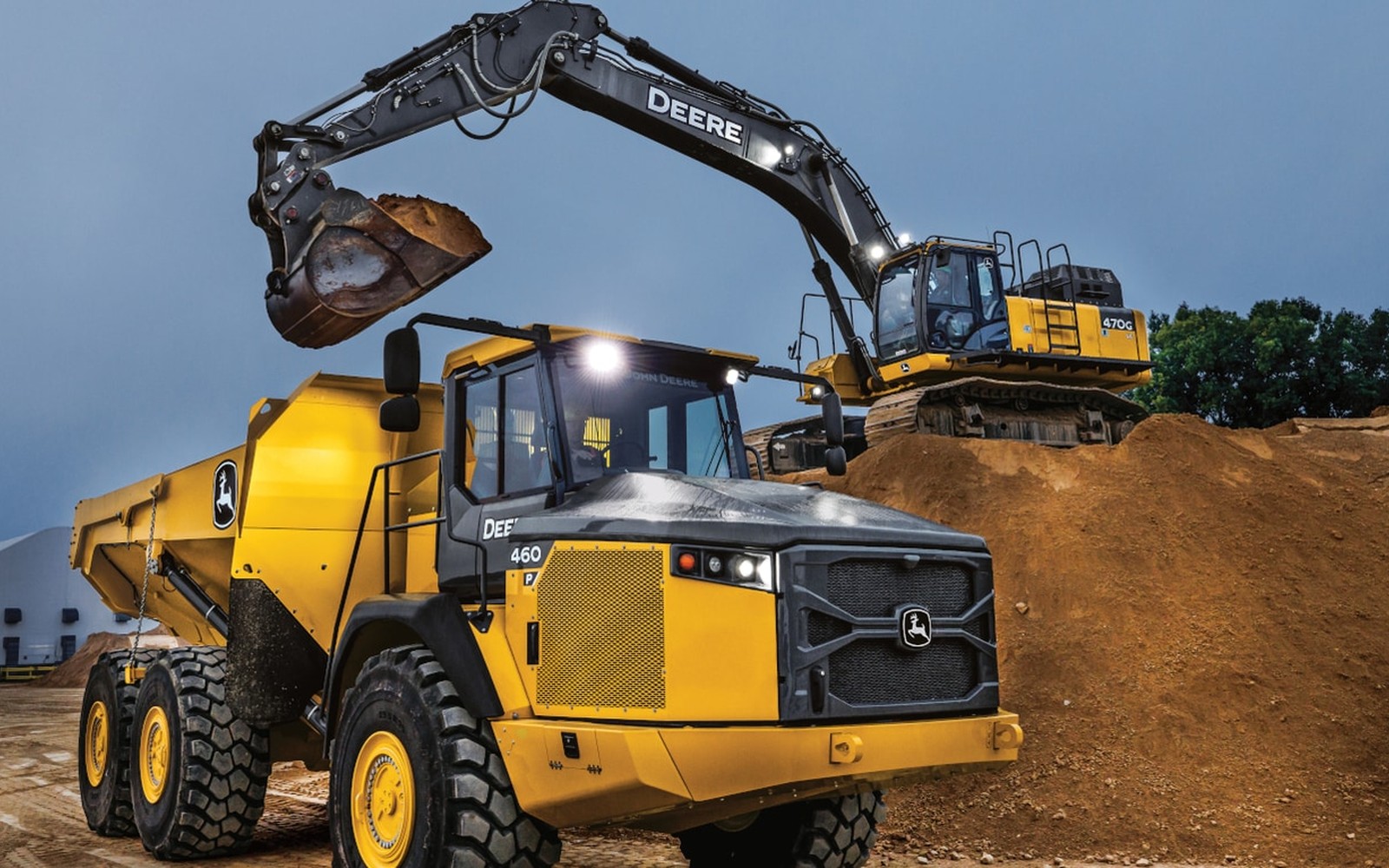
For the brand-level view of Deere equipment across both farm and construction applications, visit John Deere equipment refinancing. We handle tractors, combines, and construction equipment from the same brand in the same conversation if that is what your situation calls for.
Your combine works hard for sixty or ninety days a year. Let the equity in it work the rest of the year. Tell us the separator hours, year, and your situation, and we will come back with real numbers.
Also see cash-out equipment refinancing for the full transaction overview and agriculture and farming equipment financing for the broader picture of what we do in the ag sector.
These are the underwriting points the desk uses to turn the taxonomy page content into a real cash-out structure.
John Deere S780 Combine Refinancing value, serial, configuration, hours or mileage, payoff, and comparable sales.
$50,000 minimum where the file supports it. The available cash is based on verified value minus the existing payoff.
Same-day desk review once equipment, payoff, and bank statements are in.
Working capital, down payments, debt cleanup, slow-season coverage, and project mobilization.
No. Seasonal use is expected and accepted in ag equipment lending. Lenders who understand combines know the machine is productive during harvest and idle the rest of the year. That is normal and it does not affect deal eligibility.
Yes. The cash from a refinancing transaction can go toward any business purpose including land acquisition. Equipment equity funding a real estate deposit or a down payment is a legitimate and common move in ag operations.
Titling in a trust complicates the deal but does not automatically prevent it. We would need to understand the trust structure and work with our lender partners on how to take a valid lien. Let us know the specifics and we will determine what is possible.
There is no automatic cutoff, but higher separator hours reduce appraised value, which reduces available equity. At very high hours, the machine may not support the minimum deal size. Tell us your separator hours and we will assess the math honestly.
Yes. A coordinated refinancing on two machines can pay off both existing notes, combine the equity from both, and produce a single distribution to you. Many large operators prefer this over managing two separate transactions.
Send the machine, payoff, and target cash-out amount. We will review the file and come back with rate, term, payment, and net proceeds.
Tell us what you are buying, who is selling it, and when you need it earning. We will review the file and point you to the next step.