Collateral Reviewed
John Deere 310 Backhoe Loader Refinancing value, serial, configuration, hours or mileage, payoff, and comparable sales.

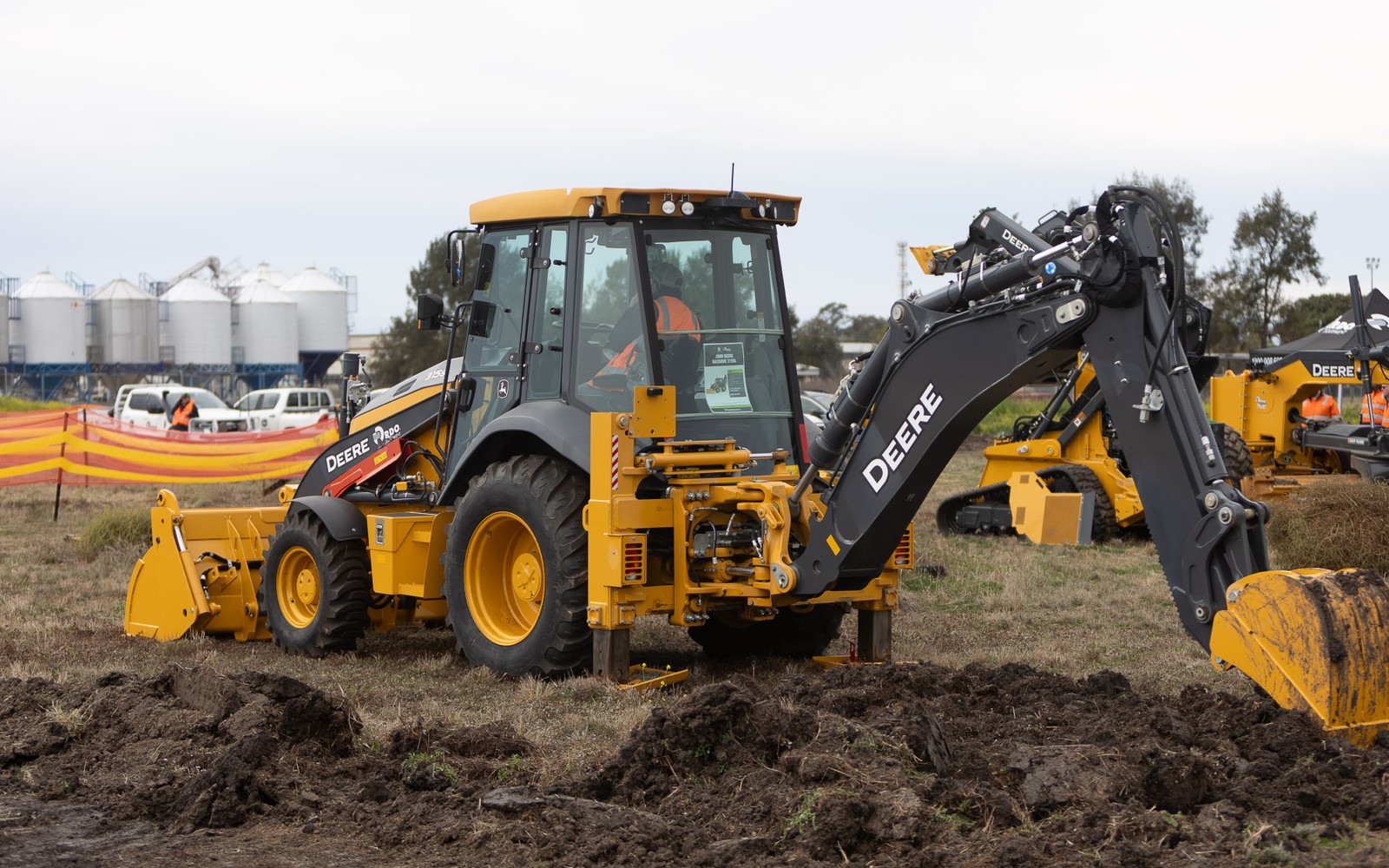
Cash sitting in a John Deere 310 does not earn anything. It just rides around on the machine and waits. A refinancing transaction converts that equity into money you can deploy: more iron, operating reserve, a bid bond, or simply breathing room during a slow billing stretch. You keep the machine running, you keep the work going, and the capital you built over years of payments finally gets put to work.
The John Deere 310 is one of the most common backhoes in North America. It has earned that status through durability, widespread dealer support, and a reputation for parts availability that keeps total cost of ownership lower than many competitors. The deep used market for 310s is directly tied to how predictably they perform. That market depth is valuable for refinancing purposes because lenders can price the asset confidently.
We work with contractors across industries who run 310s as their primary or utility machine. The backhoe loader refinancing process is among the more straightforward deals we handle because these machines are well-known, well-valued, and consistently in demand.
From a lender's perspective, the John Deere 310 checks most of the boxes. It is a widely recognized model with a long track record. Secondary market data is plentiful, appraisal is reliable, and liquidation in a worst-case scenario is straightforward because buyers know what they are getting.
The 310 series has gone through several updates over the years, with current-generation machines designated as 310L or similar suffix variants. The generation designation affects value and appraised range. Knowing your machine's exact designation (year plus series letter) helps us run a faster, more accurate assessment when you submit.
Loader and backhoe function are both factors in condition assessment. A machine with a solid loader function and a hydraulic issue on the stick is worth less than one in clean working order across both ends. Tell us honestly what you know about the machine's current state. Surprises at the appraisal stage slow everything down.
John Deere's extensive dealer network means service documentation is often available through the JD dealer system, similar to Cat's dealer records. If your machine has been serviced at a Deere dealer, ask for a service history printout. It is worth having when you apply.
See our John Deere equipment refinancing page for the full lineup of Deere machines we handle, from backhoes to large wheel loaders and combines.
The most common caller: a contractor who bought a 310 three to five years ago, has steadily paid it down, and now has a specific need that requires capital faster than a bank can respond. The 310 is the asset; the equity is the solution.
Landscaping and light excavation contractors in landscaping and site prep who depend on the 310 for a wide range of jobs and have built meaningful equity in a machine they fully plan to keep. For these operators, a refinance produces capital without portfolio disruption.
Owner-operators in the Southeast and Mid-Atlantic where utility and residential construction has been active. Charlotte, Nashville, and Atlanta are markets where these contractors run hot and occasionally need to move faster than traditional bank financing allows.
Operators who financed when credit was challenged and now want to revisit terms. B/C credit equipment financing is a lane we work every week. A few years of clean payment history on a machine improves the picture considerably.
The John Deere 310 is a machine that closes fast. The deal is uncomplicated because the asset is well-known and the deal size is typically well within the application-only range. One to two weeks is the normal span from a complete application to funded proceeds.
What a complete application looks like: a filled-out credit application for the business and its principals, three months of business bank statements, and the machine's year, hours, and current payoff information. We do not need a business plan, appraisal, or tax returns to start for most 310 transactions.
If there are complications, a prior bankruptcy that has been discharged, a tax lien being addressed, or a machine with an unclear title history, we will flag them and explain what is needed to get past them. Some complications close deals; others are workable. We tell you which is which upfront.
The goal is to get you funded in the shortest reasonable time. Idle capital costs you the same whether you are waiting on us or on a bank. We track the clock from the moment you submit.
The 310 is a strong refinancing asset, but it is one piece of a fleet that may include other John Deere equipment. If you also run a John Deere 333G track loader or a John Deere 644 wheel loader, there may be equity across multiple machines worth consolidating into a single transaction. That approach can simplify your payment structure and generate more total capital than a single-machine deal.
If your goal is reducing monthly payments rather than pulling cash, an equipment refinance focused on rate improvement is worth exploring separately from a cash-out. Both are legitimate tools depending on your current situation.
And if you need capital faster than any refinancing timeline allows, ask about other options. We know the full range of commercial equipment financing and can point you in the right direction even if a 310 refinance is not the fastest path for your specific need.
These are the underwriting points the desk uses to turn the taxonomy page content into a real cash-out structure.
John Deere 310 Backhoe Loader Refinancing value, serial, configuration, hours or mileage, payoff, and comparable sales.
$50,000 minimum where the file supports it. The available cash is based on verified value minus the existing payoff.
One to two weeks.
The most common caller: a contractor who bought a 310 three to five years ago, has steadily paid it down, and now has a specific need that requires capital faster than a bank can respond.
The 310L is a current-generation variant of the 310 series. It appraises based on its specific year and condition, not identically to older 310 variants. The brand recognition and market depth are the same. Tell us the full designation and year and we will run the right numbers.
Yes. The absence of a financing history on the machine is not a barrier. We establish value through current market data and title records, not the original purchase transaction.
Structural issues like that affect appraised value and may affect lender appetite. We would need to know the severity and whether it is documented. A machine with a known structural issue is not automatically declined, but it changes the conversation.
Adding a new loan on the 310 increases your total debt, which affects some financial ratios. Whether it affects your ability to get other financing depends on the size of the deals involved and your overall credit picture. For most operators, one refinancing transaction on a single machine is manageable.
No. Loan-to-value constraints prevent lending above the appraised value. We structure deals below the appraised amount to maintain lender collateral coverage. If you need more capital than the machine supports, a different structure or additional collateral would be required.
The 310 has been working for you. Now let the equity in it work too. Tell us the machine details and your situation, and we will come back with a real number in short order. Also see cash-out equipment refinancing for the full structure overview and Caterpillar equipment refinancing if you want to compare the Cat backhoe alternative.
Tell us what you are buying, who is selling it, and when you need it earning. We will review the file and point you to the next step.