Collateral Reviewed
Machine value, payoff, lien position, hours or mileage, condition, and secondary-market demand.

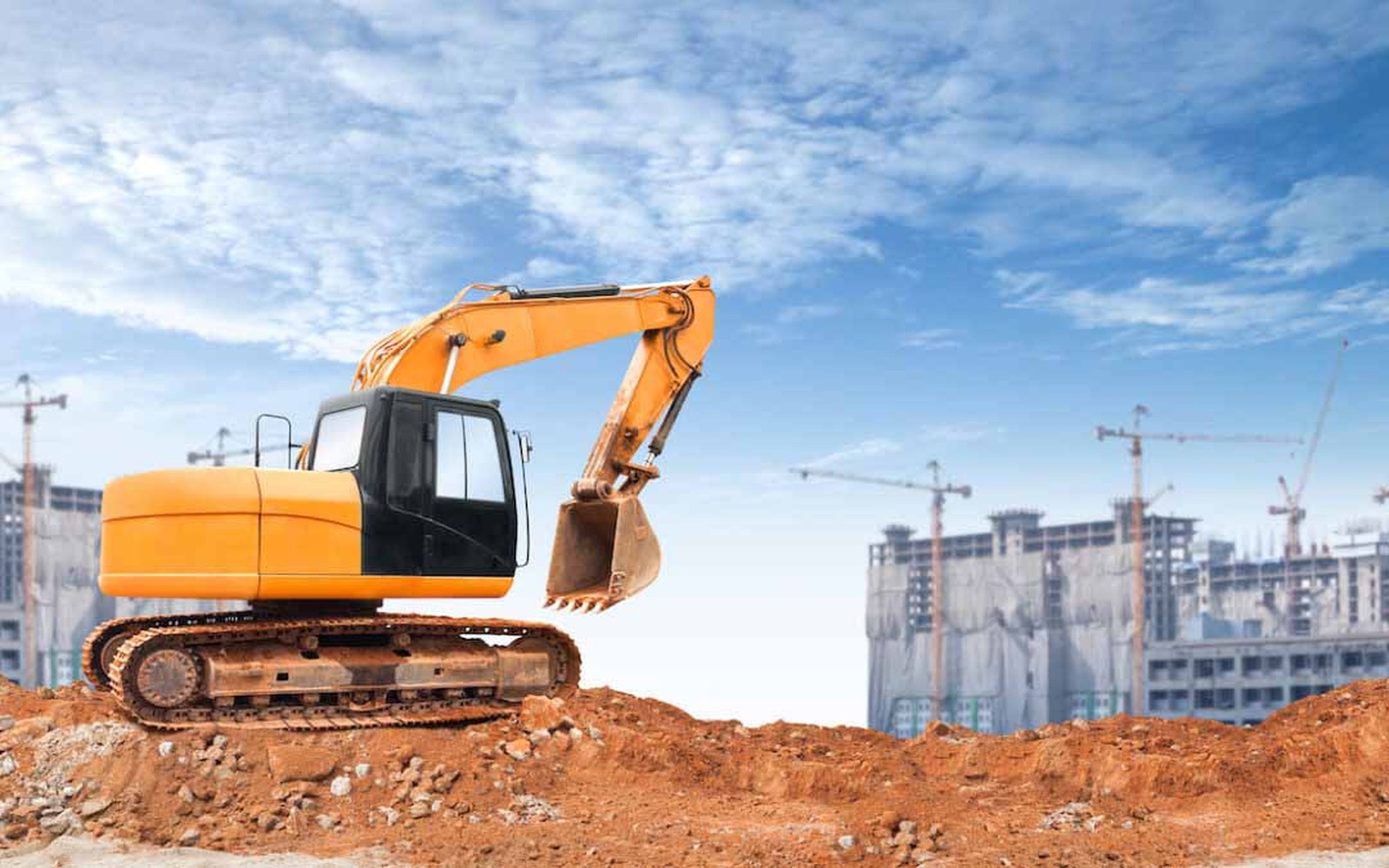
That machine sitting in your yard has a balance sheet entry. It also has equity, and that equity is doing nothing for you right now. Equipment refinancing changes that. You swap your current loan for a new one with better terms, a lower payment, or both. Sometimes you pull cash out on top. The machine keeps working. You keep the title. The money moves.
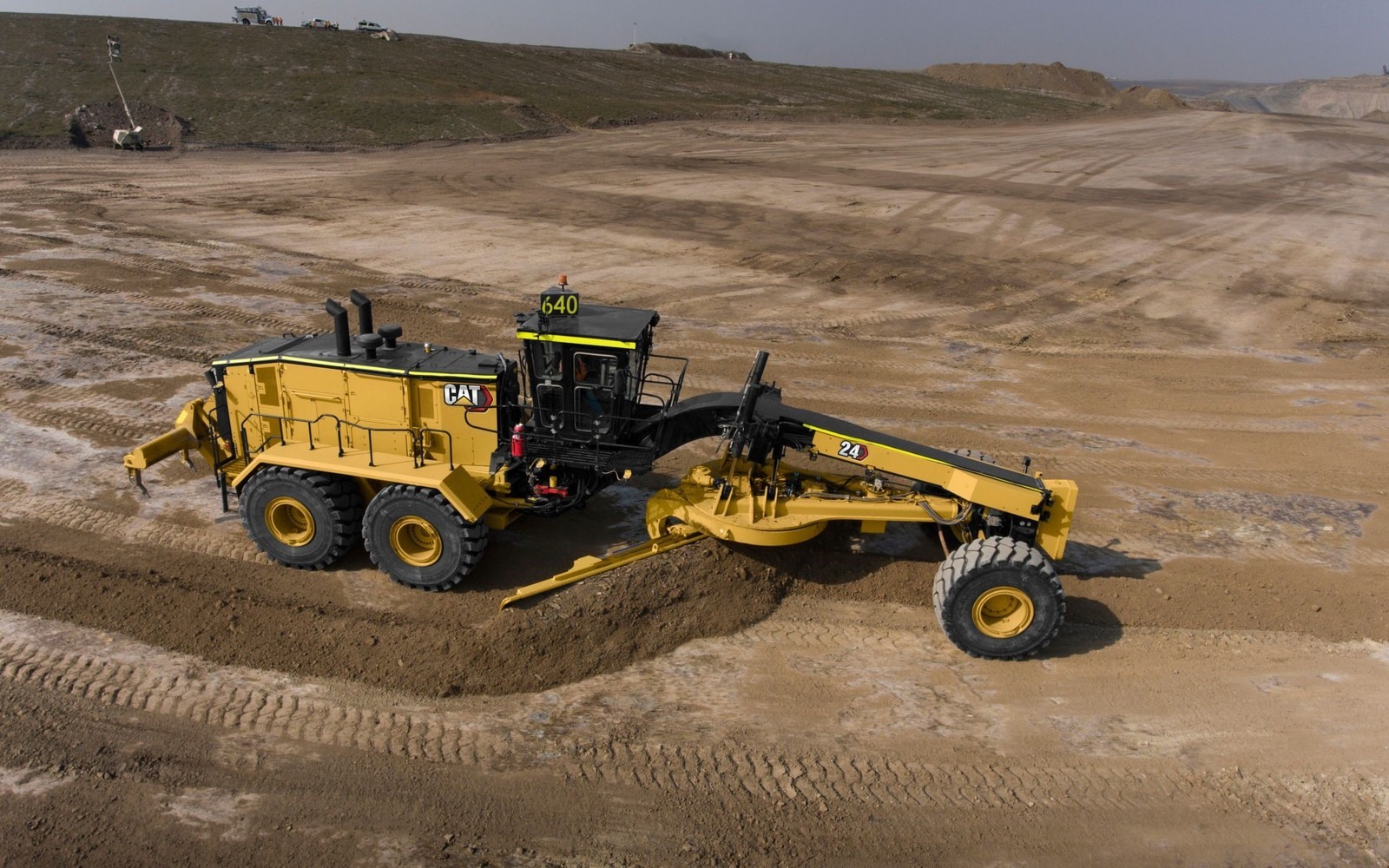
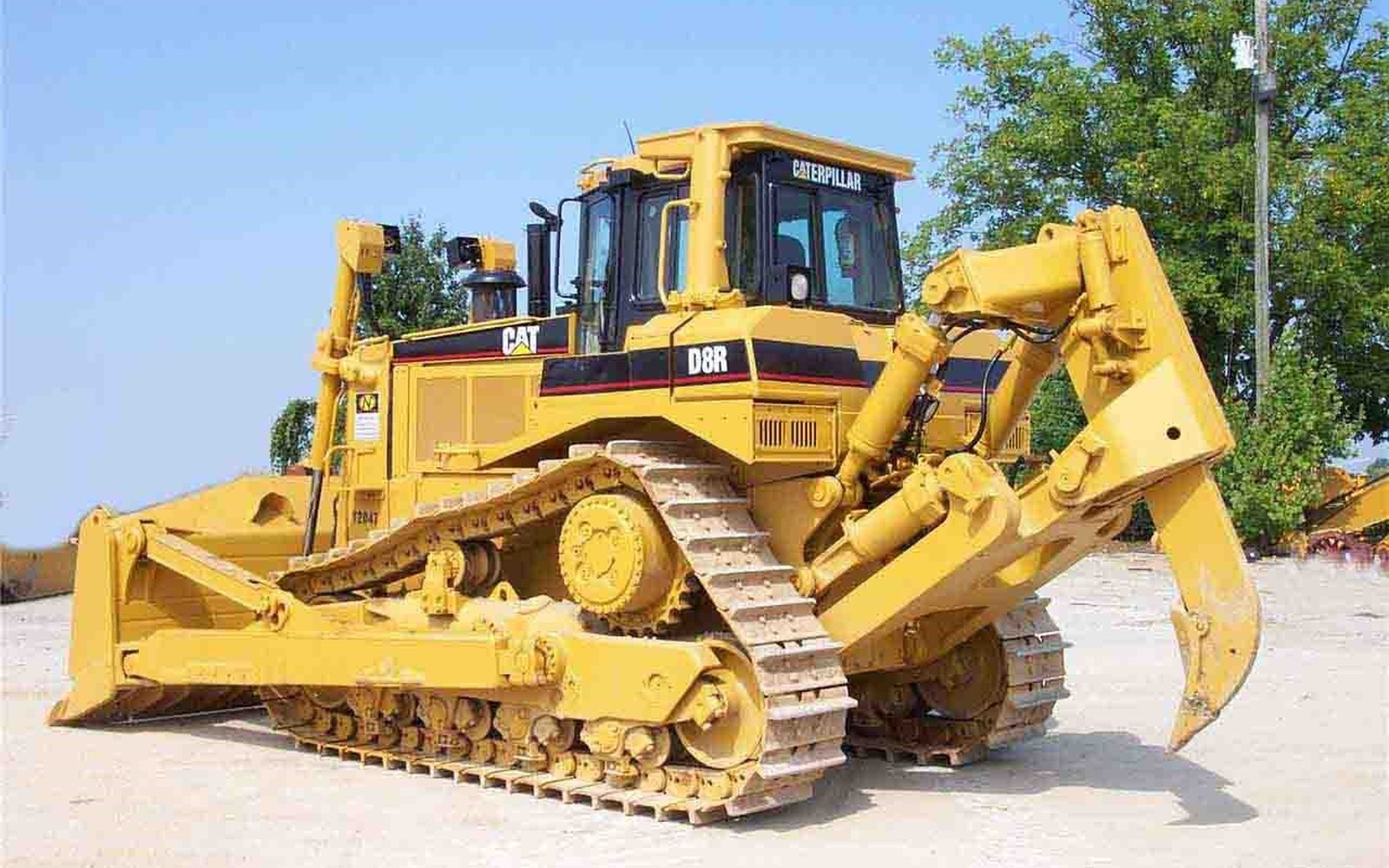
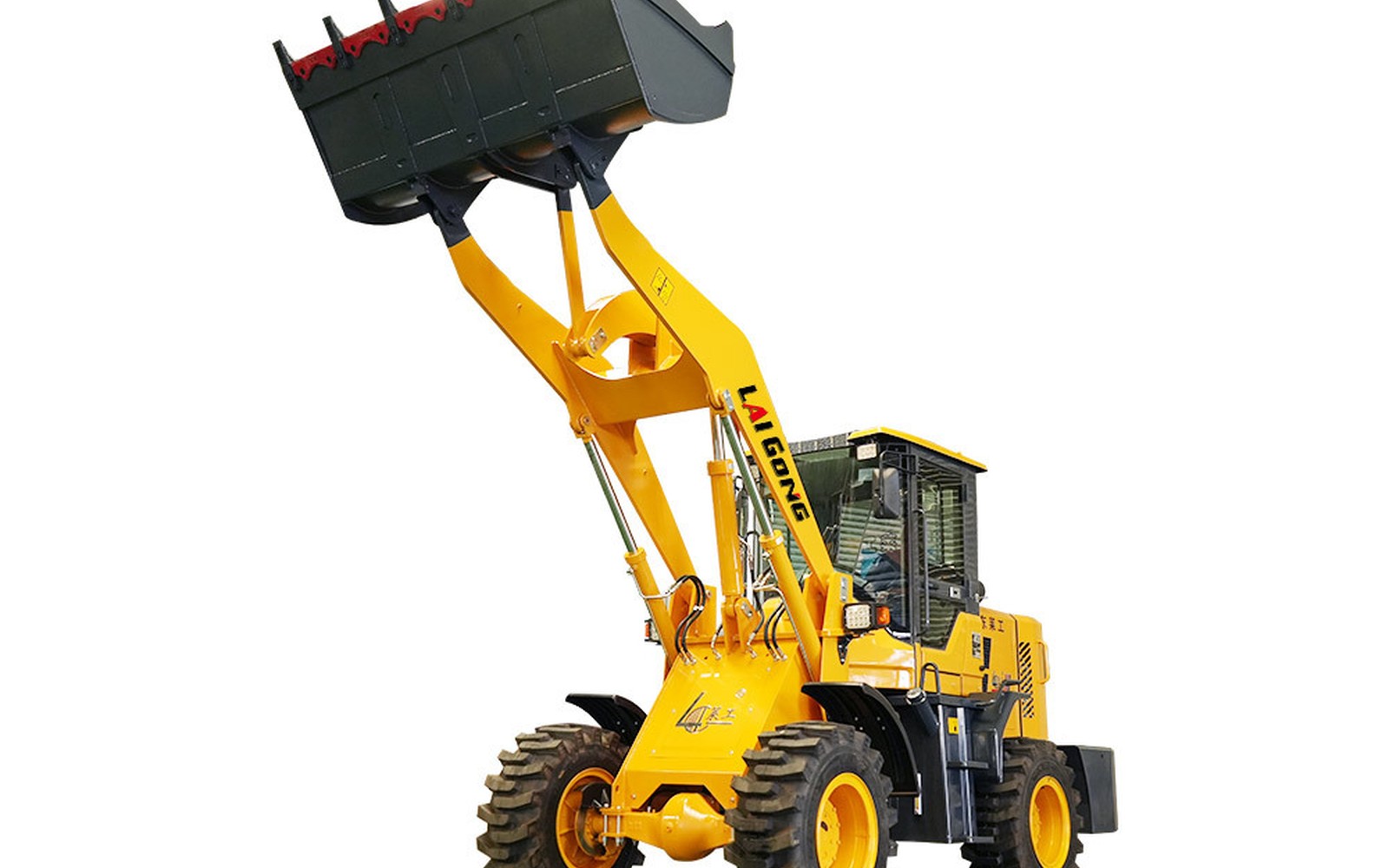
We handle refinancing on excavators, semi trucks, cranes, dozers, loaders, and most other commercial iron. Minimum deal size is $50,000. Most of the transactions we close run $100,000 to $150,000 and up. If you have a payoff amount and know roughly what the equipment is worth, we can run the numbers in a day.
The mechanic is straightforward. We order a title search, confirm the current lien, and get a value on the collateral. Lenders then compete for the loan. We pick the best offer, you sign, and the new lender pays off the old one. If the new loan is larger than the payoff, the difference comes to you as cash. If the goal is just a lower rate or longer term, there is no cash event but the monthly outgo drops.
Timeline runs about one to two weeks from application to funded. Most deals under $400,000 qualify for application-only review, meaning we do not order full business financials unless the deal is complex. Three months of business bank statements is typically enough to support the file.
Three situations come up over and over. First is the contractor who bought a machine two years ago at a high rate because credit was thinner then. The business has grown, the payment history is clean, and a refinance now gets them to a rate that actually fits the operation. Second is the operator who needs working capital but does not want a separate loan. They have equity in a bulldozer or a wheel loader and a cash-out refi turns that iron into growth capital. Third is the business that overextended and needs payment relief. Stretching the term on a refinance lowers the monthly number without selling the asset.
We also see owners who bought used equipment on a short-term note and want to normalize the payment over a longer horizon. All of these are valid refinance scenarios. The equipment type matters less than the equity position and the current loan structure.
Equipment refinancing rates depend on credit quality, the age and type of iron, the loan-to-value ratio, and the term. Older equipment or higher loan-to-value positions command higher rates. Newer iron in a strong credit profile gets the best tier. We do not publish rate sheets because every deal is different. What we can tell you is that B and C credit is considered, and a deal that looks rough at a bank often closes fine with the lenders we access.
Terms typically run 24 to 84 months depending on the asset and the amount. Construction contractors refinancing heavy iron usually end up in the 48- to 72-month range. Trucking operators pulling equity out of a semi often go 48 to 60 months. We match the term to the useful life of the collateral, not just the payment the borrower wants.
For most refinance transactions you need the current loan statement showing the payoff, a copy of the title or registration confirming you own the machine, and three months of business bank statements. If the deal is over $400,000 or credit is thin, we may ask for a business tax return or P and L. That is not the norm. Most files are lean.
Credit score is a factor but not a hard gate. We work with borrowers in the B and C credit tier regularly. What matters more is that the equipment has real value, the loan-to-value is supportable, and the business is generating revenue. A 620 credit score with active accounts and consistent deposit history is fundable. A 720 with a collapsing balance sheet is harder. Know your numbers going in.
Refinancing does not work in every situation. If the machine is underwater, meaning you owe more than it is worth, a standard refi is unlikely unless there is a strong credit file and other collateral to cross-pledge. In that case a Equipment Sale-Leaseback may accomplish more. The lender buys the asset at market value, pays off the lien, and you lease it back. You get cash, the underwater situation clears, and the machine stays in your yard.
If the issue is recurring cash flow rather than a bad rate, look at working capital options versus equipment financing. Sometimes the right answer is a separate line rather than touching the equipment loan at all. We can walk through both paths and tell you which one moves the needle more.
For operators who want to finance a new purchase alongside a refinance, that is also possible in a single transaction. We have done construction deals where a contractor refinanced a crane and financed a new attachment in the same closing.
These are the underwriting points the desk uses to turn the taxonomy page content into a real cash-out structure.
Machine value, payoff, lien position, hours or mileage, condition, and secondary-market demand.
$50. The available cash is based on verified value minus the existing payoff.
1-2 weeks.
Working capital, down payments, debt cleanup, slow-season coverage, and project mobilization.
Yes. That is the core of what we do. The new lender pays off the existing lien at closing and takes a first position on the equipment. You do not need to own it free and clear.
Generally the equipment needs to be worth more than the current payoff by enough to cover the new loan and leave something to put in your pocket. Exact loan-to-value thresholds vary by lender and equipment type. We will run the math when you submit the file.
A hard pull at application will have a minor short-term effect. Long term, replacing a high-rate loan with a lower payment and making consistent payments typically improves the profile.
Most deals fund in one to two weeks. Simple files with clean titles and a straightforward loan history close faster. Complex deals or unusually large amounts can take a bit longer.
Heavy construction equipment, trucks, trailers, CNC machines, agricultural equipment, and most commercial iron qualifies. If it has a title or VIN and a verifiable market value, we can likely work with it.
Tell us what you own, what you owe, and what the machine is worth. We will run comps and come back with real numbers, not a ballpark. Funding typically takes one to two weeks. The minimum is $50,000. Apply now and a capital advisor reaches out same day.
Tell us what you are buying, who is selling it, and when you need it earning. We will review the file and point you to the next step.