Collateral Reviewed
Kenworth W900 Refinancing value, serial, configuration, hours or mileage, payoff, and comparable sales.

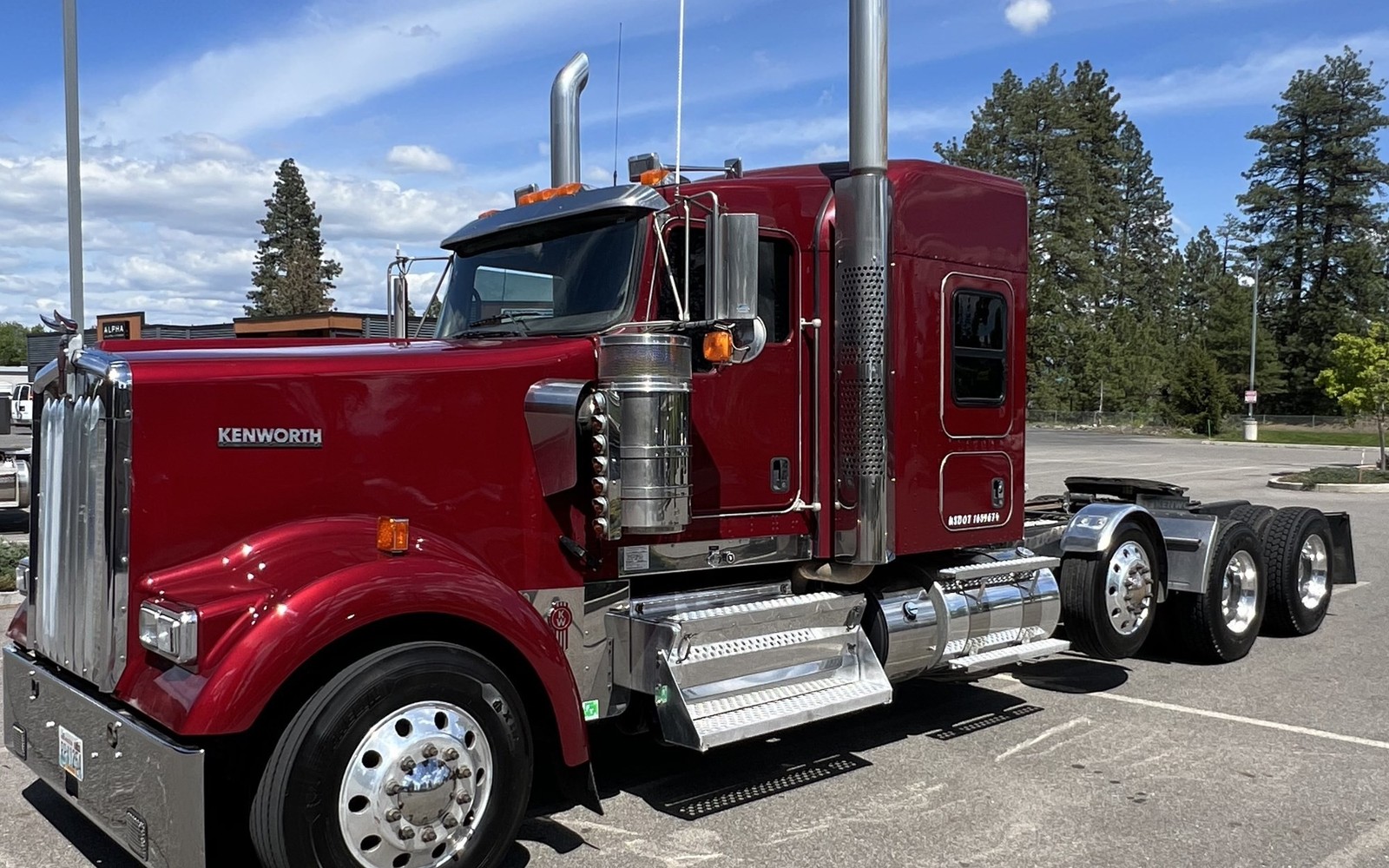
The W900 commands premium pricing in the used market, which is exactly the condition you need for a refinance to work. If you own a W900 with equity, that equity is convertible. We handle that conversion with a clean refinance, a cash-out transaction, or a sale-leaseback, and we close in about two weeks. The truck stays working. The cash goes where you need it.
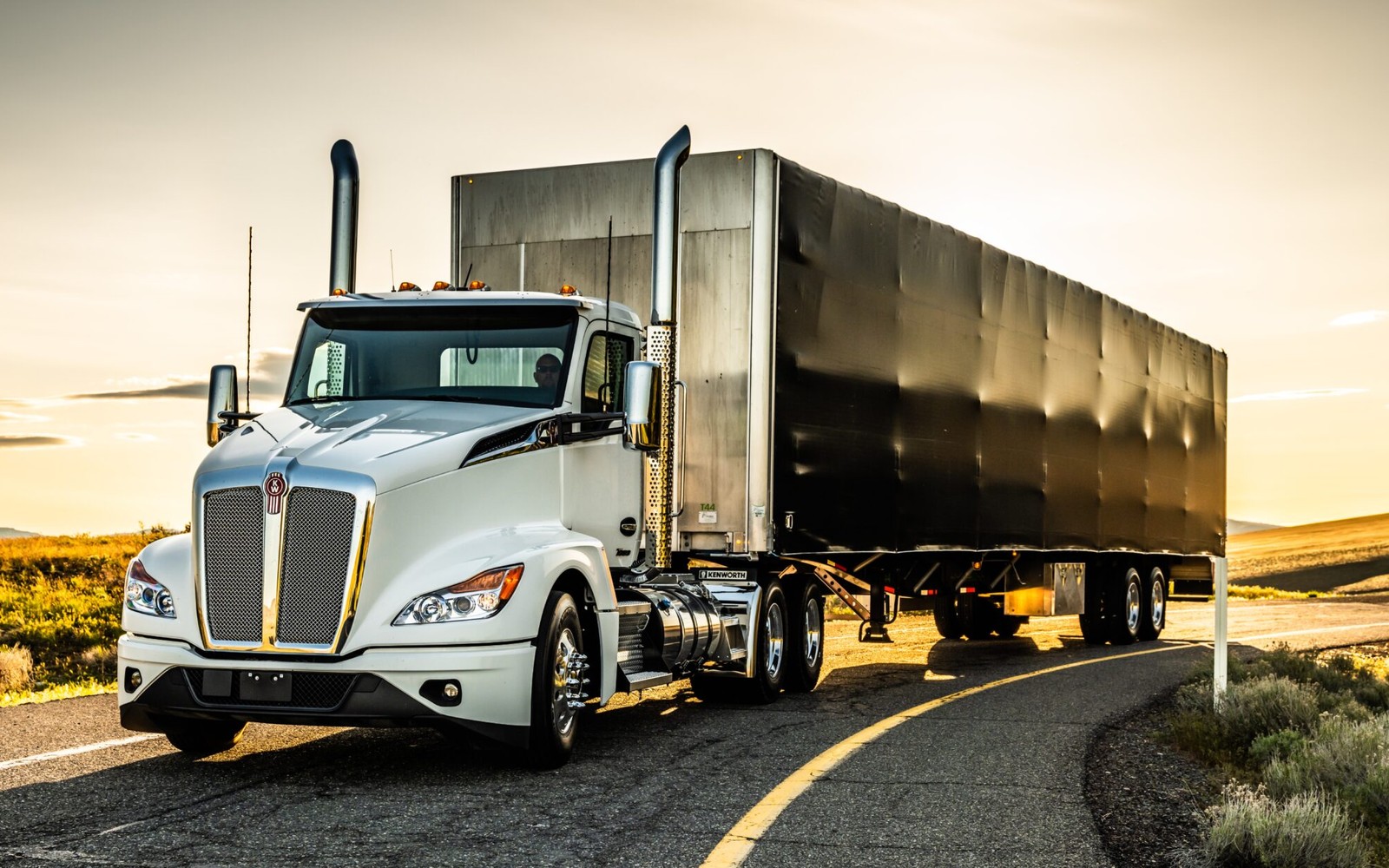
Kenworth's W900 has been in production in various forms since the 1960s, making it one of the longest-running nameplate identities in Class 8 trucking. Long-hood operators, particularly those pulling logging, flatbed, oversize, and heavy-haul loads, have kept the W900 in demand because no aerodynamic truck matches its presence and its mechanical accessibility. The classic layout appeals to owner-operators who do their own maintenance and want a truck they can work on without dealer intervention. That sustained demand is the collateral story. For other Kenworth models, our Kenworth truck refinancing overview covers the full lineup including the T680.
Minimum deal: $50,000. Application-only to about $400,000. Three months of bank statements and a completed application start the file.
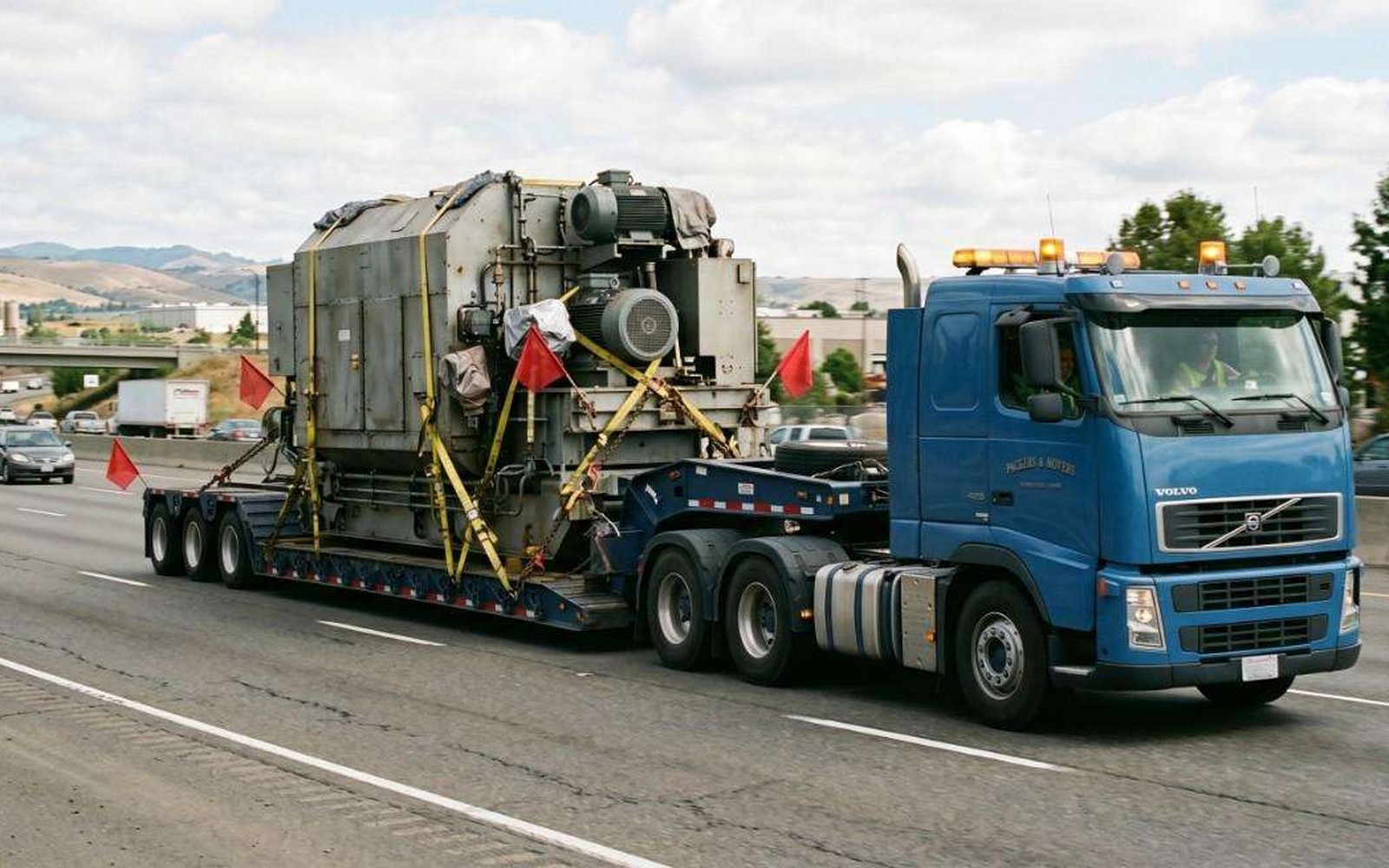
The W900 isn't optimized for fuel economy the way modern aero trucks are. It wins on torque, personality, and the specific demands of heavy-duty specialty hauling. Operators pulling oversize machinery, logging outfits running timber on forest-service roads, and flatbed contractors hauling steel coils consistently choose the W900 because the aerodynamic competitors can't match the mechanical simplicity and the raw pulling character of the long-hood design.
That specificity creates a buyer pool that pays for what they want. A clean W900 in good working order attracts buyers at prices that sustain refinancing math even on older units. Lenders who understand the specialty trucking market recognize the W900's collateral durability. Those who don't, we educate.
Operators running the W900 in trucking and transportation for specialty loads, particularly in markets like Portland or Seattle where logging and heavy industrial freight is active, often have well-maintained units with legitimate equity positions. The Pacific Northwest market for used W900s runs deep.
The best refinance candidates have clear titles, no undisclosed accidents, and maintenance documentation proportional to the machine's age. A W900 with a rebuilt or remanufactured engine that's documented as such can actually refinance well because the fresh powerplant reduces lender risk compared to a worn original with unknown history.
Age is less of a concern with the W900 than with most trucks because the classic design doesn't go obsolete the way tech-heavy modern trucks do. An early 2000s W900 with a good Caterpillar or Cummins engine can hold meaningful value. We work with used equipment financing cases routinely, including trucks that are older than ten years, as long as the condition is honest and the value supports the math.
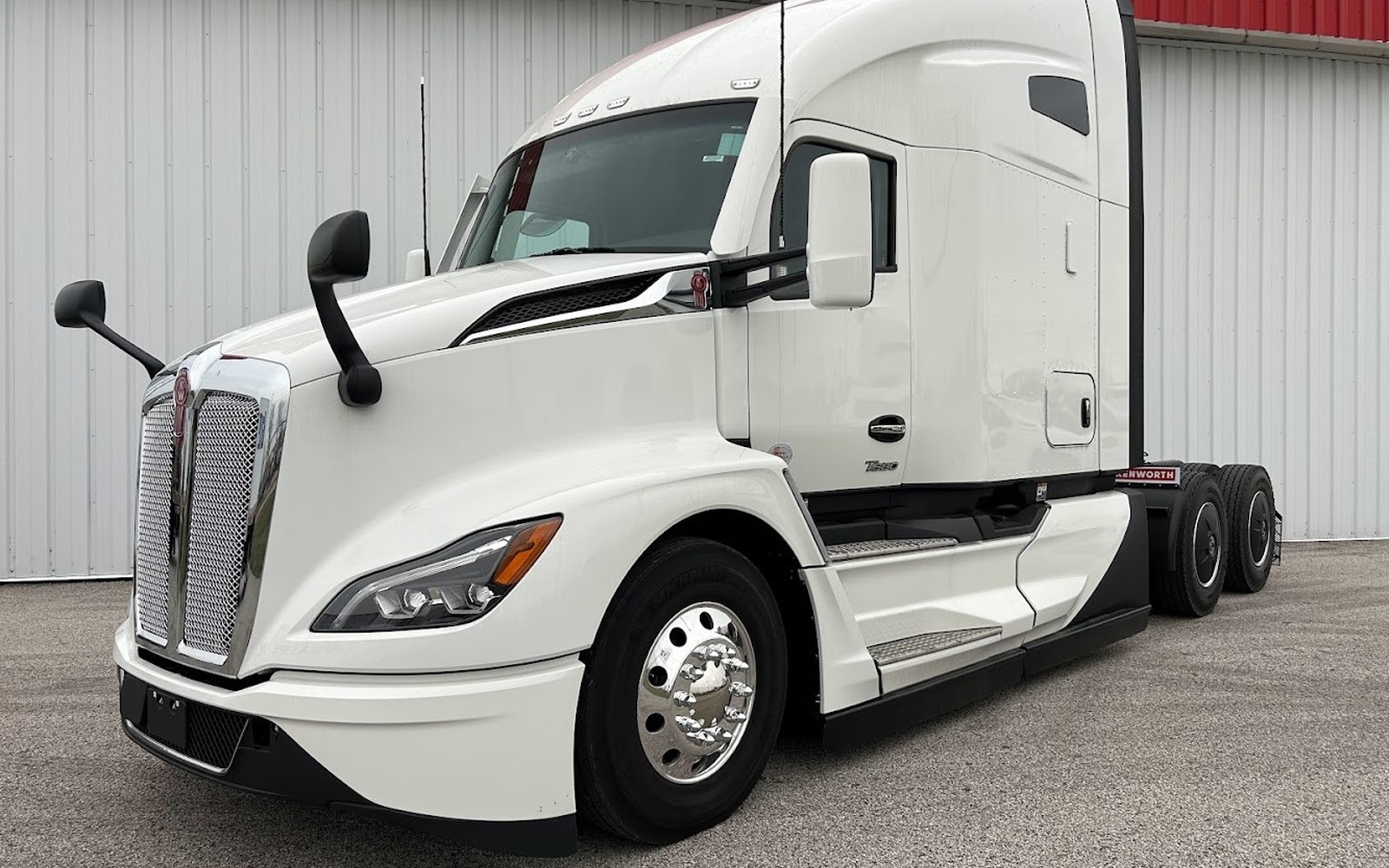
If you are pulling a specialty payload, your truck's configuration matters: aluminum vs. steel sleeper, wet kit, air ride fifth wheel, auxiliary power unit. We want to know the full spec so the appraisal is accurate. An appraiser who doesn't know what's on the truck gives you a low number. Our process accounts for the real configuration.
The timeline is typically one to two weeks from a complete file to funded. Complete means the application is filled out, three months of bank statements are attached, the existing payoff statement is included if there's a lien, and the truck details are provided accurately. Incomplete files cause delays because we have to request missing information. Send everything at once and the process moves cleanly.
If the payoff on your existing note is close to the truck's appraised value, the cash-out amount may be modest. In that case, the better play may be a rate and term refinance: no cash out, just a lower payment or shorter remaining term. Both outcomes are achievable, and we discuss them with you before submitting to lenders. Equipment refinancing for pure payment reduction is as valid a goal as cash-out, and we structure accordingly.
For operators whose credit took a hit, B and C credit equipment financing is available. The W900's strong collateral position gives non-prime lenders more comfort than they might have with a soft-collateral loan. The truck's value is the argument. And for operators exploring a larger capital injection than a standard refinance advance produces, a Equipment Sale-Leaseback on a W900 can generate the full market value upfront while the truck stays in your hands under a lease. We model both structures for every W900 file so you're comparing real numbers, not abstract options.
Send us your truck details, existing payoff if any, and three months of bank statements. We price it across our network and come back with real terms. Cash-out equipment refinancing on specialty trucks like the W900 is something we know how to do. The equity is there. Let's turn it into capital.
These are the underwriting points the desk uses to turn the taxonomy page content into a real cash-out structure.
Kenworth W900 Refinancing value, serial, configuration, hours or mileage, payoff, and comparable sales.
$50. The available cash is based on verified value minus the existing payoff.
Two weeks.
The timeline is typically one to two weeks from a complete file to funded.
Glider kit titles can be complex. Contact us with the specific details and we'll assess eligibility for your situation.
Yes. We can pay off both liens and issue one clean consolidated note.
A current inspection is not always required to apply, but it helps with the appraisal process. An expired inspection can complicate things.
A well-built and documented custom sleeper can add value. Disclose all modifications when you apply.
Yes. Use of proceeds is unrestricted. Paying off a trailer lien or buying new equipment are both acceptable uses.
Send the machine, payoff, and target cash-out amount. We will review the file and come back with rate, term, payment, and net proceeds.
Tell us what you are buying, who is selling it, and when you need it earning. We will review the file and point you to the next step.