Collateral Reviewed
Equipment location, current payoff, lien status, value support, and how the asset is used in the business.


Portland's construction and manufacturing operators have been buying and paying down equipment through several cycles of Pacific Northwest growth. The equity built up over those years is a capital asset, and cash-out refinancing puts it to work. The transaction is straightforward: we lend against your equipment's current value, pay off any lien, and deliver the remainder to your account in about one to two weeks. Our minimum is $50,000, and deals up to approximately $400,000 go through application-only underwriting with no tax return requirement.
Oregon's equipment economy spans timber and wood products, the Port of Portland's bulk cargo and container activity, heavy highway construction on I-5 and US-26, and a growing manufacturing and fabrication sector along the Columbia River corridor. Equipment running all of those sectors carries equity worth accessing.
The Port of Portland handles automobile imports, grain export, and container traffic through its three marine terminals on the Willamette and Columbia rivers. Port logistics operations, ship loading equipment, and drayage fleets serving the port carry equipment equity that is often larger than operators realize. Terminal tractors, reach stackers, and heavy lift cranes in port service are high-value assets.
Oregon's timber and wood products industry, while contracted from its historic peak, still represents a significant equipment sector in the broader Portland region. Log haulers, chip vans, and portable processing equipment serving the Coast Range and Cascades timber operations are refinanceable assets. Operators who have owned these machines through multiple timber cycles sometimes hold fully paid-off iron with real residual value.
Portland's construction market has been active through years of residential densification, light rail expansion, and commercial development in the Pearl District, South Waterfront, and East Portland. Utility and site work contractors running those projects own excavators, compact track loaders, and utility trucks with accumulated equity. ODOT projects on I-205 and OR-217 have kept highway contractors working as well.
The Clark County, Washington side of the metro, covering Vancouver and Ridgefield, adds additional construction and manufacturing capacity. We serve operators on both sides of the Columbia River because the Portland metro functions as a single equipment market regardless of the state line.
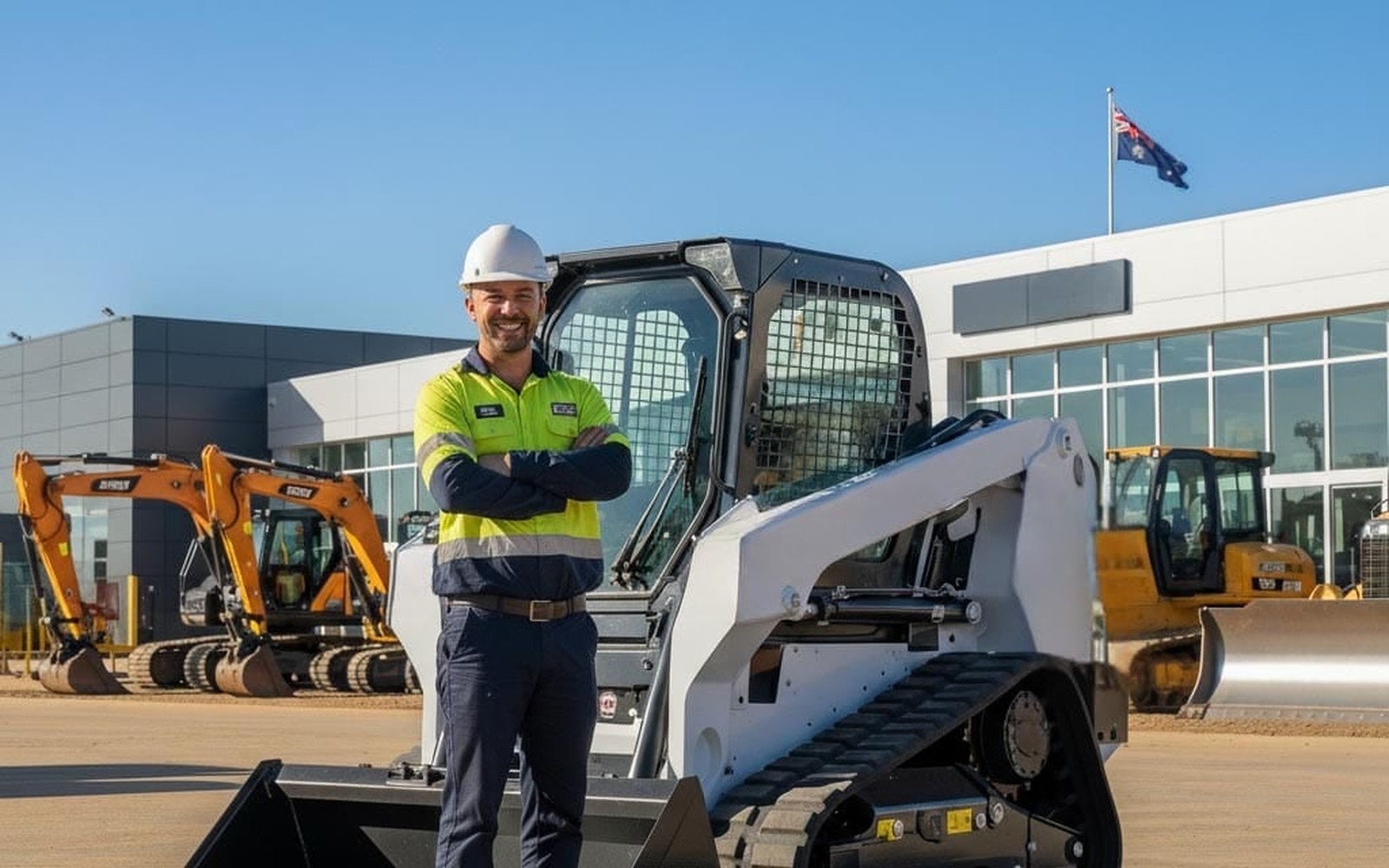
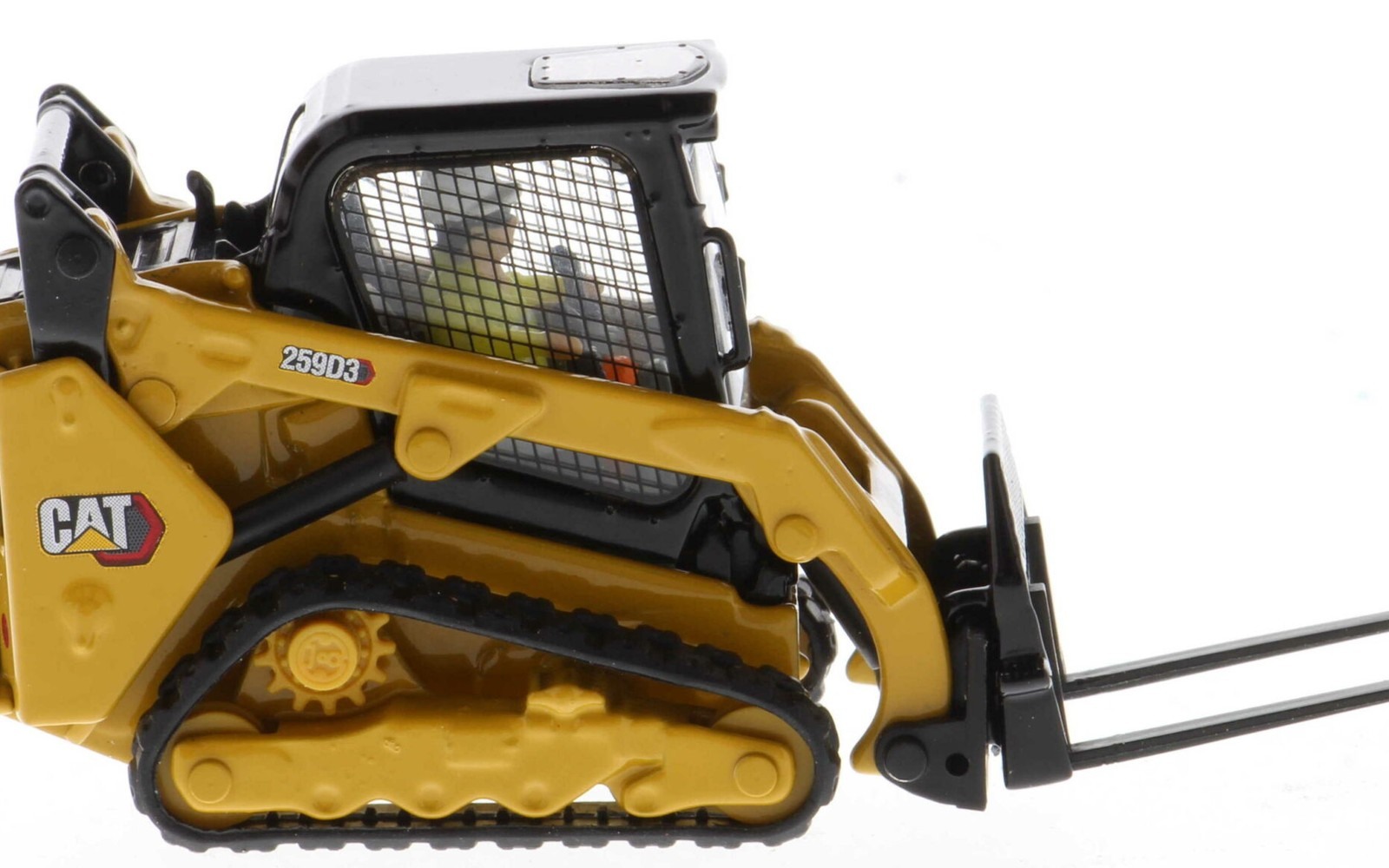
Compact equipment is central to Portland's urban construction market, where job sites are often tight and machines must be versatile. Skid steer refinancing and compact track loader refinancing cover the machines running utility, landscaping, and tight-access site work that characterizes Portland's infill development. These machines hold value well in the Pacific Northwest's active used equipment market.
Excavators running utility corridor and foundation work in the metro qualify across the size range. Excavator refinancing covers machines from 5-ton compact units running residential work to 30-ton production models on commercial projects. Crawler cranes and boom trucks serving Portland's construction and industrial lift market also qualify.
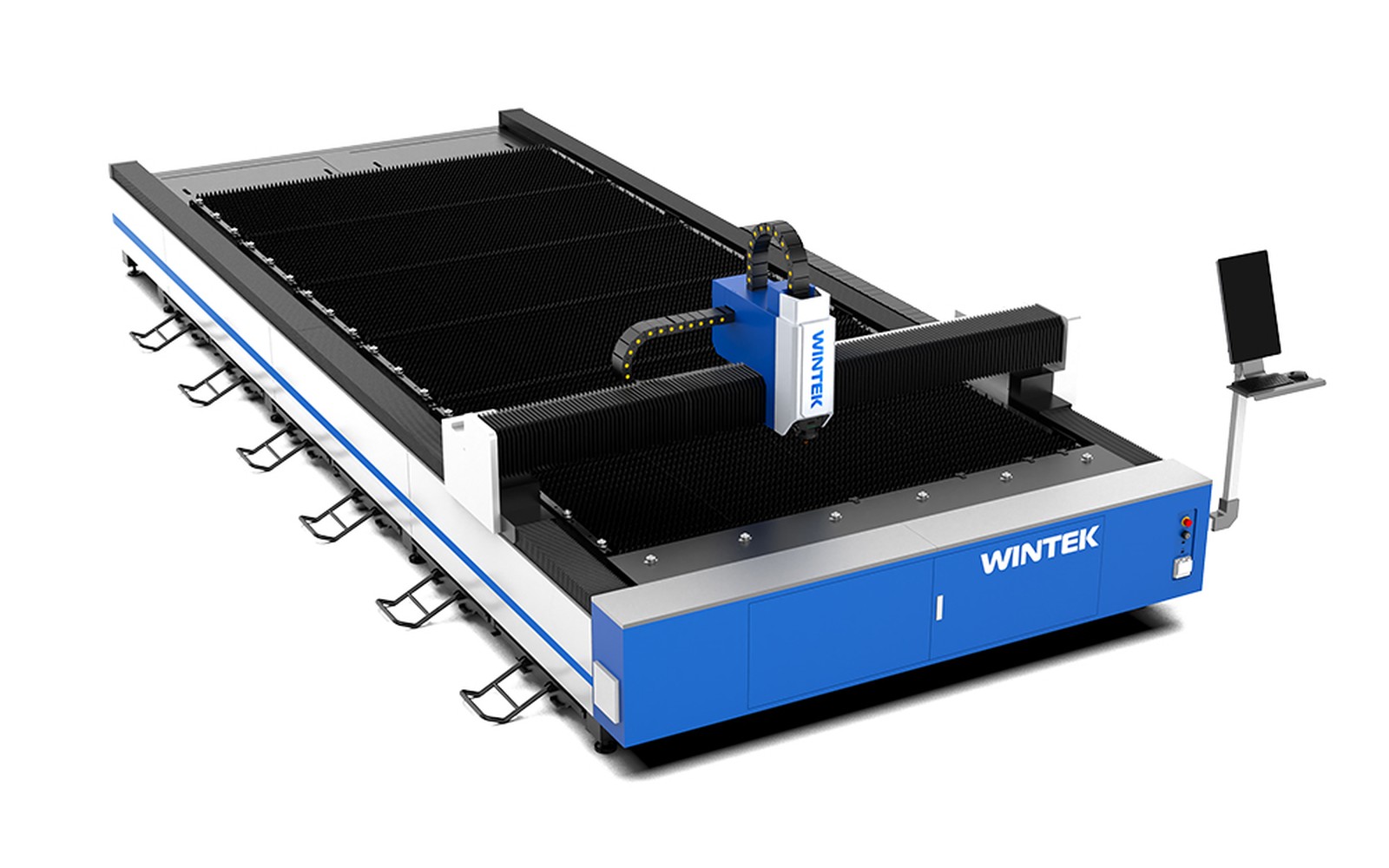
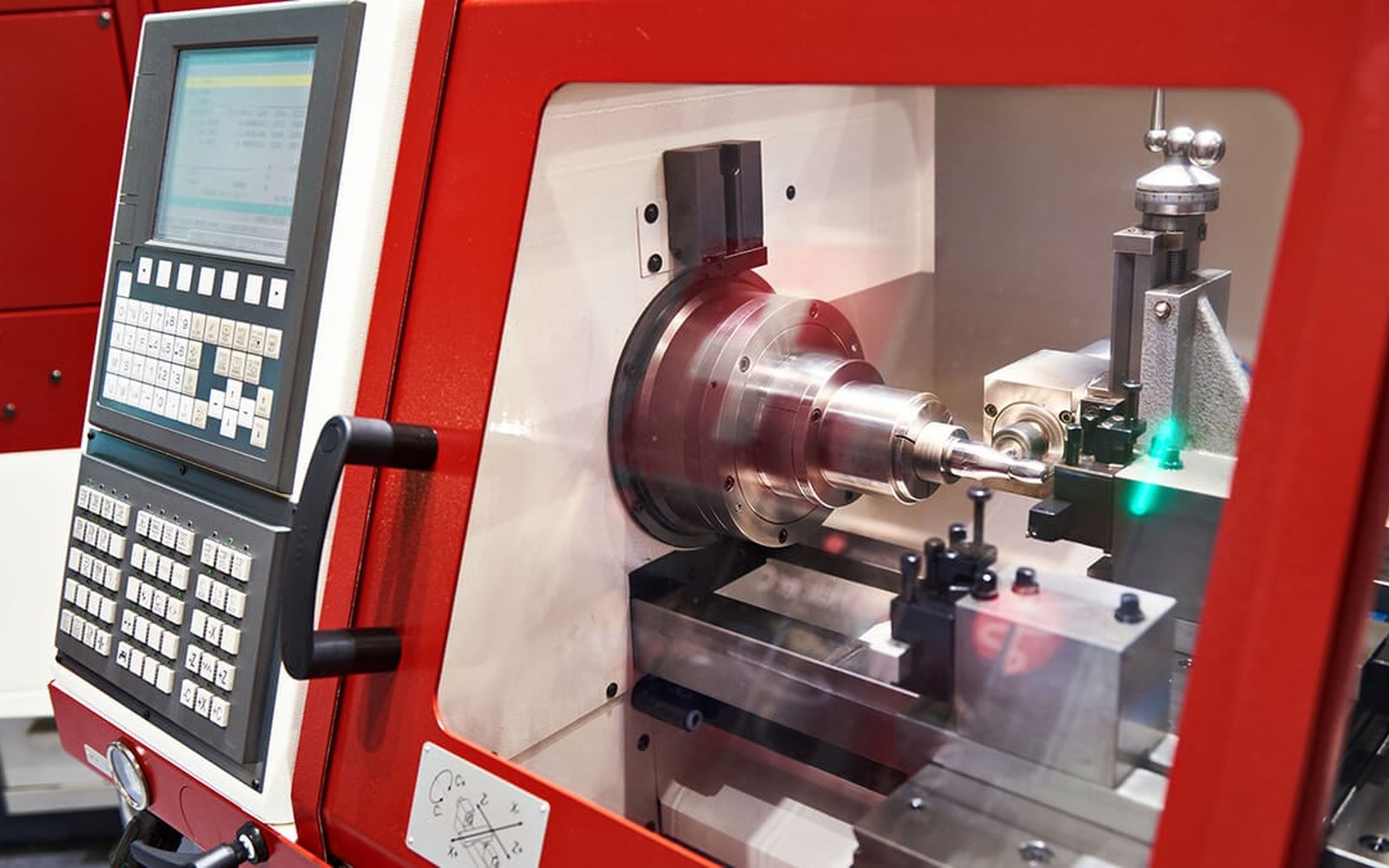
Manufacturing equipment in the Portland metro includes precision machining, metal fabrication, and electronics manufacturing. Laser cutting machine refinancing and CNC machine refinancing serve precision shops and fabricators in the Columbia River industrial corridor. Oregon's semiconductor and electronics manufacturing ecosystem generates demand for precision equipment that holds strong residual values.
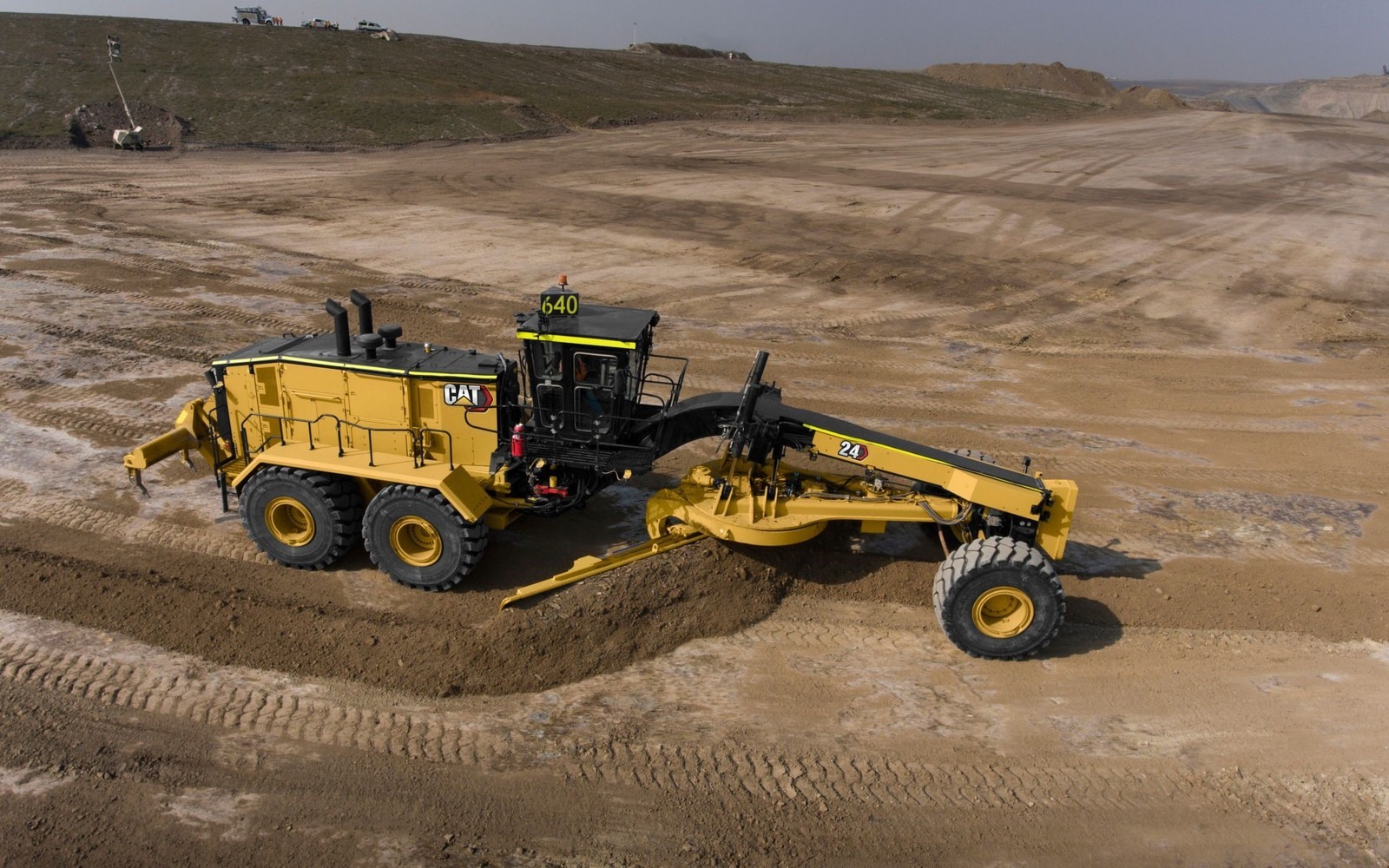
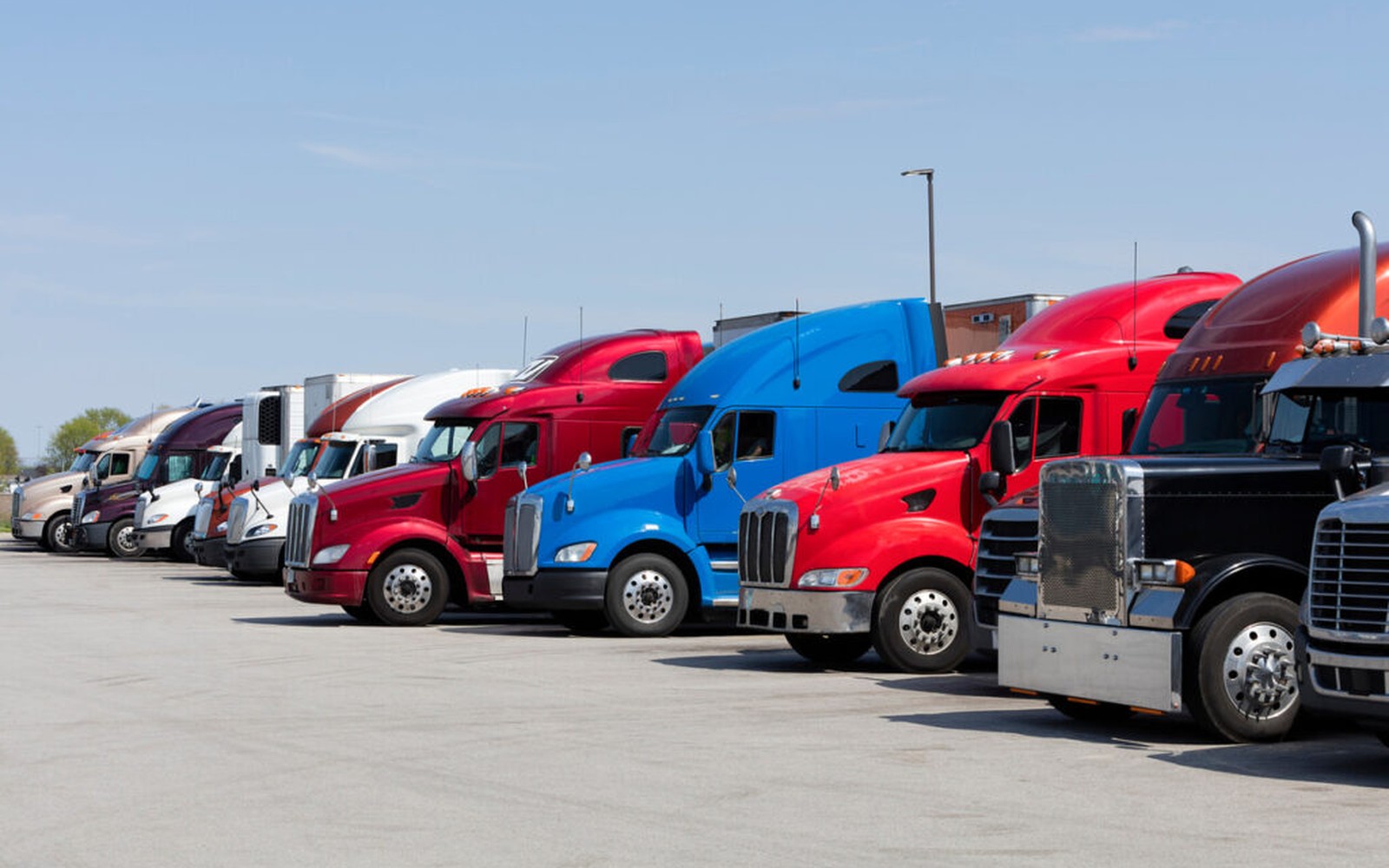
For the trucking and logistics sector, semi-truck refinancing covers fleets running I-5 freight lanes and port drayage from Port of Portland. Reefer trailers serving Oregon's agricultural export flows and flatbeds hauling manufacturing output also carry refinanceable value. Our used equipment financing program covers all machine ages as long as condition and market value support the advance.
The program fits operators who own iron and need capital to grow, bridge a cash flow gap, or capitalize on a contract or equipment opportunity that showed up faster than cash reserves allow.
Oregon businesses with credit challenges are welcome. The state's timber and construction sectors have experienced enough down cycles to make B and C credit common among otherwise solid operators. Our B/C credit equipment financing program weighs equipment value and current cash flow heavily, recognizing that a credit score reflects history rather than present reality.
For operators who want to grow capacity without selling existing equipment, a Equipment Sale-Leaseback can deliver the full value of a paid-off machine without taking it off the job. You sell, we lease it back to you, and the machine keeps earning while the capital goes to work elsewhere.
Application-only underwriting applies to deals under approximately $400,000. The document list is: completed application plus three months of business bank statements. No tax returns. No appraisals on standard equipment types. No lengthy bank-style review process.
Funding typically runs one to two weeks from a complete package. We work in that window deliberately because Portland's construction market moves fast, and an equipment purchase opportunity or a contract mobilization need does not wait for a 45-day bank cycle.
For specialty equipment including port terminal machinery, logging equipment, or semiconductor fabrication tools, we may request additional documentation to establish market value. That is a brief conversation, not a roadblock. Specialty equipment with documented working history and verifiable regional demand is a fundable category; we just need to confirm the value basis before moving forward.
Portland operators with paid-down iron have a capital source that most banks overlook. Tell us what you have: machine type, year, hours, and current balance. We turn that into a funding offer in days, not weeks. Minimum $50,000. Application-only to $400,000. B/C credit considered. Funding in one to two weeks.
These are the underwriting points the desk uses to turn the taxonomy page content into a real cash-out structure.
Equipment location, current payoff, lien status, value support, and how the asset is used in the business.
$50. The available cash is based on verified value minus the existing payoff.
One to two weeks.
The program fits operators who own iron and need capital to grow, bridge a cash flow gap, or capitalize on a contract or equipment opportunity that showed up faster than cash reserves allow.
Yes. Log haulers, chip vans, and portable processing equipment serving Oregon's timber industry can qualify based on documented condition and regional market value. The Pacific Northwest timber equipment market is real and supports equipment values that make refinancing viable for productive working units.
Yes. Multi-state operation is not a barrier. The key factors are where your business is registered and the equipment's documented value. Whether you work in Portland proper or across the river in Clark County, the transaction structure is the same.
Supply chain disruptions from 2020 through 2022 affected virtually every manufacturer. We look at current revenue trends and the business's present condition rather than penalizing a period that was driven by systemic factors outside your control. If the shop is running now and the equipment is solid, the slow stretch is context, not a verdict.
Yes. Private-party purchase history does not affect eligibility. Whether you bought the machine at auction, from another contractor, or through a dealer, what matters now is the current ownership, the outstanding balance if any, and the equipment's market value.
For well-maintained excavators in active use, LTV is typically a meaningful percentage of current market value. Specific numbers depend on the machine's age, hours, condition, and the current regional auction market. We give you a specific estimate once we know the details; we do not provide generic LTV percentages that could be misleading for your specific unit.
Send the machine, payoff, and target cash-out amount. We will review the file and come back with rate, term, payment, and net proceeds.
Tell us what you are buying, who is selling it, and when you need it earning. We will review the file and point you to the next step.