Collateral Reviewed
Equipment location, current payoff, lien status, value support, and how the asset is used in the business.

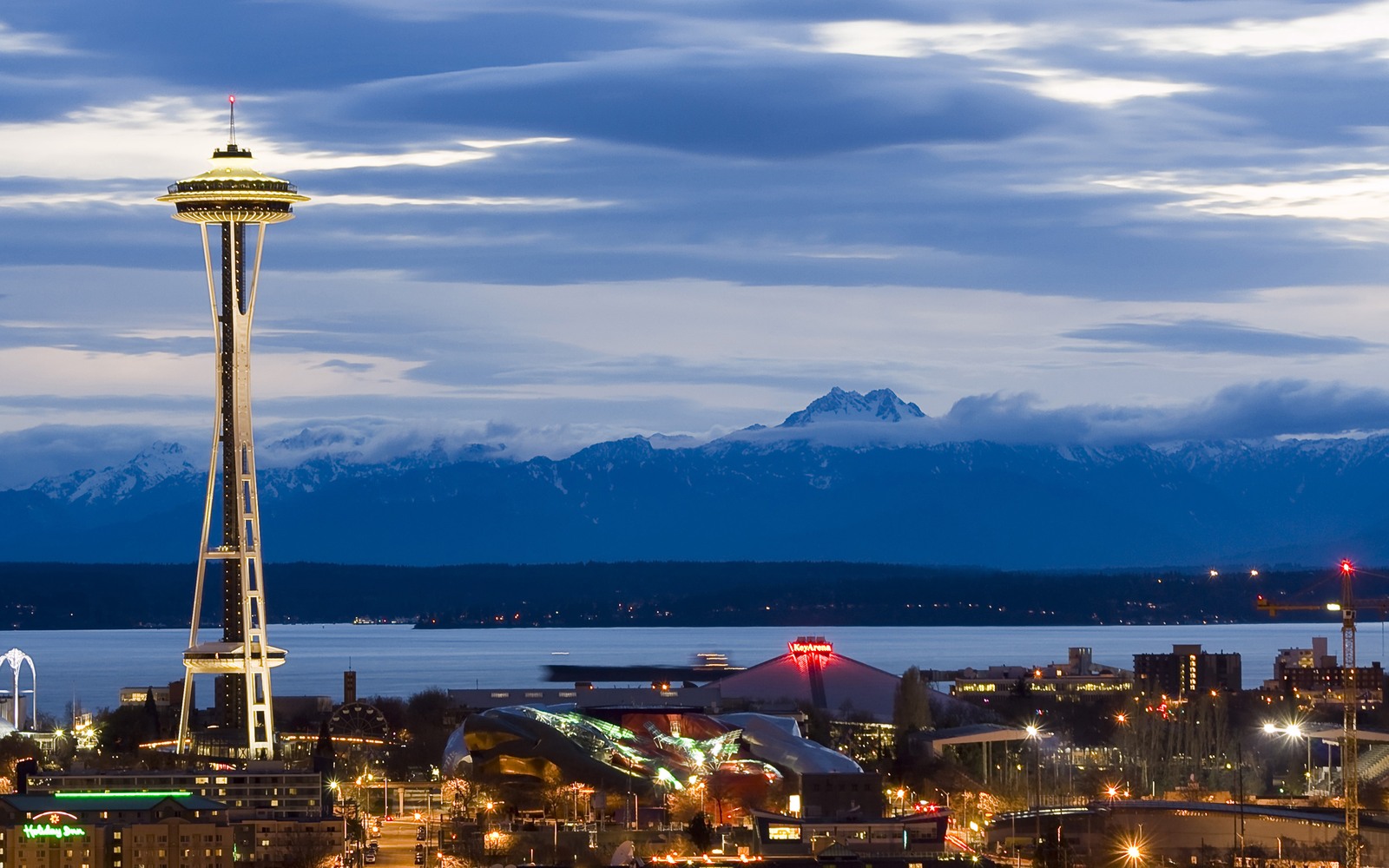
The equity in your Seattle-area equipment is money on the table. Contractors running WSDOT highway work, marine construction operators on Puget Sound, and the manufacturing shops feeding Boeing's supply chain all own equipment with real market value. If you have been paying that iron down, you have built capital. Cash-out equipment refinancing delivers that capital to your account in about one to two weeks. Minimum $50,000. Application-only up to $400,000.
Seattle's economy demands heavy machinery in ways that compound over time. The SR-99 Berm, Sound Transit light rail expansion, the Alaskan Way Viaduct replacement, and a constant pipeline of utility and transit projects have kept contractors buying and paying down equipment for years. That equipment carries equity that most operators have not thought to tap.
The Port of Seattle and Port of Tacoma together form the Northwest Seaport Alliance, one of the largest container port complexes on the West Coast. Drayage fleets, container handlers, and logistics equipment serving those terminals accumulate equity over years of port service. Terminal operators, freight forwarders, and logistics companies in the port corridor own assets that carry refinanceable value.
Boeing's presence in the Puget Sound region, centered in Renton and Everett, creates a massive aerospace supplier ecosystem. Precision machine shops, composite fabricators, and tooling manufacturers supply Boeing and its tier-one contractors. Many of those shops bought CNC machines, mills, and precision measurement equipment years ago and have been paying them down while running consistent aerospace contracts. That paid-down precision equipment carries real equity.
Washington State has maintained an active construction program through Sound Transit expansion, WSDOT highway improvements, and Port authority capital projects. Utility contractors, excavation companies, and civil construction firms in King and Pierce counties have been acquiring and paying down equipment through this extended construction cycle. The equity sitting in that fleet is accessible.
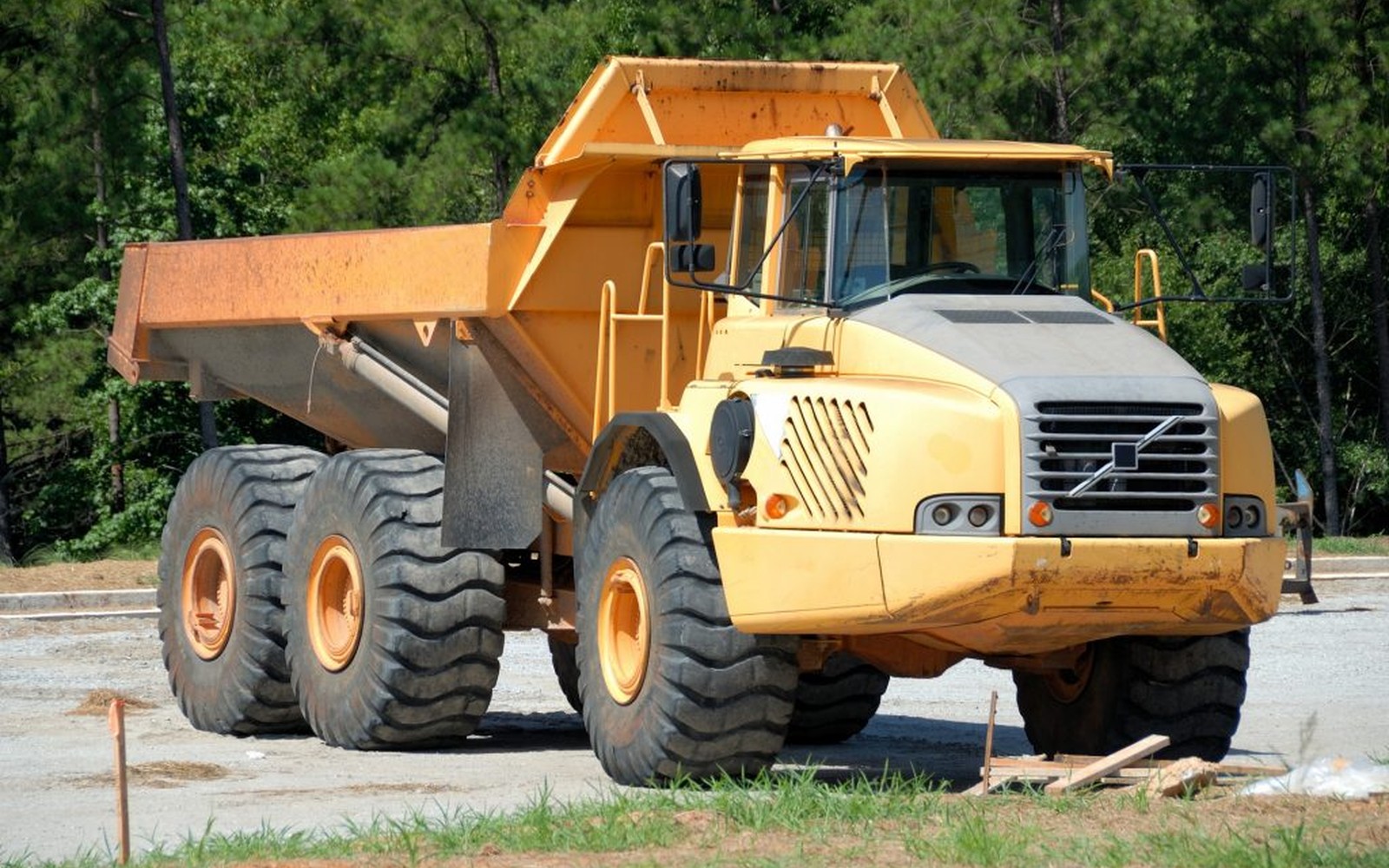
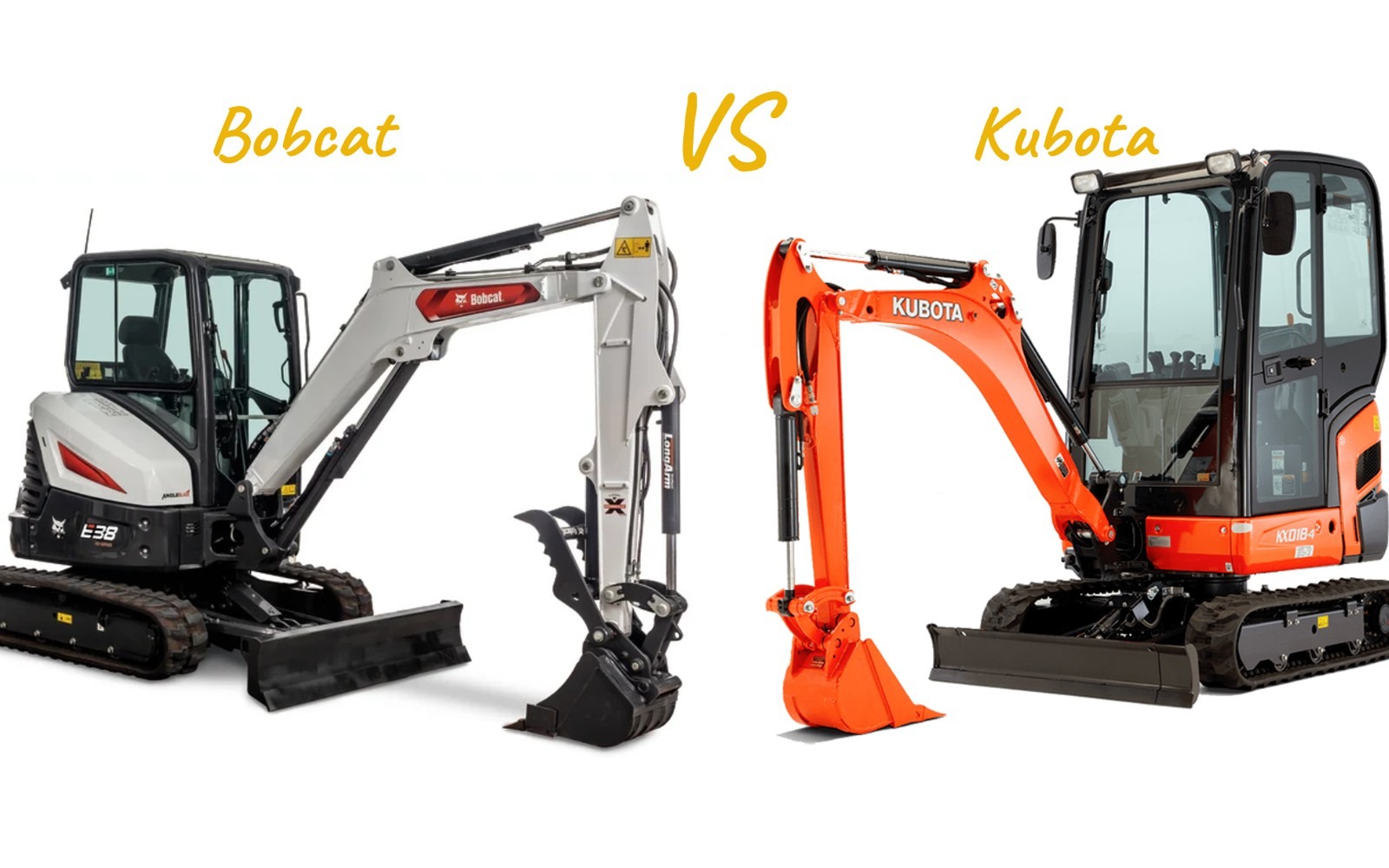
Construction equipment across King and Pierce counties is the dominant asset class. Excavators running transit construction, utility work, and development site prep qualify regardless of size. Mini excavator refinancing covers the compact units running utility trenching and tight-site work throughout Seattle's dense urban geography, while full-size models on Sound Transit corridor and highway projects qualify at higher loan amounts.
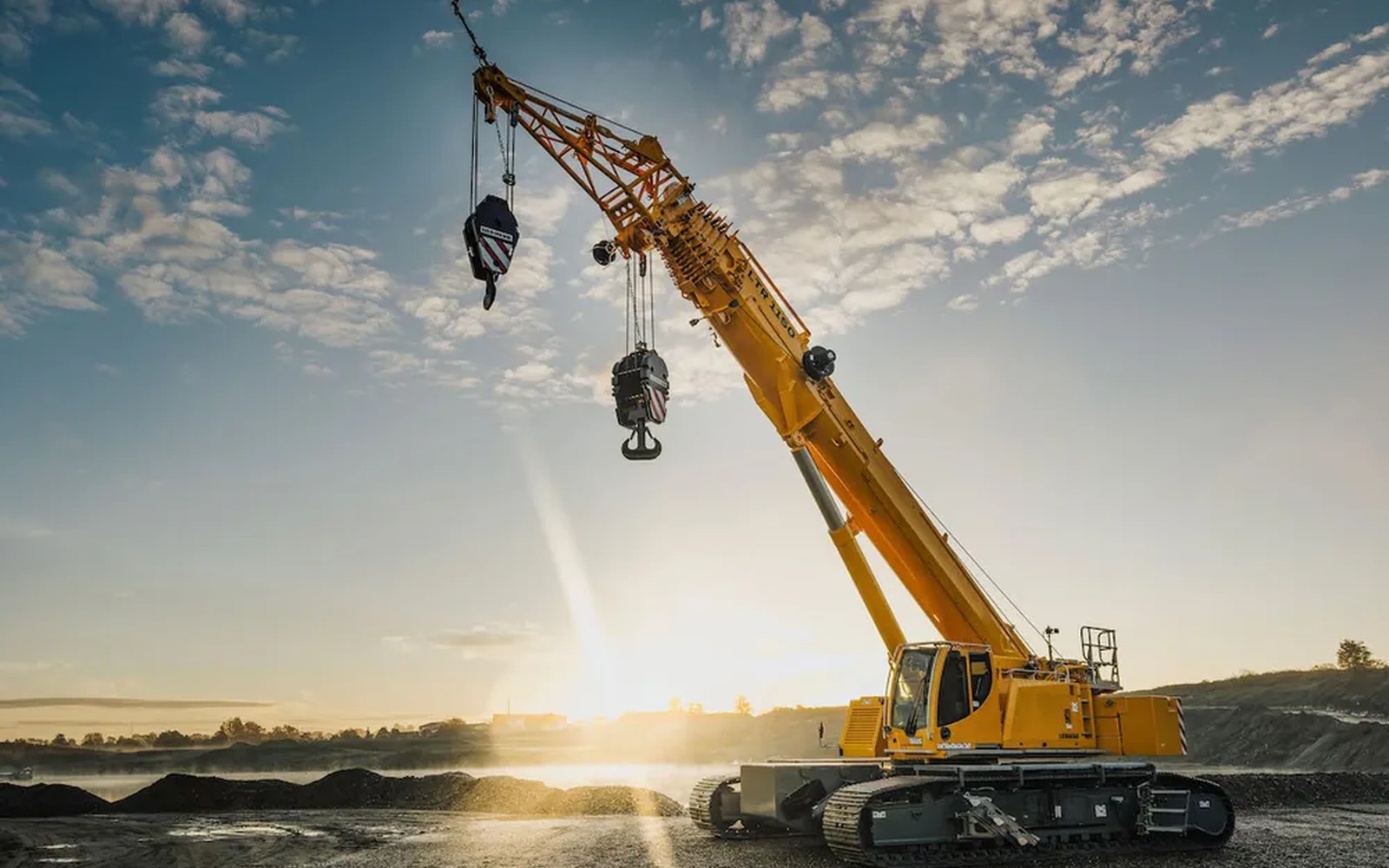
Marine construction equipment has a specialized Seattle market. Cranes and derricks on Puget Sound dock work, pile drivers on ferry terminal projects, and specialty vessels used in marine construction carry values supported by the active Pacific Northwest marine construction market. Crawler crane refinancing is a category we handle for Seattle-area contractors with lifting equipment on major projects.
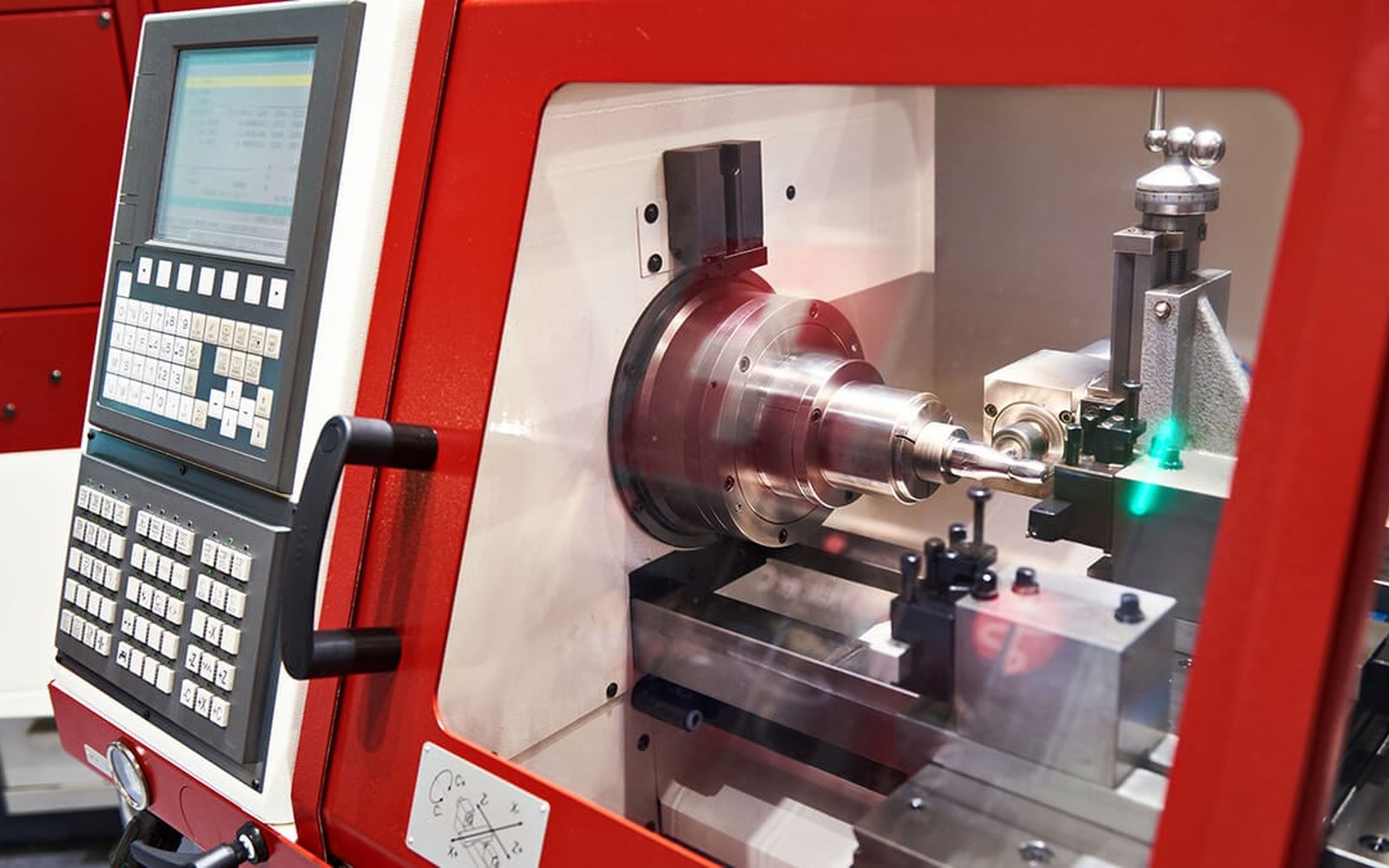
For aerospace suppliers and precision manufacturers, CNC machine refinancing covers the high-value mills, lathes, and multi-axis machining centers serving Boeing and commercial aerospace contracts. The aerospace supplier market supports strong resale values for precision equipment that most general lenders do not understand well enough to move on quickly.
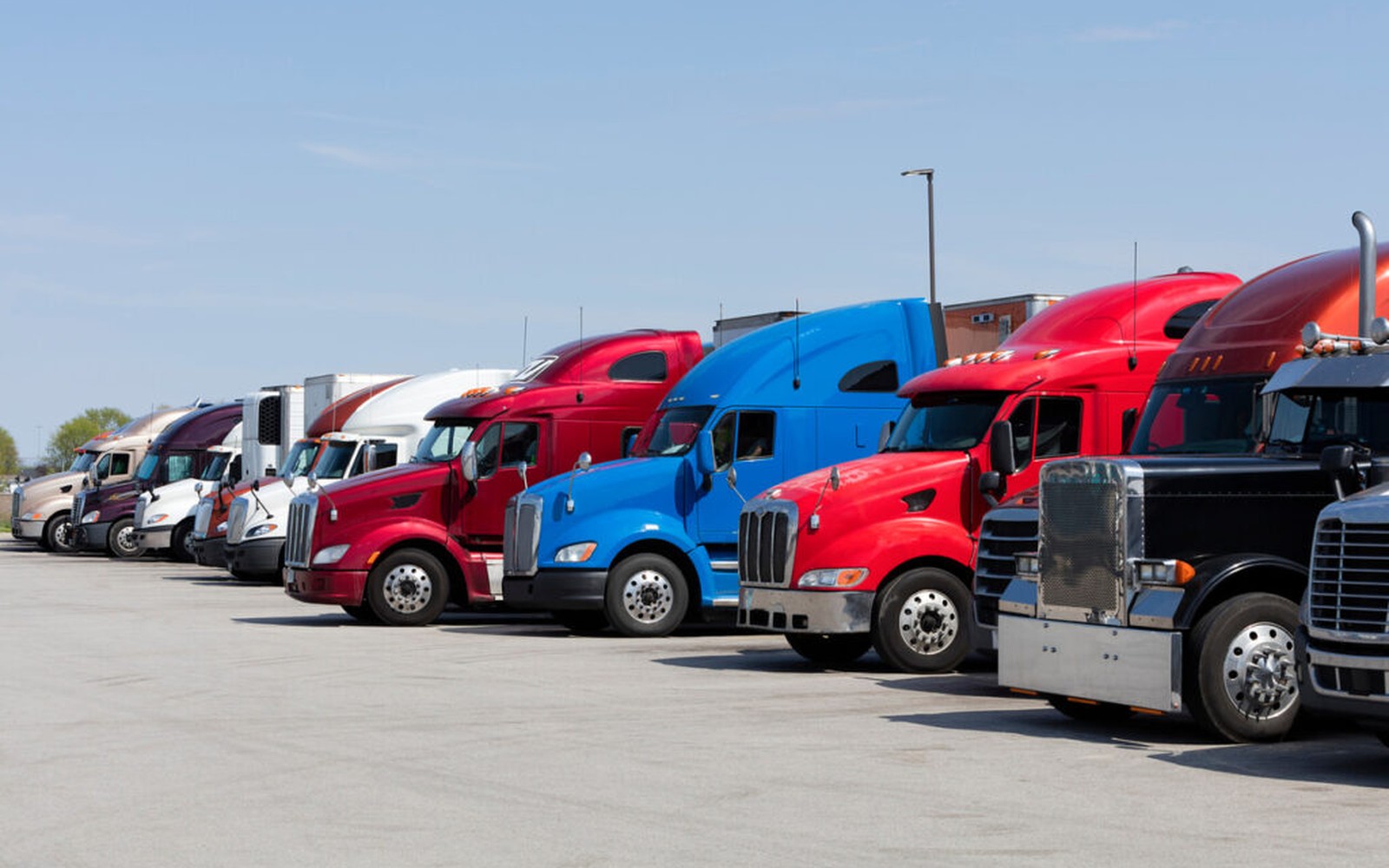
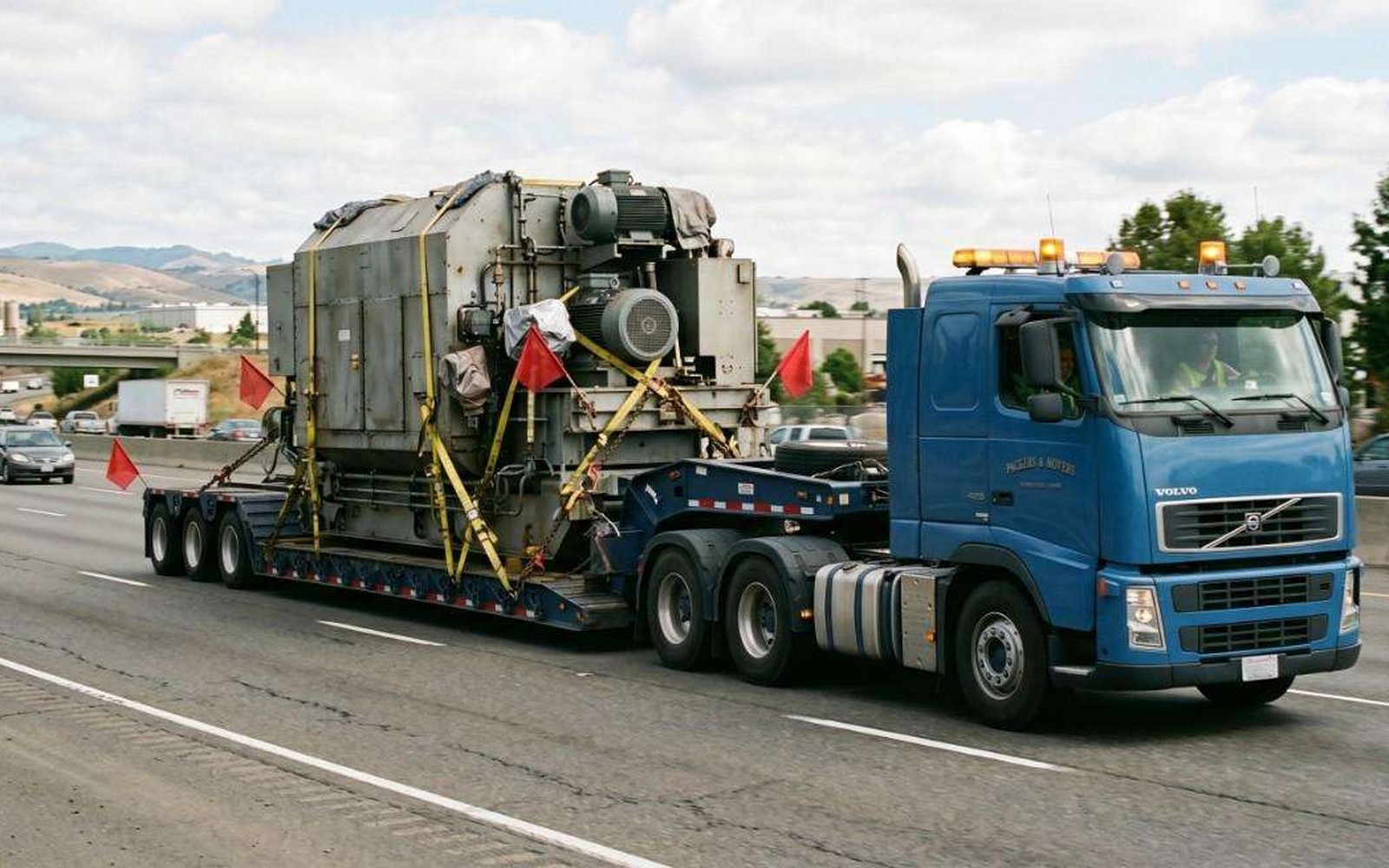
Trucking and logistics equipment in the Puget Sound region is another active category. Semi-truck refinancing covers port drayage fleets, Amazon and Costco last-mile equipment, and I-5 freight corridor operators. Reefer trailers serving Washington's agricultural export market and flatbeds hauling aerospace components also carry equity worth accessing. Used equipment across all these categories qualifies through our used equipment financing program.
The transaction starts with market value. We determine what your equipment is worth in today's Pacific Northwest market, check the payoff balance if any, and advance against the difference. Paid-off machines receive the full advance against appraised value. Machines with a remaining balance get the payoff cleared and the remainder forwarded to you.
For deals up to approximately $400,000, the underwriting is application-only. Completed application plus three months of business bank statements. No tax returns, no formal appraisals on common machine types, no business plan. Above $400,000, the underwrite is fuller but remains focused on getting to a decision and funding quickly.
We handle transactions across King, Pierce, Snohomish, and Kitsap counties. The Seattle metro's geographic spread does not restrict where the equipment operates or where the business is based.
For operators who want to extract the full value of paid-off equipment rather than just a portion, equipment sale-leaseback transfers title to us and leases the machine back to you, giving you access to the full appraised value while the machine keeps earning. For operators with multiple equipment loans, debt consolidation equipment loans can simplify payments while releasing additional equity.
Seattle-area businesses with non-standard credit profiles are considered. The aerospace supplier ecosystem, construction contracting, and maritime industries all experience project-driven revenue fluctuations that can create credit events. A shop that had a lean quarter tied to a Boeing production pause, or a contractor whose credit was dinged during a WSDOT contract delay, is not permanently damaged in our underwriting framework.
Our B/C credit equipment financing program is available for operators whose credit history is imperfect but whose equipment is solid and whose business is currently generating revenue. The collateral quality and present cash flow are the primary inputs, not a credit score alone.
For the highest-value transactions involving specialty marine or aerospace equipment, we may request additional documentation to confirm market value. That is a targeted request, not a full bank-style package. Specialty equipment with a real market and documented working history is fundable; we just need to understand the value basis before committing capital.
These are the underwriting points the desk uses to turn the taxonomy page content into a real cash-out structure.
Equipment location, current payoff, lien status, value support, and how the asset is used in the business.
$50. The available cash is based on verified value minus the existing payoff.
1-2 weeks.
The transaction starts with market value.
Yes. Aerospace-supplier CNC machines in active production service can be refinanced. The Boeing supply chain creates verifiable, documented revenue that supports the underwriting, and precision machines held by productive shops carry real market values we can lend against.
Marine construction equipment, including cranes, pile drivers, and specialty vessels, can qualify based on documented condition and Pacific Northwest market value. The Puget Sound marine construction market supports demand for this equipment, which we factor into the valuation.
Government payment delays are a documented reality in public works contracting. We look at the business's current financial position and the equipment's value. If the delayed payments were an isolated incident and the business is otherwise healthy, that history is a context item rather than a barrier.
Yes. Portfolio refinancing lets you combine the equity from multiple machines into one transaction. We evaluate each unit individually and structure the overall advance based on the combined equity across the fleet. This is common for contractors with several pieces of paid-down construction iron.
Application-only underwriting applies up to roughly $400,000. Above that, we move to a fuller financial review, but the transaction size is not capped at $400,000. Large fleet refinances and single-unit transactions on high-value machinery have closed well above that threshold with appropriate documentation.
Seattle operators sit on significant equipment equity built through years of active construction, port operations, and manufacturing work. Tell us what you have and what you need. Minimum $50,000. Application-only to $400,000. Funding in one to two weeks.
Tell us what you are buying, who is selling it, and when you need it earning. We will review the file and point you to the next step.