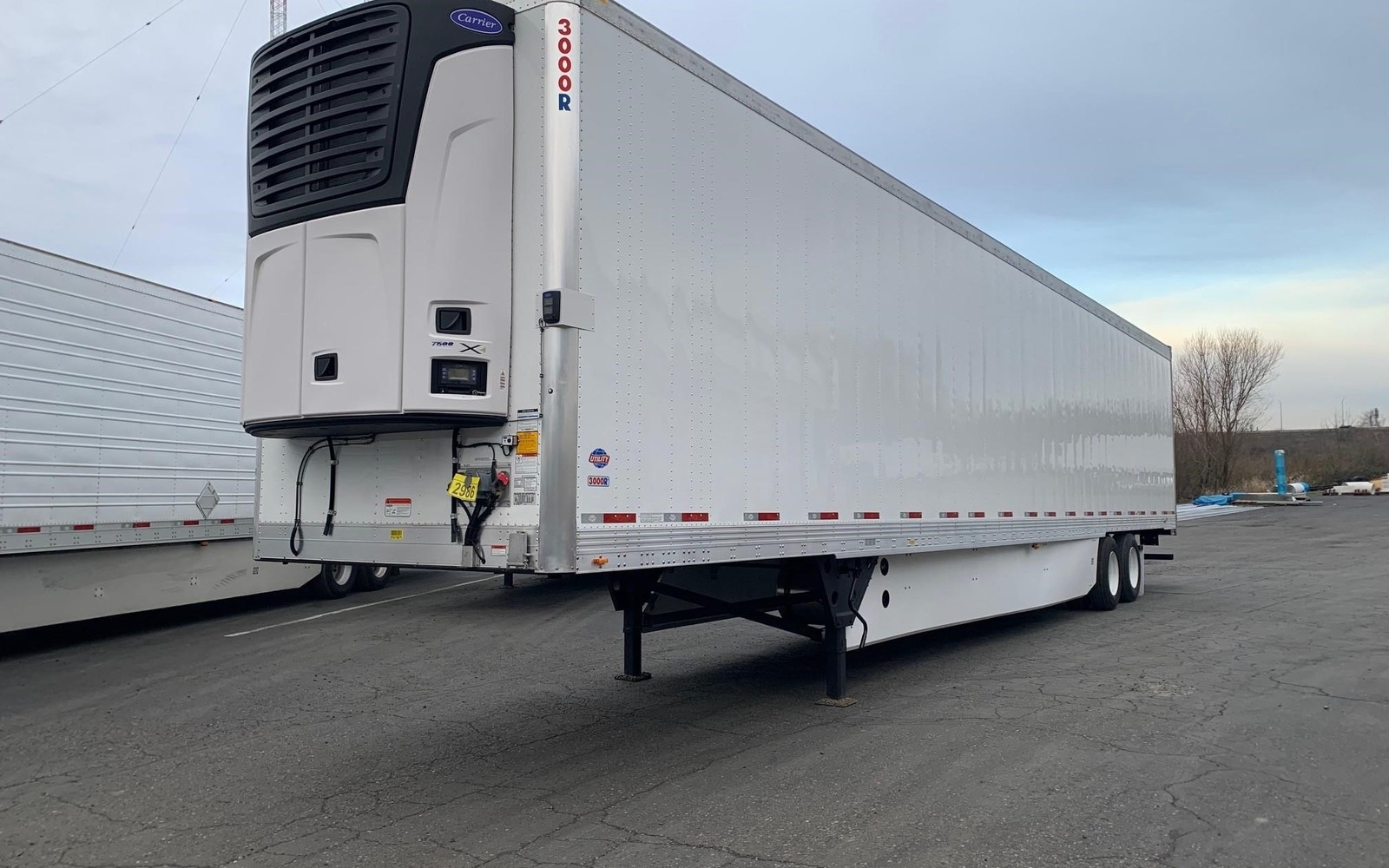
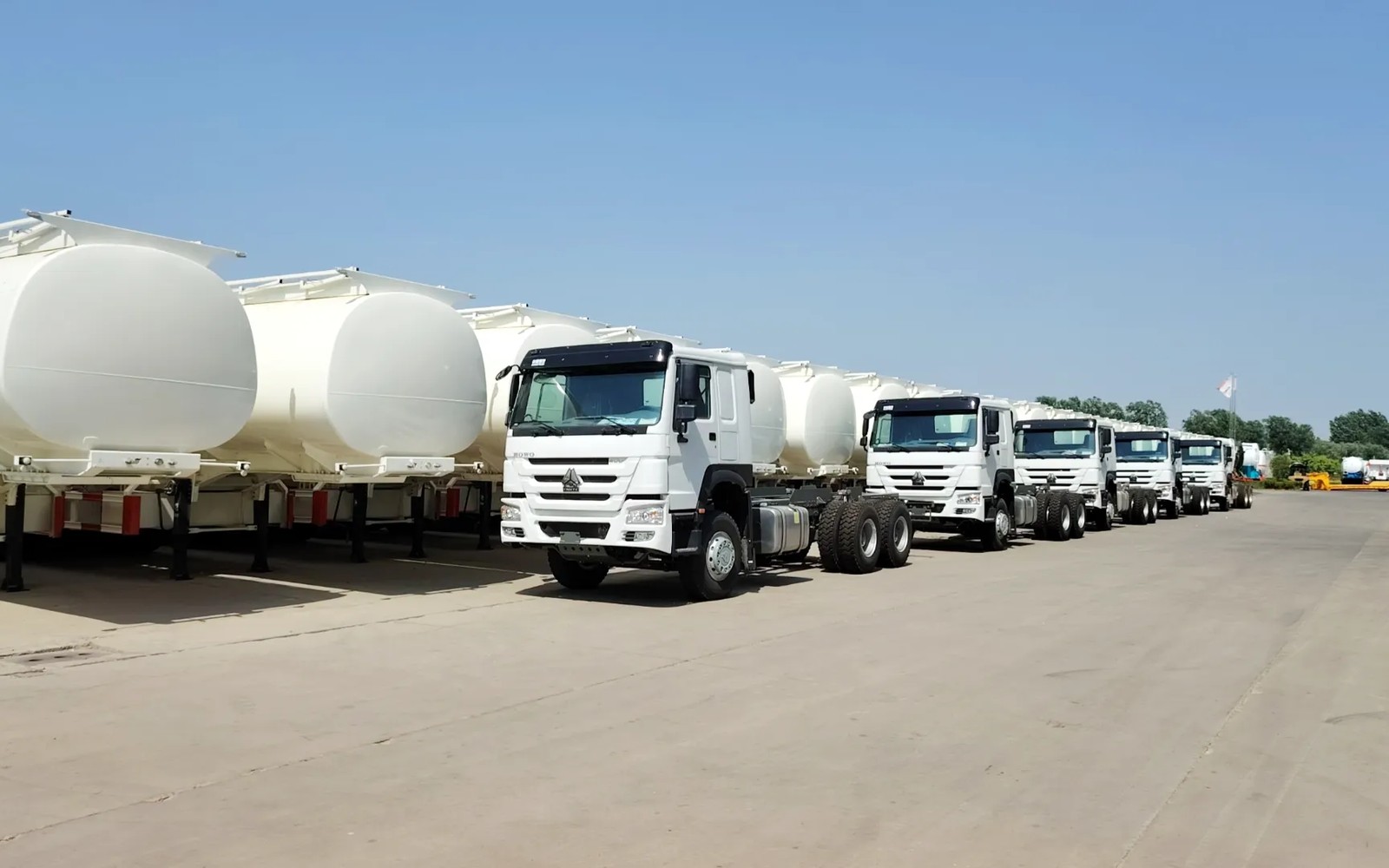
Collateral Reviewed
Revenue-producing equipment already working in the operation, with payoff and current value documented.


A paid-down semi truck or a fleet of trailers represents capital that most trucking companies leave tied up when it could be working. Cash-out equipment refinancing and Equipment Sale-Leaseback let trucking and transportation companies extract that equity fast, without selling units and without disrupting the freight operation.
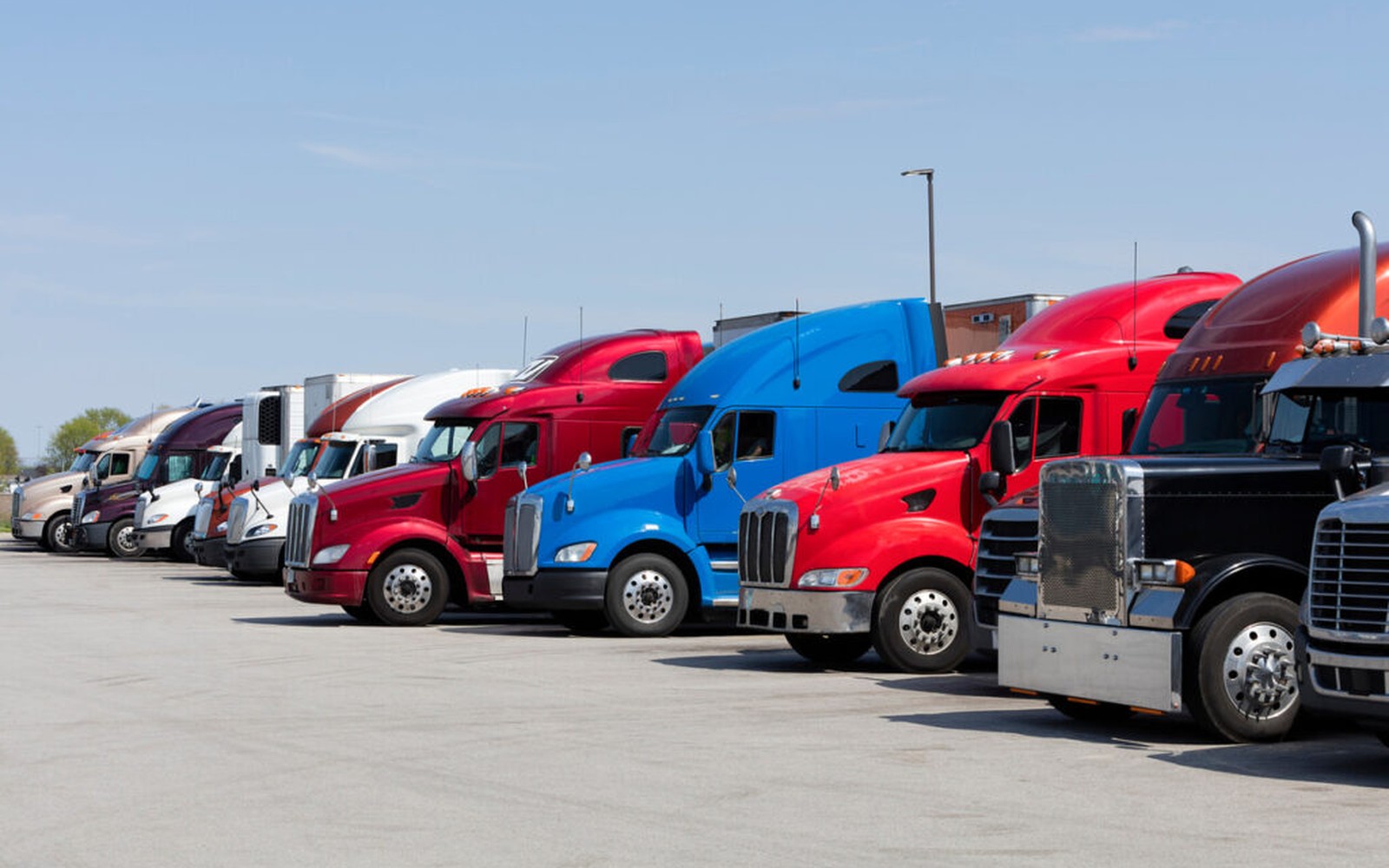
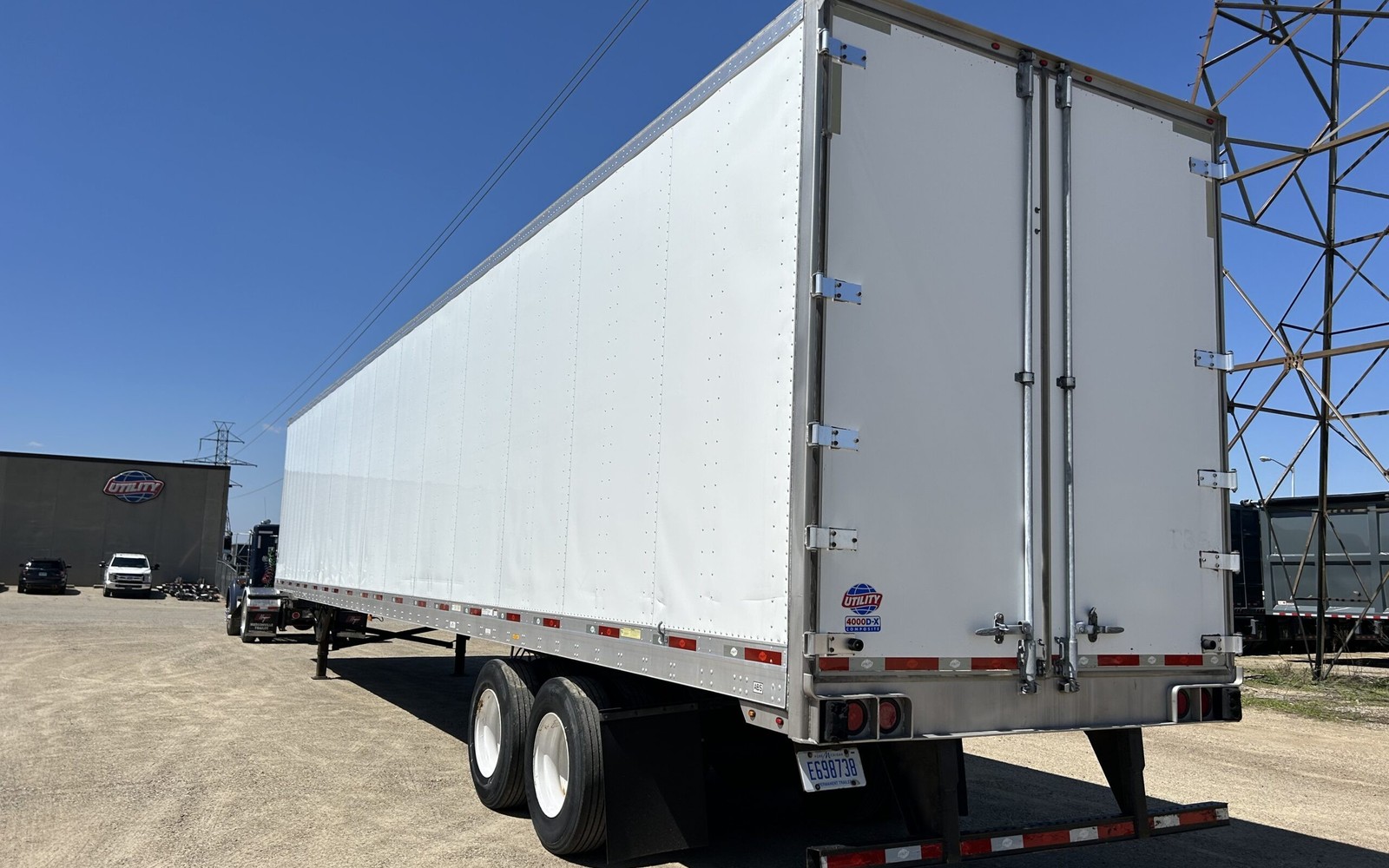
We work with truckload carriers, LTL operations, tanker fleets, flatbed operators, and specialized heavy-haul companies. The asset class is broad and we lend against most of it: day cabs, sleepers, dry vans, reefers, flatbeds, lowboys, tankers, and specialty configurations.
Minimum transaction is $50,000. Fleet operators typically move $200,000 to $800,000 or more in a single transaction. Application-only processing covers most fleets under $400,000. We close in one to two weeks.
The breadth of the trucking equipment spectrum is one reason this industry shows up so often in our transaction volume. Nearly every piece of revenue-generating rolling stock qualifies for consideration.
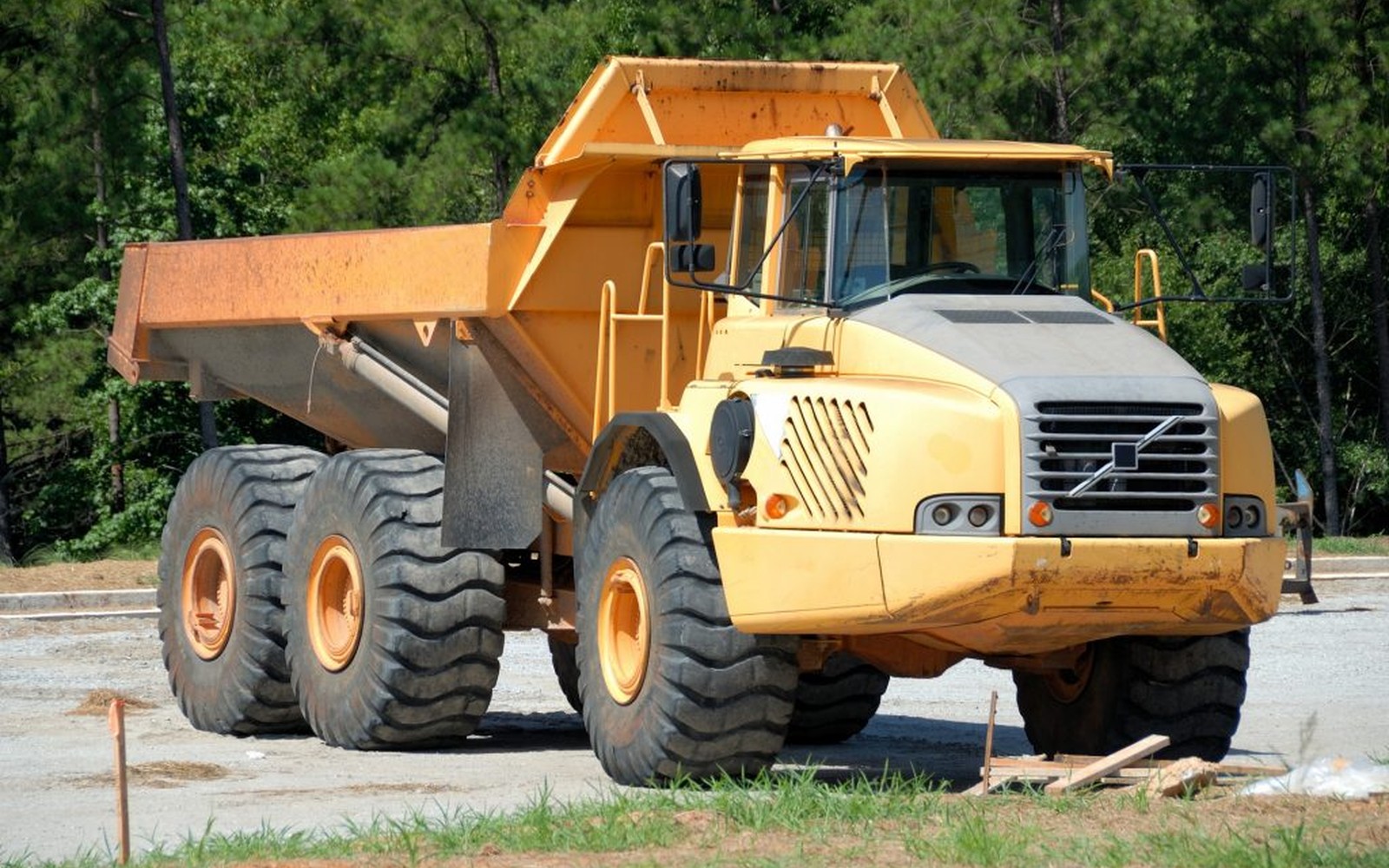
We also look at specialized equipment like vacuum trucks, box trucks, and hook-lift configurations that fall outside the standard freight categories.
Freight rates move in cycles. Carriers who built their fleet during a rate run-up sometimes find themselves servicing debt at rates that were fine at $4 per mile but are tight at $2.75. Refinancing to extend the term and reduce the monthly payment restores operating margin without selling equipment. Pulling cash out at the same time addresses short-term liquidity needs.
Fleet expansion is another common use case. An operator who has three trucks and wants to add a fourth can pull equity from the existing three to fund the down payment on the new unit without disrupting the debt structure of any individual truck. The fleet grows without waiting for a strong rate quarter to accumulate the down payment organically.
Carriers running freight lanes through Los Angeles, Houston, and Memphis distribution hubs tend to have predictable utilization patterns that strengthen their applications. Documented loads and consistent bank deposits paint a clear cash-flow picture.
Trucking companies buy a mix of new and used rolling stock, and both qualify for refinancing. Used tractors and trailers are actually a large portion of what we see. A five-year-old sleeper purchased at a significant discount from new that has been paid on for two years may have more extractable equity than a newer unit with a higher principal balance.
The key metric is loan-to-value ratio. If the fair market value of the equipment is meaningfully above what you owe on it, or if you own it outright, there is a refinancing transaction to structure. Age and mileage affect the value estimate but do not make equipment ineligible as a category.
For operators who bought used and financed through a private party or with informal terms, private party equipment financing and refinancing structures are available regardless of the original purchase channel.
Trucking companies frequently carry complex credit files: multiple equipment loans, fluctuating revenue tied to spot rates, and periods of tightness when the market turned. We work with B and C credit. Bad credit equipment financing is a real product, not a bait-and-switch. The collateral and current cash flow carry significant weight in underwriting, especially when the asset value is strong.
Documentation is three months of business bank statements, an application, and equipment details for each unit being financed. For fleet transactions above $400,000 we will also want recent financials. Trucking companies with IFTA records and fuel card reports often use those as supplemental documentation to show mileage and utilization.
Give us the VINs, approximate payoffs, and what the capital is for. We come back with real numbers the same day. No commitment required to see what your fleet is worth as collateral.
These are the underwriting points the desk uses to turn the taxonomy page content into a real cash-out structure.
Revenue-producing equipment already working in the operation, with payoff and current value documented.
$50. The available cash is based on verified value minus the existing payoff.
1-2 weeks.
Freight rates move in cycles.
Yes. Fleet transactions are common and often more efficient than processing units one at a time. We can structure a blanket lien across multiple tractors and trailers in a single closing, producing a single payment and a clean structure.
Mileage and age are factors in the valuation, but they do not automatically disqualify a truck. The question is current market value relative to the requested loan amount. An 8-year-old Kenworth T680 with 700k miles has a different value profile than a 15-year-old unit with the same mileage. We run the comps and tell you the real number.
Yes. That is one of the most common use cases. Pull equity from the fleet you have, use it as the down payment on the next addition. The fleet grows without waiting for cash to accumulate from operations.
We evaluate each unit on its own collateral position. An upside-down unit does not contribute positive collateral value, but it also does not negate the equity in other units in a blanket deal. The overall portfolio position is what matters for the deal structure.
We request a 10-day payoff from your existing lender as part of the process. At closing, those payoffs wire directly to the prior lenders from the transaction proceeds. You receive the net cash after payoffs are cleared, all coordinated at the closing table.
Send the machine, payoff, and target cash-out amount. We will review the file and come back with rate, term, payment, and net proceeds.
Tell us what you are buying, who is selling it, and when you need it earning. We will review the file and point you to the next step.