Collateral Reviewed
Equipment location, current payoff, lien status, value support, and how the asset is used in the business.

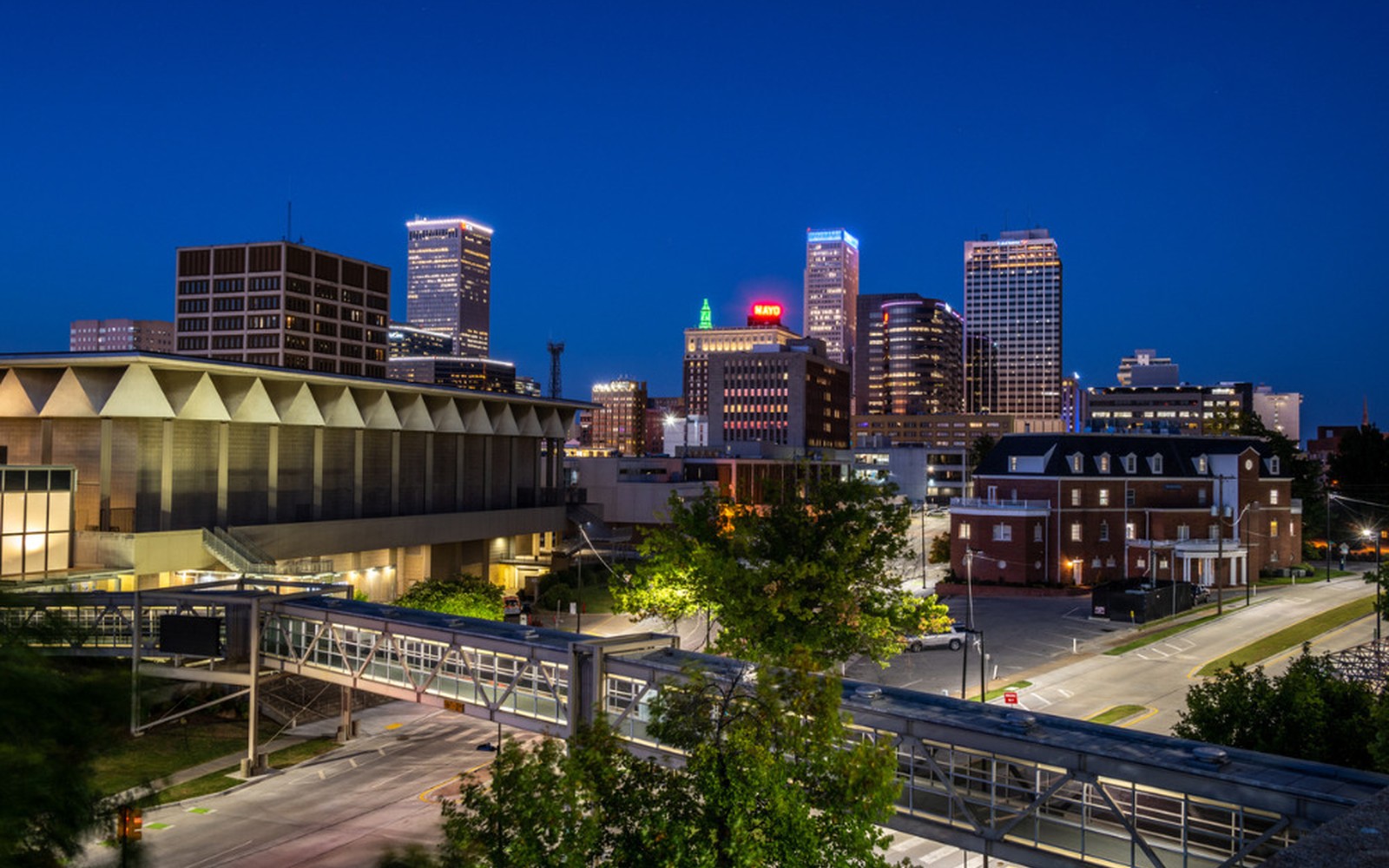
Tulsa built its identity on oil and steel, and both industries still run iron here. The midcontinent oil patch, the Arkansas River corridor's manufacturing base, and the Port of Catoosa give Tulsa an equipment economy that is deeper and more diverse than the city's size suggests. Operators across those sectors have machines that have been paying down for years. Those machines carry equity. We move it. Cash-out equipment refinancing starting at $50,000 with typical funding in one to two weeks. Tulsa operators who are sitting on paid-down iron and need operating capital: this is the conversation.
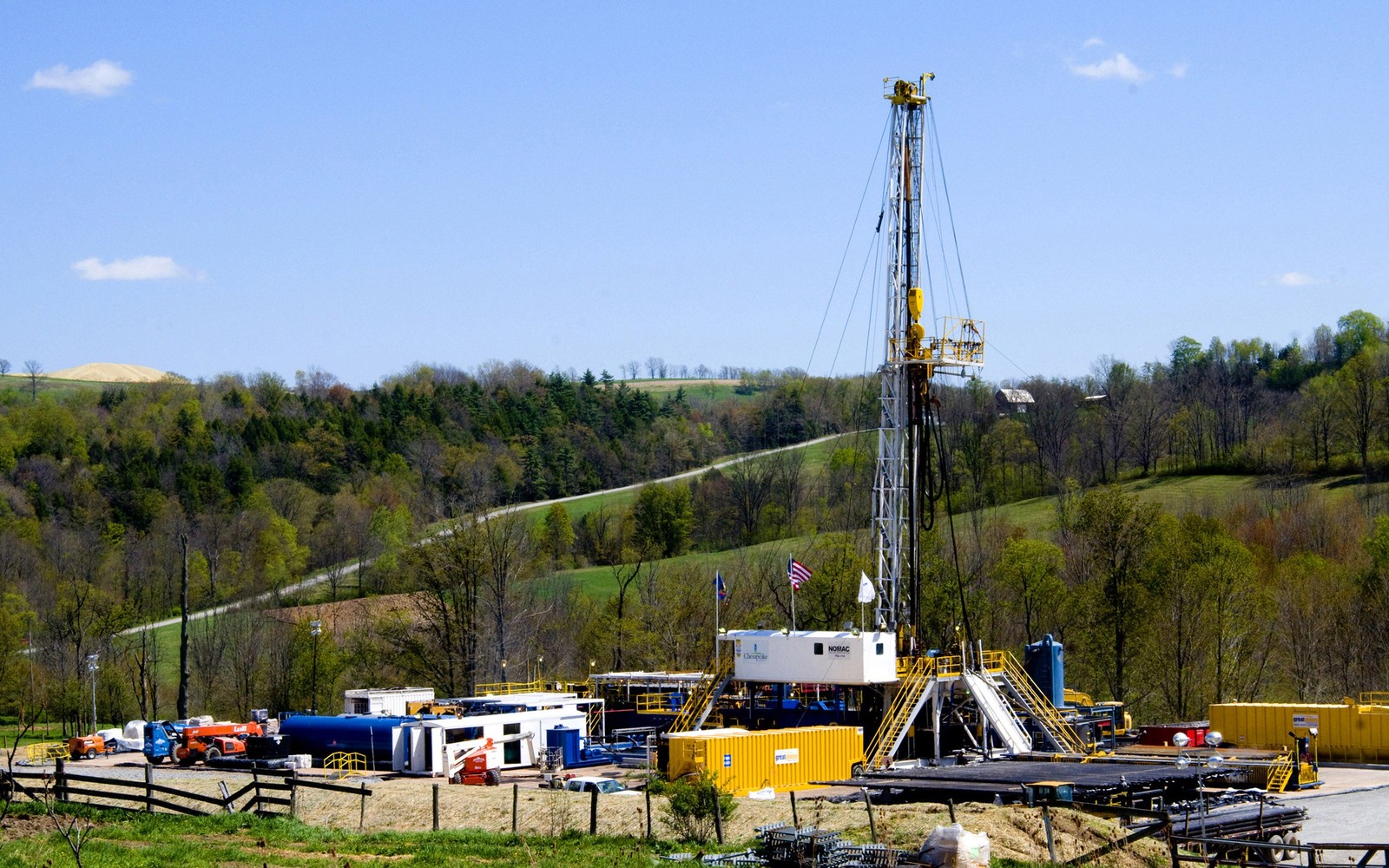
The midcontinent oil patch covering eastern Oklahoma and the Cherokee Platform is served by Tulsa-based service companies, equipment dealers, and contractors. Workovers, saltwater disposal, and pipeline maintenance work require specific iron that accumulates equity steadily. Oil and gas services companies in Tulsa have been managing equipment inventories through the price cycles for decades. Cash-out refinancing is a capital tool they use on both sides of those cycles.
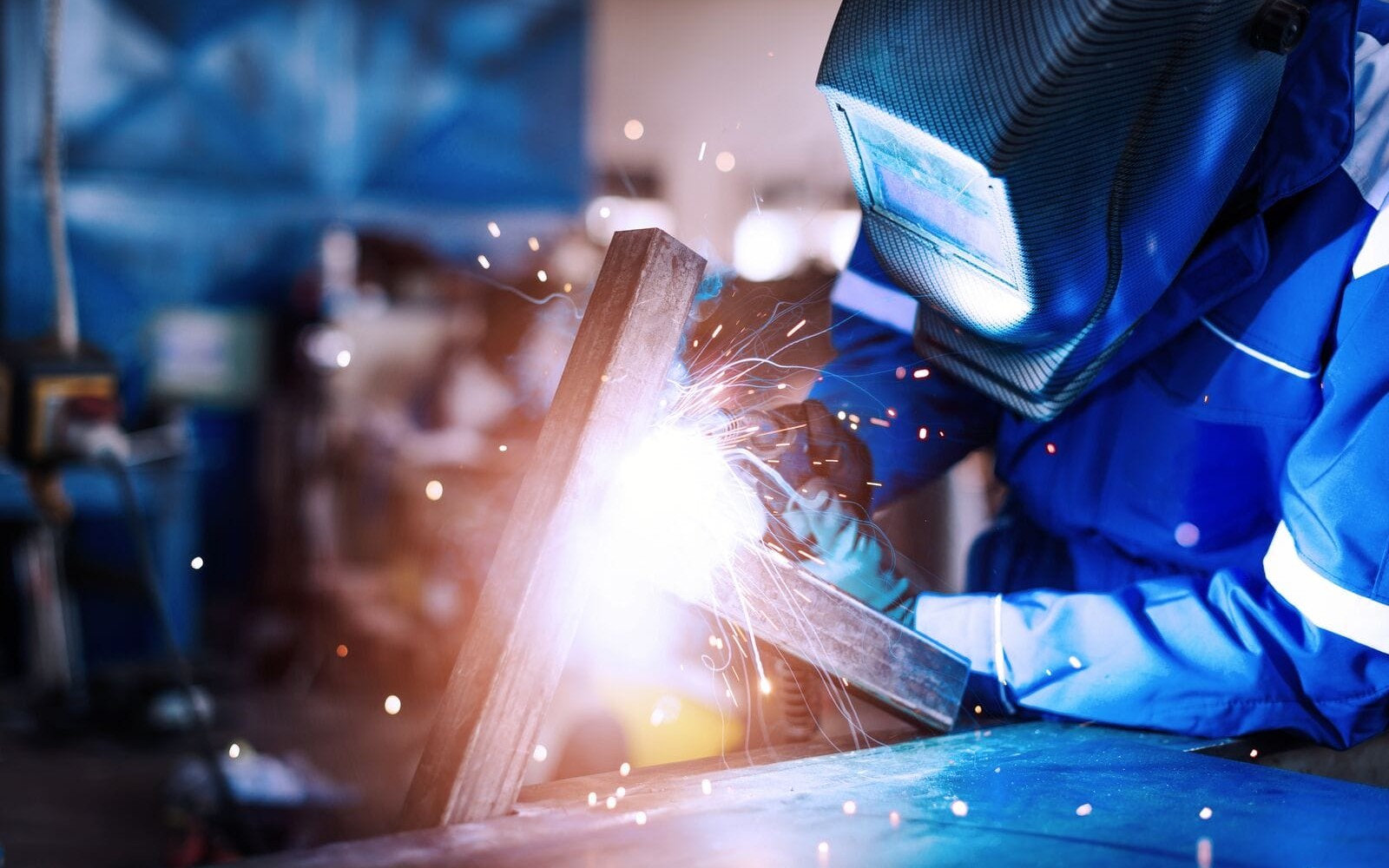
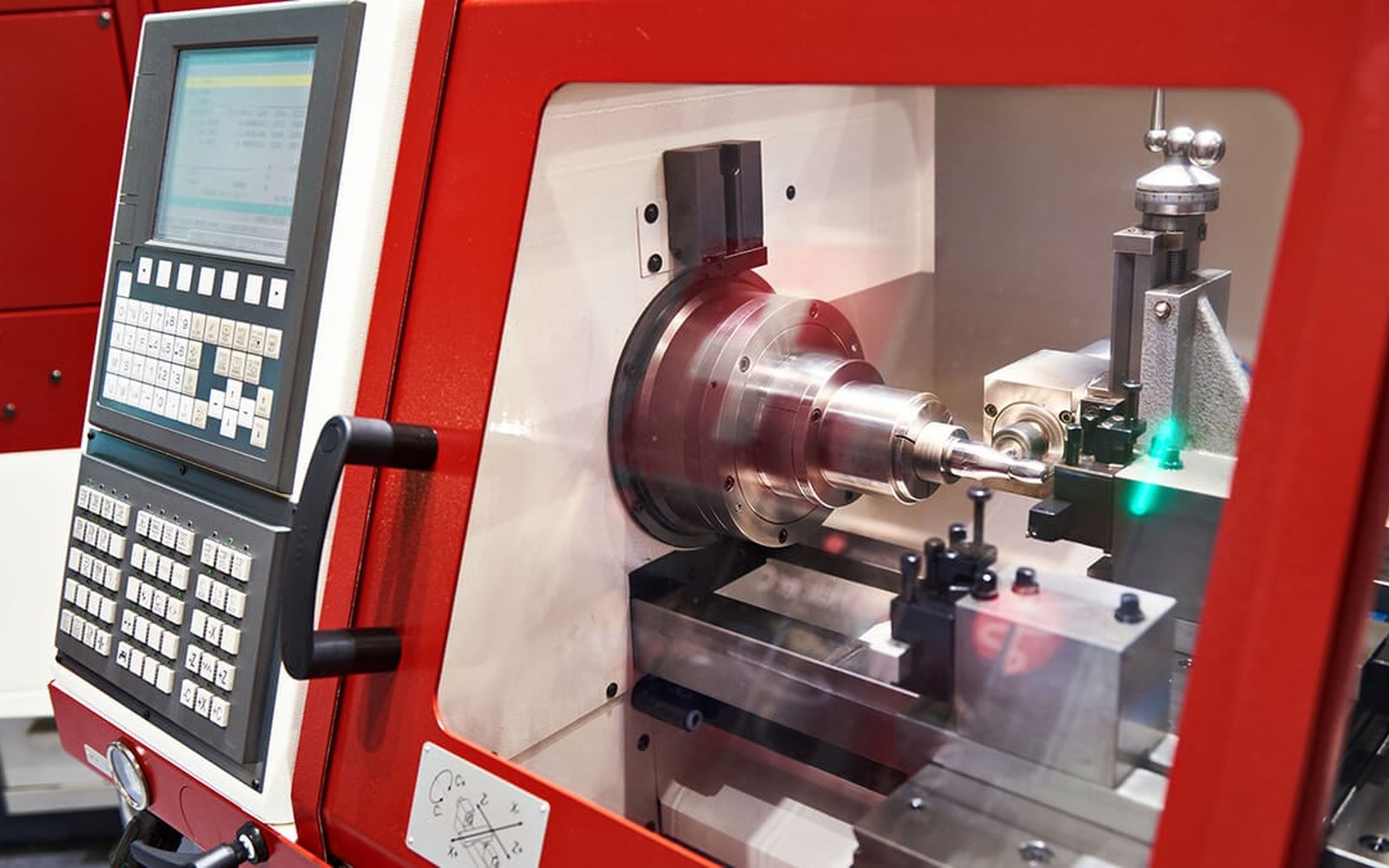
Manufacturing along the Arkansas River corridor is significant. Tulsa's aerospace, energy equipment, and structural fabrication industries employ CNC machines, press brakes, and welding equipment that carry value in the industrial equipment market. Manufacturing and fabrication companies in the Tulsa metro use equipment refinancing to fund capacity expansion without waiting for operating cash flow to accumulate.
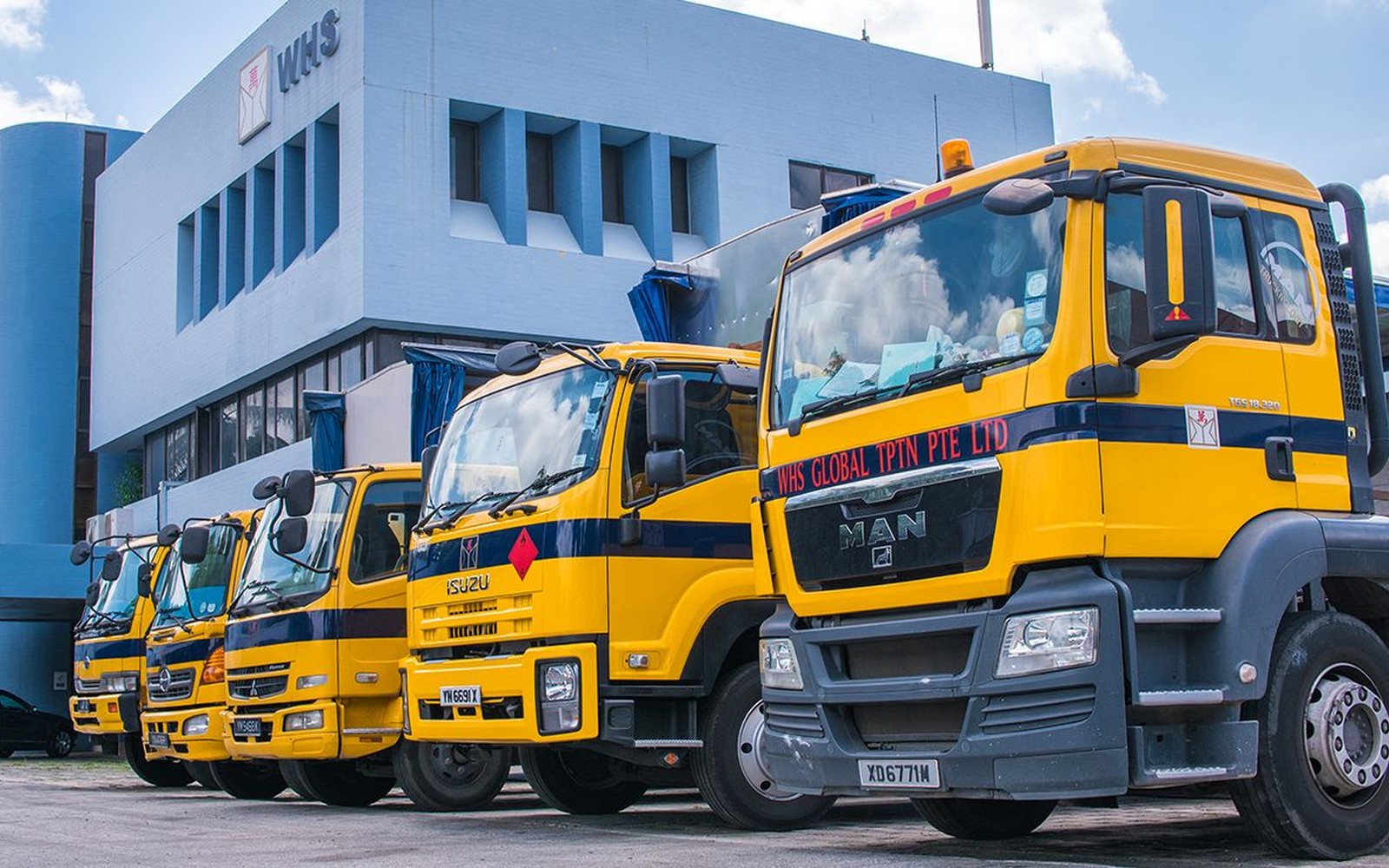
The Port of Catoosa on the McClellan-Kerr Arkansas River Navigation System is the inland port connecting Tulsa to the Gulf of Mexico. Material handling equipment, cranes, and heavy transport machinery operating that facility and serving the surrounding industrial complex carry equipment values that are refinanceable. Logistics and material handling operators in the Catoosa industrial area have equipment worth converting to capital.
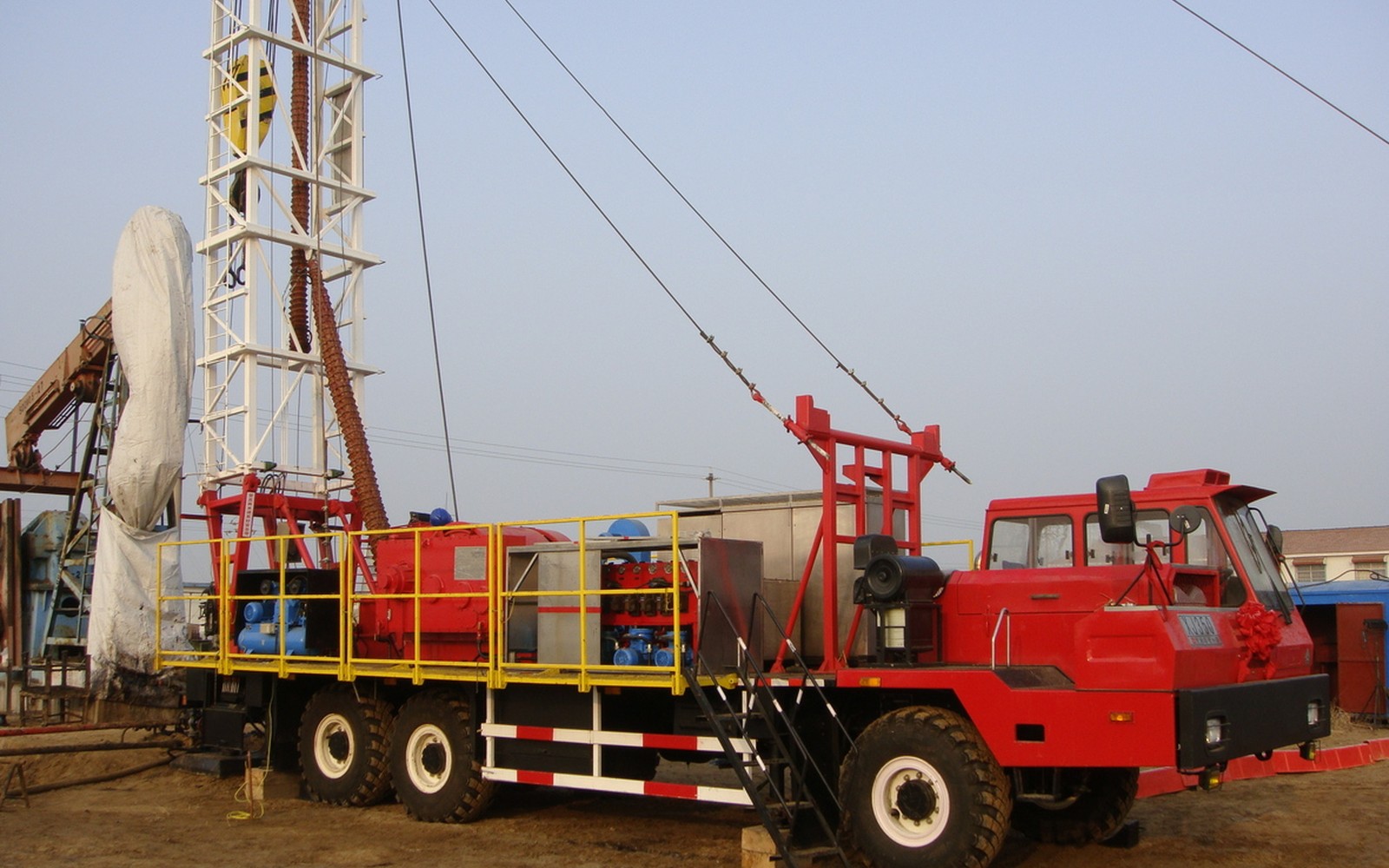
Oilfield equipment is the traditional high-value category in Tulsa. Workover rigs from midcontinent service companies, vacuum trucks running saltwater disposal operations, and pipe-handling and transportation equipment are all collateral types we work with. The midcontinent equipment secondary market is active and we have access to current market data for this equipment type.
Manufacturing equipment is a growing category in Tulsa. CNC machine refinancing from Tulsa-area aerospace and energy equipment suppliers is a transaction type we work with regularly. Press brake refinancing and laser cutting machine refinancing from the fabrication shops serving the midcontinent energy industry also come through our process. These machines hold value well in the industrial used equipment market when they have been well maintained.
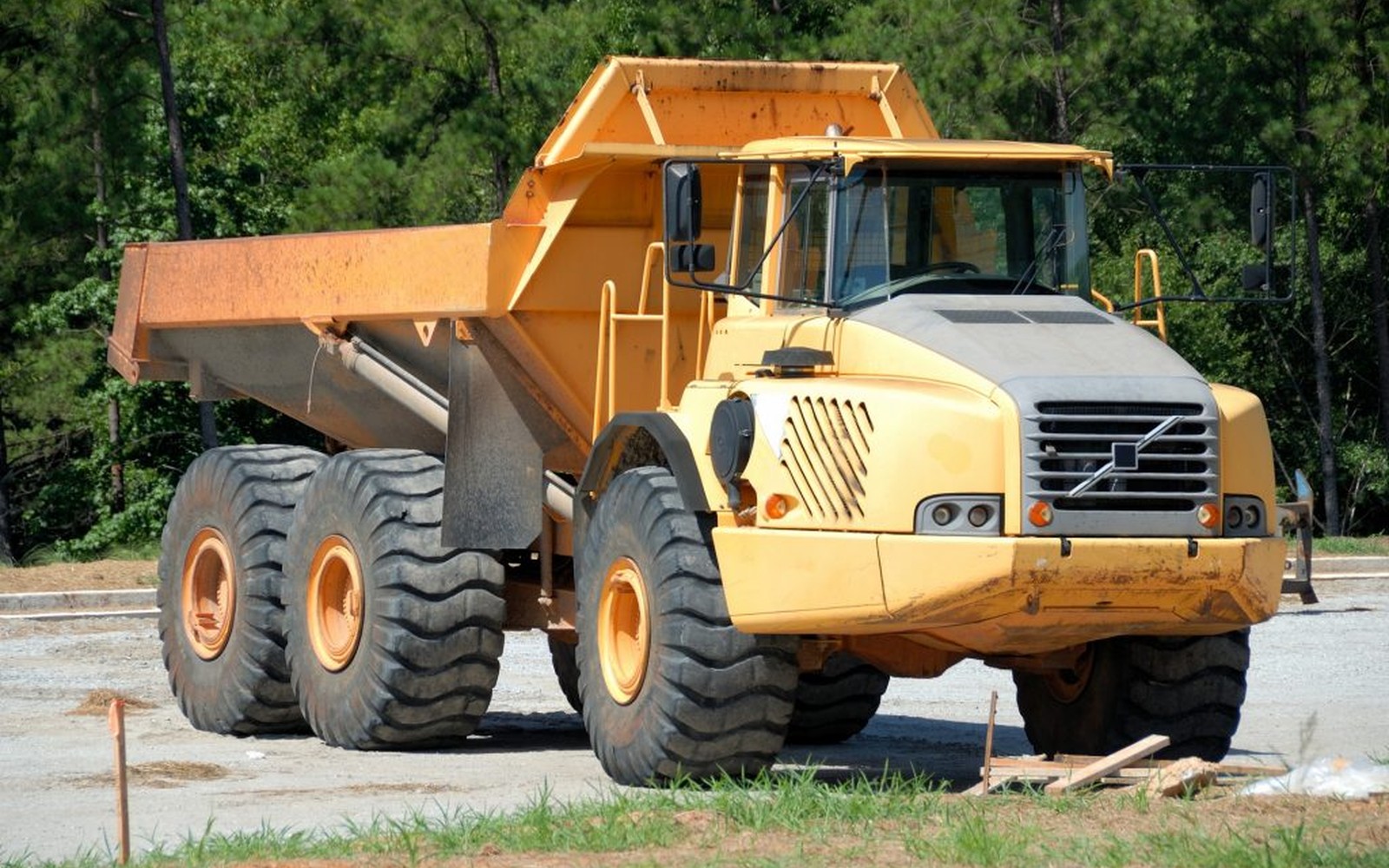
Construction equipment from the Tulsa metro's active building market is the third major category. Excavators, cranes, and concrete equipment from contractors working residential and commercial projects across the Tulsa metro are standard collateral. Arkansas is a short drive, and some Tulsa contractors work both states, which is fine for our purposes as long as the equipment is titled in Oklahoma.
The midcontinent service company that has four workover rigs, two of which are idle between contracts and two that are active, can use the idle units' equity to fund the operational costs on the active ones without selling the idle iron. Preserving the fleet through a slow period while staying liquid is the exact use case that cash-out refinancing was designed for in oilfield markets.
The CNC machine shop that has been running two machines for six years and wants to add a third can use the equity in the existing machines to fund the new purchase rather than depleting operating capital. Debt consolidation on equipment loans combined with a cash-out on owned machines is a structure we can model for shops in that situation.
The port logistics operator who owns forklifts and cranes outright and needs capital to upgrade the dock infrastructure can use sale-leaseback on the existing equipment to fund the new investment. The machines stay in service under the lease while the capital funds the dock project. This is a standard capital recycling strategy for operators with substantial owned iron.
Tulsa operators in the oilfield sector have seen credit history events that track the commodity cycle. Tight credit years during low-price periods, late payments when receivables slowed, and tax obligations that created balance-sheet pressure are all common history items. We underwrite to the current situation and the current collateral, not the history of a price cycle the industry did not control.
B and C credit financing is the standard for our Tulsa book. For transactions under roughly $400,000, application-only processing applies. Oklahoma UCC and vehicle title processes are standard. Lien clearances follow normal timelines without unusual state-specific delays.
Oil equipment, machine tools, construction iron: Tulsa operators carry significant equity across all three sectors. Tell us what you own and we will tell you what we can do. One to two weeks from application to funded deal. Standard refinancing for payment reduction and sale-leaseback for maximum capital are also available.
See our page on CNC machine shop equipment refinancing for more detail on the manufacturing side of our Tulsa business.
These are the underwriting points the desk uses to turn the taxonomy page content into a real cash-out structure.
Equipment location, current payoff, lien status, value support, and how the asset is used in the business.
$50. The available cash is based on verified value minus the existing payoff.
1-2 weeks.
Can I refinance a press brake or laser cutter that has been depreciated to zero on my books?
Book value is a tax and accounting matter, not a market value determination. A fully depreciated machine with significant remaining useful life and active secondary market demand is still refinanceable based on current market value.
S-corp distribution structures are common for closely held businesses. We look at the business cash flow, not the owner's personal income structure, as the primary input.
Equipment used across multiple energy-related applications is refinanceable based on the machine type and condition. Multi-application use is typical for midcontinent operators.
Equipment at the port is titled and registered in Oklahoma in the normal way. Oklahoma title processes apply regardless of the work location.
Yes. The proceeds are yours to use for any business purpose, including real estate acquisition. There are no use restrictions on the capital you receive.
Send the machine, payoff, and target cash-out amount. We will review the file and come back with rate, term, payment, and net proceeds.
Tell us what you are buying, who is selling it, and when you need it earning. We will review the file and point you to the next step.