Collateral Reviewed
Press Brake Refinancing value, payoff, age, hours or mileage, attachments, condition, and remaining useful life.

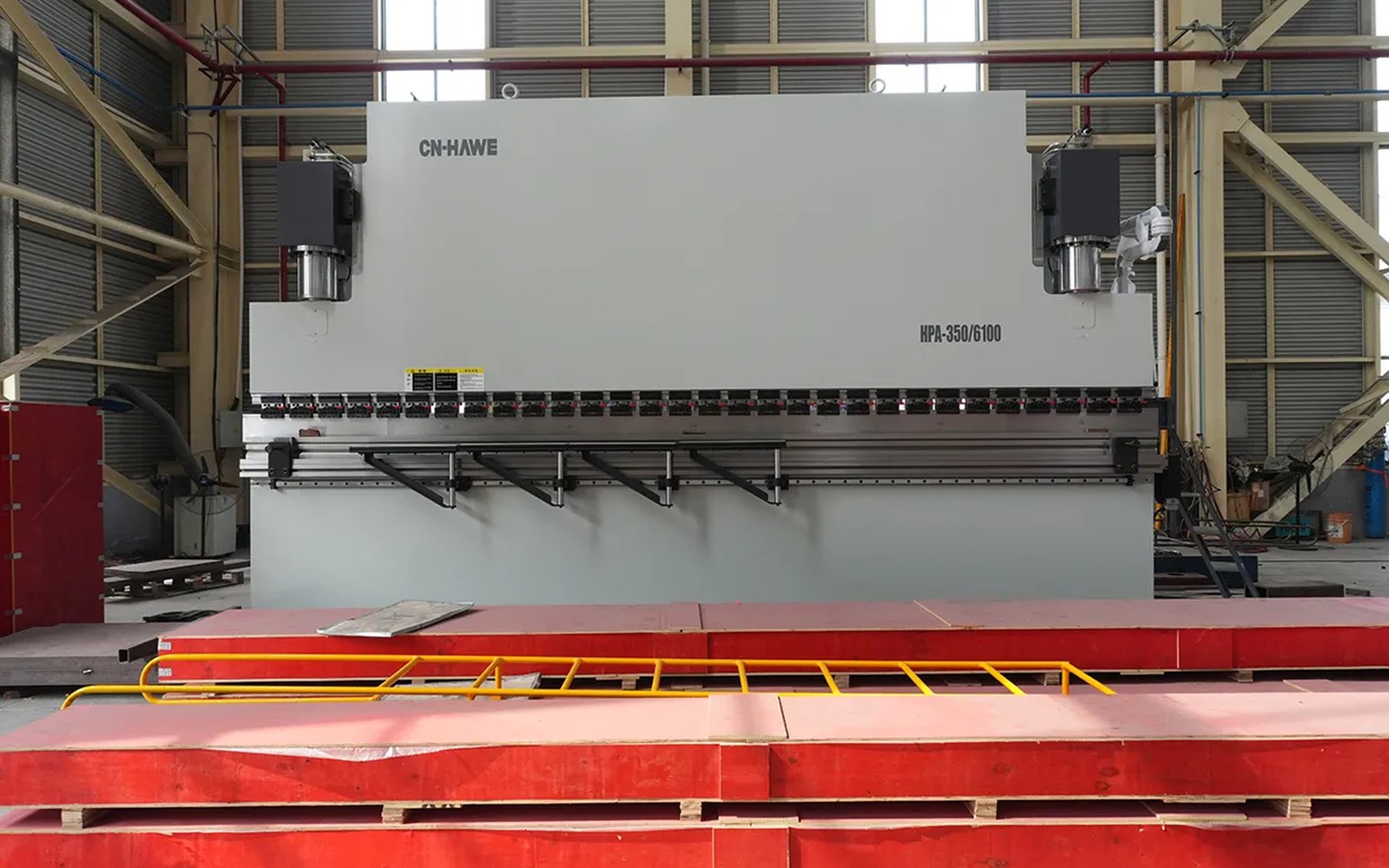
A press brake capable of bending 10-gauge steel into tight-radius parts on a production schedule is not a commodity. Quality hydraulic and electric press brakes from established builders hold residual value through years of production work, and shops that have built equity in those machines can convert that equity to cash without pulling the machine from the floor. Refinancing a press brake is a direct path from idle asset equity to operating capital.
We work with sheet metal fabricators, structural steel shops, HVAC ductwork manufacturers, and custom metal forming operations. Cash-out equipment refinancing on press brakes closes in one to two weeks. Application-only documentation handles transactions up to approximately $400,000, covering most hydraulic and electric press brakes in the job-shop range. Minimum deal size is $50,000.
Press brake value is primarily driven by tonnage capacity, bed length, and control generation. A 176-ton, 10-foot hydraulic press brake is a capable general-purpose forming machine. A 300-ton, 14-foot hydraulic brake with a CNC backgauge and crowning compensation handles heavier structural work and commands a proportionally higher value. These specs translate directly to the buyer pool: a structural steel shop looking for a heavy bender knows exactly what it needs and will pay to get it.
Electric press brakes (servo-electric or hybrid servo-hydraulic designs) represent the current technology direction in precision bending and carry premium secondary values compared to conventional hydraulic brakes of the same vintage. Energy efficiency and positioning accuracy make these machines highly desirable for precision sheet metal work, and the secondary buyer pool for electric brakes skews toward shops doing aerospace, electronics enclosures, and medical device components where part accuracy is critical.
Tooling investment is separate from the machine value in a refinancing context but matters operationally. A press brake with a complete Amada or Trumpf European-style tooling set adds to the turnkey appeal of the asset on the secondary market. Lenders typically do not advance against tooling value separately, but tooling included with the machine often supports a stronger overall appraisal.
Backgauge configuration (the automatic gauging system that positions the sheet for each bend) and the control system generation are the two variables that most strongly predict buyer appeal beyond raw tonnage. A Delem or Cybelec CNC control on a proven mechanical frame is a clean refinancing target. An obsolete proprietary control on an otherwise sound machine may need a control retrofit disclosure in the appraisal.
Sheet metal fabrication demand runs in cycles tied to construction, manufacturing expansion, and infrastructure project activity. Shops that bought press brake capacity during an upswing to handle increased contract volume now carry notes that were sized for peak-cycle revenue. When the cycle moderates, those payments are a fixed cost burden. Refinancing extends the term, reduces the payment, and lets the shop manage the cycle transition without emergency capital decisions.
Shops in manufacturing and fabrication that are growing into structural steel or heavy-gauge work often need a higher-tonnage press brake without liquidating the machine they already own. Refinancing the existing brake releases capital for the down payment on a larger machine, letting the shop add capacity without a fully leveraged purchase on the new unit.
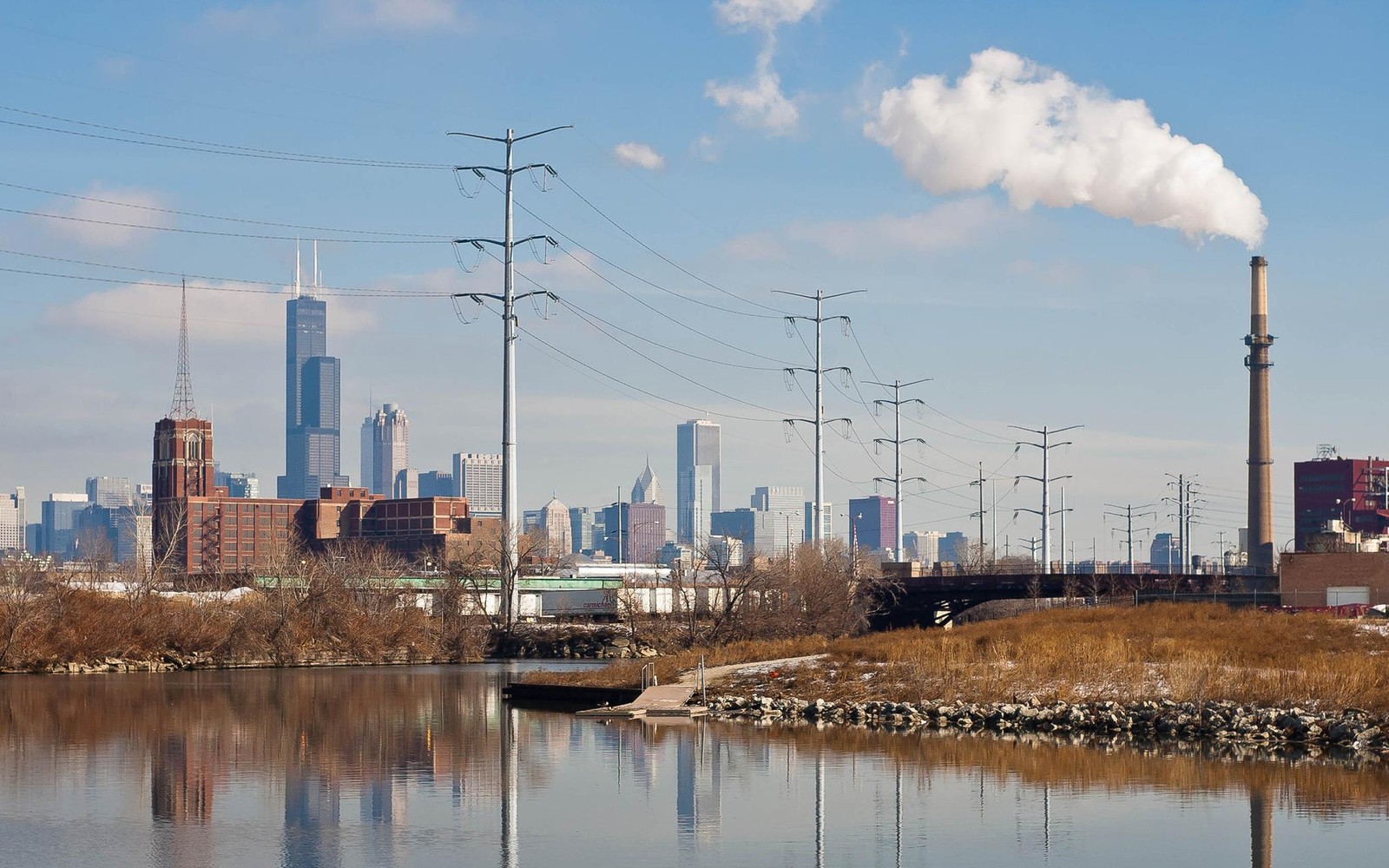
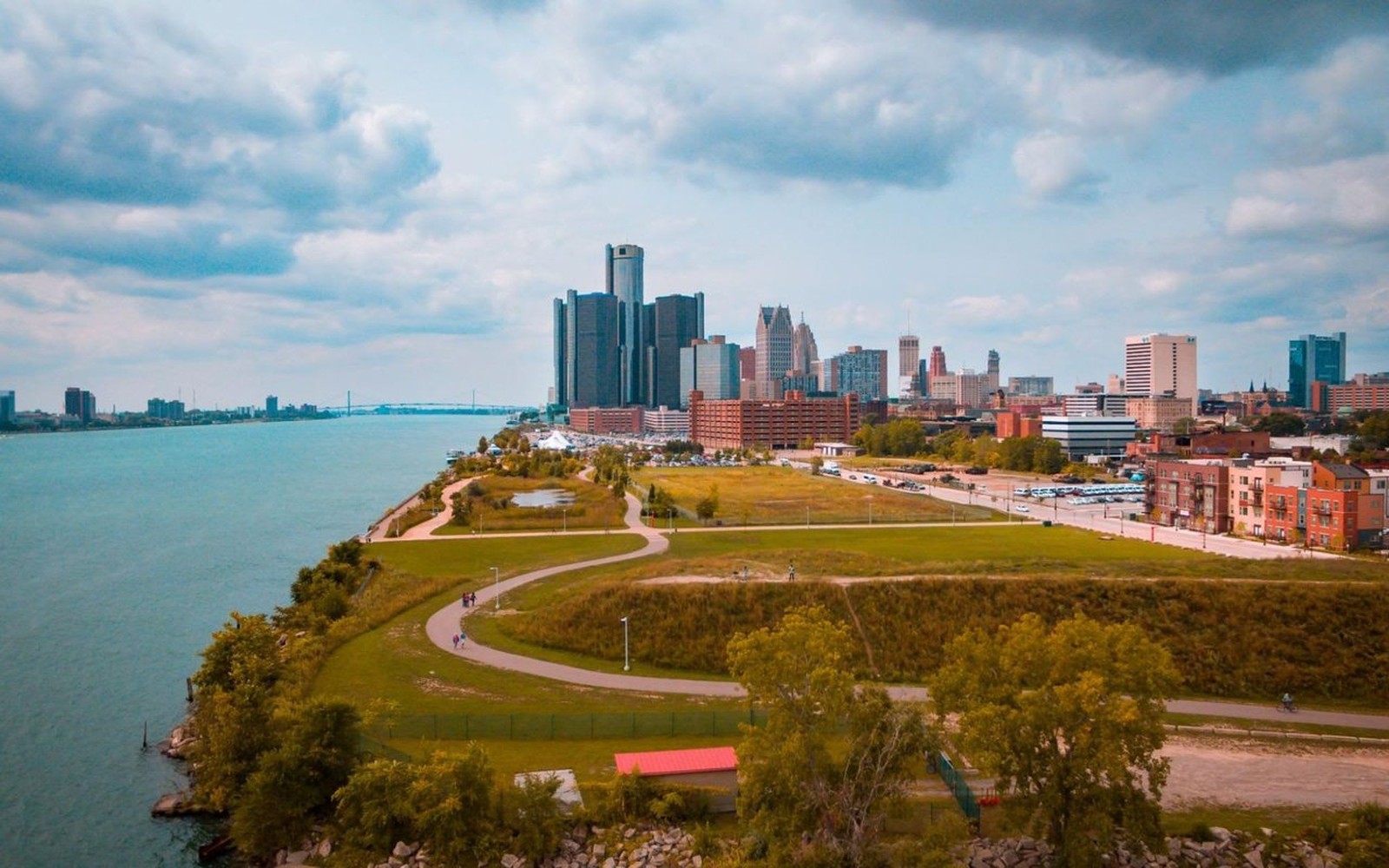
Operators in active fabrication markets such as Chicago, IL or Detroit, MI, where automotive and industrial manufacturing support shops run steady production, maintain strong press brake utilization that supports refinancing at favorable advance rates. A machine in production service is a more compelling refinancing candidate than one sitting idle.
The application covers the press brake's make, model, tonnage, bed length, and serial number along with the current payoff and basic business information. We work with lenders who understand machine tool secondary values and can appraise a Trumpf, Amada, LVD, or DELEM-controlled press brake correctly rather than treating it as generic manufacturing equipment.
For application-only deals under approximately $400,000, the documentation is minimal. Above that threshold, three months of business bank statements is the standard addition. No tax returns, no audited financials, no equipment depreciation schedules required at the application-only level. The machine's appraised value and the business's operating revenue visible in bank statements are the two pillars of the underwriting.
B and C credit financing is available for sheet metal shops whose owners carry prior credit events. The press brake is the collateral, and a 300-ton hydraulic brake in production service is strong collateral regardless of the operator's personal FICO. Lenders who specialize in manufacturing equipment understand this distinction and structure deals around the asset quality and business revenue rather than the credit score alone.
Tell us the tonnage, bed length, control type, and current payoff on your press brake. We will return a concrete refinancing structure and the available cash-out amount. Equipment refinancing on sheet metal machines is work we know well, and we close press brake deals with the same precision you put into your parts.
These are the underwriting points the desk uses to turn the taxonomy page content into a real cash-out structure.
Press Brake Refinancing value, payoff, age, hours or mileage, attachments, condition, and remaining useful life.
$400,000,. The available cash is based on verified value minus the existing payoff.
1-2 weeks.
Working capital, down payments, debt cleanup, slow-season coverage, and project mobilization.
Yes. A press brake you own free and clear is a candidate for either a standard equipment loan (not a refi, since there is no existing note) or a sale-leaseback. Both structures generate cash. If the purchase was a cash transaction, the new loan is the first lien on the machine. Bring the auction purchase documentation and serial number to confirm ownership.
Equipment refinancing is structured against the machine's existing value. Financing a repair or upgrade as part of a refi is not the standard structure. However, the cash-out from a refinancing can be used to fund the backgauge replacement from the proceeds. If the repair is extensive enough that the machine's current value is impaired, completing the repair before applying may produce a better appraisal.
Yes, typically significantly higher. Trumpf, Amada, LVD, and Bystronic are European-brand builders whose machines command strong secondary-market premiums due to build quality, parts availability, and buyer preference in the precision fabrication market. Chinese-manufactured brakes of similar spec appraise lower because the secondary buyer pool is narrower and parts/service availability is less established.
Yes. Multi-machine refinancing under a single blanket note or a set of individual notes with one lender is available. The right approach depends on the machines' ages, conditions, and how your business uses each one. Both structures close in the same general timeframe.
Some equipment lenders accommodate seasonal payment schedules where payments are lower in slow months and higher in busy periods. This is not standard but is available through certain lender relationships. Mention seasonal revenue patterns at the application stage and we will present that requirement to lenders who can accommodate it.
Send the machine, payoff, and target cash-out amount. We will review the file and come back with rate, term, payment, and net proceeds.
Tell us what you are buying, who is selling it, and when you need it earning. We will review the file and point you to the next step.