Collateral Reviewed
Laser Cutting Machine Refinancing value, payoff, age, hours or mileage, attachments, condition, and remaining useful life.

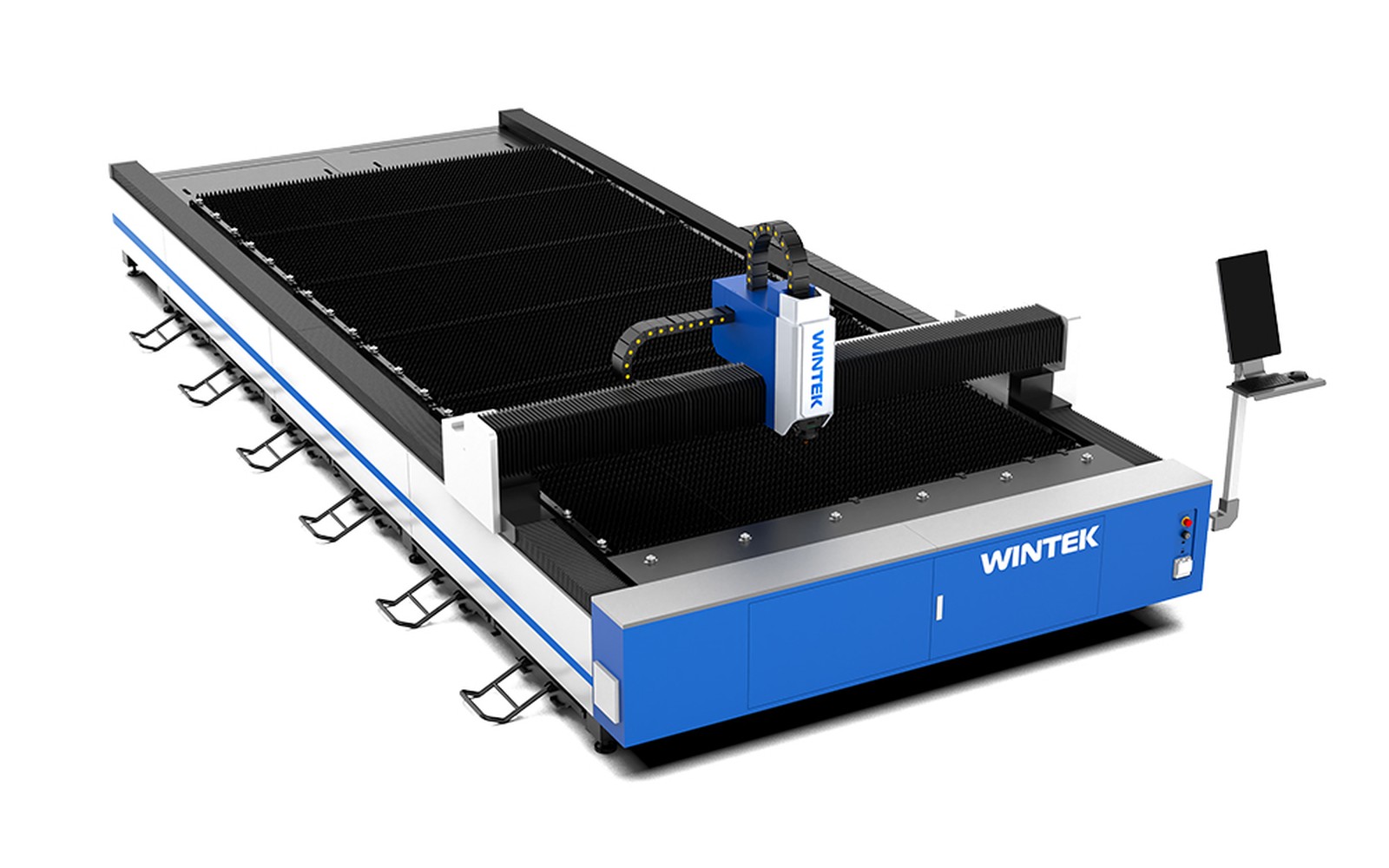
Fiber laser cutting machines changed what a job shop could produce and charge, and they also represent some of the largest single equipment investments a fabricator makes. A 4kW to 12kW fiber laser on a full-format table is a six-figure or seven-figure capital commitment, and the equity that builds up over two to three years of payments is a meaningful source of operating capital. That capital does not have to stay locked in the machine.
We refinance laser cutting equipment for sheet metal shops, structural fabricators, and precision cutting houses. Cash-out equipment refinancing on fiber and CO2 laser cutters closes in one to two weeks on an application-only basis up to approximately $400,000. For higher-value fiber laser systems, three months of bank statements extends the same process to larger transactions. Minimum deal size is $50,000.
The laser cutting market has undergone a technology transition from CO2 to fiber laser dominance over the past decade. This transition matters directly to refinancing because CO2 lasers, while still capable machines, have declining secondary-market values relative to comparable fiber laser systems. A high-quality CO2 laser with a reputable resonator can still be refinanced, but the advance rate reflects the narrower buyer pool and the general industry shift toward fiber technology.
Fiber laser systems from established builders, Trumpf, Bystronic, Amada, Mazak Optonics, and LVD, hold strong residual values because the secondary market demand is broad and deep. The power class matters: a 6kW or higher fiber laser cuts a wider range of materials and thicknesses than a 2kW unit, which translates to more secondary buyers and higher appraised values. Ultra-high-power systems (12kW and above) represent the current frontier and appraise at premiums that reflect both their cutting capability and their relatively limited availability on the used market.
Automatic material handling integration, including automatic sheet loading systems, sorting robots, and tower storage, adds significant value to the base laser system. A fully automated laser cell is worth substantially more than the laser head and table alone because the secondary buyer is acquiring a production cell, not just a cutting machine. If your laser has integrated handling, include that documentation specifically in the appraisal package.
Sheet metal fabricators in manufacturing and fabrication who invested in laser cutting capacity to reduce outsourcing costs or win new customers are a common applicant. The machine paid for itself faster than the original note did, and now the equity in the laser is available for the next round of investment: a tube laser, a press brake, an additional fiber system, or facility expansion.
Job shops that serve the oil and gas industry with precision-cut plate components and structural steel parts often carry high-power fiber laser systems bought to compete on turnaround time and cut quality. When basin activity slows, refinancing the laser to reduce monthly obligations is a direct margin-protection strategy. The laser keeps running on the work that exists while the payment drops to match the revenue reality.
Precision cutting subcontractors who serve industrial OEMs and equipment manufacturers under blanket purchase orders often find that the stability of those contracts supports a refinancing application even in modest credit situations. Bank statements showing consistent monthly deposits against the OEM purchase orders are the primary revenue documentation, and that consistency is exactly what lenders want to see. Shops with credit blemishes from prior equipment investments can access B and C credit equipment financing when the laser asset is clean and the business is generating steady revenue. Operators in active manufacturing corridors such as Chicago, IL and Detroit, MI find strong lender appetite for precision fabrication equipment refinancing.
New fiber laser systems financed through captive manufacturer programs at purchase often carry rates above what the open equipment financing market offers, particularly when the original deal was structured to move inventory quickly. A two-year-old fiber laser on original captive financing is a strong candidate for refinancing, both to capture a rate improvement and to pull out equity that has built up as the system has demonstrated its production capability.
Used laser systems purchased through dealers, auctions, or private sales can be refinanced when the title is clear and the system is in production service. Used equipment financing guidelines apply, and the lender will rely on a current appraisal rather than original purchase documentation. Bringing maintenance records, resonator service history, and any factory calibration documentation strengthens the appraisal for a used system.
Older CO2 lasers in good working condition with a solid customer base still generating production revenue can be refinanced, though the advance rate is more conservative than on a current-generation fiber system. The business's revenue and the machine's operating condition matter more in these cases than the technology generation.
Tell us the laser type, power class, table size, and current payoff. We will match you with a lender who knows precision sheet metal equipment values and come back with a concrete deal structure. Equipment refinancing on fiber and CO2 laser systems is work we close regularly, and we know what these machines are worth on today's secondary market.
These are the underwriting points the desk uses to turn the taxonomy page content into a real cash-out structure.
Laser Cutting Machine Refinancing value, payoff, age, hours or mileage, attachments, condition, and remaining useful life.
$400. The available cash is based on verified value minus the existing payoff.
One to two weeks.
New fiber laser systems financed through captive manufacturer programs at purchase often carry rates above what the open equipment financing market offers, particularly when the original deal was structured to move inventory quickly.
Factory-certified power upgrades documented with the manufacturer's spec sheet and installation record are generally incorporated into the appraisal at their added value. Third-party power modifications without factory documentation are evaluated more cautiously. Include all upgrade documentation in the appraisal package.
Cutting reflective materials is harder on fiber laser resonators and optics than cutting mild steel, and an experienced appraiser may note heavy cutting history in those materials. The key is documented preventive maintenance, particularly on the resonator and cutting head. Clean maintenance records offset concerns about material history significantly.
If the laser is titled in your business name and your business is the lessee's lessor in a formal sublease, refinancing is possible but requires disclosing the sublease arrangement to the lender. The lender needs to understand the occupancy and operational arrangement before approving a refinance on an asset running under a sublease.
An integrated tower storage system adds meaningful appraised value because it represents additional capital investment and increases the production cell's throughput and autonomy. Appraise the system as a unit rather than separating the tower from the laser. The combined value is always higher than the sum of the parts in a secondary sale.
Refinancing both at once under a single lender often simplifies administration, and some lenders offer slightly better terms on larger transactions. However, if one machine is a cleaner credit and equity position than the other, handling them separately lets the stronger machine close quickly while you work through any complications on the other.
Send the machine, payoff, and target cash-out amount. We will review the file and come back with rate, term, payment, and net proceeds.
Tell us what you are buying, who is selling it, and when you need it earning. We will review the file and point you to the next step.