Collateral Reviewed
Skid Steer Refinancing value, payoff, age, hours or mileage, attachments, condition, and remaining useful life.

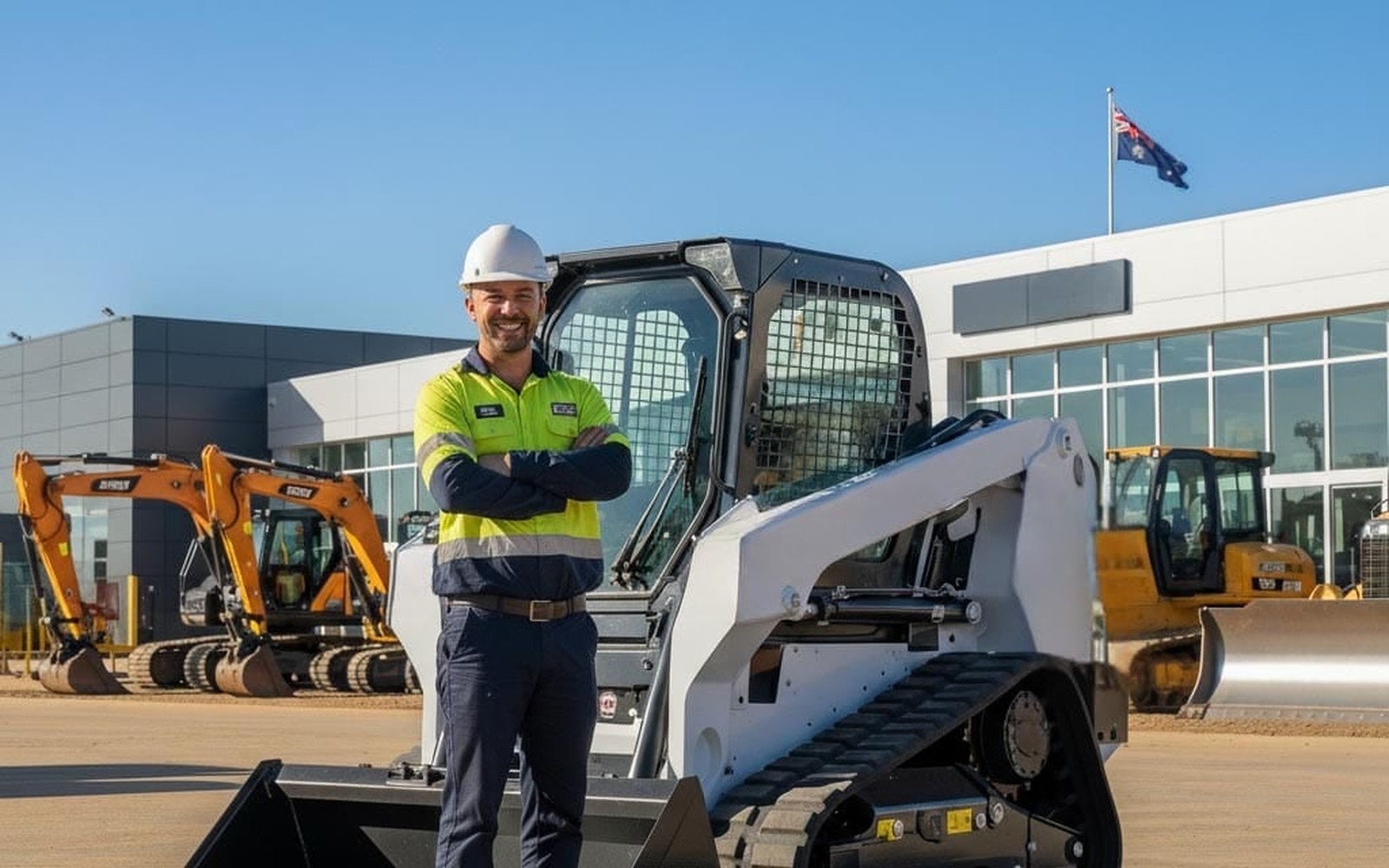
Skid steers are the workhorse of the compact construction and landscaping world, and they accumulate equity faster than most owners realize. A machine bought used at auction and maintained for two or three years often holds more value than the purchase price suggests. A cash-out refinance lets you access that value without selling the machine or hunting for a buyer.
We handle skid steer refinancing from $50,000 in transaction size, which typically covers a single machine in good condition or a pair of smaller units bundled together. The process is the same as any equipment refinance: application, bank statements, machine details, and we come back with a real advance number. No weeks of waiting and no bank committee required.
Most skid steer refinancing involves used machines. That is where the equity story usually lives, because buyers purchase used, maintain the machine, and then hold it long enough for the original loan to pay down. The gap between the payoff and current value is the equity we move for you.
What changes between new and used in the underwriting:
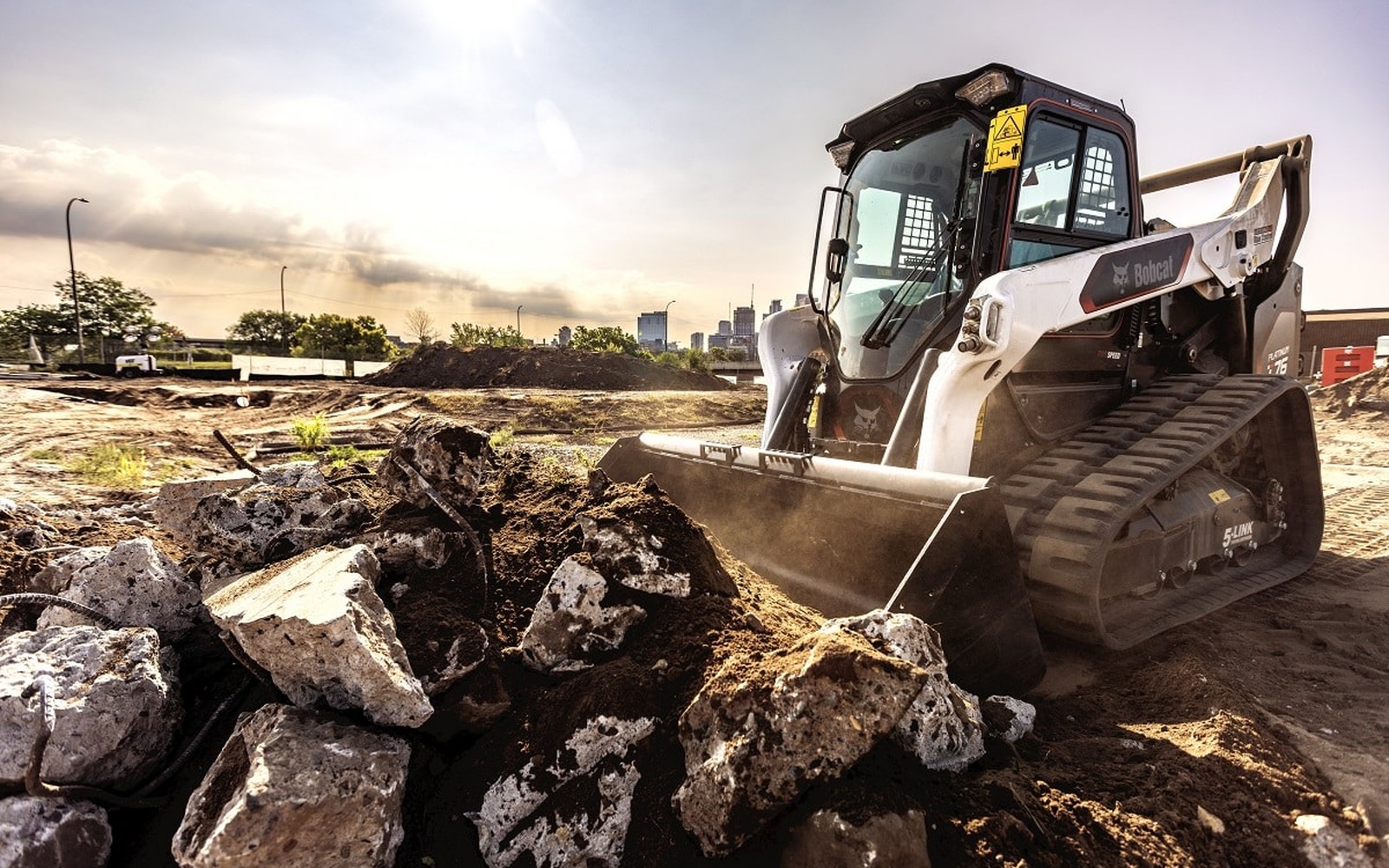
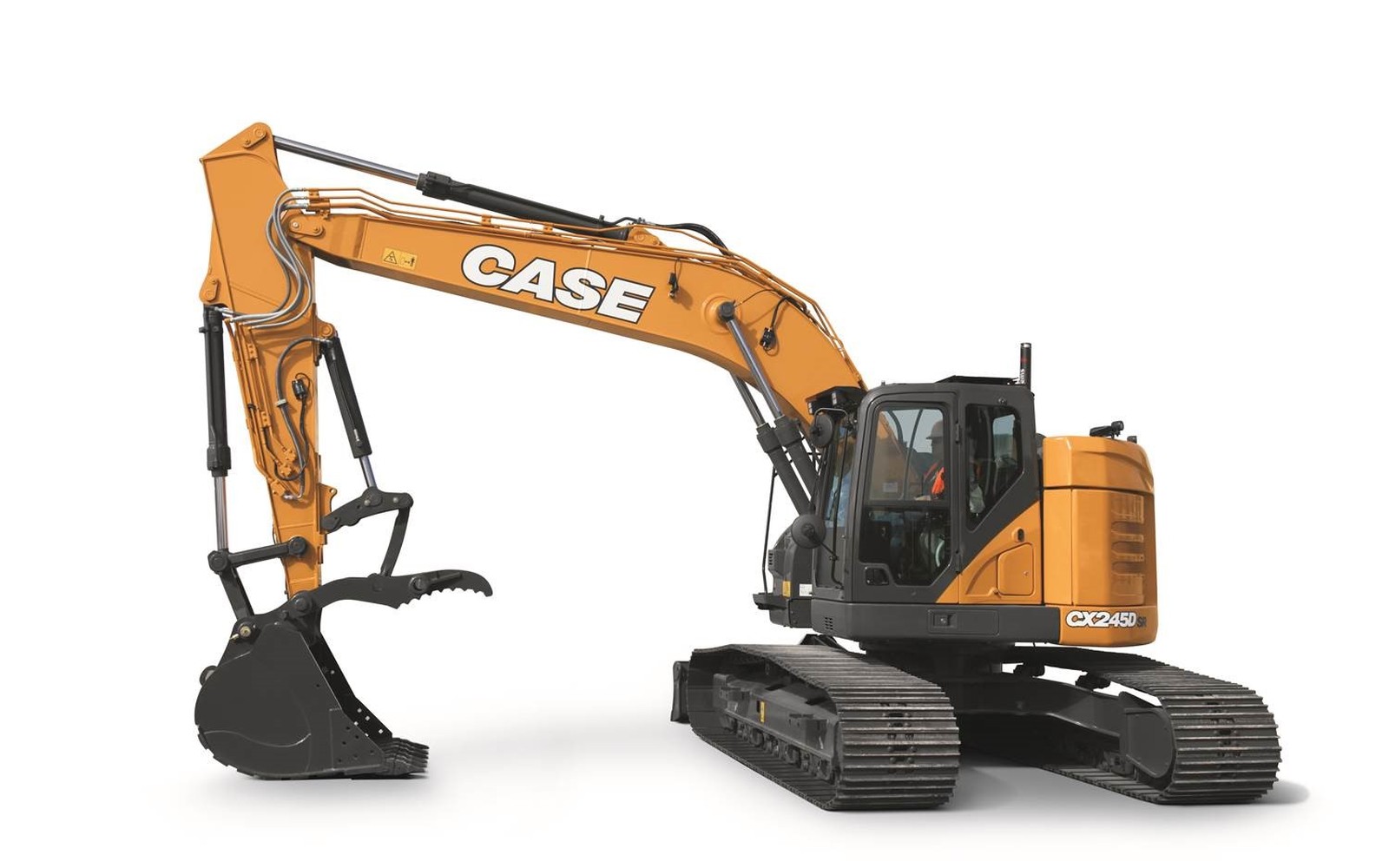
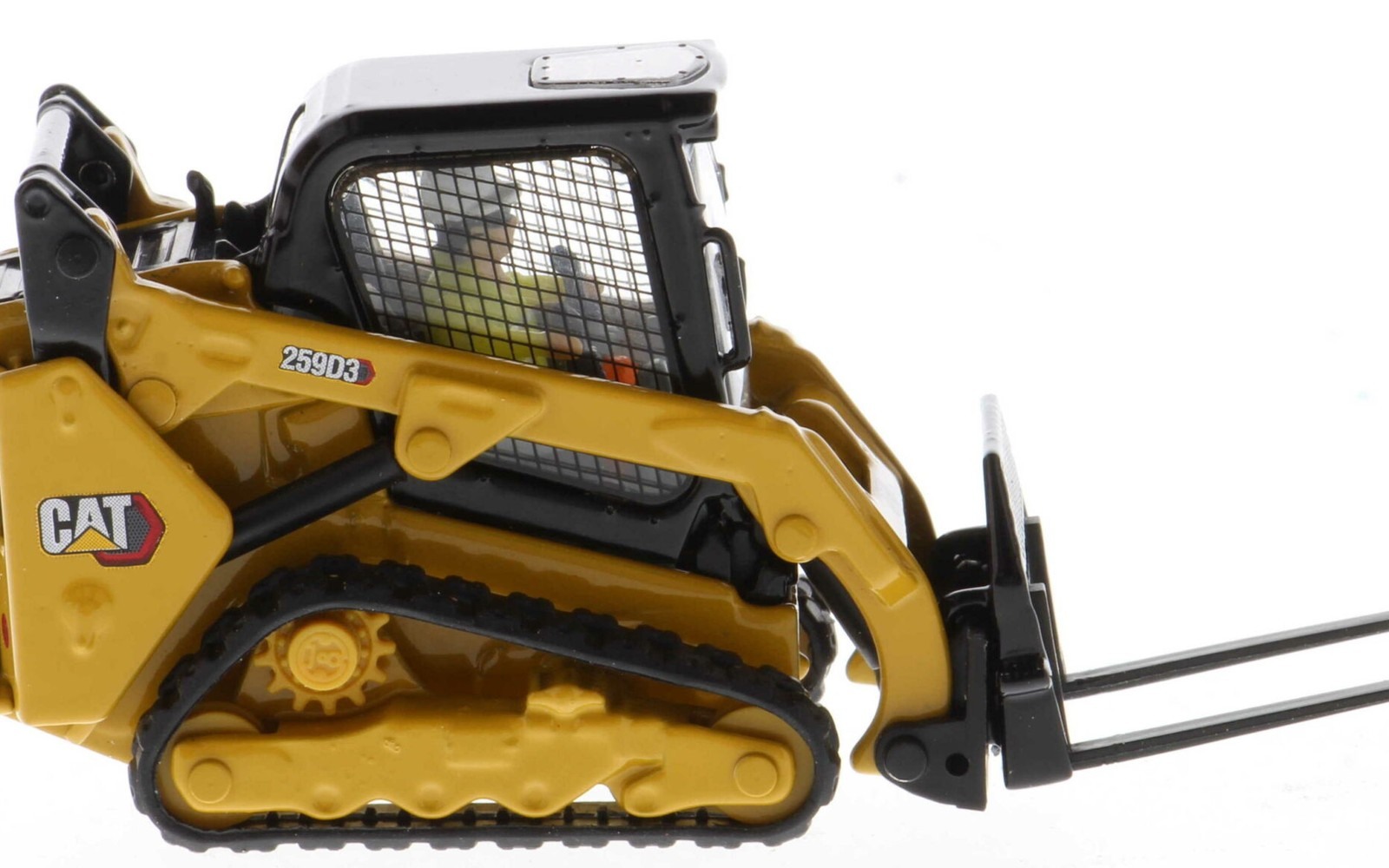
Bobcat leads the skid steer market by sheer installed base, and lenders know the resale data well. Caterpillar 226 to 299 class machines and Case SV series units also refinance well. Less common brands may see lower advance rates due to thinner resale market data.
Skid steer owners come from a broad cross-section of the construction and maintenance trades. The cash need is usually one of a few things: a down payment on a track loader upgrade, working capital to fund a large landscaping contract, or capital to cover payroll during a slow payment cycle from a general contractor.
Common profiles:
Operators in high-growth metros like Atlanta and Charlotte keep these machines busy year-round. Active usage is a good sign for lenders: a machine earning revenue is a machine that supports the debt service.
Skid steer refinancing is one of the more accessible equipment finance products because the machine is widely understood, widely traded, and the transaction sizes stay below the threshold for full financial underwriting in most cases. Below roughly $400,000, application-only financing applies, meaning bank statements and the application carry the deal without tax returns.
What you need ready:
Credit requirements: We look at B and C credit. A score in the 560 to 620 range is not automatic disqualification. The B/C credit track considers the asset value and cash flow as primary factors. If your credit took a hit from a business slowdown, a bad subcontractor relationship, or a medical event, the context matters. Include a brief explanation with the application.
Small-ticket equipment refinancing closes faster than large transactions because less underwriting depth is required. A skid steer deal costing on the order of $50k to $150k with a clean application and three months of bank statements typically moves like this:
Operators who need capital quickly should have the serial number, current hours, and any lien details ready on day one. That preparation alone removes the most common source of delay in compact equipment deals.
These are the underwriting points the desk uses to turn the taxonomy page content into a real cash-out structure.
Skid Steer Refinancing value, payoff, age, hours or mileage, attachments, condition, and remaining useful life.
$50,000. The available cash is based on verified value minus the existing payoff.
Two weeks.
Most skid steer refinancing involves used machines.
A single machine qualifies as long as it supports the $50,000 minimum transaction size. Many mid-size skid steers in good condition with reasonable hours support that. If your machine falls short on its own, bundling with another compact unit in your fleet reaches the minimum.
Age alone does not disqualify a machine. We look at condition and hours. A six-year-old skid steer with 2,500 hours and documented maintenance history is a refinanceable asset. One that is six years old and has 7,000 hours with deferred service is a harder case.
Private-party purchases are acceptable. You need a bill of sale and clear title in your business name. If your friend still had a loan on it, that needed to be paid off at the time of your purchase. We run a lien search at the start of underwriting to confirm the title history.
Yes. Growth capital, a down payment on a new machine, funding an attachment purchase, or any other business purpose is fine. There is no restriction on how you use cash received at closing from an equipment refinance.
A well-structured refinance does not typically hurt your ability to finance a purchase. It shows the new lender that you have productive assets with clean liens. Where issues arise is if the refinance stretches your debt service so far that cash flow looks thin on a purchase application. We factor this in when structuring the terms.
Machine details, current payoff if any, and a quick application get the process started. We come back with a real advance amount based on your specific machine, not a generic estimate. Three months of bank statements, two weeks to funding. Tell us what you need the capital for and we will show you how to get it.
Tell us what you are buying, who is selling it, and when you need it earning. We will review the file and point you to the next step.