Collateral Reviewed
Compact Track Loader Refinancing value, payoff, age, hours or mileage, attachments, condition, and remaining useful life.

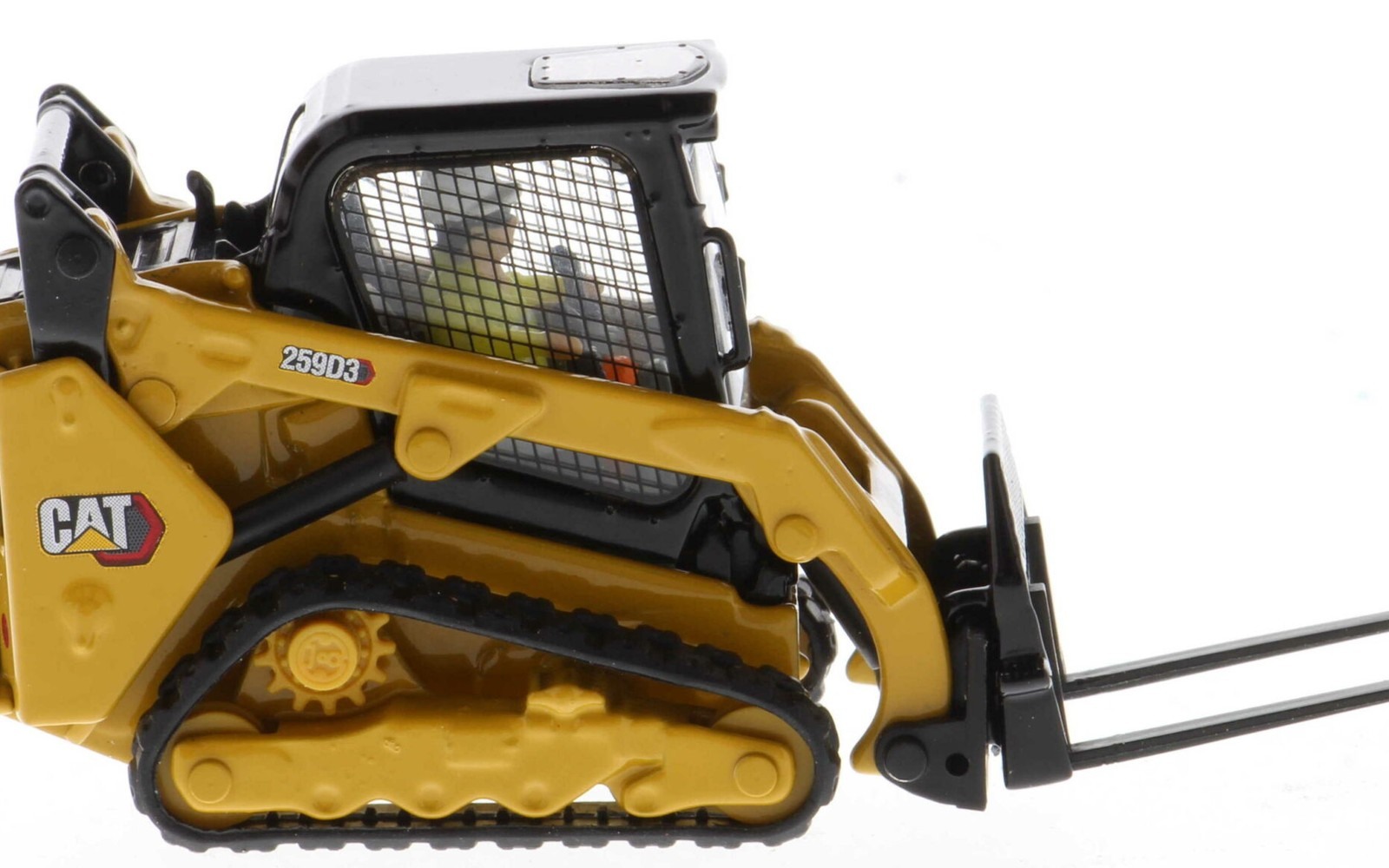
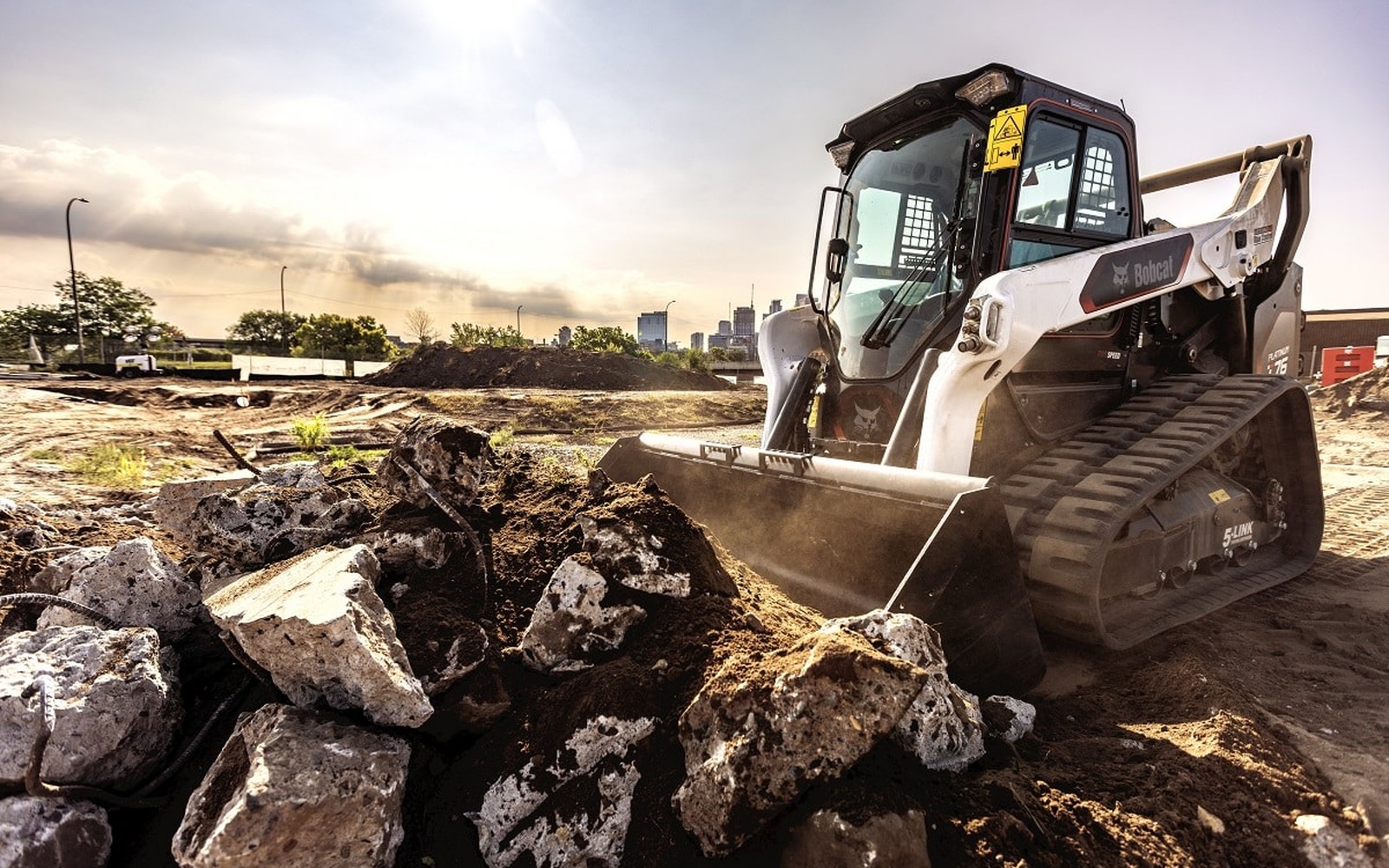
Compact track loaders have become one of the most popular pieces of kit in ground-disturbing construction, and their popularity has created a liquid resale market that benefits you at refinance time. The machine you bought two or three years ago and have been servicing faithfully carries real equity. That equity can become cash in your operating account without the machine leaving your yard.
We structure compact track loader refinancing as a cash-out refinance, a rate-and-term refinance to lower the payment, or an equipment sale-leaseback if maximum capital extraction is the goal. All three structures keep you running the machine. The choice depends on how much you want to pull out, what you need it for, and how the lender's advance interacts with your current payoff.
Track loaders earn their reputation for versatility in soft and uneven terrain where rubber-tire skid steers chew up ground or lose traction. That versatility makes them broadly useful across multiple buyer segments, which sustains the used market and makes lenders comfortable with the asset.
Key value factors underwriters assess:
Compact track loaders show up in more industries than any other compact machine class. That breadth means the refinancing use cases are equally diverse.
Markets like Las Vegas and Phoenix, where year-round construction activity is high, produce steady demand for compact machine refinancing because operators keep adding capacity and often need capital outside the seasonal windows that banks prefer.
Compact track loader refinancing typically falls in the $50,000 to $150,000 per unit range for machines in good to excellent condition. Fleet transactions bundling multiple CTLs can reach $300,000 to $500,000 and unlock better advance rates in some programs.
Loan terms generally run 36 to 72 months, matched to the remaining useful life of the machine. A two-year-old CTL with low hours might support 60 to 72 months. A five-year-old machine with moderate hours is better suited to a 36 to 48 month term.
For transactions under roughly $400,000, the application-only financing path keeps documentation simple: application plus three months of bank statements. Above that, tax returns enter the package. Most single-unit CTL transactions stay comfortably below the full-doc threshold.
A CTL purchased new two to four years ago and paid down consistently is the ideal refinancing candidate. Lenders know the original price, the depreciation curve is predictable, and the remaining value is calculable from published used-market data. The owner has been building equity with every payment and now has something real to extract.
Older machines, five to eight years with substantial hours, are workable but require stronger condition documentation. A machine with 4,000 hours needs a current inspection report or a dealer service record showing major component health. Worn undercarriage, hydraulic leaks, or a failing final drive are the things that kill appraisals on older units. If the machine has been maintained carefully and the maintenance record proves it, age and hours matter less.
Used CTLs purchased from an auction or a private seller also refinance regularly. The purchase channel does not matter as long as title is clean and the machine is in working order. Some operators buy used CTLs specifically because the price is right and the equity cushion is immediate, then refinance within the first year to recapture some of that margin.
Tell us the machine details and your capital goal. We size the equity, quote the structure, and put a real dollar amount on the table. Application is short. Bank statements are three months. Most transactions close in one to two weeks. The equity in your CTL does not earn anything sitting there. Let us help you move it.
These are the underwriting points the desk uses to turn the taxonomy page content into a real cash-out structure.
Compact Track Loader Refinancing value, payoff, age, hours or mileage, attachments, condition, and remaining useful life.
$50,000. The available cash is based on verified value minus the existing payoff.
One to two weeks.
Compact track loaders show up in more industries than any other compact machine class.
Hours reduce the appraised value but do not eliminate it. A machine with 4,000 hours on a three-year frame carries less equity than one with 1,500, but may still have enough residual value to support a transaction. The key is documented maintenance and functional mechanical condition.
Yes, and you should document that investment. Bring the invoice for the track replacement. New tracks add to the appraised value and reduce the lender's residual risk, which can improve both the advance rate and the approval outcome.
A fleet refinance covers multiple units in a single transaction. This is often more efficient than doing them separately, and bundling can unlock better program rates in some cases. Provide details on all machines in the initial application.
Lenders treat them similarly but not identically. CTLs with rubber tracks often appraise slightly higher in soft-terrain markets because the utility is broader. The underwriting process is the same, but track condition is an added variable that does not exist on a wheeled skid steer.
Yes. Cash proceeds from a CTL refinance go to your account with no use restrictions. Many operators pull equity from a paid-down machine to fund the down payment on a new or larger piece of equipment without tapping operating accounts.
Send the machine, payoff, and target cash-out amount. We will review the file and come back with rate, term, payment, and net proceeds.
Tell us what you are buying, who is selling it, and when you need it earning. We will review the file and point you to the next step.