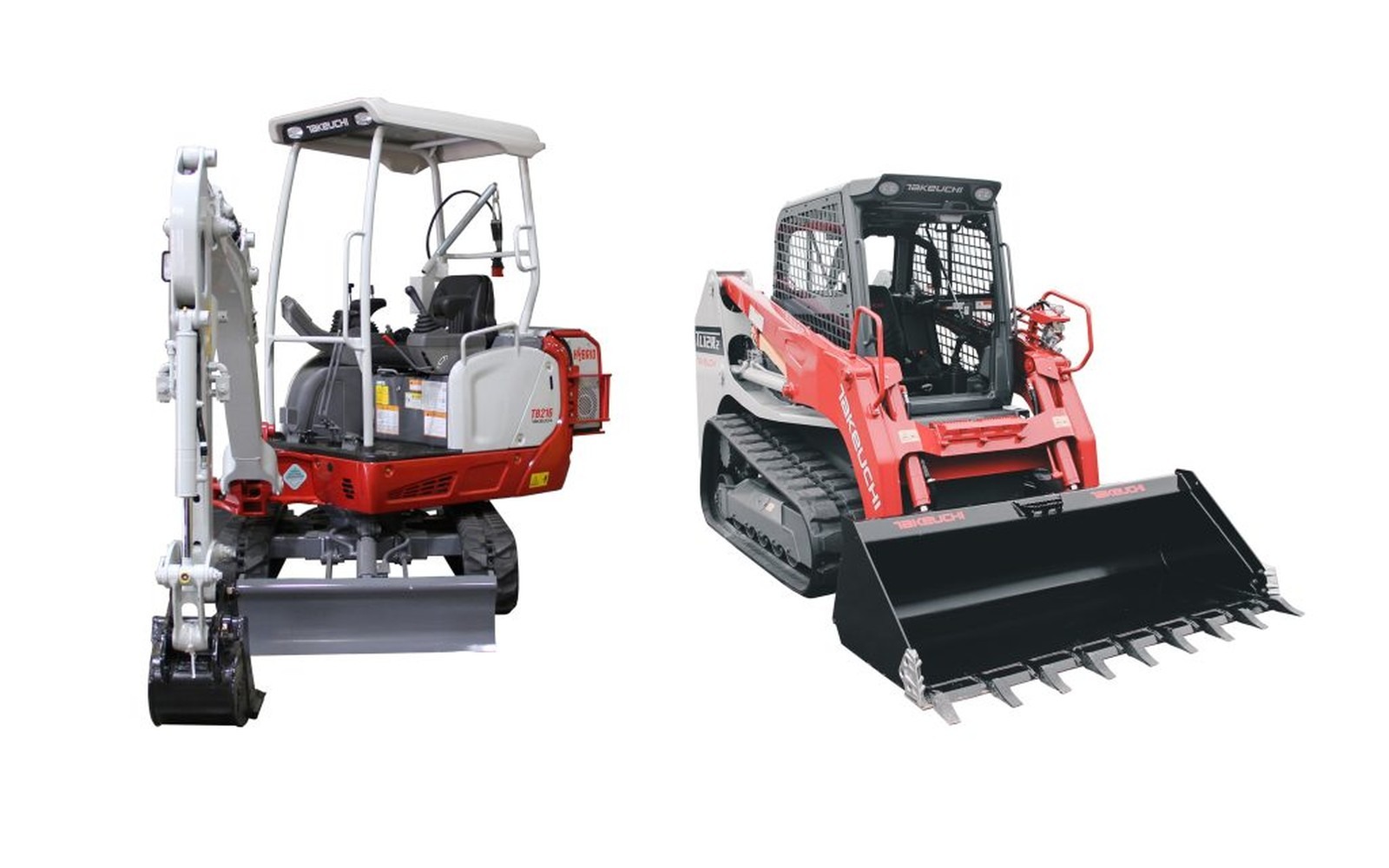
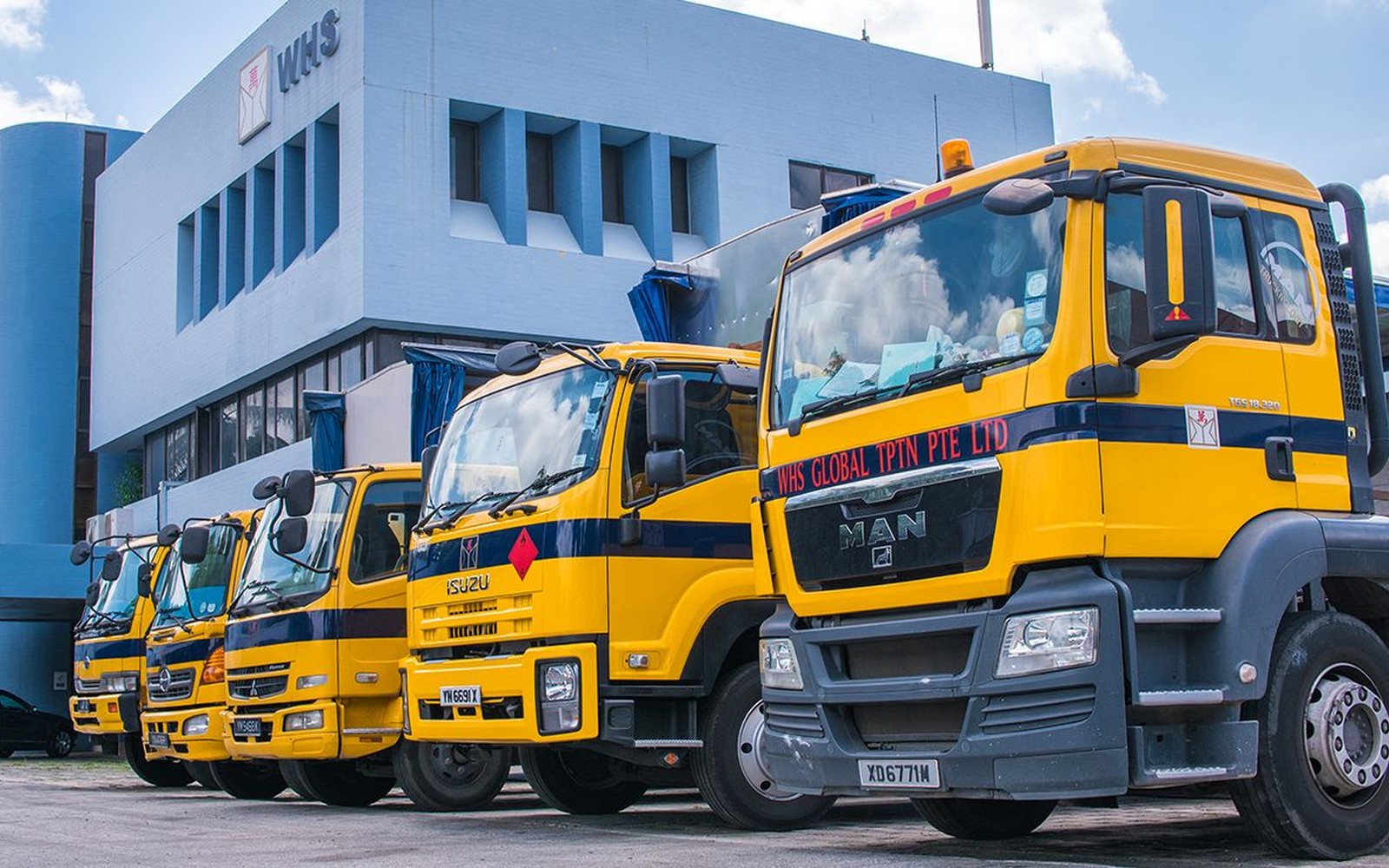
Collateral Reviewed
Equipment location, current payoff, lien status, value support, and how the asset is used in the business.


Equity in your equipment does not earn anything sitting there. Minneapolis operators have been putting that equity to work through cash-out equipment refinancing, pulling capital from paid-down machinery to fund the next project, the next truck, or the next contract. The machine stays. The cash moves. Funding typically closes in one to two weeks of a complete application.
Minneapolis and its metro ring anchor an economy built on manufacturing, construction, food processing, and regional logistics. The Twin Cities metro is home to one of the country's larger concentrations of Fortune 500 corporate headquarters, which drives a consistent commercial construction and facility services market. North of the metro, the Iron Range connects the region to heavy mining and aggregate operations that run capital-intensive equipment year-round. Both markets create operators who own equity-rich iron.
We fund Minneapolis-area businesses from $50,000 to several million dollars. New and used equipment both qualify. B and C credit is considered. Application-only approvals up to roughly $400,000. Most deals fund in about one to two weeks.
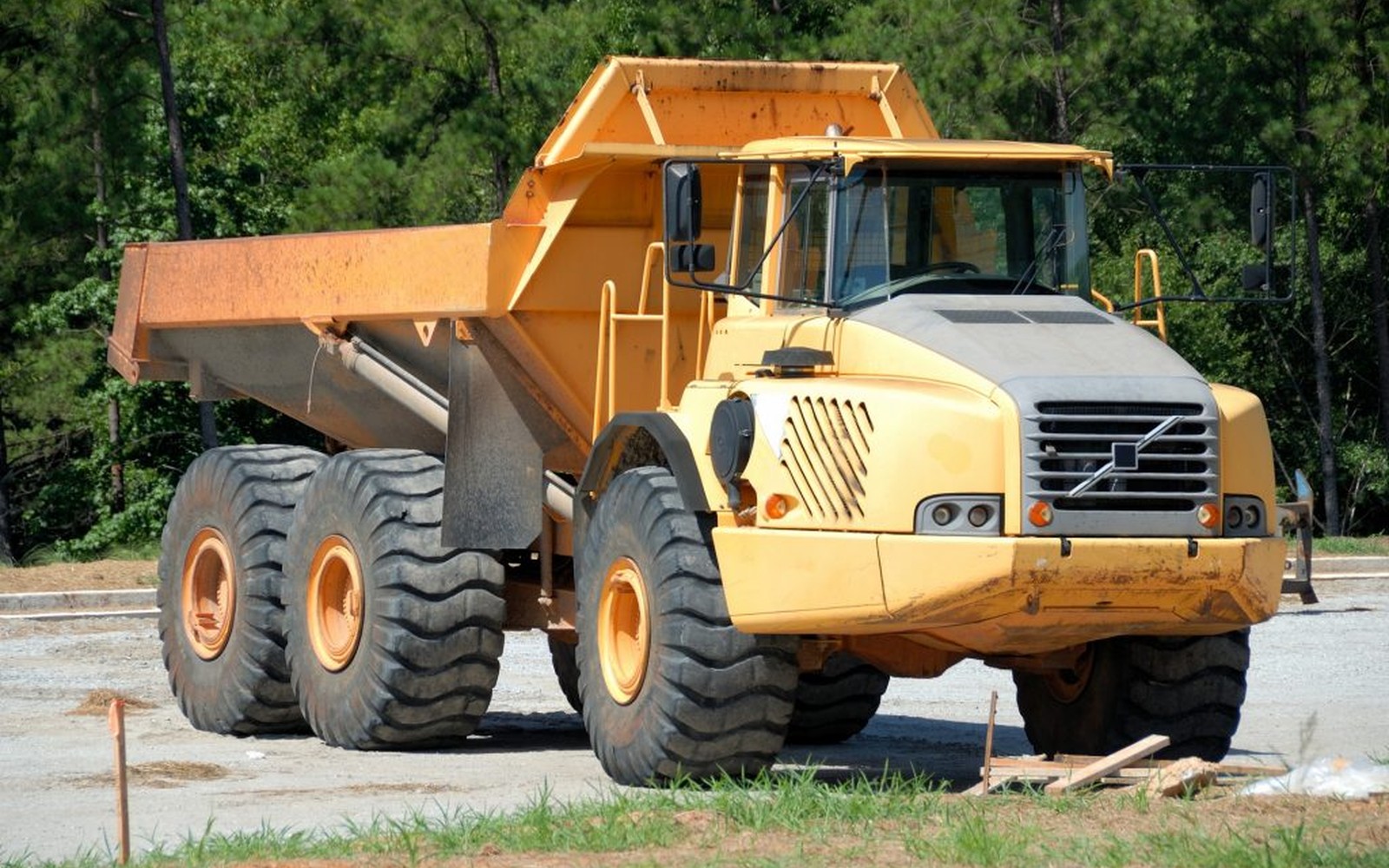
The commercial construction market in the Twin Cities has been active through multiple economic cycles, supported by corporate campus expansions, medical facility buildouts, and infrastructure renewal on I-94 and the metro's complex interchange system. Construction contractors here typically run a mix of excavation and grading equipment, cranes, and specialty attachments. After two to three years of payments, that iron carries meaningful equity.
Manufacturing is another pillar. The metro has a strong precision machining and industrial fabrication base, along with food processing facilities from companies that span grain milling to dairy operations. Manufacturing and fabrication shops across the metro refinance machining centers and production equipment to fund automation upgrades or capacity additions without drawing on working capital lines.
Regional trucking and distribution operations serving the Upper Midwest use Minneapolis as a terminal city. Carriers running dry van and flatbed routes between Minneapolis, Chicago, and the Dakotas own tractors and trailers with real equity. Trucking and transportation operators in this corridor refinance those assets regularly to add capacity without depleting cash reserves.
The two main structures we see in the Minneapolis market are cash-out refinancing and equipment sale-leaseback. In a refinance, you borrow against the equipment, pay off any existing lien, and keep the rest. You retain ownership and make monthly loan payments. In a sale-leaseback, you sell the machine to the lender at market value, take the full proceeds, and operate it under a lease. The leaseback generates more gross cash but comes with monthly lease obligations and no ownership at the end unless you exercise a purchase option.
Which structure fits depends on your goals. If you want to own the equipment outright eventually, refinancing is the cleaner path. If you want the largest possible cash event right now and are comfortable with a lease structure, a sale-leaseback is worth modeling. Many operators in Minneapolis construction and manufacturing choose a refinance because they intend to hold the machine for its full useful life. Trucking operators sometimes prefer the sale-leaseback because equipment turnover is already part of their business cycle.
We run both numbers for every applicant. You make the call with full information in front of you.
Minneapolis operators with B and C credit get approved here regularly. B/C credit equipment financing is a structured product with our financing desk, not a marginal exception. The factors our lenders weigh are equipment value, equity position, time in business, and current cash flow. A 590 credit score paired with a profitable operation and strong equipment collateral is a real deal.
Documentation for deals under $400,000: application plus three months of business bank statements. Deals above that threshold: two years of tax returns and a current profit-and-loss statement. Either way, you get a term sheet within 48 hours of a complete submission. There is no monthslong underwriting queue and no bureaucratic hold pattern. The process is designed to move at the speed a business decision requires.
Existing liens do not disqualify an asset. The new lender pays off the balance at closing. You receive the net proceeds after that payoff. The only requirement is that enough equity exists above the lien to justify the transaction.
The typical borrower is an owner-operator or small-to-midsize business with two or more years of operating history, equipment that has built up equity, and a clear use for the cash. Common uses: down payment on a new machine, bid bond for a large project, payroll bridge during a slow billing cycle, or pre-purchase of materials for an upcoming contract.
We also work with businesses that want to consolidate multiple equipment loans. A contractor juggling four separate equipment payments to three different lenders can often simplify the picture and reduce total monthly outflow through a debt consolidation equipment loan. That structure is less dramatic than a cash-out, but it can meaningfully improve cash flow each month.
Owner-operators are welcome. A single machine, a single truck, or a single piece of production equipment with $75,000 in equity is a real transaction. You do not need a fleet or a large payroll to get a deal done here.
Submit an application and get a term sheet in 48 hours. $50,000 minimum, B/C credit considered, funding in about one to two weeks. See what else qualifies: excavator refinancing and crane refinancing are both common in this market.
These are the underwriting points the desk uses to turn the taxonomy page content into a real cash-out structure.
Equipment location, current payoff, lien status, value support, and how the asset is used in the business.
$50. The available cash is based on verified value minus the existing payoff.
1-2 weeks.
The two main structures we see in the Minneapolis market are cash-out refinancing and equipment sale-leaseback .
That depends on the lease structure. If it is a finance lease with a fair market value or fixed buyout, we may be able to refinance the buyout amount into a new loan simultaneously with the purchase. Operating leases are different and need to be evaluated case by case.
Yes. A consolidation facility bundles multiple assets under one loan, usually with a single monthly payment and potentially a lower combined rate than you are paying across three separate notes. Tell us all three assets and we will model the combined facility.
Appraisal costs are typically rolled into the transaction, not collected upfront. For common asset types, a desktop appraisal using auction data and comparables is often sufficient. Physical inspections are required for larger or more specialized assets.
Not necessarily. A bankruptcy that was discharged several years ago with a clean track record since then is not automatically disqualifying. Lender appetite varies. We know which lenders in our network are open to prior bankruptcy situations and will target those appropriately.
It varies by asset type and credit profile, but most cash-out refinances in our network land between 70% and 90% of appraised value. On a clean borrower with a strong asset, you may be closer to the top of that range.
Send the machine, payoff, and target cash-out amount. We will review the file and come back with rate, term, payment, and net proceeds.
Tell us what you are buying, who is selling it, and when you need it earning. We will review the file and point you to the next step.