Collateral Reviewed
Equipment location, current payoff, lien status, value support, and how the asset is used in the business.

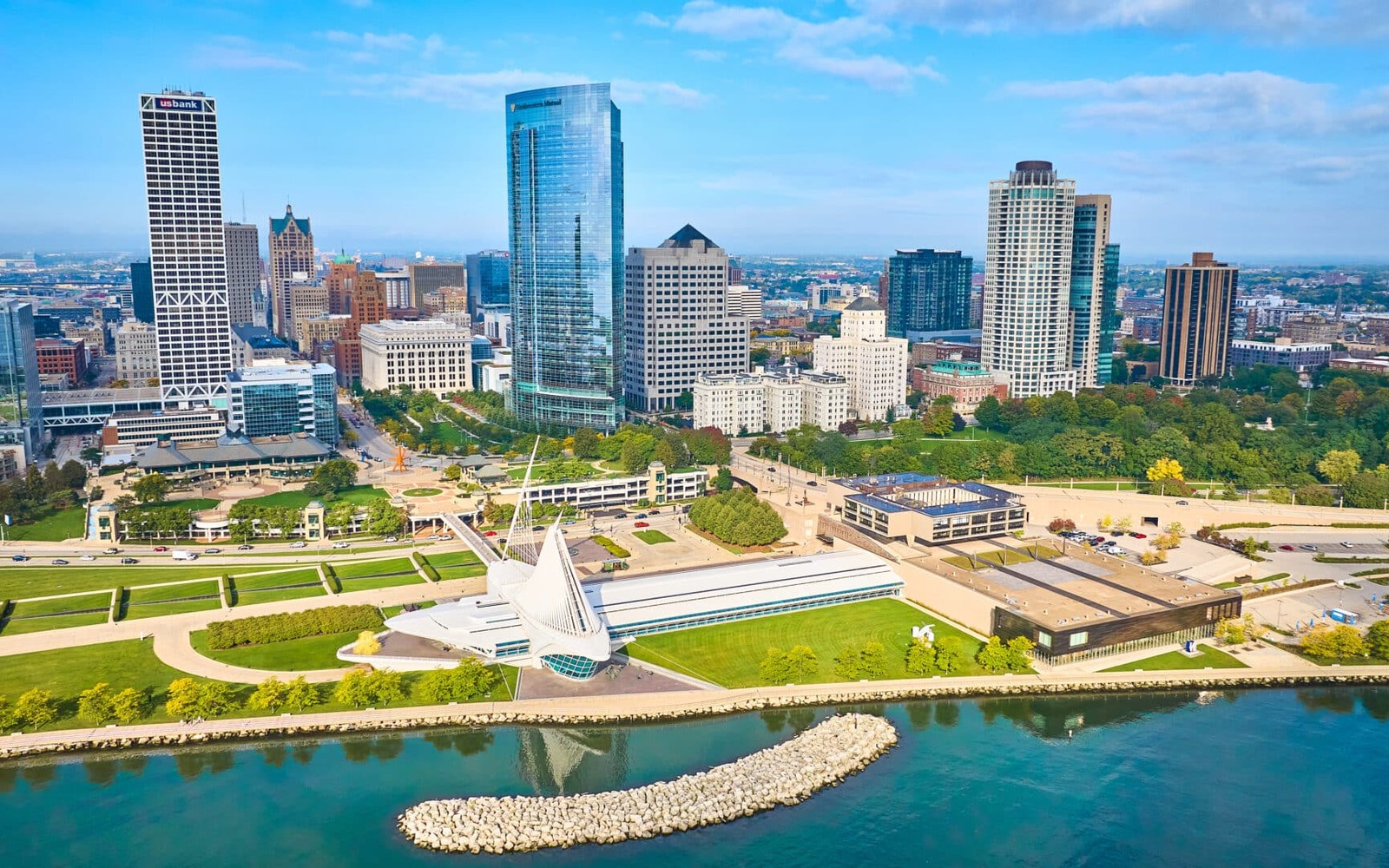
Milwaukee has a manufacturing identity that goes back more than a century, and the businesses running that tradition today have significant capital tied up in equipment. A cash-out equipment refinance is how Milwaukee operators extract that capital without disrupting a single shift. The machine keeps producing. The cash arrives in your account in about one to two weeks.
The Milwaukee metro anchors a Wisconsin industrial base that spans precision machining, printing and packaging, food and beverage manufacturing, and construction. Kenosha, Racine, and the broader southeastern Wisconsin corridor add manufacturing density. Lakefront and port activity connects the metro to Great Lakes freight routes. All of this means equipment that gets used hard, builds equity fast, and sits on balance sheets as an underutilized capital resource.
We fund Milwaukee-area businesses from $50,000 to well above $1 million. B and C credit considered. Application-only approvals up to roughly $400,000. New and used equipment both qualify.
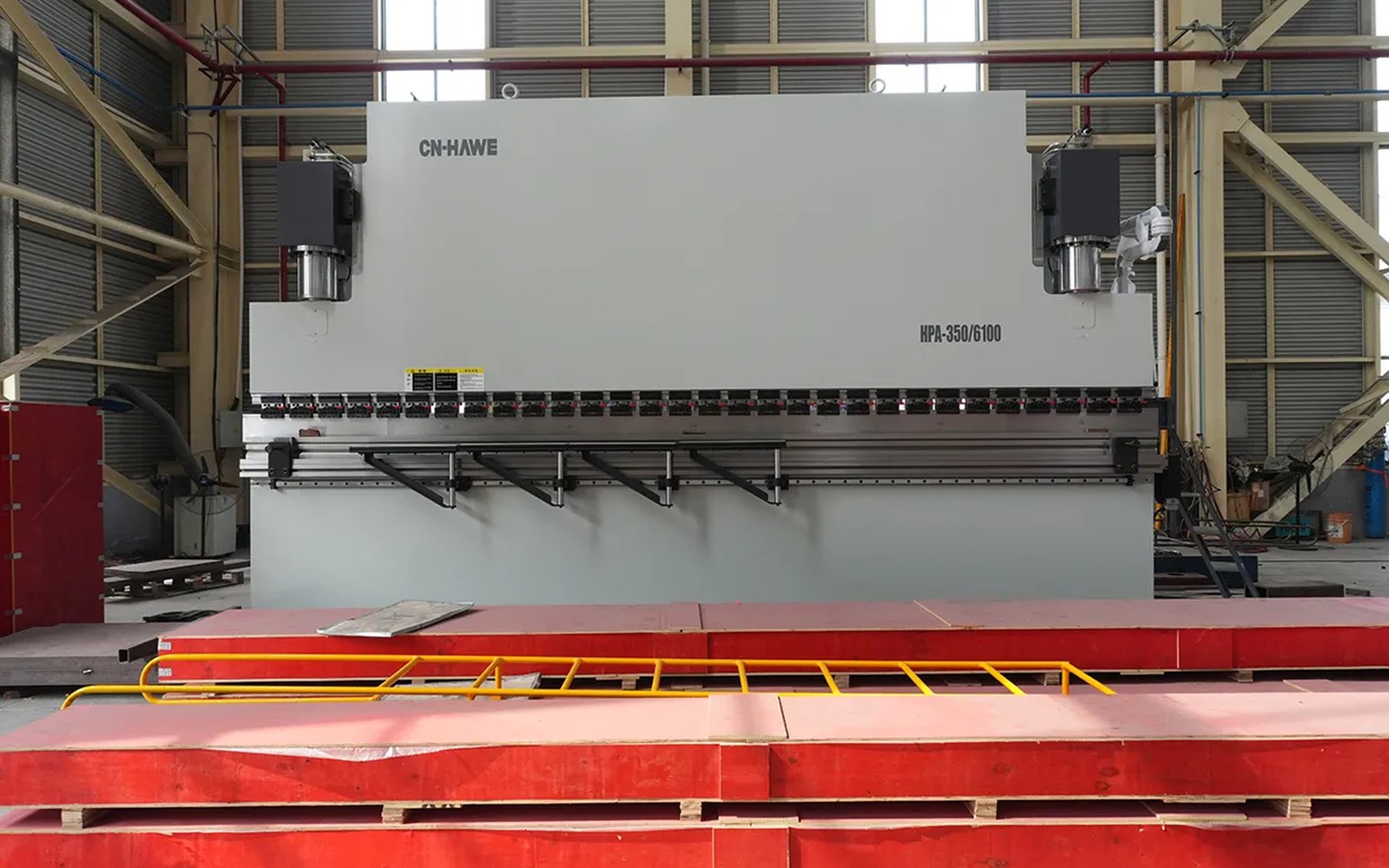
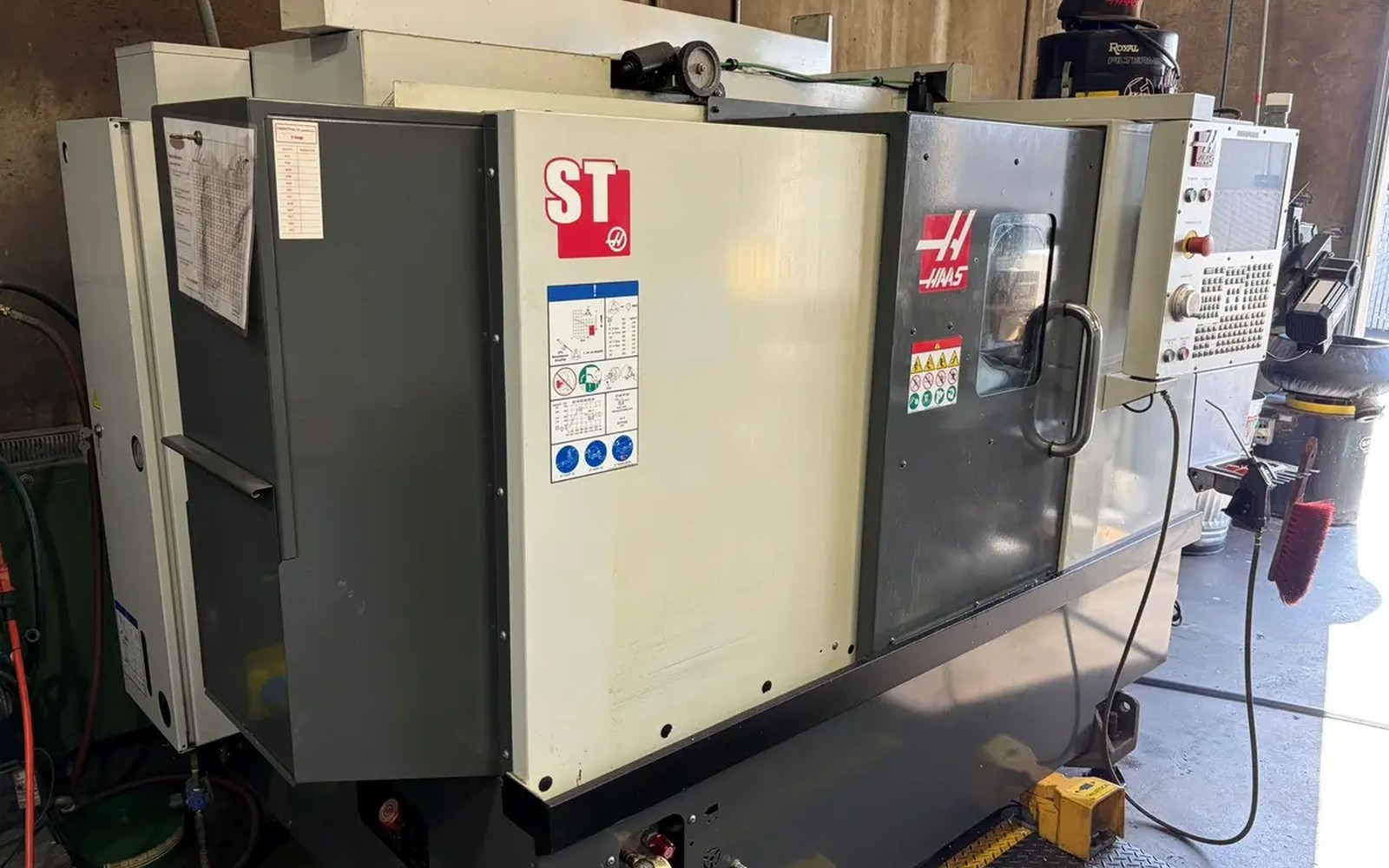
Milwaukee's manufacturing core means we see a wide range of industrial assets: CNC machining centers, stamping presses, press brakes, laser cutting systems, and production line equipment. These machines depreciate on a known curve and have active secondary markets, which gives lenders the confidence to price them accurately as collateral. A paid-down precision machining center at a Menomonee Falls shop is lendable collateral.
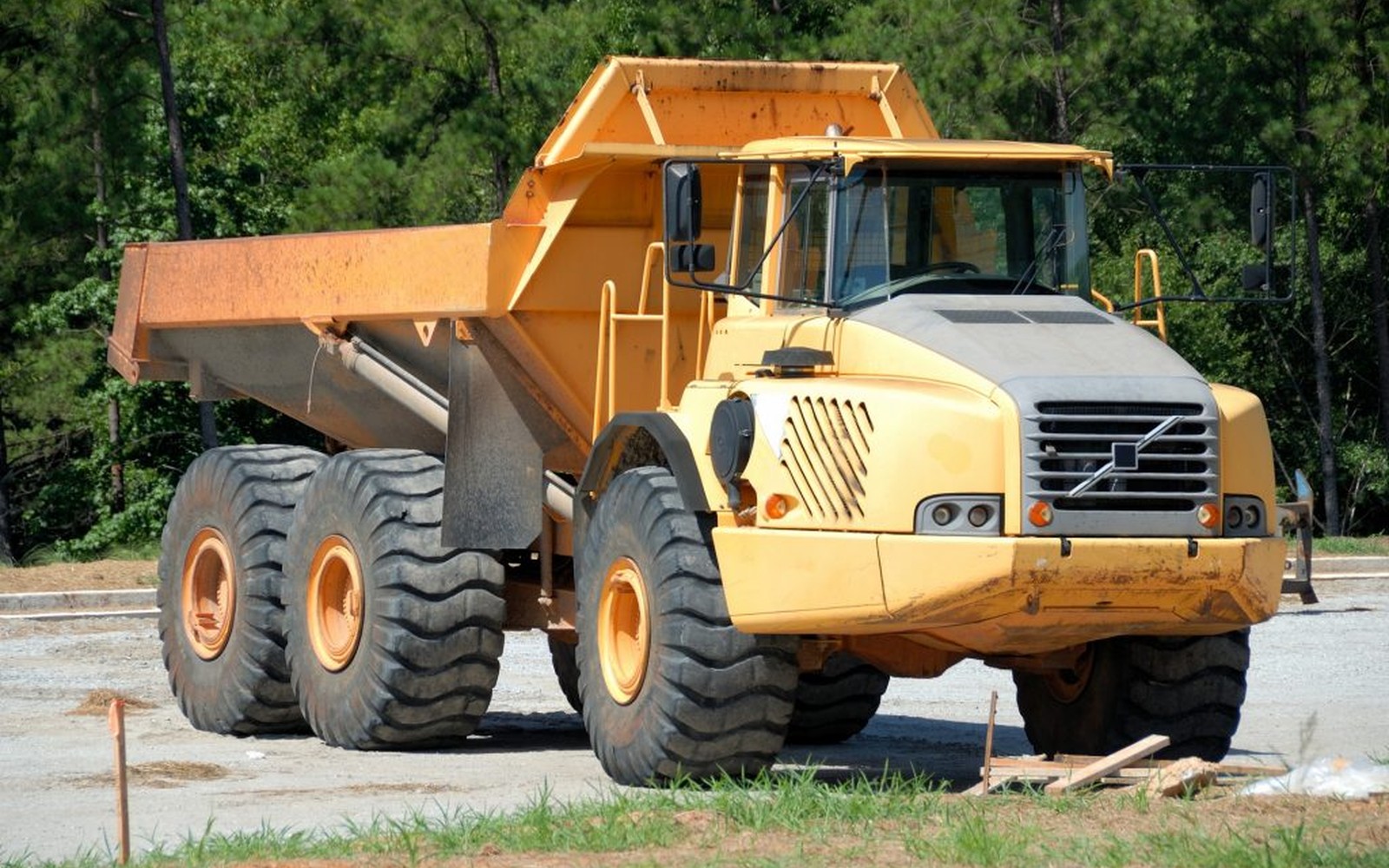
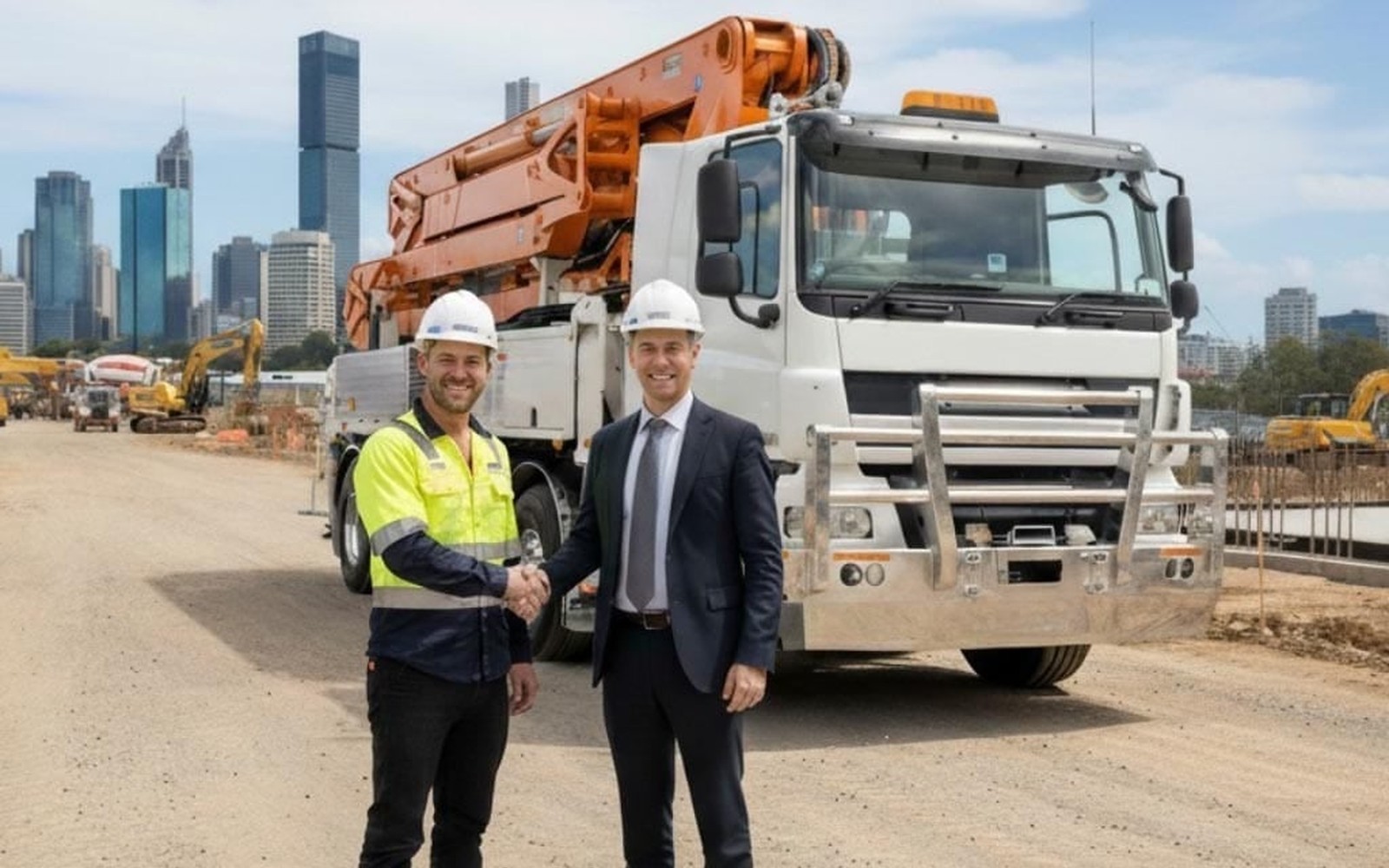
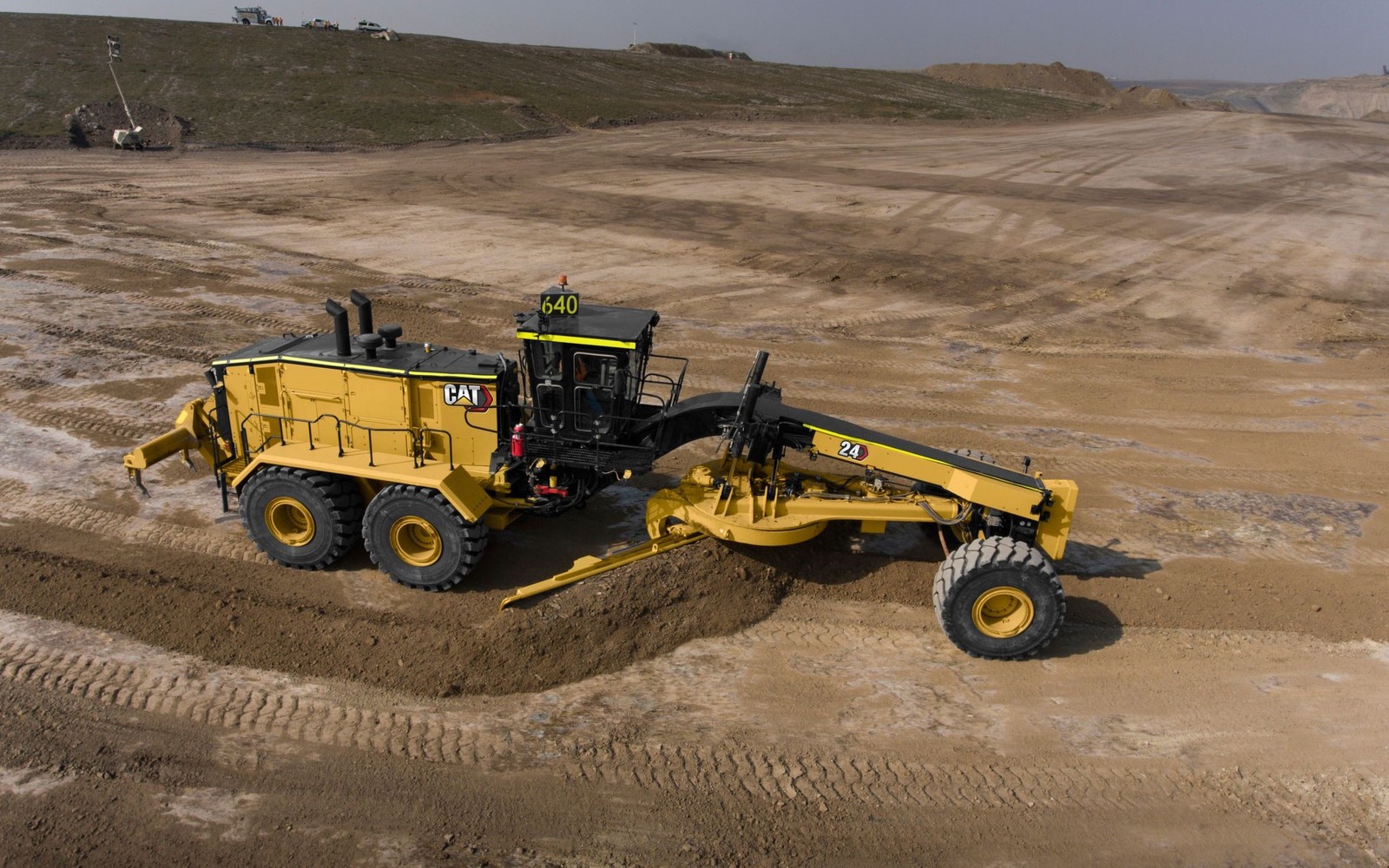
On the construction side, Milwaukee's ongoing lakefront development, water infrastructure work, and commercial projects in the Third Ward and Walker's Point neighborhoods generate consistent demand for excavators, cranes, and concrete equipment. Concrete pump trucks working urban pours accumulate equity alongside their hours. We regularly refinance these assets for contractors who want to put that equity into the next mobilization.
Trucking and distribution equipment qualifies as well. The Port of Milwaukee and the regional logistics network supporting the brewery, food processing, and manufacturing sectors means there are carriers and owner-operators with tractors and trailers worth refinancing. A two-year-old sleeper cab with a clean maintenance history has equity in the Milwaukee market just as it does anywhere else.
Milwaukee's manufacturing and construction businesses do not always have pristine credit histories. An economic downturn, a slow-pay client, or a difficult equipment lease that was restructured can leave a mark on a credit profile without accurately reflecting the business's current strength. Our financing team is built to look past a snapshot credit score toward the full picture.
B/C credit equipment financing is a structured product, not a side door. We have lenders who specialize in it and compete to fund well-structured B and C credit deals. A 590 credit score with a profitable, cash-flowing business and a well-maintained $200,000 machine is a real transaction in our network.
Documentation is minimal relative to what a bank requires. Under $400,000: application and three months of bank statements. Above that: two years of returns and a current profit-and-loss. Term sheet in 48 hours. Funding in one to two weeks. We do not move at bank speed, and that difference is the whole point.
For businesses that own equipment outright with no lien, a Equipment Sale-Leaseback unlocks the full market value rather than a portion of it. You sell the asset to the lender at an agreed market price, take the cash, and operate the equipment under a lease. This structure is particularly useful for manufacturers who want to take equity off the balance sheet and redeploy it into growth, whether that is a facility expansion, a new production cell, or an acquisition.
Milwaukee's printing and packaging sector has used sale-leaseback extensively. A paid-off offset press or a finishing line that a shop owns free and clear can be worth $300,000 to $800,000 in the secondary market. Selling that asset to a lender, receiving the cash, and leasing it back at a predictable monthly payment can transform a company's capital position without changing a single thing about daily operations.
We model both the refinance and the leaseback for every applicant with an outright-owned asset, so you can see the cash difference and payment structure comparison before making a decision.
The right applicant has been in business at least two years, owns equipment with documented value, and has a real use for the capital: funding a growth move, bridging a cash flow gap, or consolidating debt. Manufacturing and fabrication shops are a strong fit. So are construction contractors working the metro's infrastructure and commercial markets. Printing and packaging operations in the Milwaukee metro own expensive press equipment that lenders price well.
We also work with businesses that have been told no by a bank. The bank may have declined for credit score, time in business, or collateral type. Those same factors look different through a specialty equipment lender's lens. We know which lenders in our network are the right match for which situations, and we make that connection efficiently.
Owner-operators are welcome. You do not need a large staff or a fleet. A single machine with $75,000 in equity is a deal we can structure.
Apply today and get a term sheet in 48 hours. $50,000 minimum, B/C credit considered, funding in about one to two weeks. See also: CNC machine refinancing and equipment refinancing options available for Milwaukee operators.
These are the underwriting points the desk uses to turn the taxonomy page content into a real cash-out structure.
Equipment location, current payoff, lien status, value support, and how the asset is used in the business.
$50. The available cash is based on verified value minus the existing payoff.
1-2 weeks.
Working capital, down payments, debt cleanup, slow-season coverage, and project mobilization.
It depends on the lease type. A finance (capital) lease with a buyout option can sometimes be refinanced by paying the buyout through the new loan. Operating leases are different and need separate evaluation. Tell us the lease terms and we will assess whether a path exists.
Age is a factor but not an automatic cutoff. If the press has a documented maintenance history, is still actively producing, and has verifiable resale value in the secondary market, it may still qualify. We need to know the make, model, condition, and approximate market value to give you a real answer.
Typically 36 to 72 months, depending on the asset type and remaining useful life. Shorter-lived or older assets carry shorter terms. Newer, long-lived equipment can support longer terms. We structure the term to keep payments manageable without extending past the point of residual value risk.
Yes, but we need to establish value through other means, such as appraisal or comparable auction data. Equipment bought at auction often comes with a known market price, which can actually work in your favor for valuation. A bill of sale and clear title are required.
In a leaseback, the asset moves off the balance sheet (as a sale) and you record a right-of-use liability under the lease. In a loan, you keep the asset on the books alongside the debt. The balance sheet treatment differs significantly. Talk to your accountant about which treatment fits your goals for the current year.
Send the machine, payoff, and target cash-out amount. We will review the file and come back with rate, term, payment, and net proceeds.
Tell us what you are buying, who is selling it, and when you need it earning. We will review the file and point you to the next step.