Collateral Reviewed
Equipment location, current payoff, lien status, value support, and how the asset is used in the business.


Louisville's equipment market is driven by manufacturing, logistics, and construction at a scale most mid-sized cities do not match. Ford's Louisville Assembly plants, GE Appliances, and the massive UPS Worldport hub at Louisville Muhammad Ali International Airport create a permanent demand for industrial machinery, freight equipment, and material handling assets. If you own that kind of equipment and have been paying it down, the equity in it is your next move. Cash-out equipment refinancing puts that equity into your account, typically within one to two weeks, with a minimum of $50,000 and application-only underwriting up to $400,000.
We serve operators across Jefferson County and the broader Louisville-Southern Indiana metro, including New Albany and Jeffersonville across the river.
UPS Worldport at Louisville is one of the largest automated package sorting facilities in the world, processing more than one million packages per day. The airport's freight traffic makes Louisville a major air cargo hub, and the ground logistics infrastructure that supports it, including third-party logistics operators, freight forwarders, and last-mile delivery fleets, runs on heavy equipment purchased over years of operations.
Ford operates two major assembly plants in Louisville: Louisville Assembly (Explorer) and Kentucky Truck Plant (F-Series SuperDuty). The supplier ecosystem around those plants, including stamping, tooling, and component manufacturing operations, generates steady demand for CNC machines, press brakes, and industrial fabrication equipment. Shops that bought that equipment years ago to serve tier-one automotive supplier contracts often carry it fully paid off today.
Construction in Louisville has been active across the Waterfront Park corridor, the East End Bridge connection in Prospect and Oldham County, and ongoing I-264 and I-71 highway improvements. Site work and utility contractors in Jefferson and Bullitt counties have accumulated construction iron that is worth money.
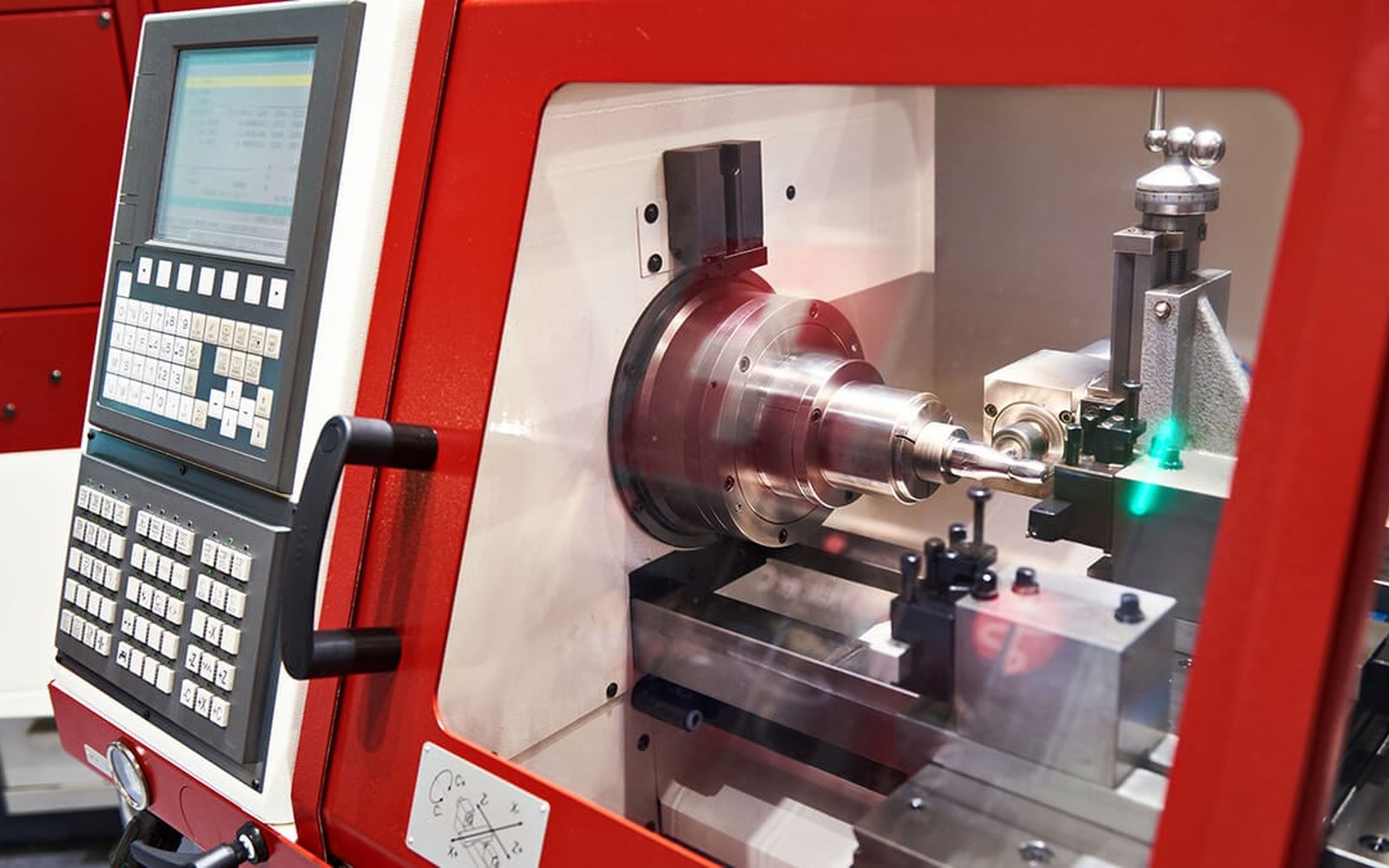
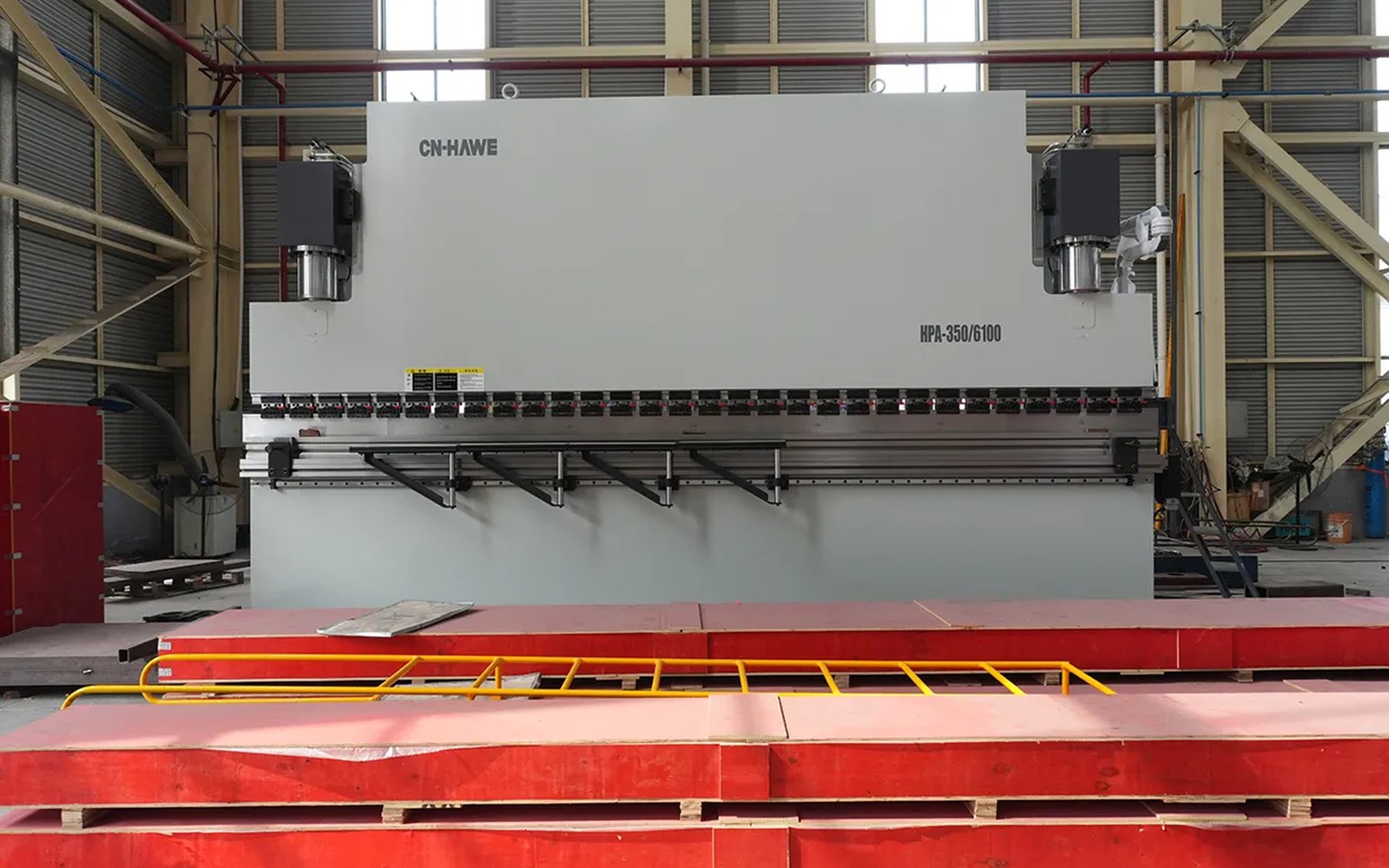
Manufacturing and fabrication equipment is a significant category here. CNC machine refinancing and press brake refinancing serve Louisville's automotive supplier shops and metal fabricators. Machines that were bought outright or financed years ago to serve Ford supply chain contracts often carry significant equity that their owners have not thought to access.
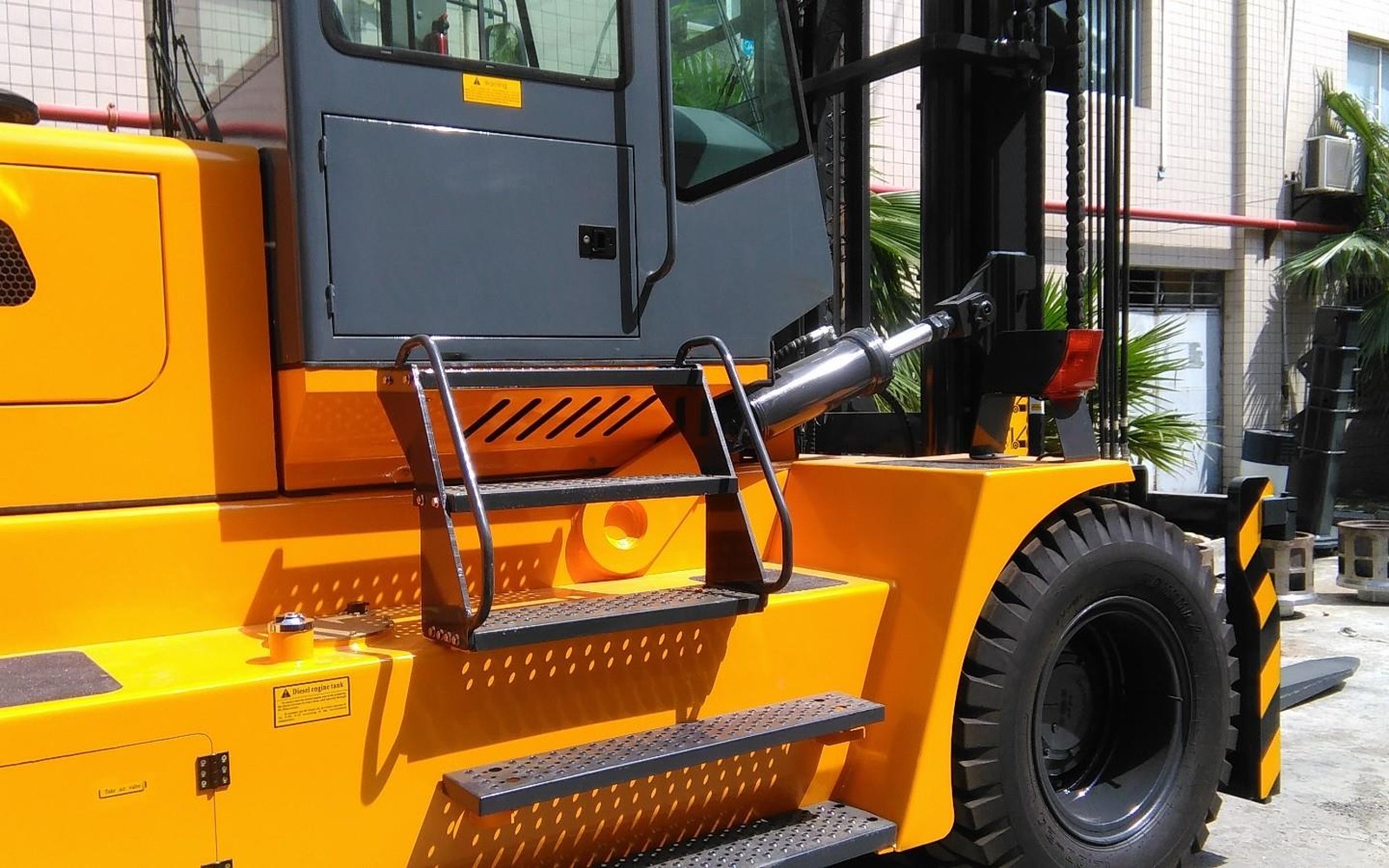
Logistics and material handling equipment at Louisville's distribution centers is another active category. Forklift refinancing for electric and propane units running UPS, Amazon, and other major distribution centers is common. These machines depreciate steadily from purchase but retain real resale value on the forklift market for years.
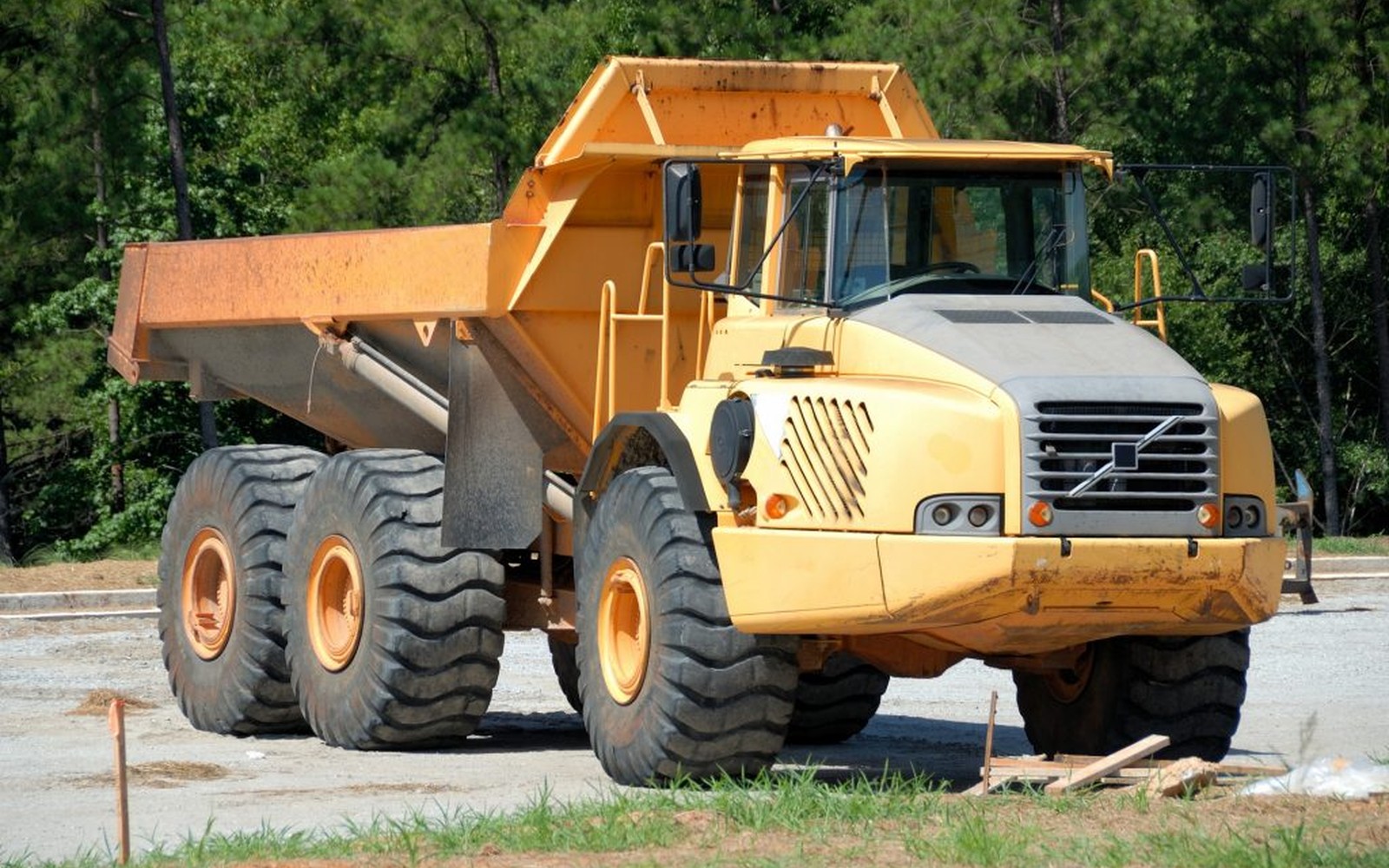
Construction iron serving Jefferson County site work and highway projects qualifies broadly. Excavators, bulldozers, and dump trucks on active jobs carry equity that can be accessed through refinancing without disrupting the machine's work schedule. Contractors bidding new work often use equipment equity as the capital bridge to mobilize for the next contract.
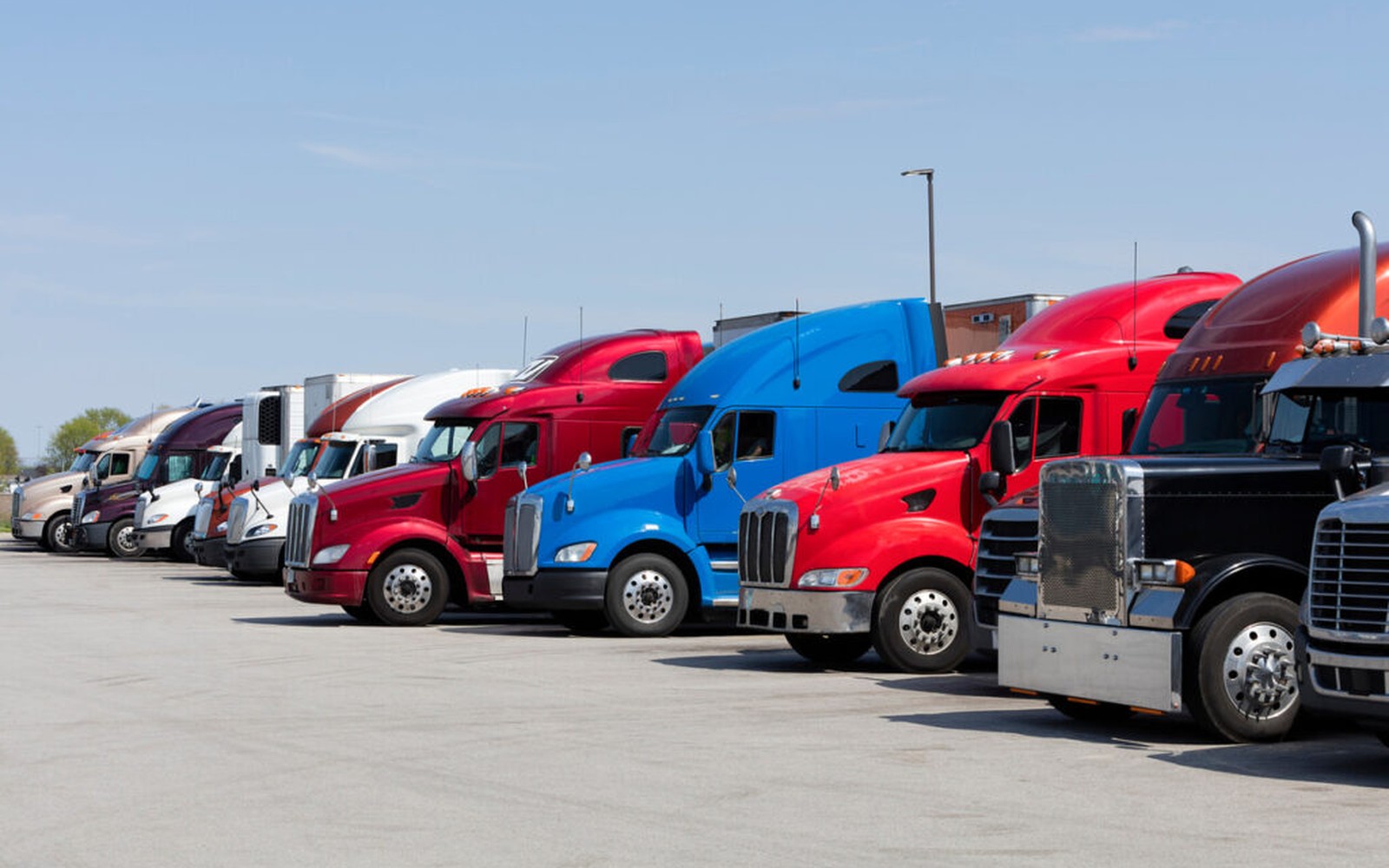
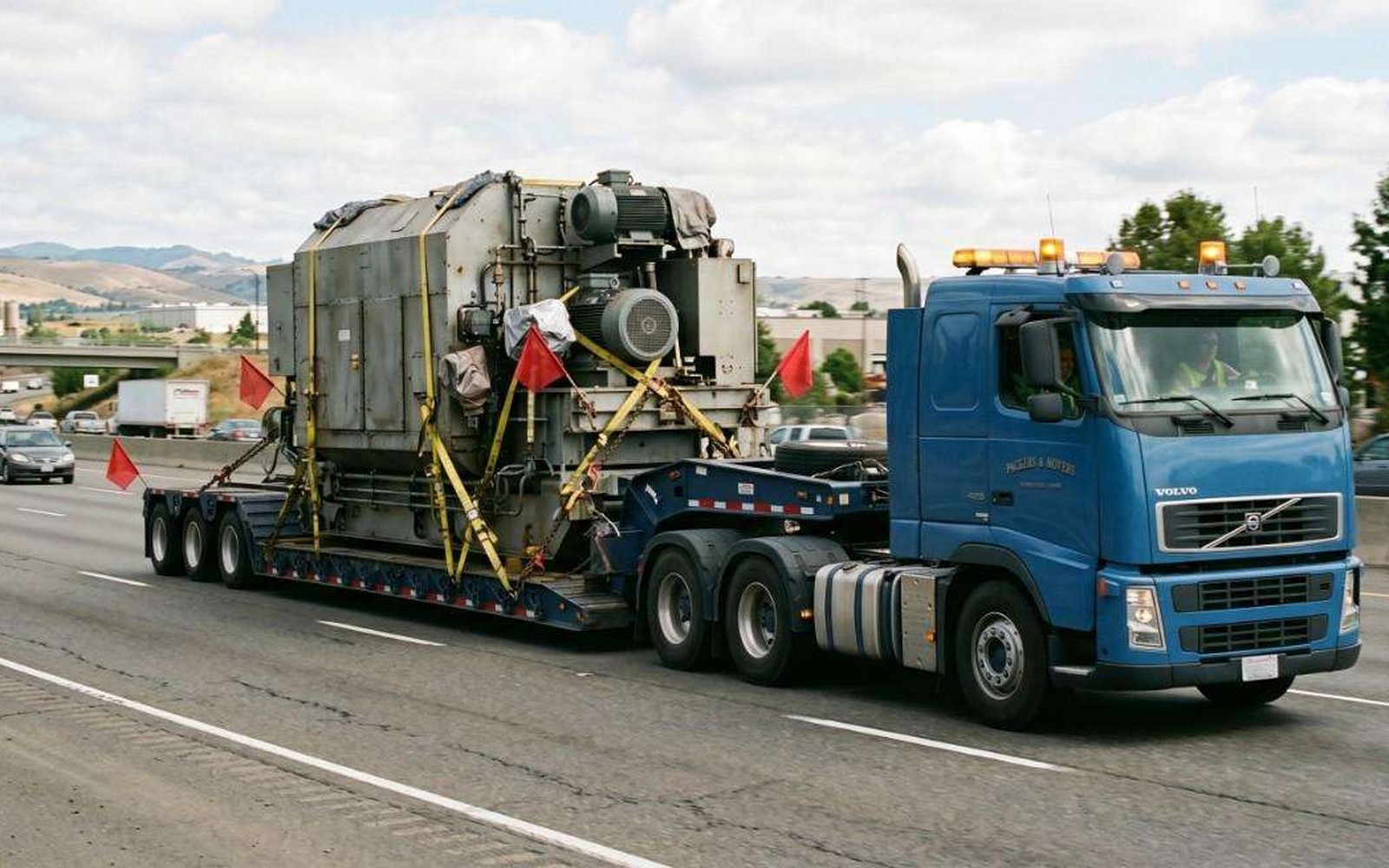
For trucking operators running the Louisville distribution hub and I-65 freight corridor, semi-truck refinancing provides access to sleeper cab and day cab equity in fleets serving the Midwest logistics network. The used equipment financing program covers machines of all ages as long as condition and market value support the advance.
The right borrower for this program has a clear capital need and the equipment equity to support it. That capital need might be a bid deposit, a payroll gap between contract millings, a tax obligation, or additional equipment to expand capacity on a new account. The equity provides the collateral; the capital need provides the purpose.
Operators with less-than-perfect credit should look at our B/C credit equipment financing program. Louisville's manufacturing sector has gone through consolidation cycles that can create temporary credit disruptions for shop owners and contractors. We look at the equipment value and current cash flow alongside the credit history.
For newer businesses that need equipment capital without years of operating history, our startup equipment financing program may be worth exploring. Refinancing is typically for machines already in service, but startups that bought equipment outright can access equity too.
We get the machine's market value, determine the outstanding payoff if any, and advance against the equity gap. If the machine is fully paid off, you receive the full advance minus reserves and fees. If there is a lien, we pay it off and forward the remainder.
Application-only underwriting applies up to roughly $400,000. The document list is: a completed application and three months of business bank statements. No tax returns, no personal financial statement, no appraisal on standard equipment. We know the market values for common machine types well enough to move quickly.
From a complete package to funded is typically one to two weeks. That is the actual working timeline. We do not sit on completed applications waiting for a committee date. Decisions get made and capital gets deployed.
For operators who want to extract more than the equity-above-payoff allows, equipment sale-leaseback transfers full value to you while the machine keeps working under a lease agreement. That structure is often the better choice for machines with large remaining balances.
Louisville operators with equipment equity have a capital source they may not be fully using. Tell us what you own and what you need. We handle the rest quickly and without the documentation pile that banks require.
Minimum $50,000. Application-only to $400,000. Funding in about one to two weeks.
These are the underwriting points the desk uses to turn the taxonomy page content into a real cash-out structure.
Equipment location, current payoff, lien status, value support, and how the asset is used in the business.
$50. The available cash is based on verified value minus the existing payoff.
1-2 weeks.
Working capital, down payments, debt cleanup, slow-season coverage, and project mobilization.
Yes. Paid-off CNC machines in working condition with documented revenue from supplier contracts are solid refinancing candidates. We advance against the current market value, which for well-maintained precision machines can be substantial even after years of service.
Yes. Refinancing is based on the equipment's ownership, not the facility it operates in. As long as you own the forklifts outright or with equity above the payoff balance, the location of the warehouse is not a factor in qualification.
A contract dispute that caused temporary payment delays is a different underwriting situation than chronic non-payment. We look at the circumstances and the current trend. If the dispute is resolved and the business is operating normally, the late pays from that period carry less weight than you might expect.
Loan-to-value varies by machine type, age, and condition. For common construction and industrial equipment in good condition, the advance is typically a substantial portion of current market value. We give you a specific estimate once we know what you have and what it is worth.
Absolutely. Using cash-out refinancing proceeds as a down payment on additional equipment is one of the most common applications. It lets you expand capacity without depleting cash reserves, effectively leveraging your existing fleet to fund the next machine.
Send the machine, payoff, and target cash-out amount. We will review the file and come back with rate, term, payment, and net proceeds.
Tell us what you are buying, who is selling it, and when you need it earning. We will review the file and point you to the next step.