Collateral Reviewed
Machine value, payoff, lien position, hours or mileage, condition, and secondary-market demand.

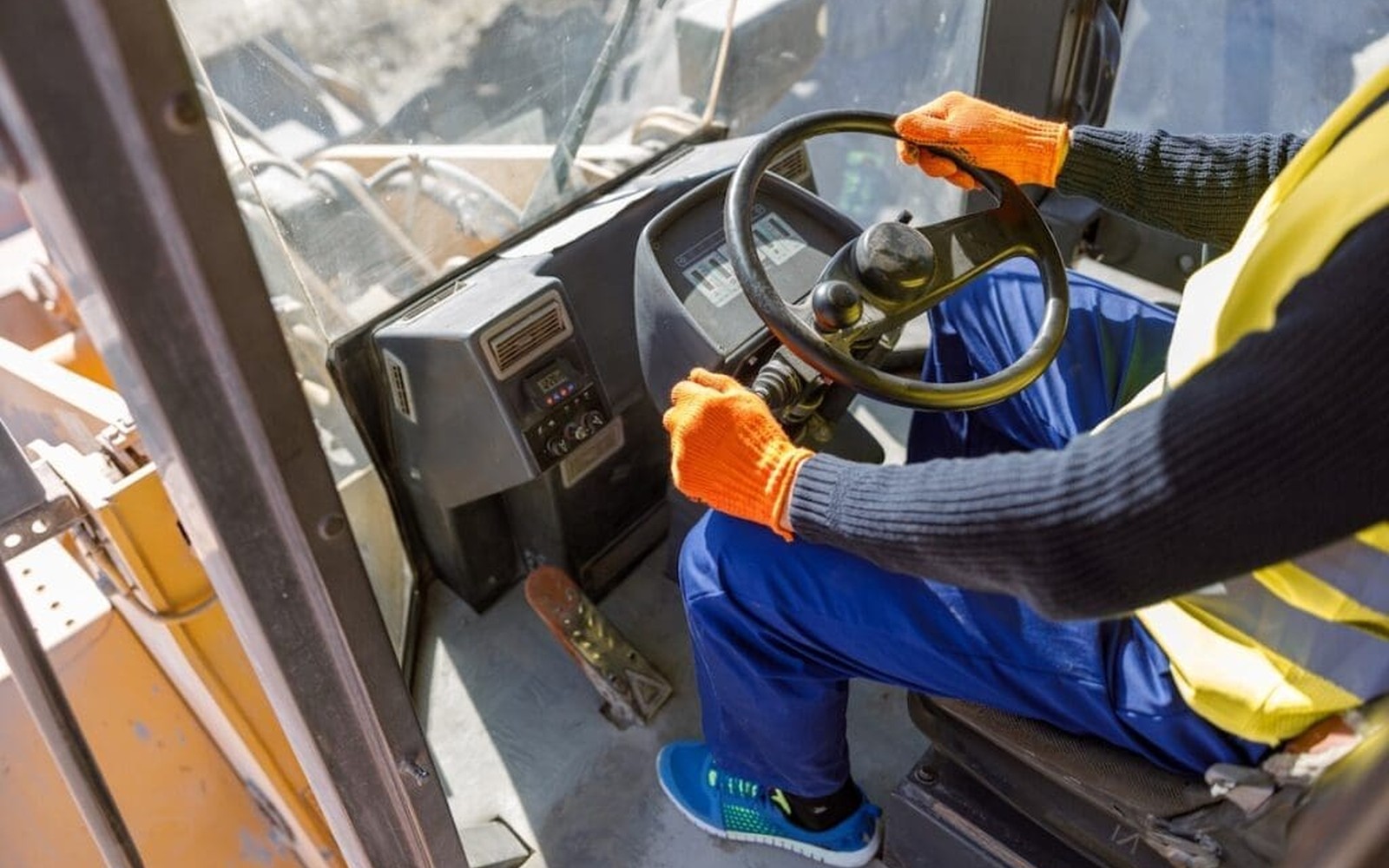
The business is new. The credit history is personal. The cash on hand is limited. And you need a machine to do the work that will make all three of those things better. Startup equipment financing is the path that gets that first piece of iron funded when no lender is going to extend a line of credit to a business that is six months old.
The approach is different from established-business financing. The collateral does more of the work. Your personal credit matters more than it does in a mature business. Down payment requirements are higher. But the path is real, and we have funded first-machine deals for new operators who went on to build substantial fleets. Every established borrower was a startup once.
Most lenders define startup as a business with less than two years of operating history. Some draw the line at one year. Within that window, the business lacks the financial statement depth that established borrowers use to demonstrate creditworthiness. There are no multi-year bank statements showing consistent revenue. There may be no business tax return at all. That absence is the core challenge.
The startup borrower profiles we work with most frequently:
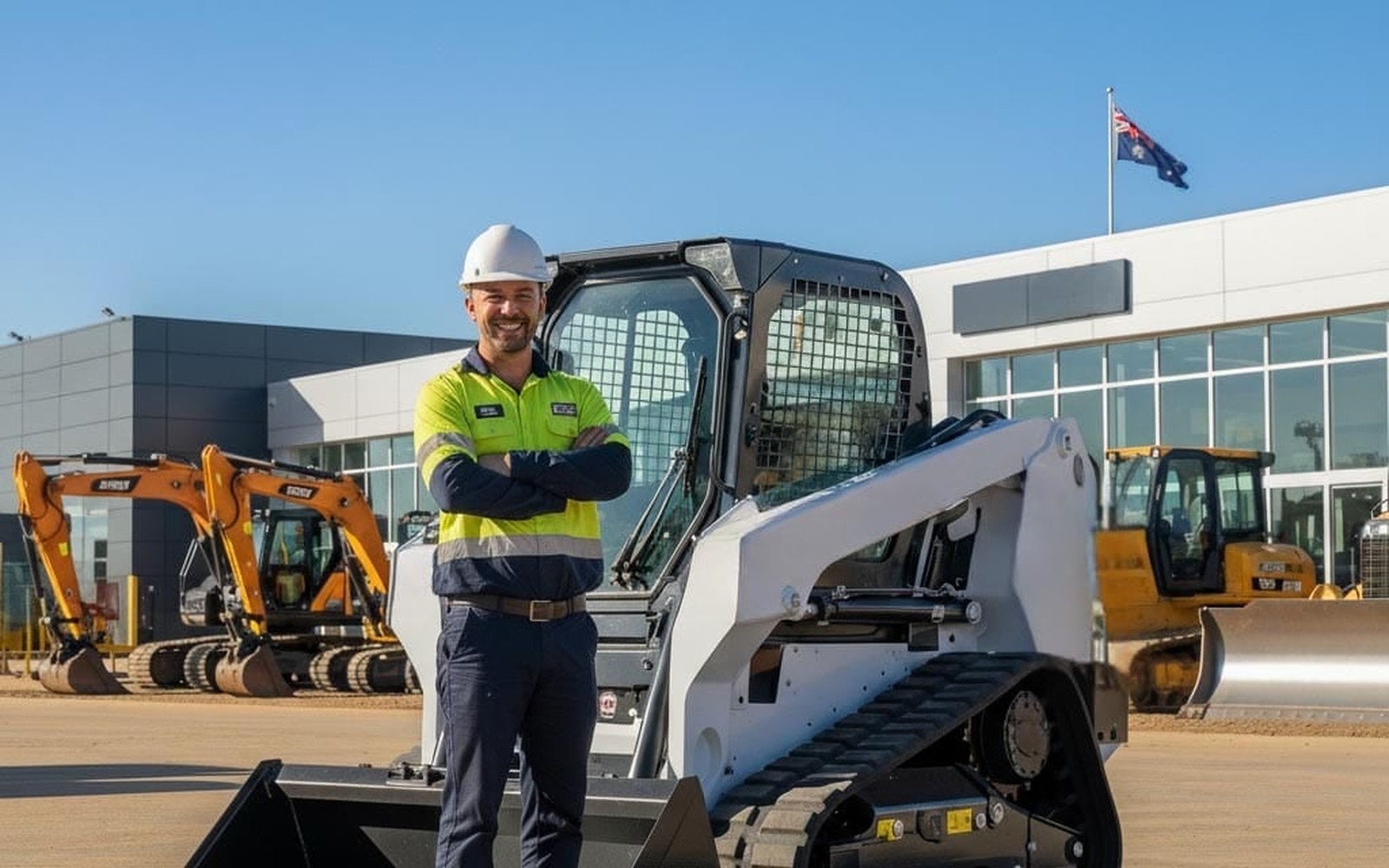
Owner-operators moving from employee or leased-on driver status to independent operator are a common startup profile in our book. So are landscaping operators starting their own crews after working for established companies. Both groups typically have strong personal credit and relevant industry experience, which matters to lenders even when the business is new.
With no business history to stand on, these factors carry the file:
A contractor who has spent eight years running excavators for someone else, has a 700 personal credit score, can put 25 percent down, and is buying an excavator to fulfill a concrete job site work order is a fundable startup deal. The business is new but the human behind it has the experience and the deal has the collateral. That combination opens doors.
The machine type matters. A new operator buying a skid steer or a dump truck has better options than one buying obscure specialty equipment with thin secondary market demand. The lender needs to know that if the deal goes wrong, they can recover the iron at a predictable value.
Startup equipment loans price higher than established-business loans on the same credit and collateral. The rate premium reflects the additional risk of the thin operating history. Expect rates to run a few points above what an established borrower with the same personal credit would see. Terms are typically shorter as well: 36 to 48 months is more common in this tier than the 60 to 72 months available to mature businesses.
Down payment is the other lever. A 20 percent down payment on a $100,000 machine is a $20,000 commitment. Many startup programs require 25 to 30 percent. Some go higher for very thin files. The larger the down payment, the more comfortable the lender is with the remaining risk, and the more likely the deal funds at a reasonable rate.
We do not set these thresholds. Lenders do. Our job is to find the lender who has the best combination of rate, term, and down payment for your specific startup profile. That lender varies by equipment type, by personal credit score, and by how much industry experience you can demonstrate.
Most startup applications qualify for an expedited review because the file is actually simpler than an established business: personal credit, personal bank statements or the few months of business statements available, equipment details, and down payment proof. The review that takes time in an established business file, parsing multiple years of financials, does not apply here.
From application to funded, startup deals typically close in one to two weeks, similar to standard equipment financing. The complication is not the documentation volume but rather routing the deal to a lender who has the appetite for it. Not all equipment lenders want startup deals. We do not waste time with lenders who do not. That saves you rounds of applications at places that will decline before anyone reads the file.
For startup operators in active equipment markets like Charlotte, Phoenix, and Nashville, the market for good operators is strong enough that lenders who specialize in startup deals see real transaction volume. That liquidity keeps the program available.
Startup financing is a starting point, not a permanent category. The goal is to get the first machine funded, put 12 to 18 months of on-time payments on the record, and then come back with an established business profile that opens broader financing options.
After 12 to 24 months of operating history and clean payment history on the startup loan, most former startups qualify for standard equipment financing with better rates and terms. At that point, a refinance of the original loan often makes sense if rates have moved or the business has grown significantly. Adding a second machine becomes a routine application rather than a challenge.
We also recommend looking at used equipment financing for the first purchase. A quality used machine at a lower acquisition cost reduces the down payment required, makes the monthly payment more manageable, and still builds the track record that opens the door to better financing for the next purchase. The first machine does not have to be new to do its job.
Tell us what you want to buy, what you can put down, and what your credit looks like. We will find the right lender for where you are right now, not where you plan to be in three years. Minimum $50,000. Apply and a capital advisor calls you the same day.
These are the underwriting points the desk uses to turn the taxonomy page content into a real cash-out structure.
Machine value, payoff, lien position, hours or mileage, condition, and secondary-market demand.
$100,000. The available cash is based on verified value minus the existing payoff.
One to two weeks.
Working capital, down payments, debt cleanup, slow-season coverage, and project mobilization.
Yes, though the options narrow. Personal credit, down payment size, and equipment quality carry more weight with a very new business. Some lenders have minimum business age requirements of six months. Others will fund with as little as one to three months of history if personal credit is strong and the down payment is substantial.
Most equipment lenders do not require a formal business plan. They are primarily looking at creditworthiness, collateral, and down payment. A written contract or purchase order showing upcoming work is useful but not the same as a business plan.
Some startup deals qualify for application-only review. Very new businesses with less than three months of history often need more than just three months of statements since that is their entire history. Lenders may want personal tax returns and a full personal financial picture to compensate.
Used equipment often makes more sense for a startup. The lower acquisition cost means a smaller down payment and more manageable monthly payments while the business is still ramping. Once the operation is established, upgrading to newer iron at better financing terms is straightforward.
Most startup programs want to see personal credit in the 660-plus range. Some will work with lower scores but require a larger down payment to offset the added risk. Below 600 personal credit on a startup file is very difficult without a co-signer.
Send the machine, payoff, and target cash-out amount. We will review the file and come back with rate, term, payment, and net proceeds.
Tell us what you are buying, who is selling it, and when you need it earning. We will review the file and point you to the next step.