Collateral Reviewed
Machine value, payoff, lien position, hours or mileage, condition, and secondary-market demand.

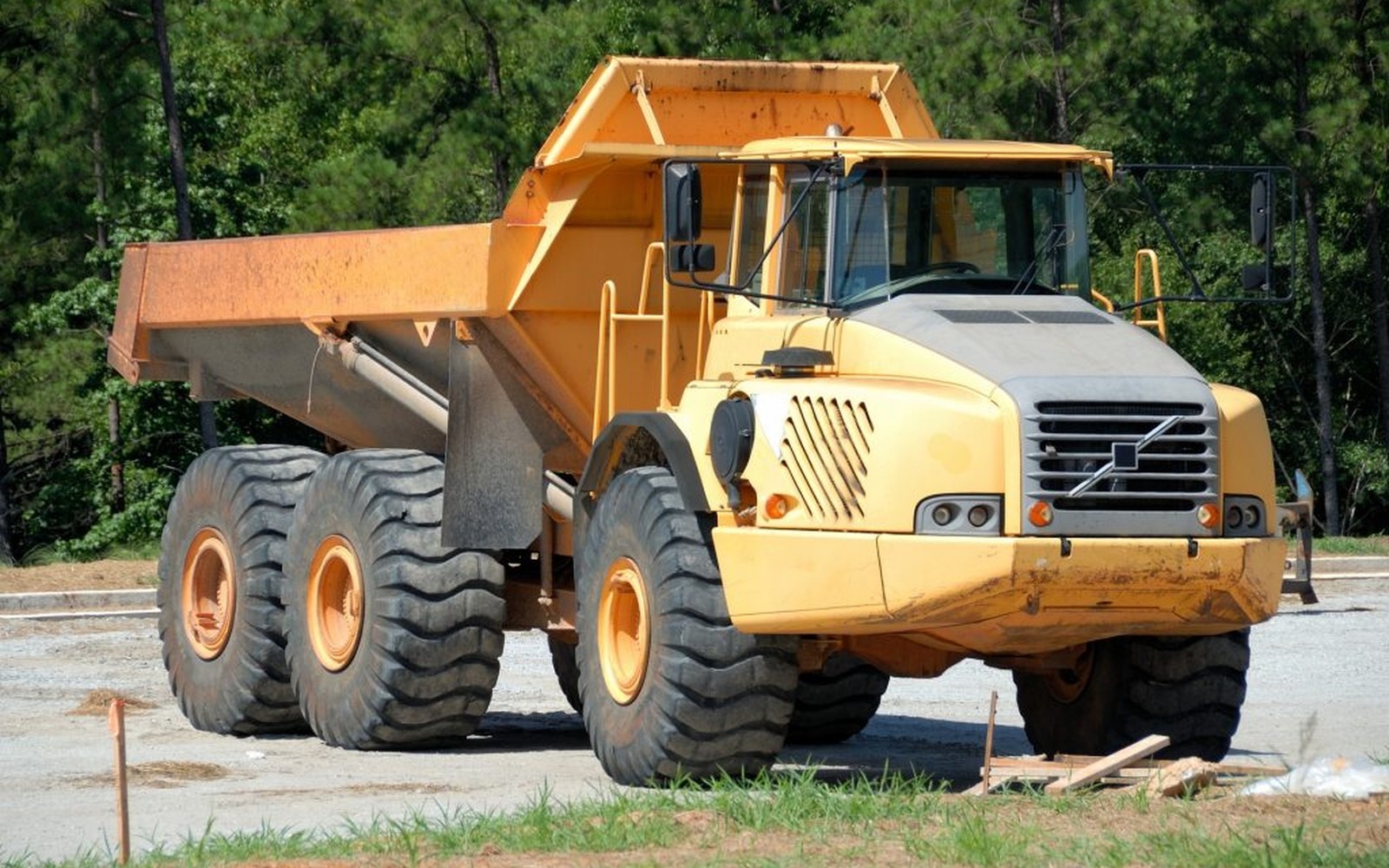
The best equipment deals often come from other operators, not dealers. A contractor downsizing his fleet. A company liquidating after a job wraps. An estate sale on a machine that ran well and sat in a shed for six months. Private party sellers frequently price below dealer retail because they are not carrying overhead, warranty programs, or reconditioning costs. The machine is cheaper. The deal is better. The financing, however, is harder to arrange than people expect.
We specialize in private party equipment financing. The transaction is different from a dealer purchase, but the capital outcome is the same: you get the equipment, the seller gets paid, and we handle the paperwork that makes the lender comfortable. Minimum $50,000. Most private party deals we close run $75,000 to $300,000.
When you buy from a dealer, the lender sends funds directly to a licensed business entity with a dealer license, an established address, and a track record. The title transfer is routine. When you buy from a private party, the lender is funding a transaction between two individuals or businesses without those institutional anchors. That requires more documentation and more verification work.
Here is what changes on a private party deal:
None of this is prohibitive. It is simply more process than a dealer transaction. We manage that process. The buyer finds the machine. We handle the paperwork between the seller, the lender, and the title office.
The same equipment categories that qualify for dealer purchases also qualify for private party financing. Excavators, dozers, semi tractors, trailers, loaders, cranes, and most commercial iron is eligible. The machine must:
Age is a more significant factor in private party deals than in dealer transactions because private sellers are less likely to have service records available and the lender cannot rely on dealer reconditioning. A ten-year-old machine with documented maintenance and evident good condition funds more easily than the same machine with no documentation at all.
Construction contractors buy from each other constantly. Agriculture operations find good deals on tractors, combines, and implements at farm auctions and through private networks. Both groups benefit from private party financing availability.
Your documentation requirements as the buyer are essentially the same as any equipment purchase: completed credit application, three months of business bank statements, and for deals above $400,000, business tax returns. The additional documentation burden falls more on the seller and the transaction itself than on you.
For deals where the seller still has an existing lien on the machine, the lender will coordinate a simultaneous payoff of the old lien and title transfer. The seller does not need to be lien-free before you start the process. The lender handles the sequencing at closing. This is common in private party transactions and is no different from what happens in a normal dealer trade-in situation.
Credit requirements for private party financing are the same as for dealer purchases. Strong credit opens the most options. B and C credit is considered with stronger collateral. For borrowers in that range, see our B/C credit equipment financing page for details on what to expect in that tier.
Private party deals require a bit more coordination time than dealer purchases, but not dramatically more. The inspection or appraisal is the main variable. If the lender requires an in-person third-party inspection, that adds a few days to the timeline. For widely traded equipment with abundant market data, many lenders skip the physical inspection and rely on photos, hours, and market comps instead.
The typical timeline is two to three weeks from application to funding, versus one to two weeks for a dealer purchase. When time is tight because another buyer is interested in the same machine, we prioritize getting the term sheet out fast so you can lock up the deal with a signed agreement. Having your bank statements and application ready before you find the machine you want cuts days off the process.
We serve buyers in active equipment markets including Houston, Denver, Atlanta, and across the country. Private party transactions happen everywhere, and we do not restrict deals to specific geographies.
Send us the equipment details, the asking price, and the seller's contact information. We will run the deal and get you a term sheet fast. Minimum $50,000. Two to three weeks to funding on a private party deal. Apply now and a capital advisor reaches out same day.
These are the underwriting points the desk uses to turn the taxonomy page content into a real cash-out structure.
Machine value, payoff, lien position, hours or mileage, condition, and secondary-market demand.
$50. The available cash is based on verified value minus the existing payoff.
1-2 weeks.
Working capital, down payments, debt cleanup, slow-season coverage, and project mobilization.
Yes, if the machine checks out on title, condition, and value. The source of the listing does not matter to the lender. The title, condition, and value are what matter. We run the verification work regardless of where you found the deal.
The transaction is still doable. The lender coordinates a simultaneous payoff of the seller's existing loan and transfer of the clean title to your name. The seller receives any remaining proceeds after their lien is satisfied. This is a standard structure.
No. Private sellers do not need to be licensed dealers. They need to provide a clean title, execute a bill of sale, and allow the transaction to close through standard title transfer procedures.
Older equipment, especially construction equipment, sometimes has title history gaps. We handle these on a case-by-case basis. Some states have bonded title processes that resolve the issue. Others require a more involved legal process. Apply and we will assess what is possible on the specific machine.
Sometimes marginally, because the lender bears slightly more verification risk. The difference is usually small. The purchase price savings from a private seller typically far outweigh any rate premium on the financing.
Send the machine, payoff, and target cash-out amount. We will review the file and come back with rate, term, payment, and net proceeds.
Tell us what you are buying, who is selling it, and when you need it earning. We will review the file and point you to the next step.