Collateral Reviewed
Crawler Crane Refinancing value, payoff, age, hours or mileage, attachments, condition, and remaining useful life.

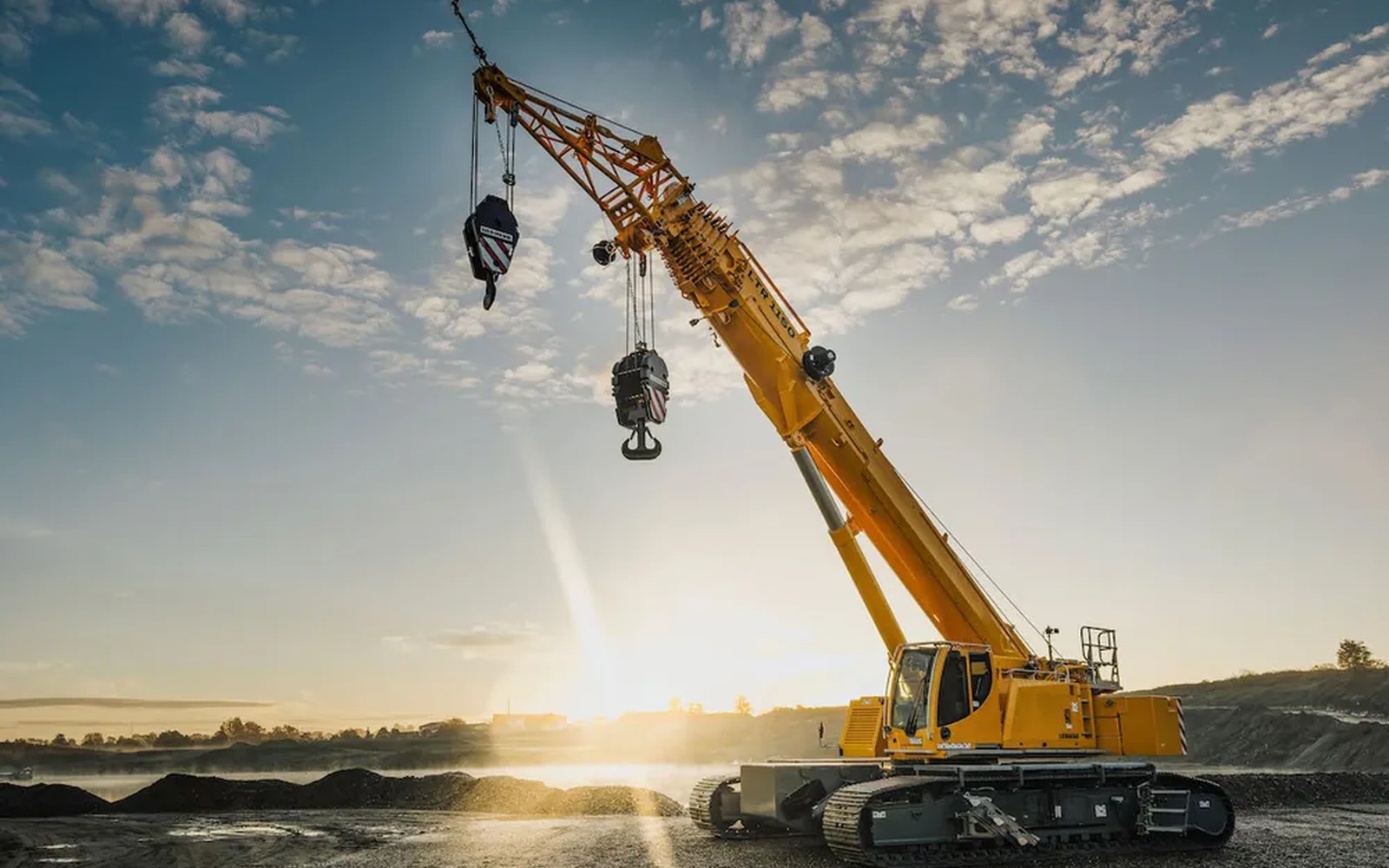
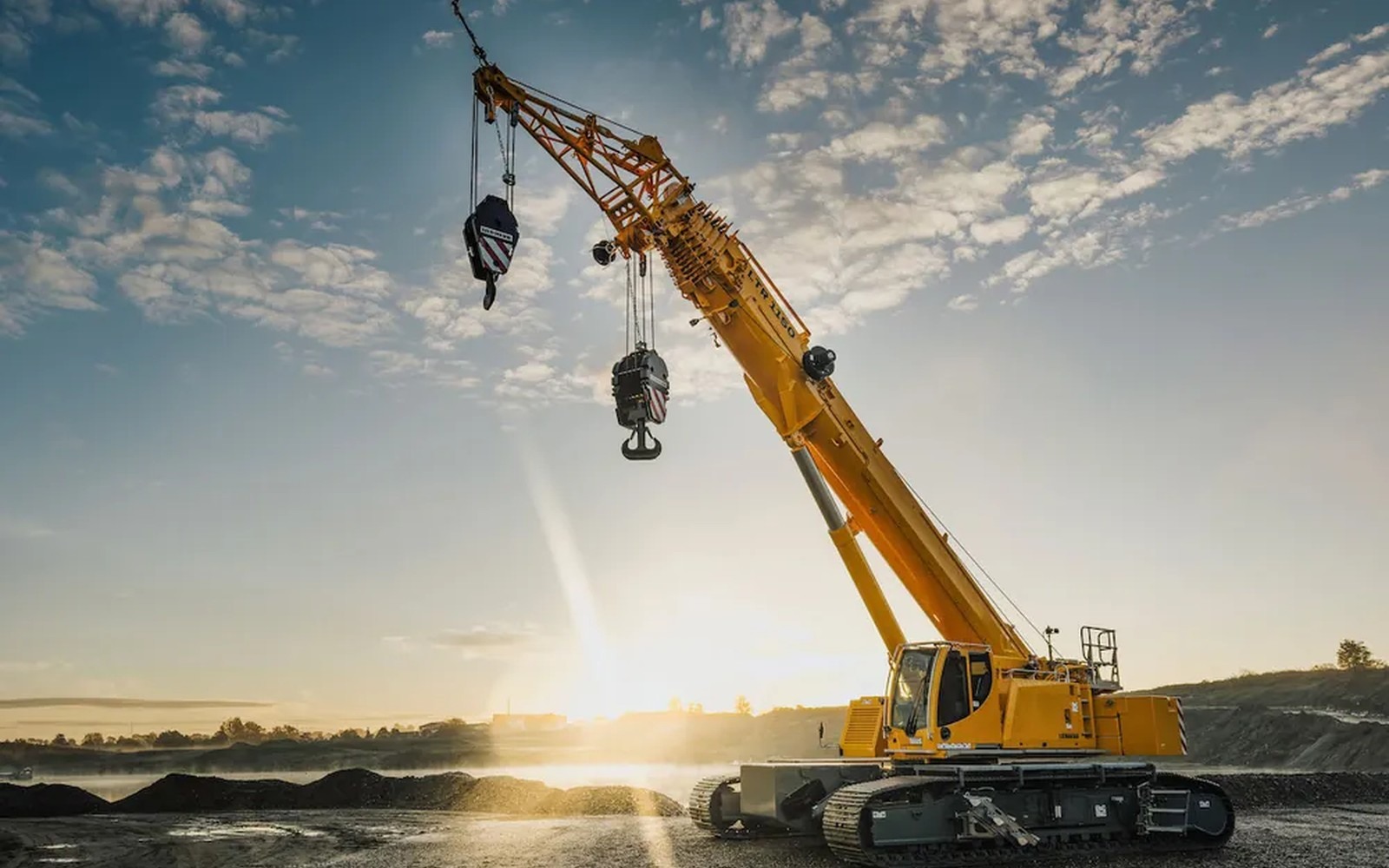
Crawler cranes are the heaviest lifters on any job site and the most expensive per ton in the crane market. A machine in the 100-ton to 400-ton class with a clean history and complete boom inventory can carry $500,000 to several million dollars in market value. That is not a sunk cost. That is a balance sheet asset with equity you can access today without selling the crane or reducing its capacity for the next pick.
We structure crawler crane refinancing as a cash-out loan against the machine's appraised value, paying off any existing lien and wiring the net equity to your operating account. The underwriting is more detailed than for smaller machines because the values are larger, but the process is designed to move fast, not slowly. Funding in one to two weeks from a complete package is the standard, not the exception.
Crawler crane appraisals require specialized knowledge because the machine's value depends on its complete configuration, not just the base unit. A crawler crane without its full lattice boom inventory is worth substantially less than the same machine with all sections present, documented, and in serviceable condition.
Key valuation components:
Brands like Liebherr and Manitowoc hold strong international resale value, which supports lender confidence. The global market for quality crawler cranes means there is always a buyer for a well-documented machine, and that exit gives lenders the confidence to advance at competitive rates.
At the value levels where crawler cranes operate, the difference between a cash-out refinance and an equipment sale-leaseback can be substantial in dollar terms. For a free-and-clear machine appraised at $800,000, the leaseback might return $600,000 to $680,000 upfront. A refinance returns a similar amount but as a loan with the crane as collateral rather than a lease structure.
The accounting treatment differs. A sale-leaseback removes the asset from your balance sheet and replaces the owned equipment with a lease liability, which may improve certain financial ratios. For contractors who bid on DOT or bonded work where balance sheet ratios matter, this distinction is worth running past your accountant before choosing the structure.
What is consistent between both: you keep running the crane throughout the process and after closing. The machine never goes offline. The choice between refinance and leaseback is financial, not operational.
Lifting contractors serving the construction industry in major metros often use crawler crane equity to fund the mobilization costs for the next mega-project, where crane transport, setup, and preliminary rigging can run $100,000 or more before the first lift.
Crawler crane transactions move in the one-to-two-week window like other equipment refinancing, but they require more thorough documentation upfront. The additional prep on the front end keeps the process from stalling mid-underwriting.
What speeds the process:
The biggest delay in crawler crane deals is missing boom section documentation. Operators who have assembled and disassembled the crane multiple times sometimes have incomplete records of which sections are present. Taking inventory before applying saves time mid-deal.
Contractors in markets like Houston and Los Angeles, where large industrial and infrastructure lifts are common, are the most active borrowers in the crawler crane refinancing space. We know the operators in these markets and the documentation standards that move deals through quickly.
Tell us the crane type, tonnage, boom configuration, existing payoff if any, and your capital goal. We size the equity, model the refinance and leaseback options, and put real numbers in front of you without delay. Complete package in, term sheet in days. Funding closes in about two weeks. Start the conversation today.
These are the underwriting points the desk uses to turn the taxonomy page content into a real cash-out structure.
Crawler Crane Refinancing value, payoff, age, hours or mileage, attachments, condition, and remaining useful life.
$500,000. The available cash is based on verified value minus the existing payoff.
One to two weeks.
At the value levels where crawler cranes operate, the difference between a cash-out refinance and an equipment sale-leaseback can be substantial in dollar terms.
Yes. The crane's physical location does not need to match your business state. We document the site location for the lender's records and verify operational control is yours. Out-of-state job sites are common in the crawler crane world and do not complicate the refinancing process.
Yes, disclose it. Engineers who inspected and certified the repaired sections should have issued reports. Bring those reports. A disclosed, certified repair is better than an undisclosed one discovered during underwriting. Lenders in specialized equipment programs evaluate structural repairs on their merits, not as automatic disqualifiers.
Potentially. If the current appraised value supports the advance you need, and the machine is still operational and earning, the refinance can go forward. The lender evaluates current condition, not future rebuild cost. Using the equity proceeds for the rebuild is an accepted use of funds.
The lender files a UCC lien against the machine by serial number, not by location. The crane can move between sites freely. You notify the lender of long-term location changes for insurance and tracking purposes, but routine mobilization is not a lender approval event.
Co-ownership structures require both entities to appear on the application and both to sign loan documents. We have handled co-owned heavy equipment before. Bring the ownership documentation and we will structure accordingly.
Send the machine, payoff, and target cash-out amount. We will review the file and come back with rate, term, payment, and net proceeds.
Tell us what you are buying, who is selling it, and when you need it earning. We will review the file and point you to the next step.