Collateral Reviewed
Machine value, payoff, lien position, hours or mileage, condition, and secondary-market demand.

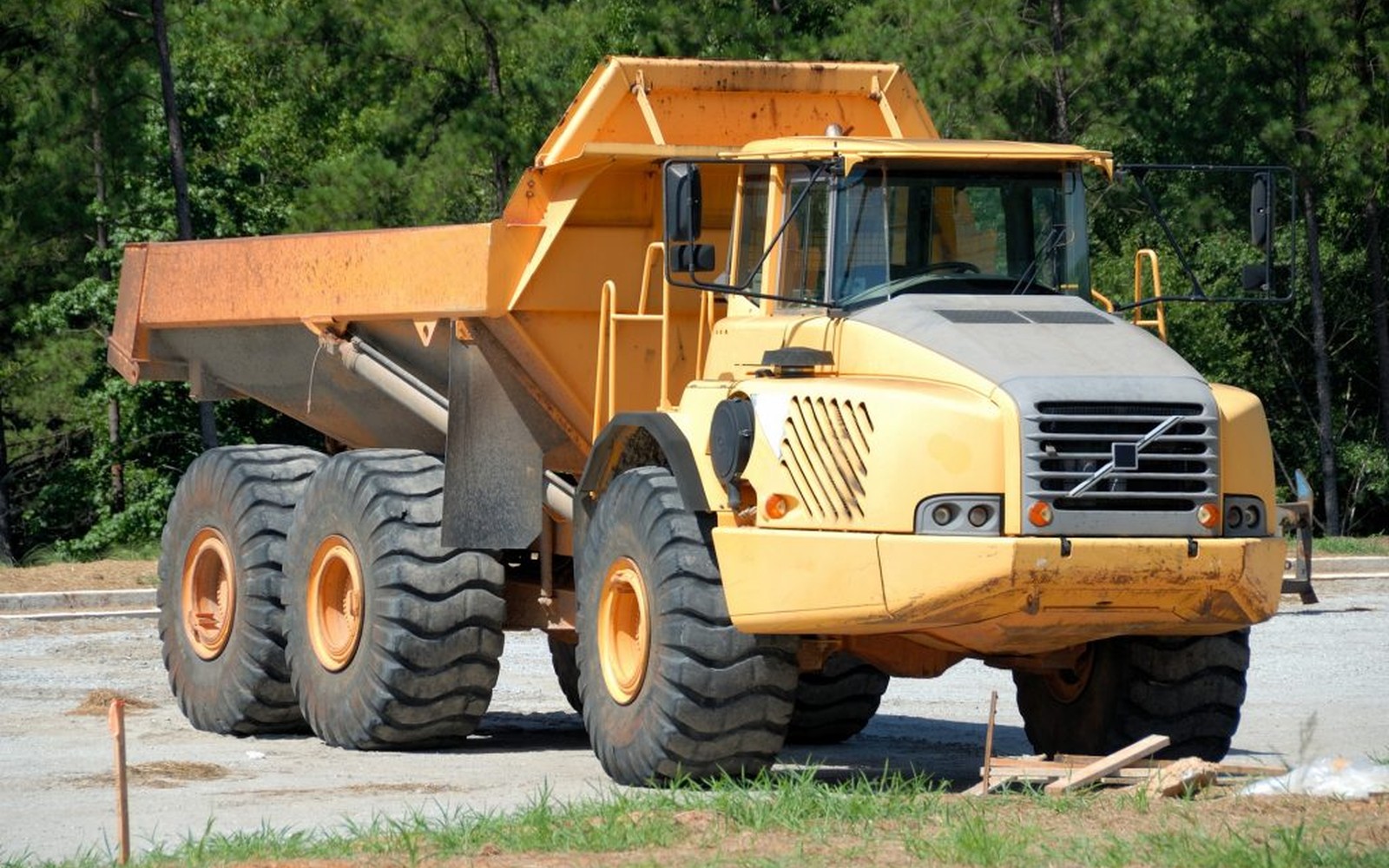
One approval. Multiple draws. That is the equipment line of credit in plain terms. Instead of applying for a new loan every time you add a machine, you establish a credit facility upfront and draw against it as needed. Buy one piece this month, another in three months, a third in six. Each draw uses the same master approval. The capital sits ready. You decide when to use it.
This structure is particularly useful for operators building out a fleet or a shop over time. A contractor scaling from two to five machines over 18 months benefits from a line far more than from a series of one-off loan applications. A manufacturing operation adding equipment to expand production runs better with a line than with repeated applications.
An equipment line of credit is a revolving or non-revolving facility established against your business's creditworthiness. Here is how each structure works:
A revolving line functions like a credit card. You draw, you repay, and the available credit replenishes. Good for businesses that cycle equipment in and out. A non-revolving line, sometimes called a master credit agreement, gives you a total authorization amount. Each draw reduces the available balance permanently. More common for equipment because the assets do not cycle out as quickly as inventory or receivables.
Each draw against the line is structured as a separate mini-loan with its own repayment term tied to the equipment purchased. The master facility sets your maximum authorization. The individual draws determine your actual monthly payment obligations. A $500,000 line with two draws of $150,000 each creates two separate payment streams, not one blended payment.
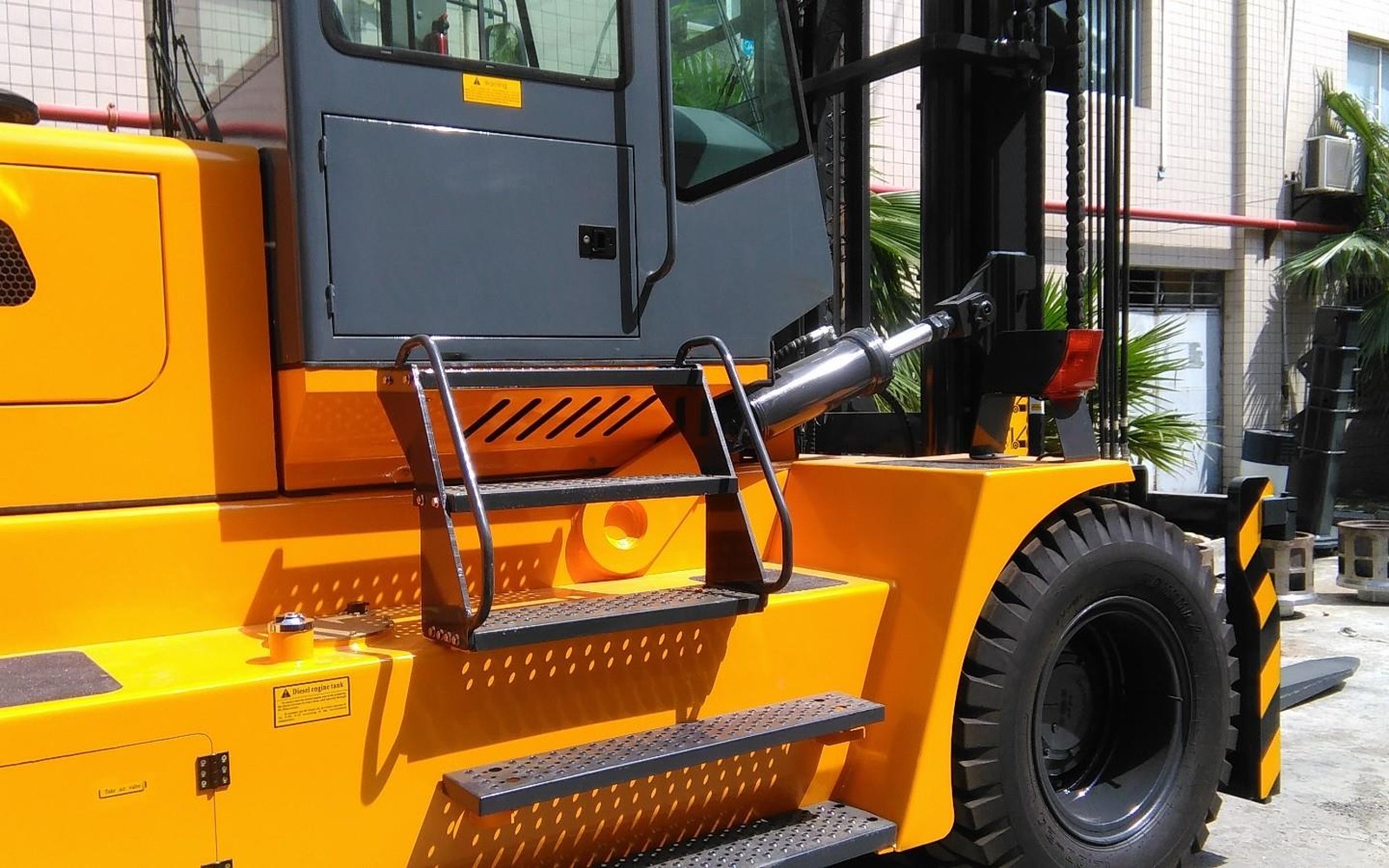
Equipment covered can include forklifts, aerial lifts, loaders, trucks, CNC machinery, and most other commercial assets. The lender specifies which asset types are eligible under the facility during initial approval.
Three buyer profiles come up repeatedly. First is the logistics and warehousing operation that is adding material handling equipment in stages as the facility ramps up. Rather than applying for each forklift individually, they use a line to fund the rollout systematically. Second is the construction company that wins a large project requiring rapid fleet expansion. A line already in place means equipment gets ordered immediately, not after a two-week loan application cycle. Third is the rental company that cycles units in and out frequently and needs a flexible facility that matches the pace of the business.
Equipment lines also make sense for CNC machine shops that add capacity incrementally. Each new machine is a separate draw from the facility, structured over the appropriate term for that machine's expected life. The shop maintains its master credit relationship rather than shopping for a new lender with each purchase.
Equipment lines require a stronger credit profile than a single equipment loan because the commitment is larger and the lender's exposure extends across multiple draws over time. Typical requirements:
The total line size depends on creditworthiness and revenue. A line of $200,000 to $500,000 is common for mid-size operations. Larger lines are available for established businesses with stronger financials. Documentation requirements for an equipment line go beyond a simple application: expect to provide tax returns, financial statements, and bank statements as part of the initial approval.
For borrowers who do not yet qualify for a line, starting with a single equipment loan and building the track record is the right path. A clean 12 to 18 months of payment history on a standard equipment loan often positions a business well for line approval on the next cycle.
The comparison is really about flexibility versus simplicity. An individual equipment loan is clean and predictable. One machine, one loan, one payment, one term. A line of credit introduces more structure upfront but saves significant time and administrative work over the life of the facility if you are making multiple purchases.
The break-even point is typically around the third purchase. If you are buying three or more pieces of equipment over an 18-to-24-month period, the line pays for itself in time saved and consistency of terms. If you buy equipment once every few years, individual loans make more sense.
Also consider working capital versus equipment financing when deciding what kind of facility to establish. A general working capital line may be more flexible than an equipment-specific line if the business needs capital for purposes beyond equipment purchases. The two types of facilities are not mutually exclusive and many operators carry both.
If you already have equipment with equity in it, a cash-out refinance may also create the pool of capital you need without the overhead of establishing a new credit line.
Tell us your fleet expansion plan, your current credit profile, and the types of equipment you expect to purchase. We will structure the right facility for your business and come back with terms. Minimum draw size $50,000. Apply now and a capital advisor reaches out same day.
These are the underwriting points the desk uses to turn the taxonomy page content into a real cash-out structure.
Machine value, payoff, lien position, hours or mileage, condition, and secondary-market demand.
$500,000. The available cash is based on verified value minus the existing payoff.
Same day.
Three buyer profiles come up repeatedly.
Generally no. Equipment lines are designed for new acquisitions. Refinancing existing equipment is handled through a separate refinancing transaction. Some lenders will combine both in a master facility, but that is the exception.
Most equipment lines have an availability period of 12 to 24 months, during which you can draw funds. After that period, any unused availability typically expires. The drawn balances continue to repay over their individual terms.
Often yes. A commitment fee or unused line fee is common. This fee is typically a small percentage of the undrawn balance. It compensates the lender for holding the capital available. Ask about commitment fees before accepting a facility.
Most equipment line facilities accommodate both new and used purchases, subject to the lender's collateral guidelines. Used equipment draws often have lower maximum loan-to-value ratios than new equipment draws from the same facility.
Strong A credit in the 680-plus range makes facility approval straightforward. Upper B credit sometimes qualifies but with more restrictive terms and a lower facility amount. Sub-620 credit profiles are unlikely to qualify for a line. Start with individual loans and build the track record first.
Send the machine, payoff, and target cash-out amount. We will review the file and come back with rate, term, payment, and net proceeds.
Tell us what you are buying, who is selling it, and when you need it earning. We will review the file and point you to the next step.