Collateral Reviewed
Machine value, payoff, lien position, hours or mileage, condition, and secondary-market demand.

Two pots of capital. Different costs. Different speeds. Different use cases. Pulling the wrong one can cost you thousands in unnecessary interest or leave you unable to cover the thing the money was actually for. The choice between working capital and equipment financing comes down to what you are buying and how long you need the money.
The short version: use equipment financing to buy a machine, because the machine secures the loan and keeps the rate low. Use working capital for everything else: payroll gaps, material costs, bid bonds, insurance, fuel. Mixing the two, specifically buying equipment with a working capital loan, almost always costs more than it should and ties up a working capital line you might need later for operational expenses.
Equipment financing is secured by the asset. The machine is the collateral. Because the lender can repossess and liquidate the collateral if the borrower defaults, the risk is lower and the rate reflects that. An equipment loan at 6 to 9 percent is not uncommon for well-qualified borrowers. The term can run 24 to 84 months depending on the equipment type and the deal structure.
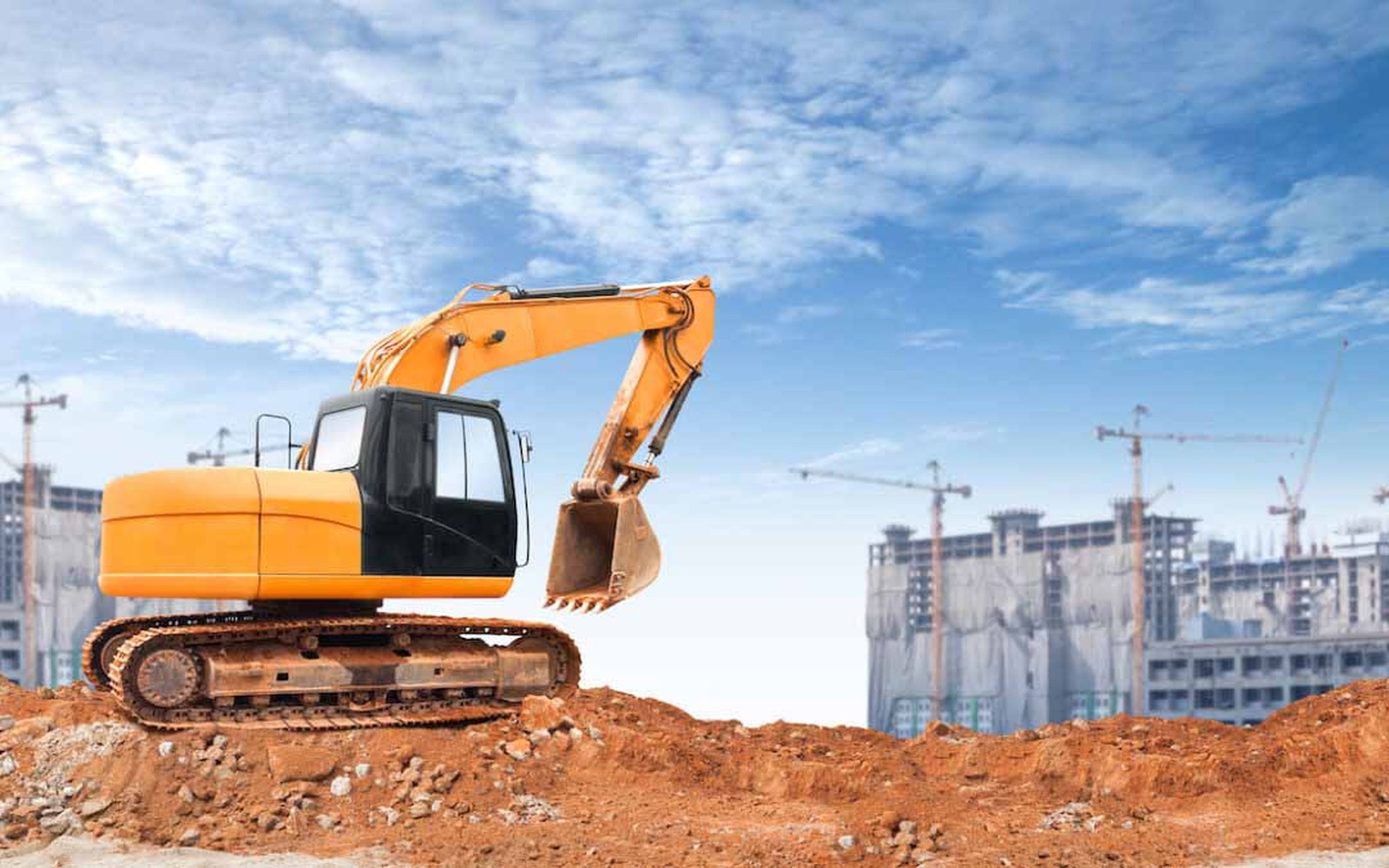
Equipment loans also typically carry much higher amounts than working capital products. Borrowing $150,000 to $500,000 for a piece of iron is standard. That loan is structured specifically to match the asset: the term aligns with the machine's useful life, and the payment is predictable. A construction contractor financing a new excavator wants a 60-month loan with a fixed payment, not a short-term working capital product at a high rate that comes due in 12 months.
The other key feature of equipment financing is that the proceeds are tied to the asset. You cannot use an equipment loan to cover payroll. The lender pays the dealer or prior lender directly. That structure keeps the capital use clean and the lender's collateral position clear.
Working capital loans and lines of credit are designed for operational needs, not asset purchases. The capital is flexible because it is not tied to specific collateral. That flexibility costs money. Working capital rates are almost always higher than equipment financing rates on equivalent credit quality. Short-term working capital products (merchant cash advances, factoring, 12-month business loans) can carry effective rates well above prime.
The term on working capital is also shorter. A working capital loan might run 12 to 36 months. That keeps the monthly payment high relative to the loan amount. Useful for bridging a short-term cash flow gap. Not useful for funding something you will be paying off over five years.
Working capital is the right tool when the need is genuinely short-term or operational: covering a payables gap while waiting on a receivable, funding materials for a job that will be billed in 90 days, carrying payroll through a slow month. Trucking operators sometimes use working capital to cover fuel costs between invoice payments from brokers. Excavation contractors use it to fund a mobilization before the first draw on a job comes in.
The decision tree is straightforward:
The scenario where people get in trouble is buying equipment with a working capital loan because they could not qualify for traditional equipment financing. A $120,000 machine funded with a 12-month working capital product at 24 percent creates a crushing monthly payment. Even if the deal is fundable as equipment financing at 9 percent over 60 months, the buyer chose the wrong tool because it was easier to access. We have taken over and refinanced several of these situations into proper equipment loans and materially improved the monthly cash flow in the process.
The separation between equipment financing and working capital is not arbitrary. It reflects different risk profiles. An equipment loan has identifiable, seizeable collateral. A working capital loan is often unsecured or backed only by a general lien on business assets. That difference drives everything: underwriting, rates, terms, and how quickly the lender moves when a deal goes wrong.
From the borrower's side, the separation is also about matching the cost of capital to the duration of the benefit. A machine you run for ten years should not be financed with 12-month money. That mismatch costs you in rate, in cash flow pressure, and in the risk of needing to refinance before the asset has generated enough return. Get the tool right for what you are trying to accomplish.
If you are in Houston or Dallas and trying to decide which structure fits a specific situation, call us directly. We will tell you what makes sense on your actual numbers rather than guessing at a general answer.
Describe the situation: what you are trying to buy or fund, how long you need the capital, and what your current equipment looks like. We will tell you whether equipment financing, a cash-out refi, or a working capital product serves you best. Minimum equipment deal $50,000. Apply now.
These are the underwriting points the desk uses to turn the taxonomy page content into a real cash-out structure.
Machine value, payoff, lien position, hours or mileage, condition, and secondary-market demand.
$150,000. The available cash is based on verified value minus the existing payoff.
Two weeks.
The decision tree is straightforward: Buying a machine?
You can, but it will cost significantly more than equipment financing. If you need capital in a genuine emergency and cannot wait two weeks for an equipment loan, working capital may bridge the gap. Plan to refinance into a proper equipment loan as soon as you can.
It can. Working capital loans show up as debt on your credit report and affect your debt-to-income ratios. A large working capital balance can make an equipment lender less comfortable, particularly if the working capital is at a high rate and the payment is eating into your monthly cash flow.
Bundling equipment purchase and working capital into a single loan blurs the collateral picture and often results in a blended rate that is higher than a pure equipment loan would be. It can be convenient, but run the math on the total cost before you agree.
Yes, often at a much better rate. If you have equity in existing equipment, a cash-out refinance unlocks that capital at equipment-secured rates, which are typically lower than unsecured working capital products. This is one of the most common uses we see for cash-out refinancing.
Add up the proposed monthly payments for both obligations. If that total is comfortably below 30 to 40 percent of your average monthly gross revenue, the debt service is generally manageable. We can run this analysis as part of reviewing your application.
Send the machine, payoff, and target cash-out amount. We will review the file and come back with rate, term, payment, and net proceeds.
Tell us what you are buying, who is selling it, and when you need it earning. We will review the file and point you to the next step.