Collateral Reviewed
Revenue-producing equipment already working in the operation, with payoff and current value documented.

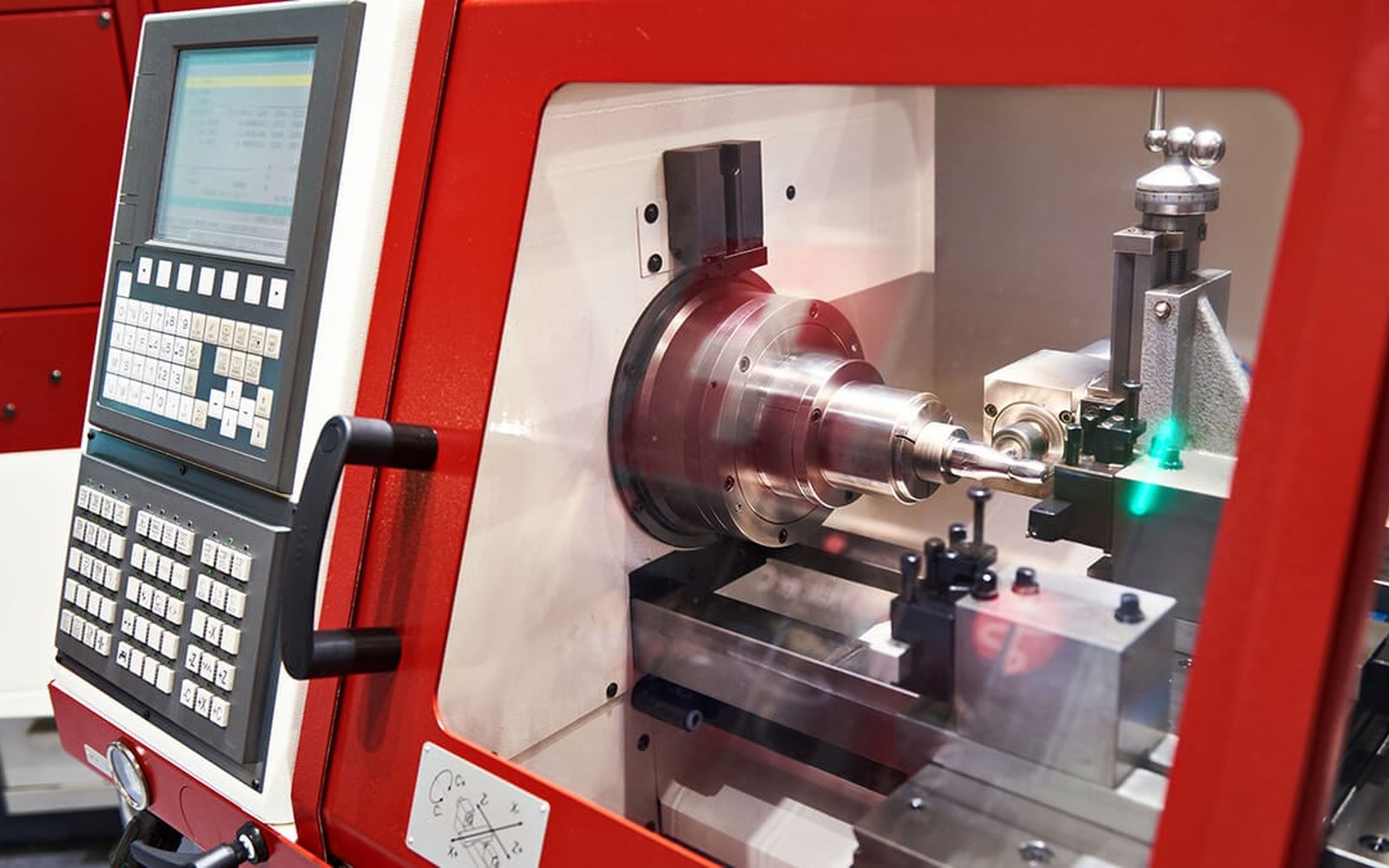
The machines on your shop floor are your most valuable assets. A paid-down Haas VF-2 or a Mazak turning center a few years into the note is sitting on equity you could be using for the next fixturing program, the next materials buy, or the next machine acquisition. That is cash locked in a lien position rather than generating returns in your operating account.
We structure cash-out refinancing specifically for CNC machine shops and precision machining operations. The transaction is simple: we place a lien on the machine, pay off any existing balance, and wire the net proceeds to you. The spindle keeps running. You get the capital.
Minimum transaction is $50,000. Application-only processing is available up to roughly $400,000 without requiring tax returns. Funding from a complete file runs about one to two weeks.
CNC machine shops run a range of equipment that all qualifies for collateral-based financing. The primary categories:
The Fanuc and Siemens CNC control systems that power most of this equipment are widely supported and understood by secondary market buyers, which strengthens the collateral value compared to proprietary or older control systems.
Precision machine shops carry a unique financial profile. Equipment investment per employee is high. Margins are often tight, squeezed between competitive quoting and rising material costs. And the work pipeline requires capital commitment, tooling, fixturing, programming time, and raw material, well before any invoice goes out.
The result is that most shops are simultaneously asset-rich and cash-constrained. The machines on the floor are worth more than the bank account reflects. Refinancing bridges that gap without requiring outside investors, without triggering a facility refinancing, and without competing for a bank line of credit that may not exist for a small precision shop.
CNC job shops in contract machining corridors including Indianapolis, Cleveland, and Greenville, South Carolina use this structure to fund new contracts before the first shipment bills.
The application is quick. Provide the machine details: builder, model, year, control type, approximate hours, and any existing payoff. Three months of business bank statements round out the documentation for transactions under $400,000.
We pull secondary market comps for your specific machine configuration. Haas and Mazak equipment, for example, has robust auction and dealer transaction history that makes valuation straightforward. We issue a term sheet showing the loan amount available, the rate, the term, and the monthly payment. If the terms work, you sign and we fund.
The application-only structure is what makes this practical for a busy shop owner. No two years of tax returns, no waiting on an accountant to compile packages. The machine and your bank statements tell the story. Above $400,000, we will want financial statements, but even that process is efficient.
The machine shop owners who get the most out of this program share a few characteristics. They have machines that are two or more years into the original note, or machines purchased outright that have appreciated or held value in the secondary market. They have a clear use for the capital: a new contract, a tooling investment, or the down payment on the next machine.
This is also particularly useful for shops that are transitioning from job shop work to program work. Landing a multi-year manufacturing program often requires capital investment in fixturing, gauging, and inventory that does not show up in the quote until the contract is signed. Pulling equity from existing machines bridges that gap.
For machine shop owners who want to compare this to an equipment line of credit, see equipment line of credit options and working capital versus equipment financing for context on how the structures differ.
Give us the machine list, payoffs, and what you need the capital for. We come back with a real term sheet, not a range, the same day you apply.
These are the underwriting points the desk uses to turn the taxonomy page content into a real cash-out structure.
Revenue-producing equipment already working in the operation, with payoff and current value documented.
$50. The available cash is based on verified value minus the existing payoff.
One to two weeks.
Give us the machine list, payoffs, and what you need the capital for.
Yes. A paid-off machine is actually the cleanest refinancing scenario: there is no existing lien to pay off, and the full loan amount comes to you as proceeds. We value the machine based on current market comps and structure a loan against that value. The four-year age on a Haas is well within range for a normal refinancing term.
Swiss-type turning machines from builders like Citizen, Tsugami, Star, and Tornos do have active secondary markets, though smaller than the VMC market. We evaluate them based on available comps. Recent vintage, good condition, and active utilization all support the valuation. It is not a standard transaction, but it is not unusual for us either.
Proceeds are unrestricted. Tooling, fixturing, programming time, materials, payroll for new hires, or any other business use is fine. The loan is secured by the machine but the cash is yours to deploy as the business requires.
A 620 score is in the B credit range and we work with that profile regularly. The machine's value and your cash flow as shown by bank statements carry significant weight. We have structured transactions for shops with scores in the low 600s when the collateral and revenue picture are solid.
We are a specialty lender focused on equipment. We typically move faster than a commercial bank, require less documentation for transactions under $400,000, and have underwriters who understand CNC equipment values. A conventional bank may offer better rates if the full relationship makes sense, but we fill the gap when the timeline is tight or the credit profile is outside their box.
Send the machine, payoff, and target cash-out amount. We will review the file and come back with rate, term, payment, and net proceeds.
Tell us what you are buying, who is selling it, and when you need it earning. We will review the file and point you to the next step.