Collateral Reviewed
Aerial Lift Refinancing value, payoff, age, hours or mileage, attachments, condition, and remaining useful life.

Aerial work platforms earn revenue by the day, and operators who own rather than rent hold equity that grows with every payment made. A single boom lift or a scissor lift fleet with paid-down notes represents capital that can be moved. The cash-out refinance on aerial lifts is the mechanism, and we handle it from $50,000 up, which covers individual platform refinancing or small fleet transactions.
Whether you own articulating boom lifts, straight-stick boom lifts, scissor lifts, or a mix, the refinancing process is straightforward. Tell us what you have, what you owe, and what you need the money for. We come back with a real number and a clear structure. Funding is typically in hand within two weeks.
The aerial lift market spans multiple industries and the refinancing need shows up across all of them.
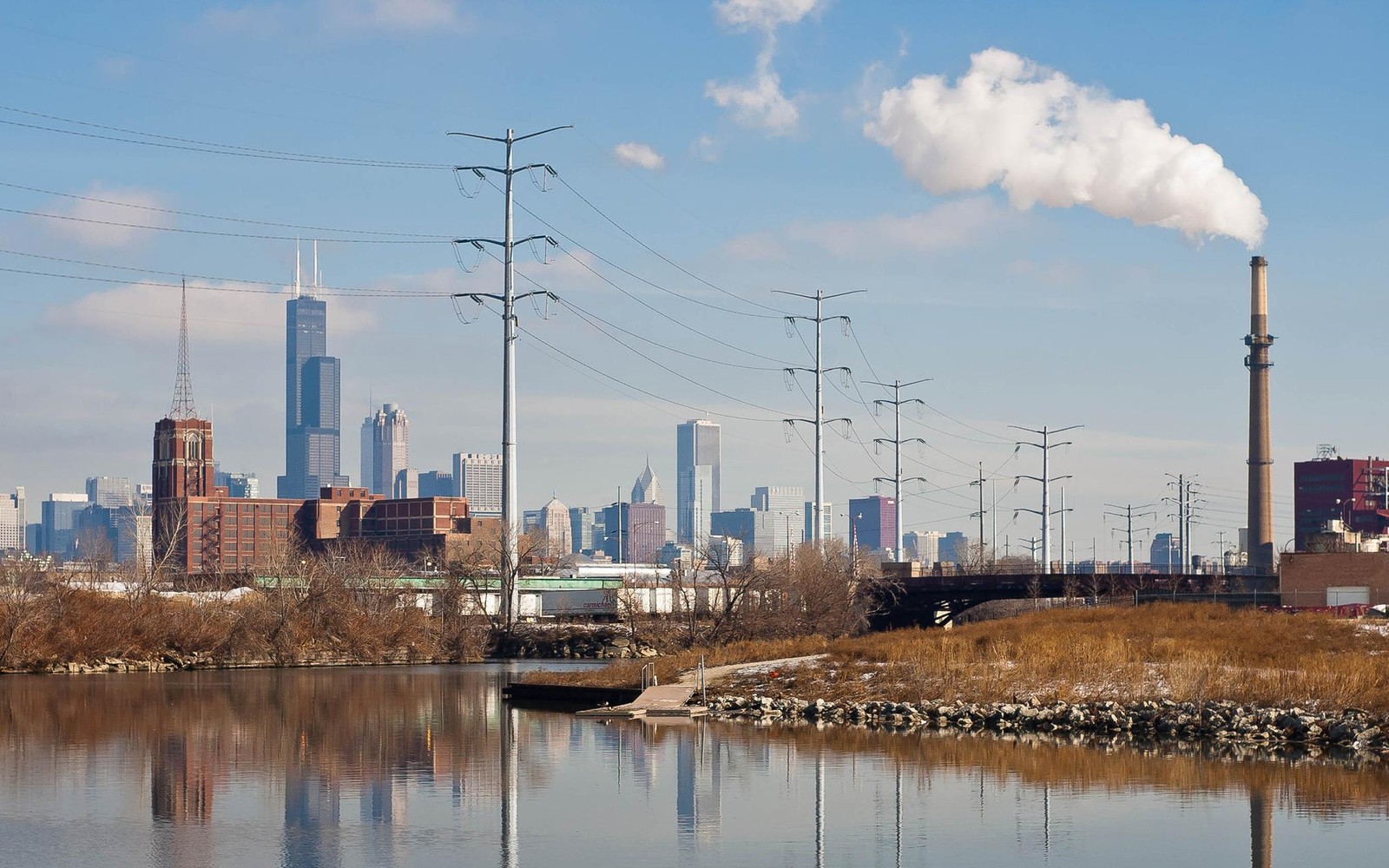
Active construction markets in Miami, Chicago, and Seattle keep aerial lift utilization high, supporting the resale values that make refinancing viable.
Both platform types refinance well, but they appraise differently and attract different advance rates due to their resale market characteristics.
Scissor lifts are commodity machines in the equipment rental market. A Genie GS or JLG 3246 scissor lift has deep resale demand and lenders know the book value with precision. Advance rates on clean, working-condition scissor lifts are generally strong. The limiting factor on scissor lift refinancing is often the per-unit value: small electric units may not support the $50,000 minimum individually, requiring a fleet bundle.
Boom lifts, particularly articulating booms in the 60-foot to 135-foot range, carry significantly higher per-unit values and refinance more easily on a standalone basis. A well-maintained Genie Z-60/37 or JLG 600S in good condition can support a transaction costing on the order of $35k to $75k per unit, and a fleet of four or five such machines easily meets the minimum.
For both types, the key condition factors are: platform tilt function, drive function and four-wheel drive engagement if equipped, boom or scissor hydraulic operation without abnormal leaks, outrigger or leveling function, and current annual inspection status under ANSI A92 standards.
Many operators bundle their lifts with a telehandler or other material-handling equipment in a single fleet refinance transaction.
Aerial lift refinancing uses the same documentation framework as other equipment finance. Most transactions fall within the application-only financing range, meaning the application and three months of bank statements drive the decision without tax returns.
What to prepare:
Credit requirements are flexible. We look at B and C credit on aerial lift refinancing. The B/C credit track evaluates machine value, time in business, and revenue consistency alongside the credit score. A rental company with steady monthly revenue and a few equipment loans that got stretched during a slow cycle is a good candidate even if the credit profile is not perfect.
Aerial lift deals costing on the order of $50k to $200k move quickly, often faster than larger construction equipment because the machines are commodity items with well-established book values. A four-unit scissor lift fleet with current inspections, clear serial numbers, and a clean lien history can close in seven to ten business days from a complete submission.
Larger fleet transactions require more coordination but still target the two-week window. The preparation that shortens the process the most:
The faster you move the package, the faster we move the capital. Aerial lift deals do not drag unless the documentation is incomplete.
List out your platform fleet, let us know what you owe on each unit, and tell us how much capital you are looking to move. We build the structure around your specific machines and your specific number. Short application, three months of bank statements, real advance amount in return. Funding in about two weeks. Get started today.
These are the underwriting points the desk uses to turn the taxonomy page content into a real cash-out structure.
Aerial Lift Refinancing value, payoff, age, hours or mileage, attachments, condition, and remaining useful life.
$50,000. The available cash is based on verified value minus the existing payoff.
Two weeks.
Working capital, down payments, debt cleanup, slow-season coverage, and project mobilization.
Our minimum transaction is $50,000. A single low-value scissor lift typically does not qualify alone. If you own three or four units, bundling them into a fleet transaction reaches the minimum easily. If the combined fleet value supports the minimum, we can structure the refinance across all units.
Rental income can strengthen the underwriting file because it shows the lifts are earning, not sitting idle. The key is that you retain ownership and control of the equipment. Third-party rentals under short-term agreements are acceptable. Long-term leases that transfer effective control to the renter may require additional documentation.
Lapsed inspections reduce the machines' apparent operational readiness and can lower the appraisal. Schedule the inspections before applying if possible. If they cannot be scheduled immediately, disclose the status upfront. Lenders evaluate the full picture; a minor lapse on machines that are functionally working is less serious than a machine with known safety violations.
Yes. Proceeds from an equipment refinance are unrestricted. A down payment on a telehandler, an outright cash purchase, working capital, or anything else your business needs is an accepted use. There is no lender approval required for how you deploy the cash.
Bankruptcy auction purchases can result in clean title if the trustee issued a court-approved bill of sale that conveys title free of the debtor's liens. Bring that documentation with the application. We run a title search to confirm the status before proceeding to underwriting.
Send the machine, payoff, and target cash-out amount. We will review the file and come back with rate, term, payment, and net proceeds.
Tell us what you are buying, who is selling it, and when you need it earning. We will review the file and point you to the next step.