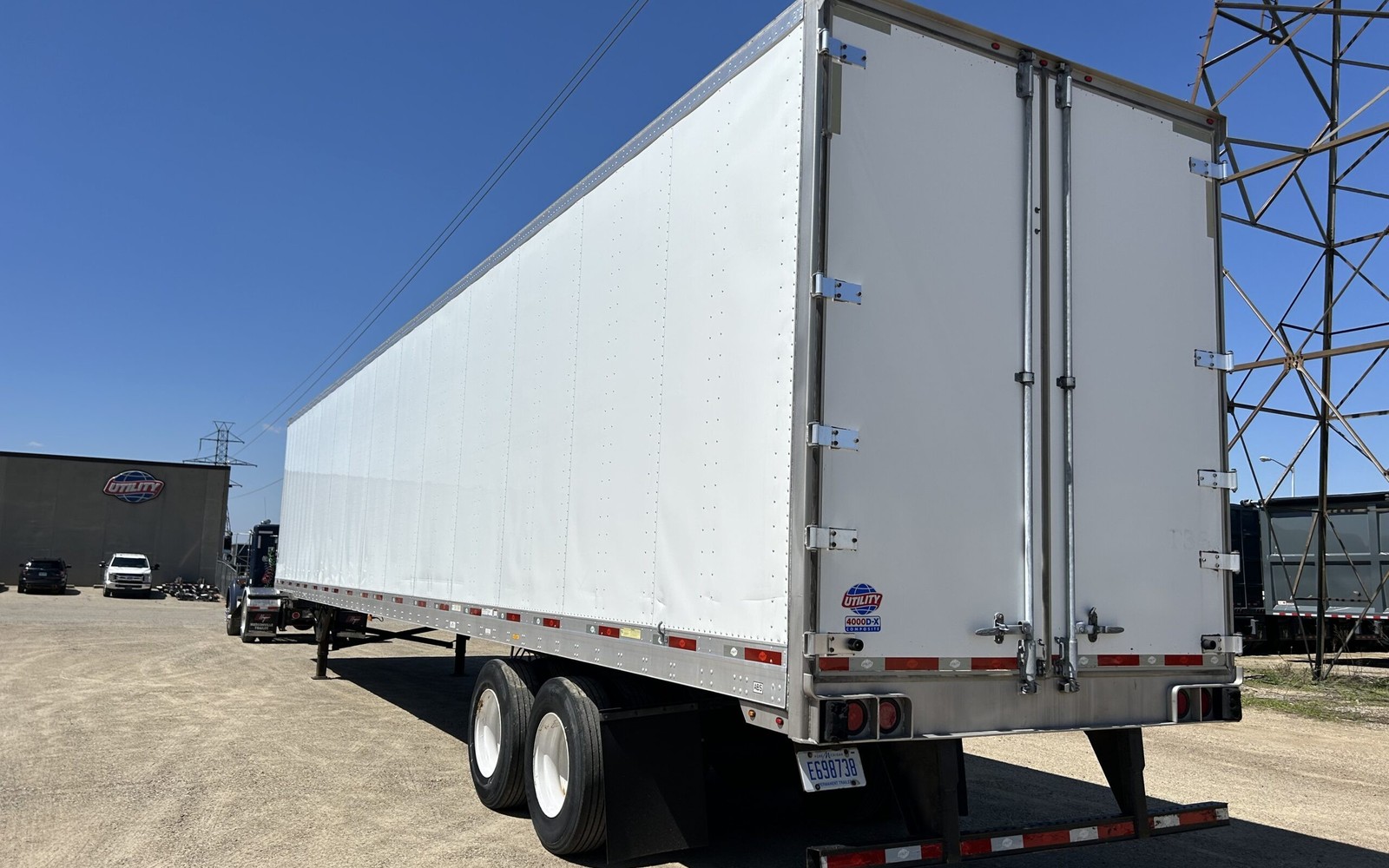
Collateral Reviewed
Revenue-producing equipment already working in the operation, with payoff and current value documented.

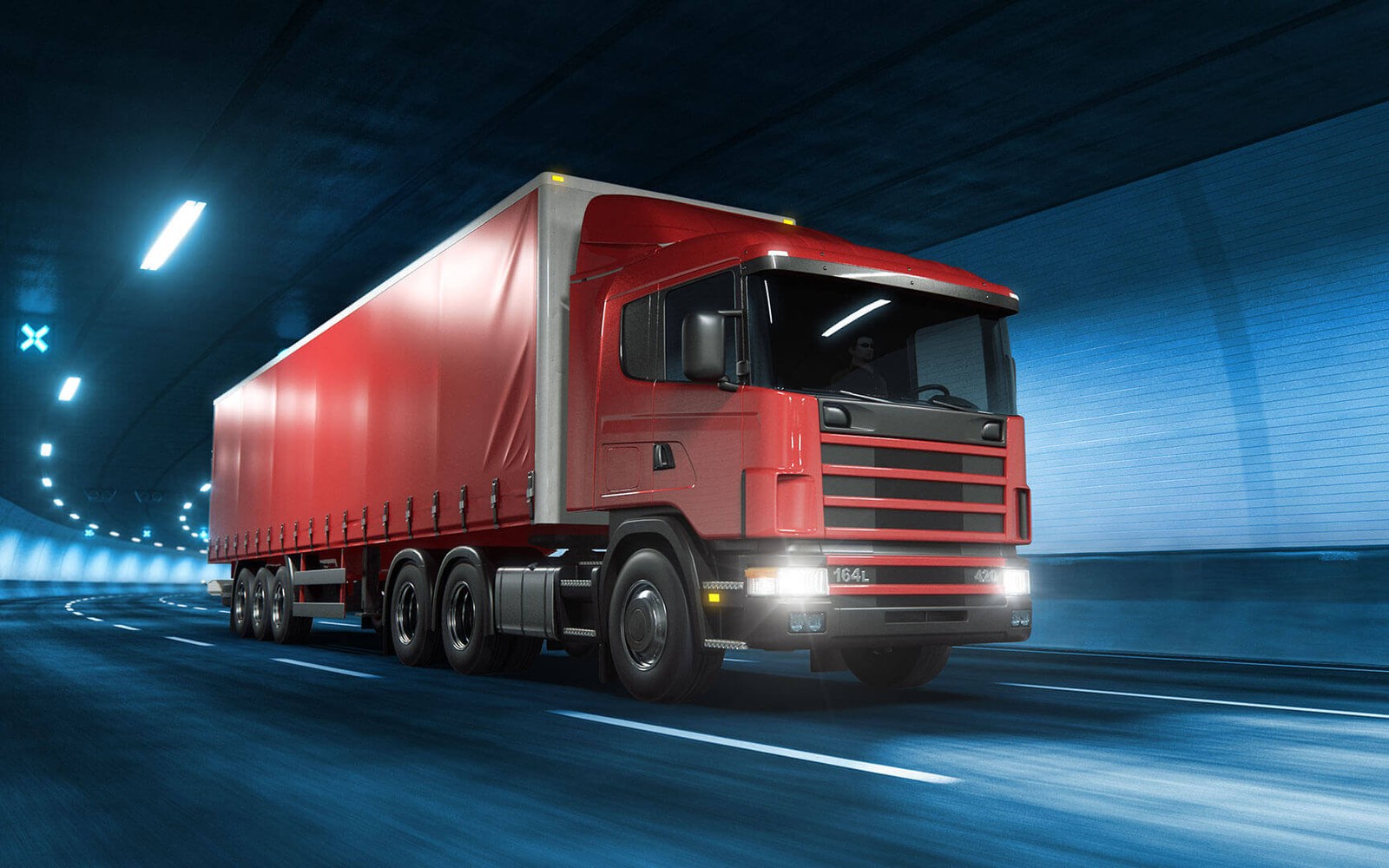
You own one truck. That truck is your business, your income, and your largest asset. If you have been paying on it for two or three years, or if you own it outright, there is equity in that iron that you can access without selling it and without parking it.
Cash-out equipment refinancing for owner-operators works the same way it does for fleets, just on a single-unit basis. We lend against the truck, you receive cash in hand, and you keep driving. The minimum is $50,000, so the transaction works when the truck has enough value to support that amount.
Owner-operators use this capital for a second truck, trailer acquisition, repairs on the current unit, coverage during slow freight weeks, or simply to stop carrying high-cost factoring debt on every invoice. The use is yours to decide.
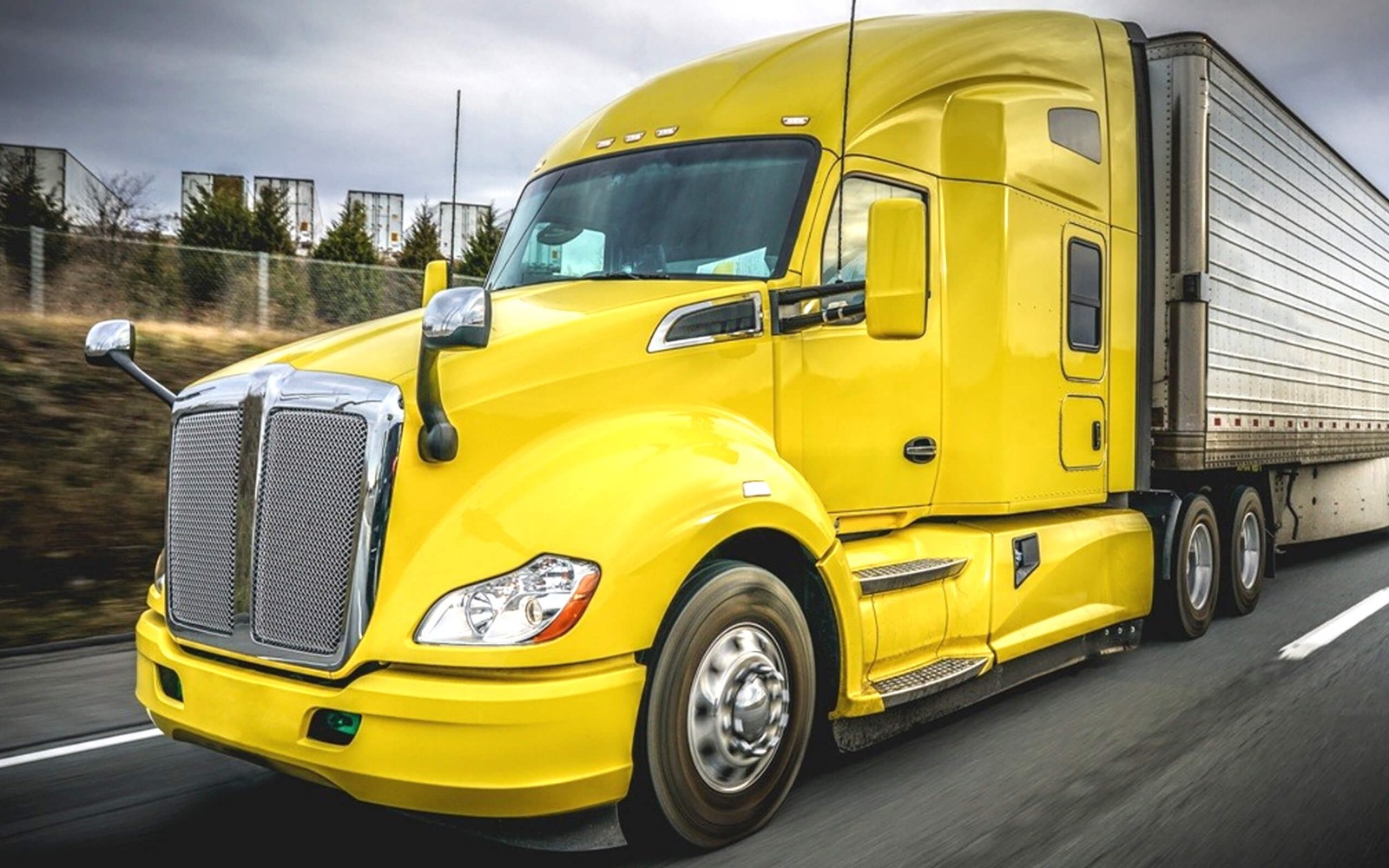
Owner-operators typically run one of three configurations: sleeper cab tractor, day cab tractor, or a tractor-trailer combination. All three qualify for refinancing depending on value and equity position.
The key question in every case is market value versus remaining debt. We pull comps for your exact year, make, model, and mileage range and tell you the honest number before you commit to anything.
The process is straightforward. You fill out the application and provide three months of your business bank statements. If you operate as a sole proprietor, that may mean personal bank statements with business transactions. You give us the truck details: year, make, model, VIN, mileage, and current payoff if there is a lien on it.
We pull market comps, assess the collateral, and come back with a term sheet showing the loan amount, rate, term, and monthly payment. If it works for you, we send loan documents and wire the proceeds at closing. Most owner-operator transactions close in seven to fourteen days.
If you are running under a permanent or temporary lease arrangement with a carrier, we may need to understand how that affects the title and lien position. Most lease-to-own arrangements qualify if the operator controls the title.
A few specific situations where owner-operators get the most out of refinancing:
Buying a second truck. The path from one truck to two is the hardest step. You need a down payment, and most lenders want to see at least that. Pulling equity from the first truck funds the down payment on the second without depleting your operating account.
Getting off factoring. If you factor your invoices to cover fuel and living expenses while waiting on broker payment, you are paying a fee on every load. Cash from your equipment gives you a float that makes factoring optional instead of necessary.
Major repair or engine rebuild. A truck that needs a $40,000 engine rebuild is not generating revenue while it sits. If the machine has equity, a refinancing can fund the repair and get you back on the road faster than waiting for cash to accumulate from other loads.
Owner-operators running out of Salt Lake City, Oklahoma City, and Columbus use this structure for all three of those situations regularly.
Owner-operators' credit files reflect the realities of independent trucking: variable income, personal and business mixed on the same tax return for sole proprietors, and sometimes a prior lien from a truck that got repossessed or voluntarily surrendered during a bad freight stretch.
We work with B and C credit. The B/C credit equipment financing program is not a teaser product. It is designed for operators who have real cash flow and real collateral but whose credit score does not reflect the current picture of their business.
What we look for: consistent bank deposits over three months that demonstrate active hauling income, a truck with clear or encumbered title where equity exists, and no current state of default on the unit being refinanced. Prior credit issues are not an automatic disqualifier.
Tell us the year, make, model, mileage, and approximate payoff. We will come back with real numbers fast. Most owner-operators hear from us the same day they apply.
These are the underwriting points the desk uses to turn the taxonomy page content into a real cash-out structure.
Revenue-producing equipment already working in the operation, with payoff and current value documented.
$50,000,. The available cash is based on verified value minus the existing payoff.
Same day.
The process is straightforward.
For a free-and-clear truck, the loan amount depends on the current fair market value and our loan-to-value guidelines. For a well-maintained late-model sleeper in a strong market, you might access 60 to 70 percent of the market value as a loan. We run the comps and give you the honest number before anything is committed.
It depends on the structure of the lease and who holds the title. If you own the truck under a lease-purchase arrangement and the title is in your name or will transfer to you, refinancing is generally possible. If the carrier holds the title, the options are more limited. Tell us your exact situation and we will assess it.
Yes. That is a standard refinancing scenario. We pay off the existing loan and replace it with a new term. If the new rate is lower or the term is longer, your monthly payment drops. If the truck has equity above the payoff, you also receive cash proceeds at closing.
We use wholesale auction data, dealer-listed comps, and published market guides for your specific year, make, model, and approximate mileage range. We do not use book value alone because actual secondary market prices often differ meaningfully from published depreciation tables.
A separate business account is ideal and strengthens the application, but we work with operators who run through personal accounts when they are sole proprietors. The bank statement review is about demonstrating consistent freight income, and those deposits are visible regardless of account type.
Send the machine, payoff, and target cash-out amount. We will review the file and come back with rate, term, payment, and net proceeds.
Tell us what you are buying, who is selling it, and when you need it earning. We will review the file and point you to the next step.