Collateral Reviewed
Machine value, payoff, lien position, hours or mileage, condition, and secondary-market demand.

Credit score is one data point. It is not the whole story. A contractor who had a rough two years, worked through it, and now has active jobs and a machine worth financing is a fundable deal at the right lender. A low credit number from a business that has turned the corner can still access capital. It costs more. The terms are tighter. But the path exists.
We arrange equipment financing for borrowers across the credit spectrum, including those with scores below 600, recent late payments, prior collections, or even a discharge that has seasoned. The asset secures the loan. When the collateral is real and the business is generating revenue, there is often a lender willing to make the deal. Our job is to find that lender and structure the file to give it the best possible chance.
Bad credit in equipment financing is broadly defined as credit scores below 600, though some lenders draw the line at 620 or 580 depending on the equipment type and transaction size. The specific profile that funds most consistently:
We also look at what caused the credit damage. Medical debt, a prior business that closed, or a divorce that ran through personal finances are different from habitual non-payment. Lenders who work in this space are experienced at reading the story behind the score. A well-presented file with a clear explanation goes further than the number alone.
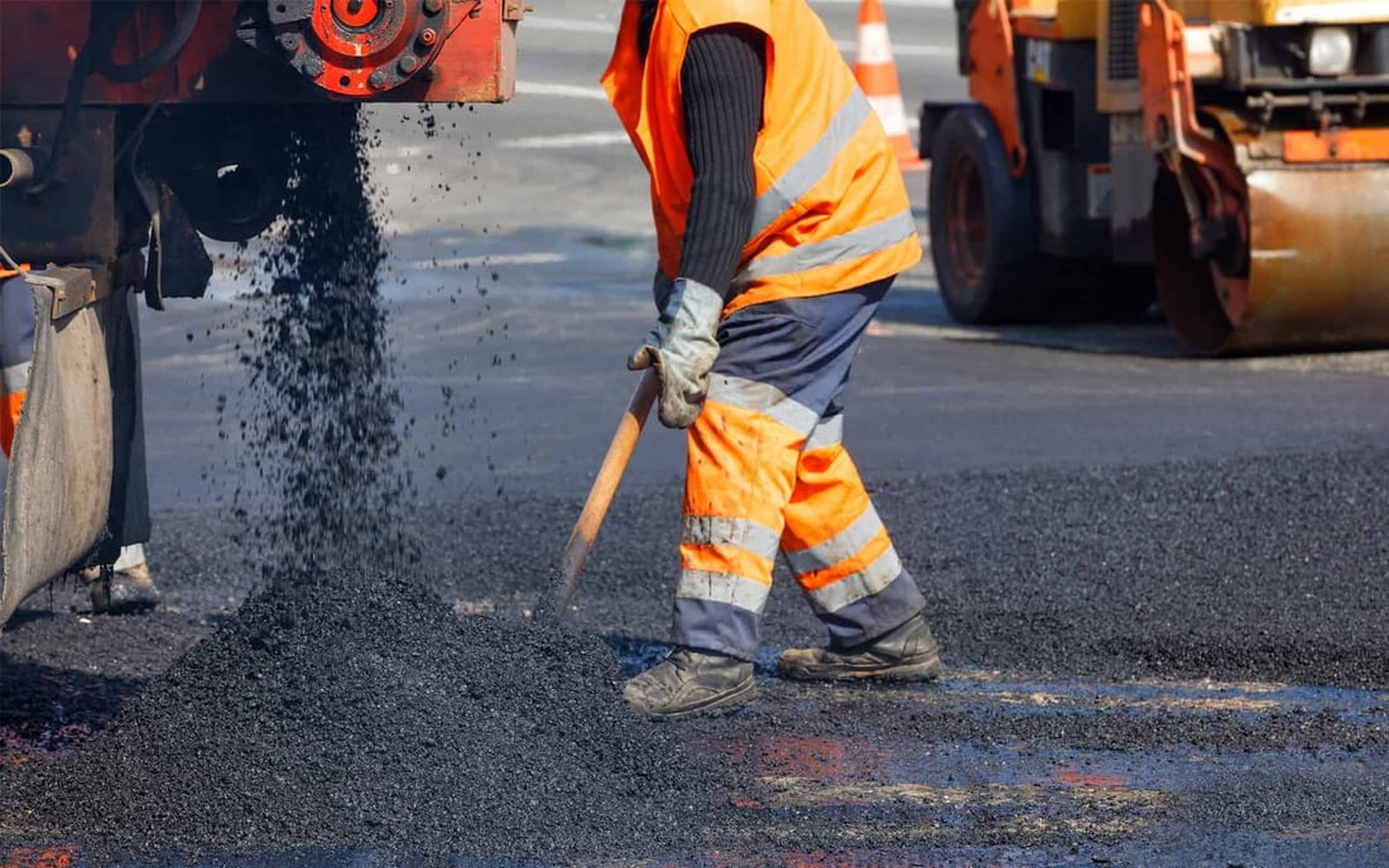
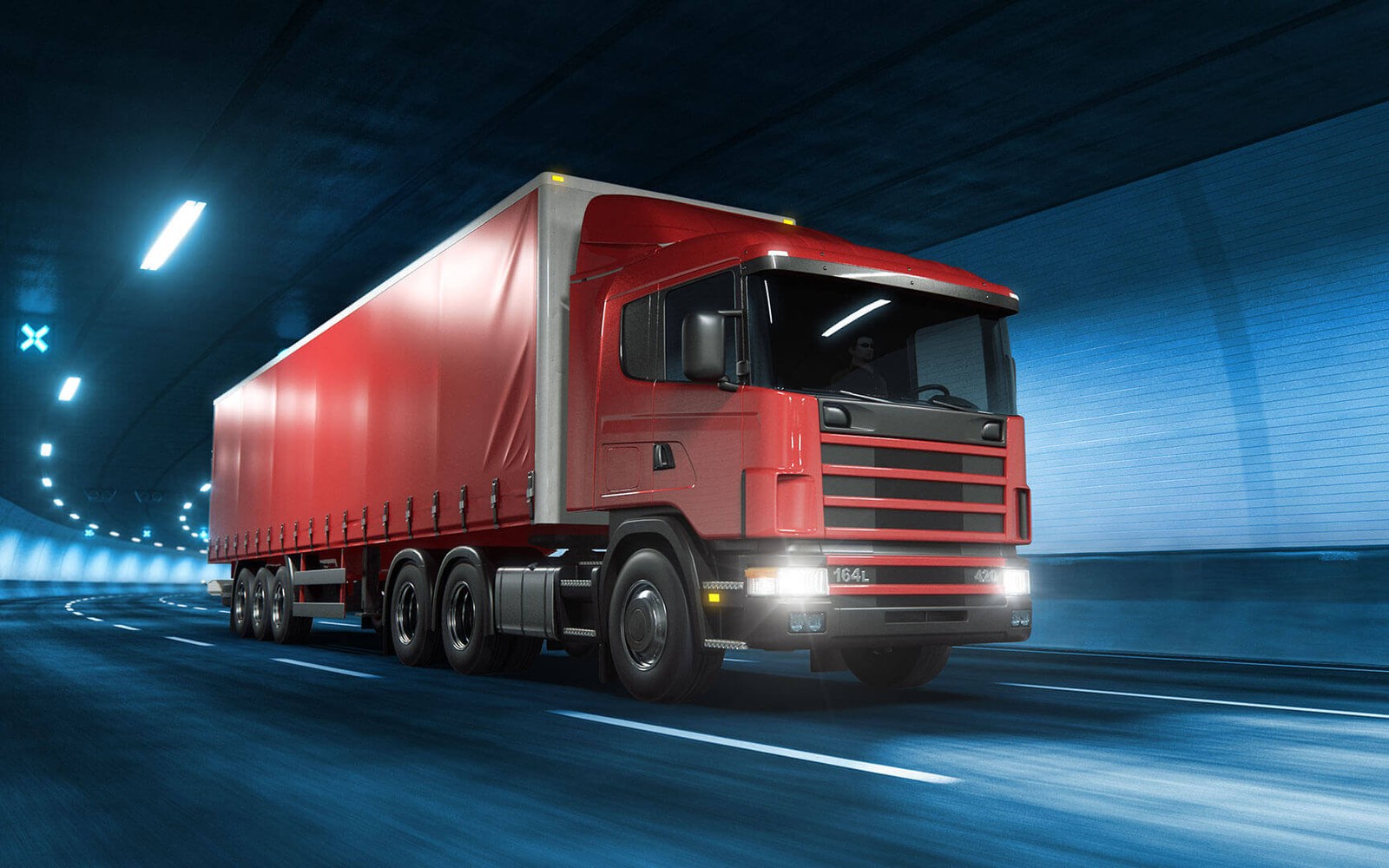
Construction contractors and Owner-Operator Truckers are the most common borrowers we work with in this segment. These are industries where income is lumpy, emergencies happen, and business credit can take hits that personal credit history does not reflect.
The rate is higher. That is the honest answer. Lenders who accept elevated credit risk price for it. Rates in this tier can run meaningfully above prime, and down payment requirements are higher than standard programs. The specific numbers depend on how low the score is, what the credit issues were, how old they are, the equipment type, and the overall strength of the file.
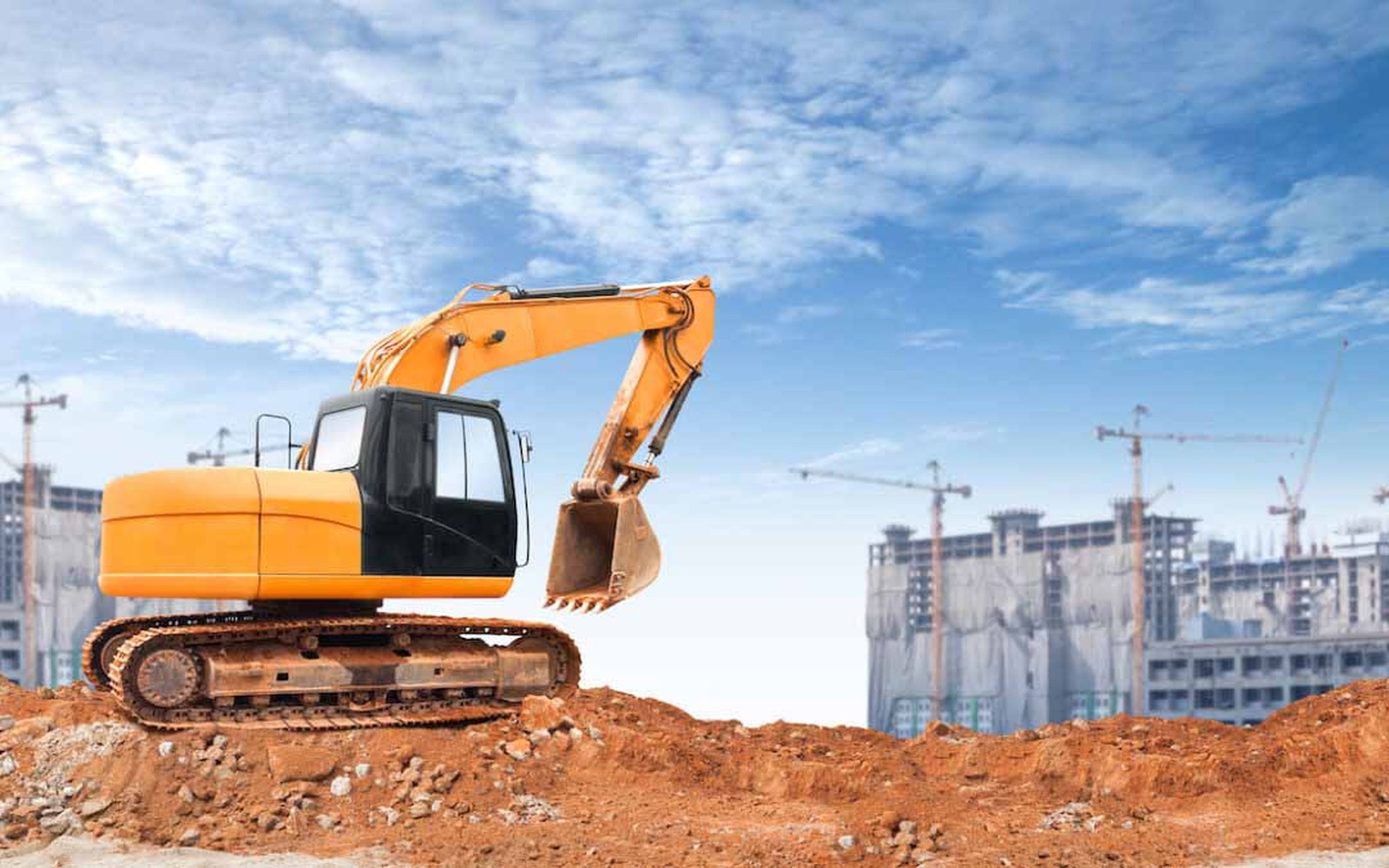
The equipment itself matters a lot. Financing a well-maintained excavator with 3,000 hours and a $120,000 market value through a bad-credit program is a fundable scenario. Financing an obscure specialty machine with limited resale activity at below-market pricing is harder, even with clean credit. The asset has to carry the deal when the credit cannot.
Term lengths in bad credit programs often run shorter than standard programs. A lender who might do 72 months on a clean file may cap at 48 months on a challenged one. The shorter term raises the monthly payment but reduces the lender's duration risk. Budget accordingly when you are evaluating the monthly cost of the loan.
When credit is the weak spot, everything else in the file needs to be strong. Here is what helps:
We do not require perfection. We require enough to tell a coherent story to the lender. The application is not just a form submission. It is a presentation of the deal, and a deal that is well-presented has a better outcome than the same deal presented poorly.
For borrowers who are not quite at the bad-credit threshold but still dealing with credit challenges, see our B/C credit equipment financing page for programs specific to that tier. And for those who are exploring whether a refinance rather than a new purchase makes more sense given the current credit profile, equipment refinancing can sometimes be structured more favorably when existing collateral is involved.
Traditional banks are the wrong place to apply with challenged credit. Bank underwriting has strict score cutoffs and automated credit decisioning that kills applications before a human ever sees them. The lenders who specialize in B, C, and D credit equipment deals are typically non-bank specialty finance companies and asset-based lenders who evaluate deals rather than running applications through a scoring algorithm.
Access to those lenders is the core value of working with us. We maintain active relationships with lenders across the credit spectrum. A deal that bounces out of a bank in 48 hours sometimes closes in two weeks when we route it correctly. Houston, Dallas, and Phoenix have active heavy equipment markets where we close deals in this credit tier regularly.
These are the underwriting points the desk uses to turn the taxonomy page content into a real cash-out structure.
Machine value, payoff, lien position, hours or mileage, condition, and secondary-market demand.
$120,000. The available cash is based on verified value minus the existing payoff.
Two weeks.
Working capital, down payments, debt cleanup, slow-season coverage, and project mobilization.
We do not publish a hard floor because the deal depends on more than the score. We have funded borrowers below 550 when the collateral was strong, the down payment was substantial, and the business showed consistent revenue. Apply and we will tell you specifically what is available on your file.
A single hard inquiry has a minor short-term effect on most scores. We try to limit pulls by shopping the deal to multiple lenders simultaneously rather than having each one run their own inquiry.
Generally yes. A 20 to 30 percent down payment reduces the lender's risk and makes the deal more fundable at challenged credit tiers. A larger down payment can sometimes offset a worse credit score in the lender's evaluation.
A recent bankruptcy is a significant obstacle. A discharge that has seasoned for two years or more is often not a deal-killer when the business has recovered and shows strong bank activity. The age and type of bankruptcy matter as much as the fact of it.
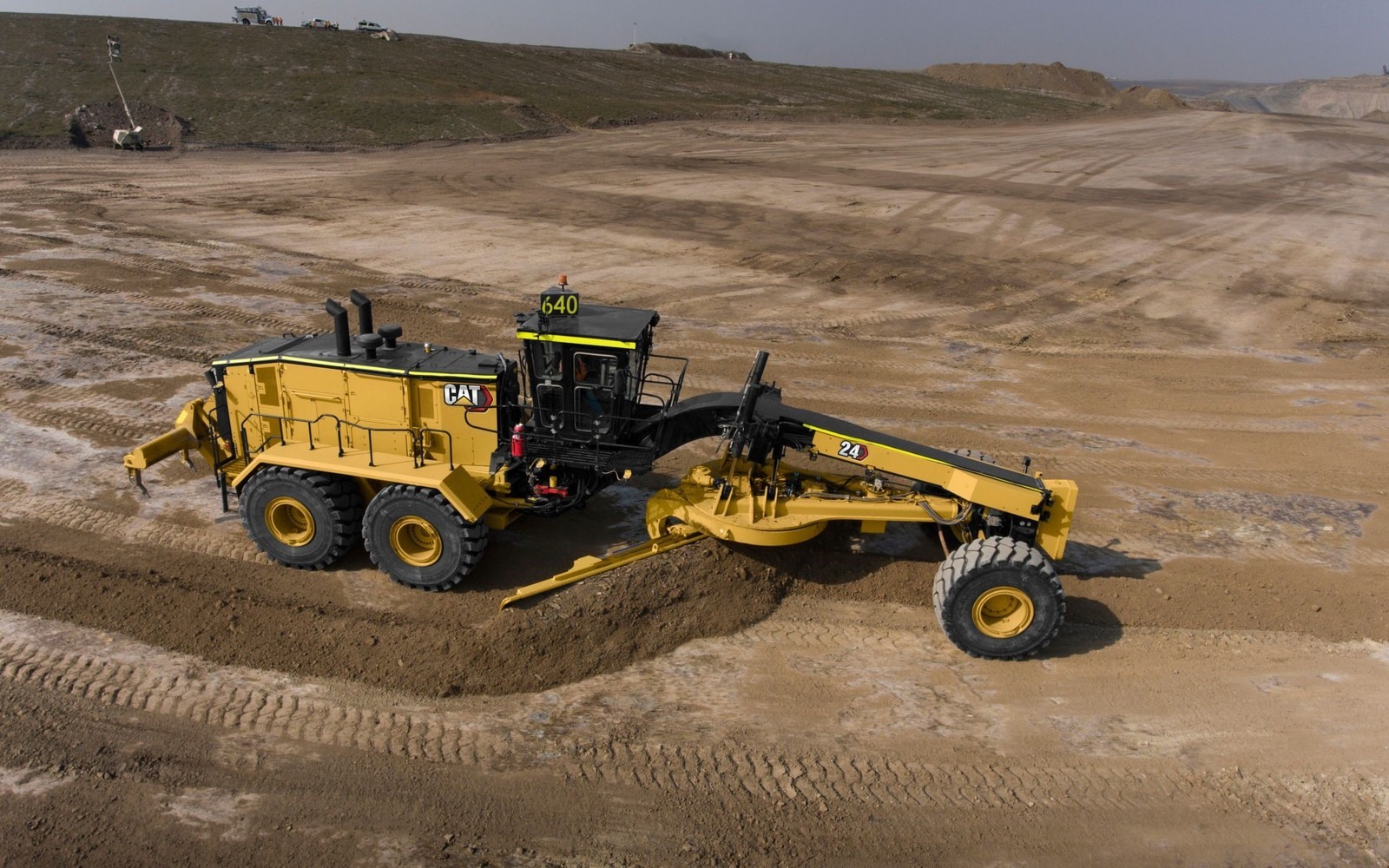
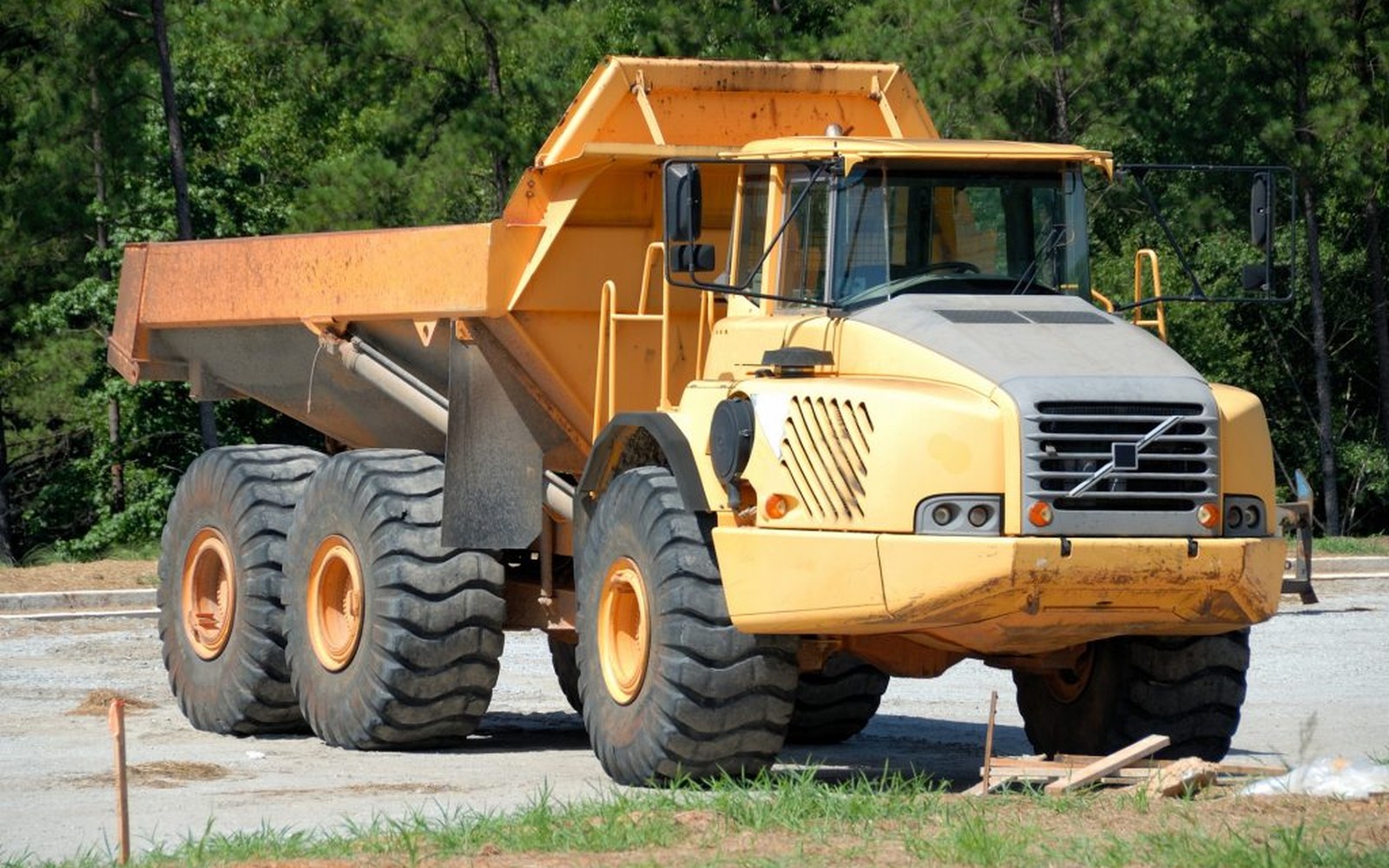
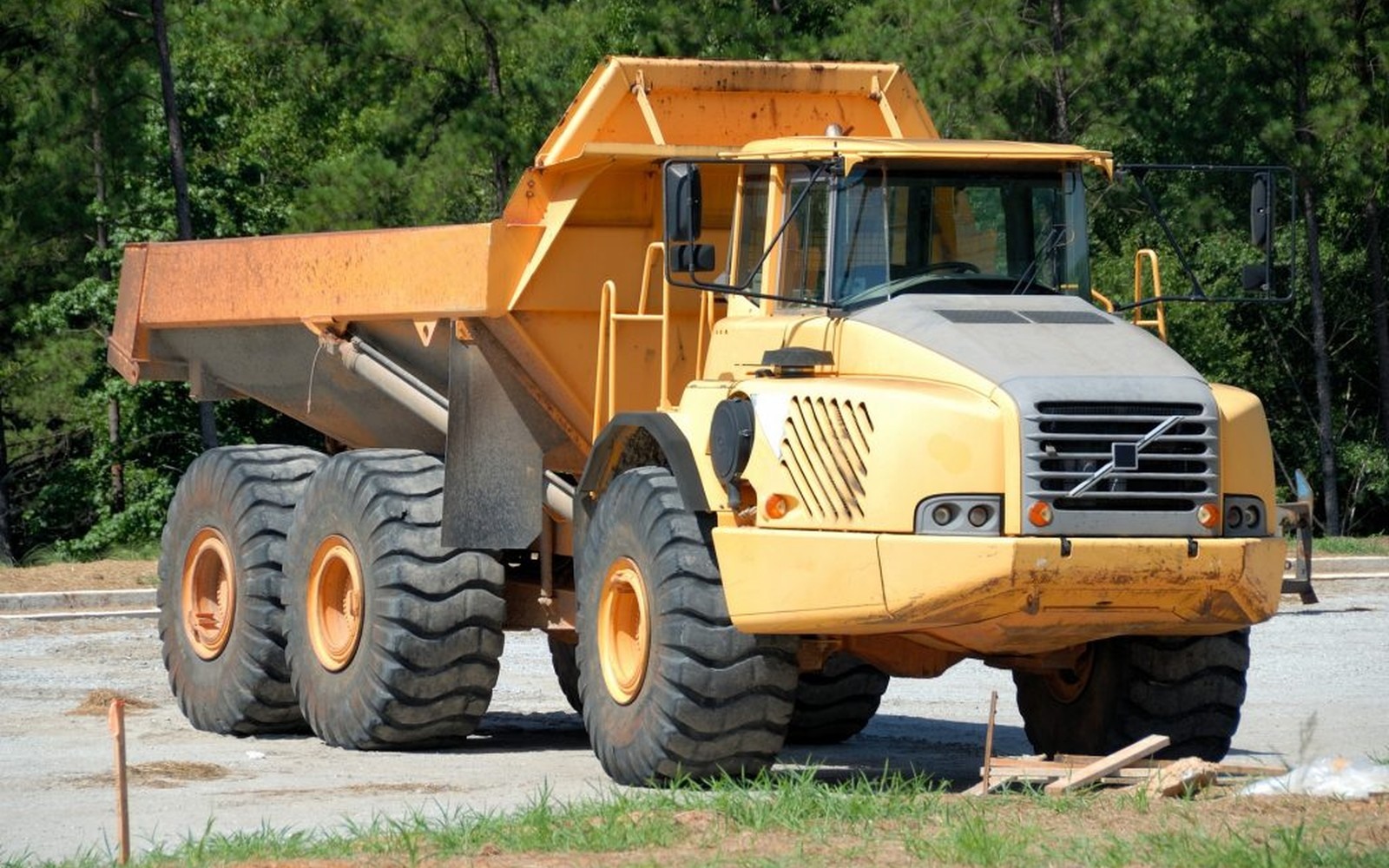
Widely traded equipment with active secondary markets funds best. Excavators, semi trucks, wheel loaders, and similar heavy equipment all have auction data and dealer comps that give lenders confidence in the collateral value. That confidence helps when credit is the weak spot.
Give us the deal: the equipment, the amount, and your situation. We will be straight with you about what is fundable and what is not. Minimum $50,000. Funding in one to two weeks when the deal comes together. Apply now and a capital advisor calls you same day.
Tell us what you are buying, who is selling it, and when you need it earning. We will review the file and point you to the next step.