Collateral Reviewed
Equipment location, current payoff, lien status, value support, and how the asset is used in the business.

You bought the machine, paid it down, and it is sitting in your Miami yard building equity. That equity does not have to stay idle. Cash-out refinancing pulls the value out of your construction iron, trucking equipment, or commercial machinery and puts it in your bank account, usually within one to two weeks. We fund Miami operators with a minimum of $50,000 and handle application-only underwriting up to roughly $400,000, which means no tax returns and no drawn-out bank process.
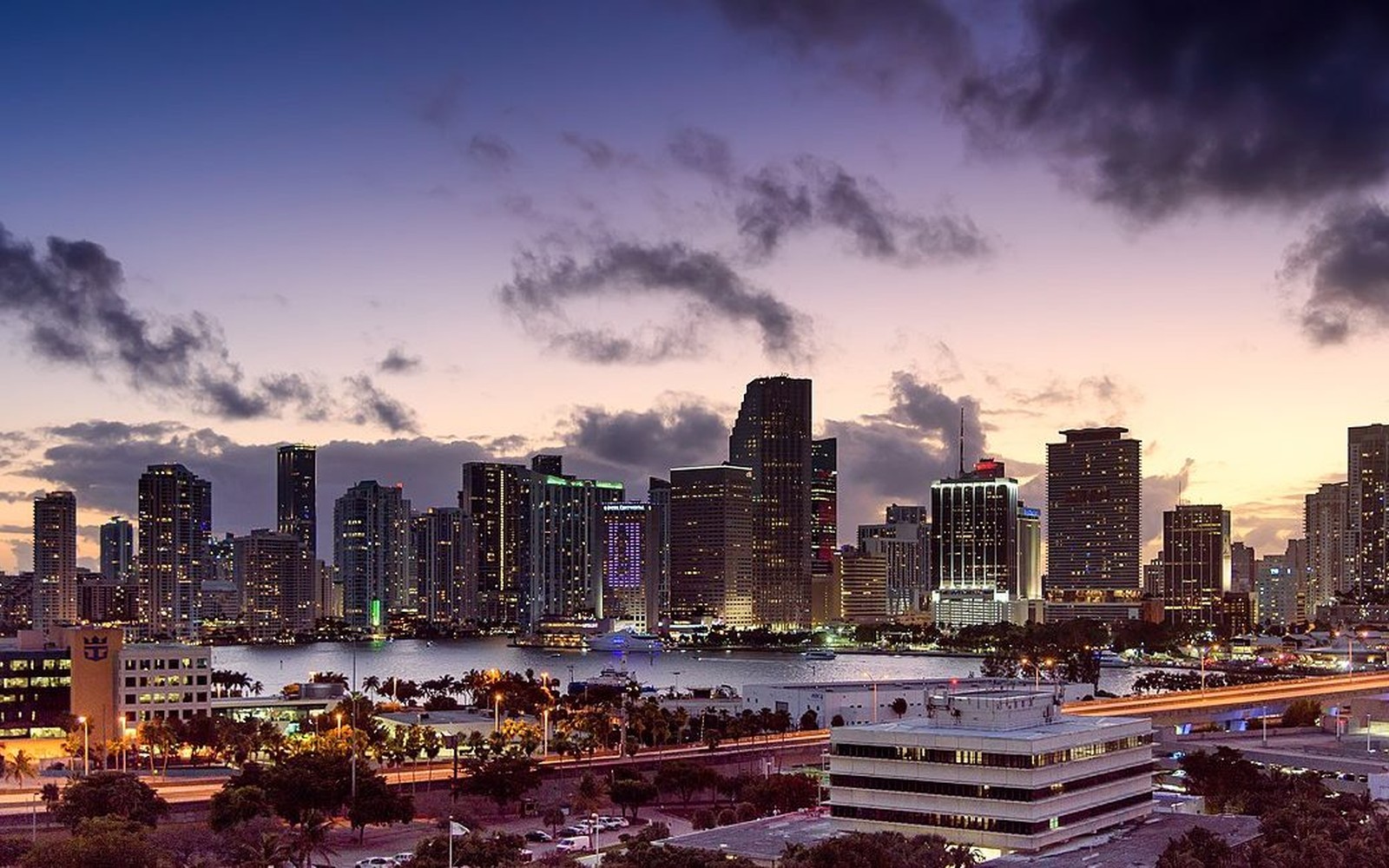
Miami runs on construction and logistics. Brickell, Wynwood, the Design District, and the broader Miami-Dade corridor have been active construction zones for years, and the Port of Miami is one of the busiest container and cruise terminals in the country. Operators supporting that activity own real equipment, and a significant share of it carries accessible equity. We work across Miami-Dade, Broward, and the surrounding metro.
The Port of Miami handles more containerized cargo than most east-coast ports and drives steady freight and logistics demand across South Florida. Operators running drayage from the port to inland distribution points accumulate truck equity that is worth money when structured correctly. Flatbed and dry van fleets serving the Homestead and Florida City agricultural corridors carry their own refinanceable value.
Construction in Miami is not a cycle; it is a permanent condition. The combination of Latin American capital inflows, domestic migration, and corporate relocation has kept cranes up and concrete moving through market shifts that paused development elsewhere. Contractors here buy equipment to serve a real sustained workload, and many of those machines are fully or nearly paid off. That paid-off iron is growth capital waiting to be released.
The logistics and warehousing sector in Medley and Hialeah has expanded significantly as South Florida became a distribution hub for Central and South American trade lanes. Warehouse operators, freight forwarders, and third-party logistics companies in those corridors own forklifts, reach stackers, and dock equipment that qualifies for equipment refinancing.
The best candidates for cash-out refinancing own equipment that is doing productive work and generating revenue. A machine sitting idle waiting to be sold is a candidate too, but a working machine generating cash flow is the stronger underwriting story.
Concrete contractors running pump trucks and mixers on Miami high-rise pours often have significant equity in their equipment. Site work contractors in the Doral and Kendall corridors run excavators, dump trucks, and compactors that hold value. Specialty contractors doing marine construction and seawall work own cranes and derricks worth serious money to the right lender.
Operators with imperfect credit should know we look at the full picture. Our B/C credit equipment financing program weighs equipment value and cash flow heavily. A rough credit patch does not automatically close the door when the machine is solid and the business is active.
For those who need to consolidate multiple equipment-related debts into a single payment, our debt consolidation equipment loan program can simplify cash flow management while pulling out additional equity at the same time.
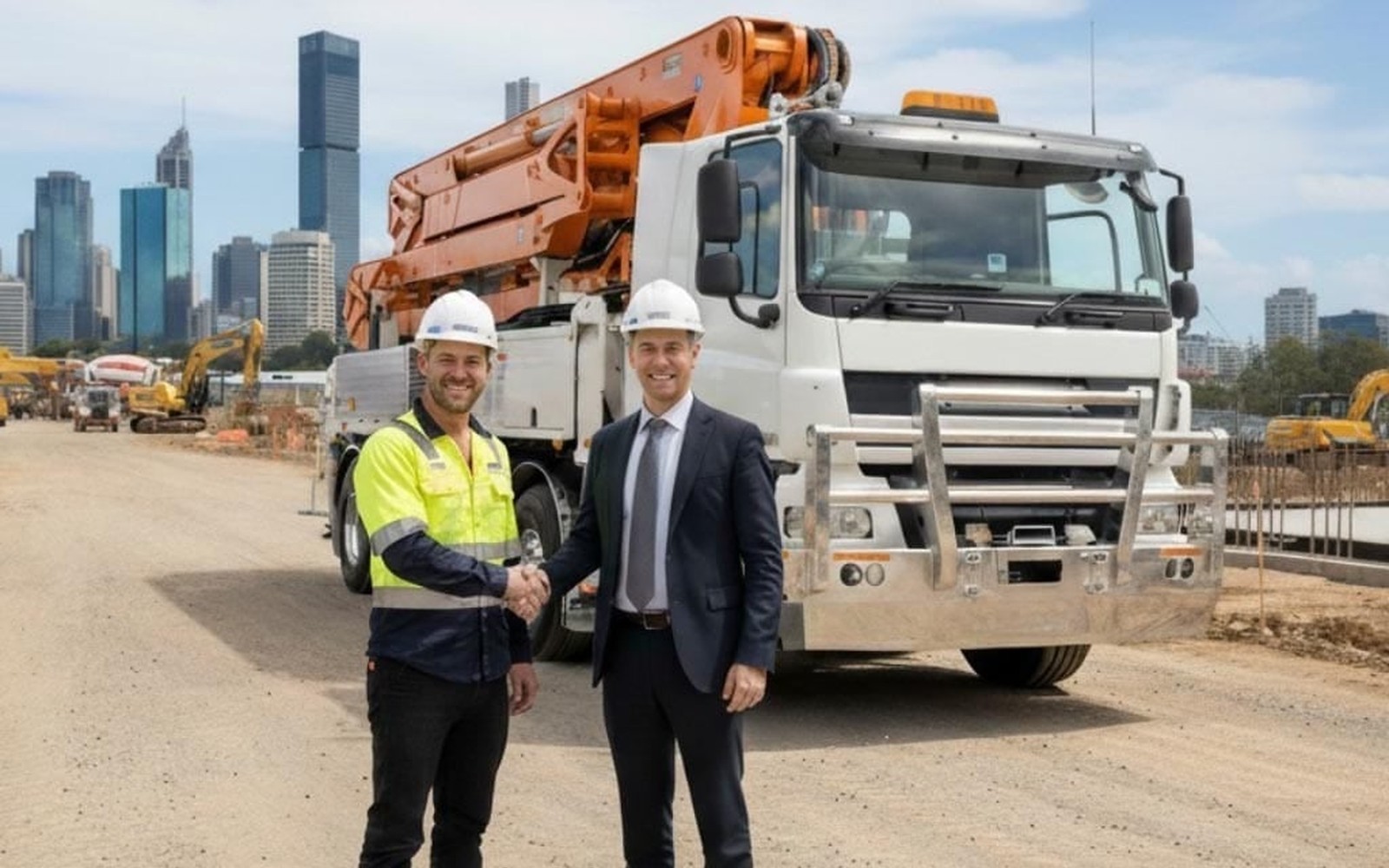
Concrete pump truck refinancing is a frequent transaction for Miami contractors. Pump trucks are expensive to buy, hold value well, and generate consistent revenue on high-density urban pours. If your pump is paid off or nearly there, we can advance against it quickly.
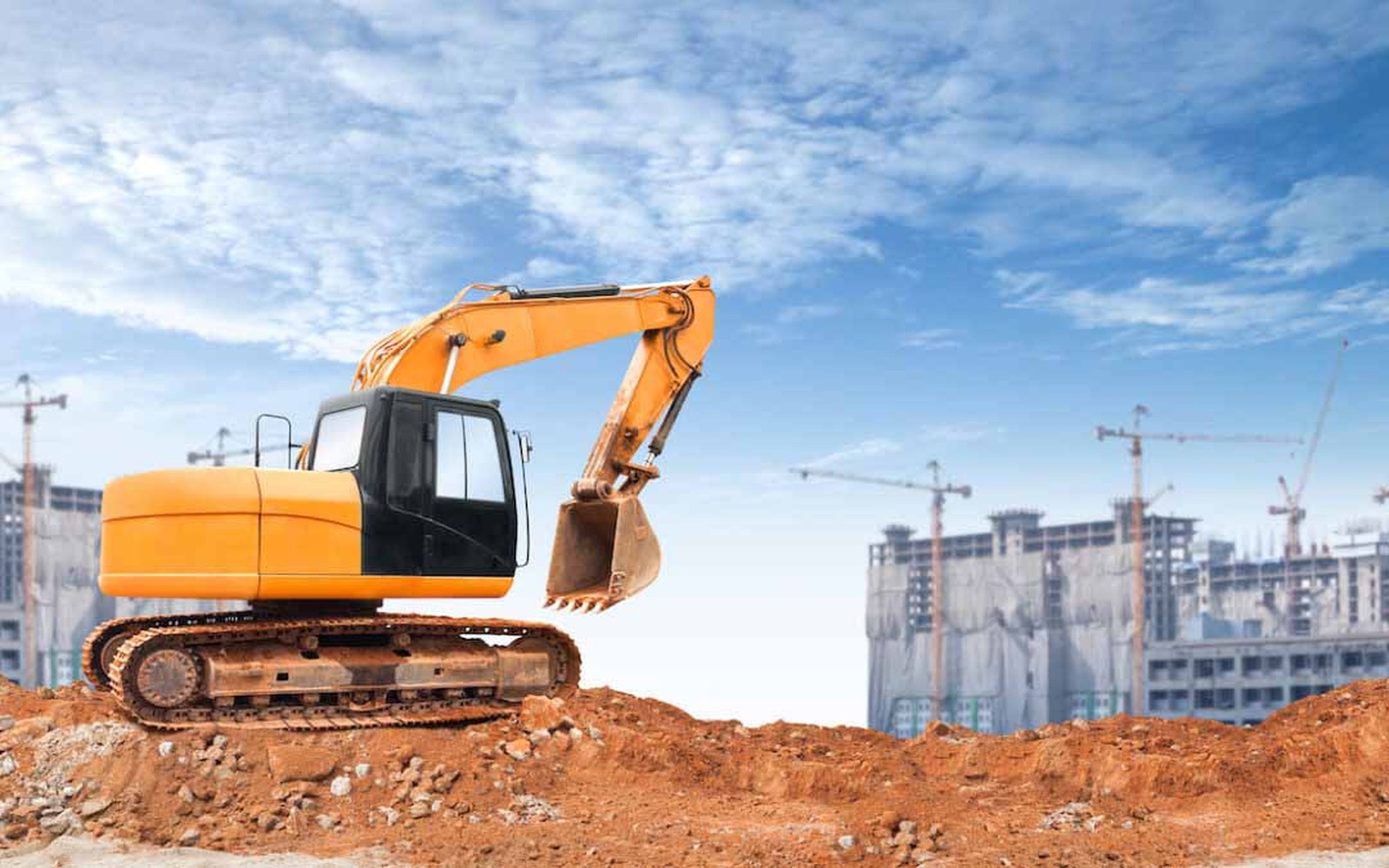
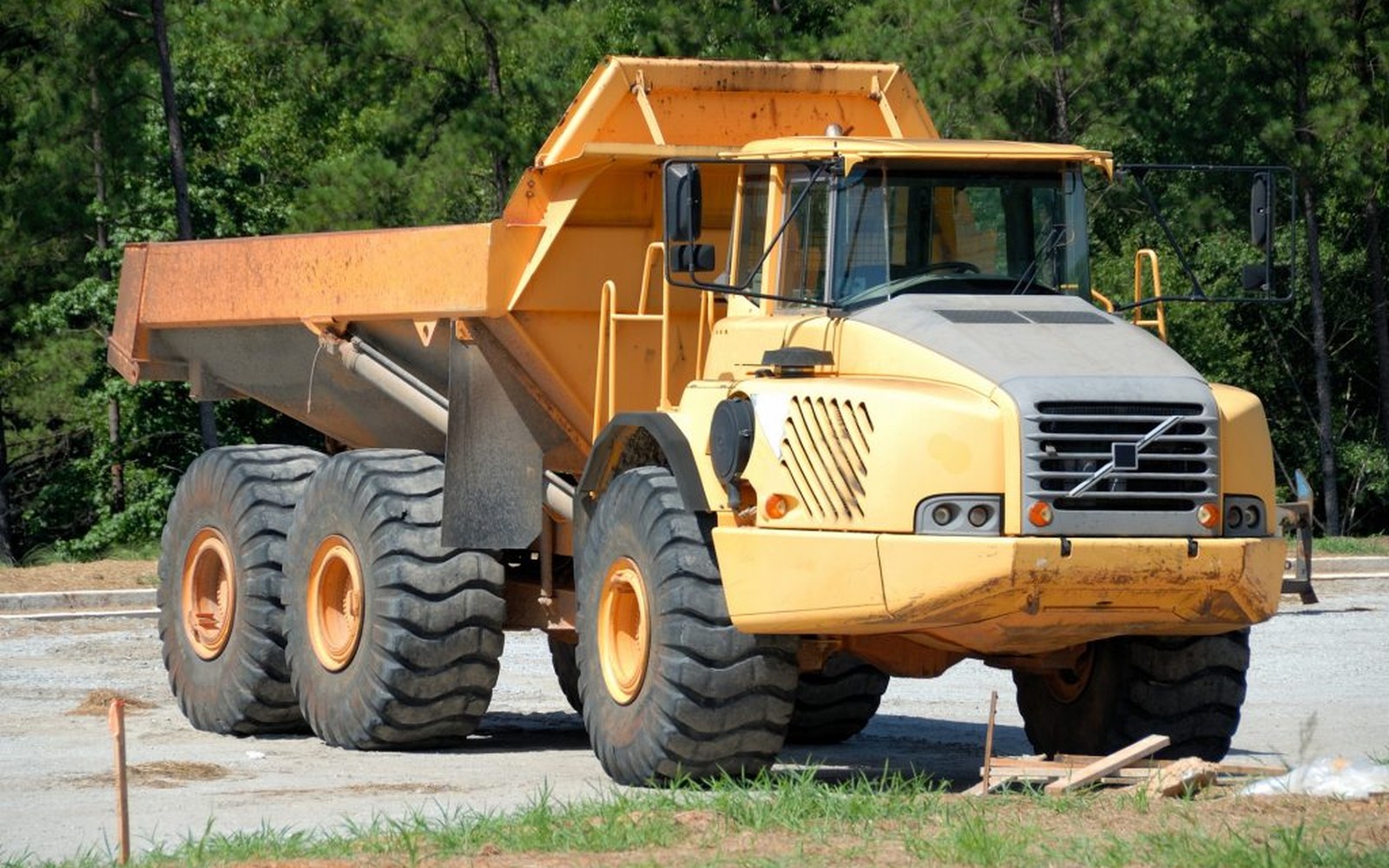
Excavators, bulldozers, and wheel loaders running Miami-Dade projects all qualify. For trucking operators, dump truck refinancing and tractor-trailer equity transactions handle the South Florida transportation corridor. Semi-tractors serving the Port of Miami and the Florida Turnpike freight lanes carry refinanceable value whether they are owner-operated or fleet units.
Miami's industrial base includes marine equipment, concrete manufacturing, and heavy freight handling. Cranes of various configurations, reach stackers at port facilities, and aerial lifts on construction sites all represent equity we can lend against. For specialized marine construction equipment, we look at the underlying asset value and the business's track record on marine contracts.
Two structures serve Miami operators most often. In a straightforward refinance, we pay off any existing lien and advance the remaining equity. You continue to own the machine, hold title after payoff, and the transaction looks like a loan secured by the equipment.
In a Equipment Sale-Leaseback, you sell the equipment to us and immediately lease it back for continued use. The upside is that you extract the machine's full value, not just the equity above a payoff balance. The machine keeps working. You get more cash up front. The tradeoff is that you no longer own the equipment during the lease term, though many operators structure a buyback option at the end.
Which structure is better depends on your outstanding balance, how much cash you need, and your tax situation. If you carry a significant lien that eats most of the equity, a sale-leaseback can be the more powerful move. If your equity cushion above the payoff is large enough to meet your capital need, a straight refinance keeps things simpler. We walk through both scenarios and let the numbers decide.
Application-only deals under approximately $400,000 need a completed application and three months of bank statements. That is the whole list. No tax returns, no audited statements, no personal financial affidavit, no business plan. The equipment information, including make, model, year, hours or mileage, and payoff balance if any, rounds out the package.
Miami businesses with international revenue structures sometimes have more complex banking arrangements. If your cash flow runs through multiple accounts or includes foreign currency conversions, we work with that reality. What matters is that the revenue is real and documentable.
On credit, B and C situations are welcome. A previous bankruptcy, a period of slow pays tied to a project dispute or pandemic impact, or a lower personal credit score tied to a business downturn are all situations we have funded through. The equipment is the collateral, and the business's operating history matters alongside the credit report.
If you own equipment in the Miami area and need capital, the conversation starts with what your iron is worth. Give us the basics: make, model, year, current balance if any, and what you need the money for. We will tell you quickly what the numbers support.
Minimum $50,000. Application-only up to $400,000. B and C credit considered. Funding in roughly one to two weeks.
These are the underwriting points the desk uses to turn the taxonomy page content into a real cash-out structure.
Equipment location, current payoff, lien status, value support, and how the asset is used in the business.
$50. The available cash is based on verified value minus the existing payoff.
1-2 weeks.
The best candidates for cash-out refinancing own equipment that is doing productive work and generating revenue.
Yes, as long as the equipment's market value exceeds the payoff balance. We pay off the existing lender and advance you the difference. The key is having enough equity above the payoff to make the transaction worthwhile at your minimum funding need.
Specialty and heavy-lift equipment can qualify. The underwriting depends on the machine's condition, its documented market value, and your business's track record on the contracts it serves. Marine construction equipment with verifiable work history is a reasonable candidate.
International revenue is not a disqualifier. We look at documented cash flow through your business accounts. If revenue flows through multiple banking relationships or involves currency conversion, we work with the bank statements you can provide to establish cash flow.
The equipment stays in your yard and keeps working. There is no inspection period that requires the machine to sit idle, and there is no ownership transfer in a standard refinance. You operate normally throughout the process.
No hard limit on the number of machines. We can structure a portfolio transaction that covers multiple pieces, with each unit's equity contributing to the total advance. Fleet refinancing often works well when the combined equity across multiple machines meets or exceeds the capital need.
Generally yes. Growth capital from equipment refinancing can go toward payroll, a down payment on additional equipment, a new contract's mobilization costs, operating expenses, or debt service. We do not restrict the use of proceeds for legitimate business purposes.
Send the machine, payoff, and target cash-out amount. We will review the file and come back with rate, term, payment, and net proceeds.
Tell us what you are buying, who is selling it, and when you need it earning. We will review the file and point you to the next step.