Collateral Reviewed
Reach Stacker Refinancing value, payoff, age, hours or mileage, attachments, condition, and remaining useful life.

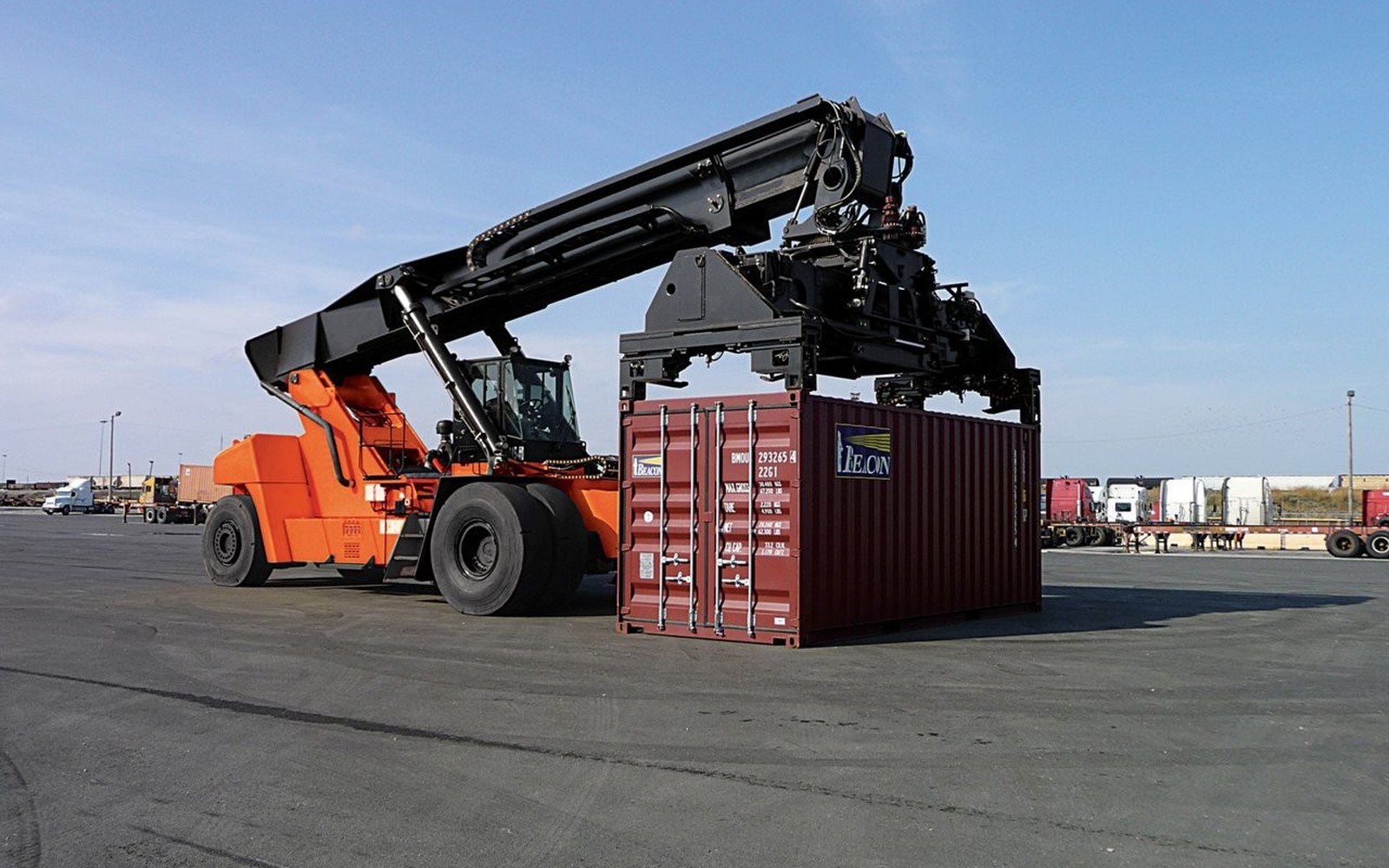
Reach stackers are among the highest-value material handling machines in any fleet. A container reach stacker capable of stacking containers four high and reaching across three rows represents $500,000 to $1,000,000 or more in capital equipment, and that value does not disappear once the purchase is made. It sits in the machine, building equity with every payment on the original note, and it stays accessible through a cash-out refinance.
Port operators, rail intermodal terminals, and container yards that own their reach stacking equipment rather than relying on rentals have a real balance sheet asset. A refinance against that asset moves the equity into operating capital without disrupting a single container move. The machine keeps working. The money works somewhere else.
Reach stacker valuation is specialized because the resale market is narrower than for general construction equipment. The buyers are port operators, terminal logistics companies, and container handling facilities, a specific audience with specific requirements. Lenders who work in this space understand those buyers and can assess residual value accordingly.
Key value drivers:
Active port markets support the resale. Operators near major container handling hubs, including Los Angeles and New Orleans, benefit from regional buyer depth that keeps values strong.
The reach stacker refinancing market is concentrated but active among the operators who run these machines.
The logistics and warehousing sector that includes intermodal operations is an active borrower, and the deal sizes in this category tend to be larger than in general construction equipment.
At the value levels where reach stackers operate, the difference between a refinance and an equipment sale-leaseback in dollar terms can be substantial. For a machine appraised at $600,000 with no existing lien, a refinance at 80 percent advance returns $480,000 as a loan against the machine. A leaseback at a similar advance rate returns a comparable amount but structured as a monthly lease payment to the lender rather than a loan with a lien.
The practical difference: a refinance keeps ownership in your name with a lien recorded. A leaseback transfers title to the lender for the lease term and obligates you to monthly payments. Both structures keep the machine in full operational service under your control.
For port and intermodal operators who carry large amounts of equipment on their balance sheet, the leaseback sometimes offers balance sheet relief by removing the asset and its associated debt from the books. The trade-off is the ongoing lease obligation and the loss of the asset on the depreciation schedule. Your accountant and we can model this together before a decision is made.
Reach stacker transactions routinely exceed the $400,000 threshold, meaning most applications include full financials: two years of business tax returns, financial statements, and bank statements alongside the machine documentation. For smaller capacity units where the transaction falls below the threshold, the application-only financing structure may apply.
Required documentation:
We extend credit consideration to B and C profile borrowers. The B/C credit track weighs machine value and revenue history alongside the credit score. A strong asset at a specialized terminal often supports approval even when the credit profile is imperfect. For operators who want to compare the total cost of a capital lease vs. operating lease structure against a straight refinance, we can model those numbers together before you commit to a structure. Intermodal operators in Chicago and Houston are among the most active borrowers in the reach stacker category, given the volume of inland container movement those markets support.
Machine make, model, serial number, capacity, and current payoff if any are the starting point. We evaluate the equipment, size the equity, and present both refinance and leaseback structures so you see the full picture. Funding in one to two weeks from a complete package. Start the conversation now.
These are the underwriting points the desk uses to turn the taxonomy page content into a real cash-out structure.
Reach Stacker Refinancing value, payoff, age, hours or mileage, attachments, condition, and remaining useful life.
$500,000. The available cash is based on verified value minus the existing payoff.
1-2 weeks.
The reach stacker refinancing market is concentrated but active among the operators who run these machines.
The machine needs to be under your operational control, but it does not need to be actively running during the refinancing process. A machine temporarily idled for maintenance or seasonal reduction in operations qualifies. A machine permanently out of service or sold to a third party does not.
If the repair is affordable relative to the expected equity gain, yes. A non-functional spreader significantly reduces the appraisal because it eliminates the machine's core function. If the repair is already scheduled and budgeted, disclose it upfront and include the planned repair timeline.
Yes. We pay off the existing captive lender note at closing. The new lender takes first lien position. If there is equity above the payoff, it comes to you. If the goal is only a rate reduction without equity extraction, we structure around the payoff alone.
Foreign trade zone equipment requires additional documentation related to the zone registration and any applicable customs bonds or regulatory restrictions. We work through the specifics with the legal and operational teams on both sides. FTZ-based equipment is refinanceable but requires additional documentation steps.
Send the machine, payoff, and target cash-out amount. We will review the file and come back with rate, term, payment, and net proceeds.
Tell us what you are buying, who is selling it, and when you need it earning. We will review the file and point you to the next step.