Collateral Reviewed
Combine Harvester Refinancing value, payoff, age, hours or mileage, attachments, condition, and remaining useful life.

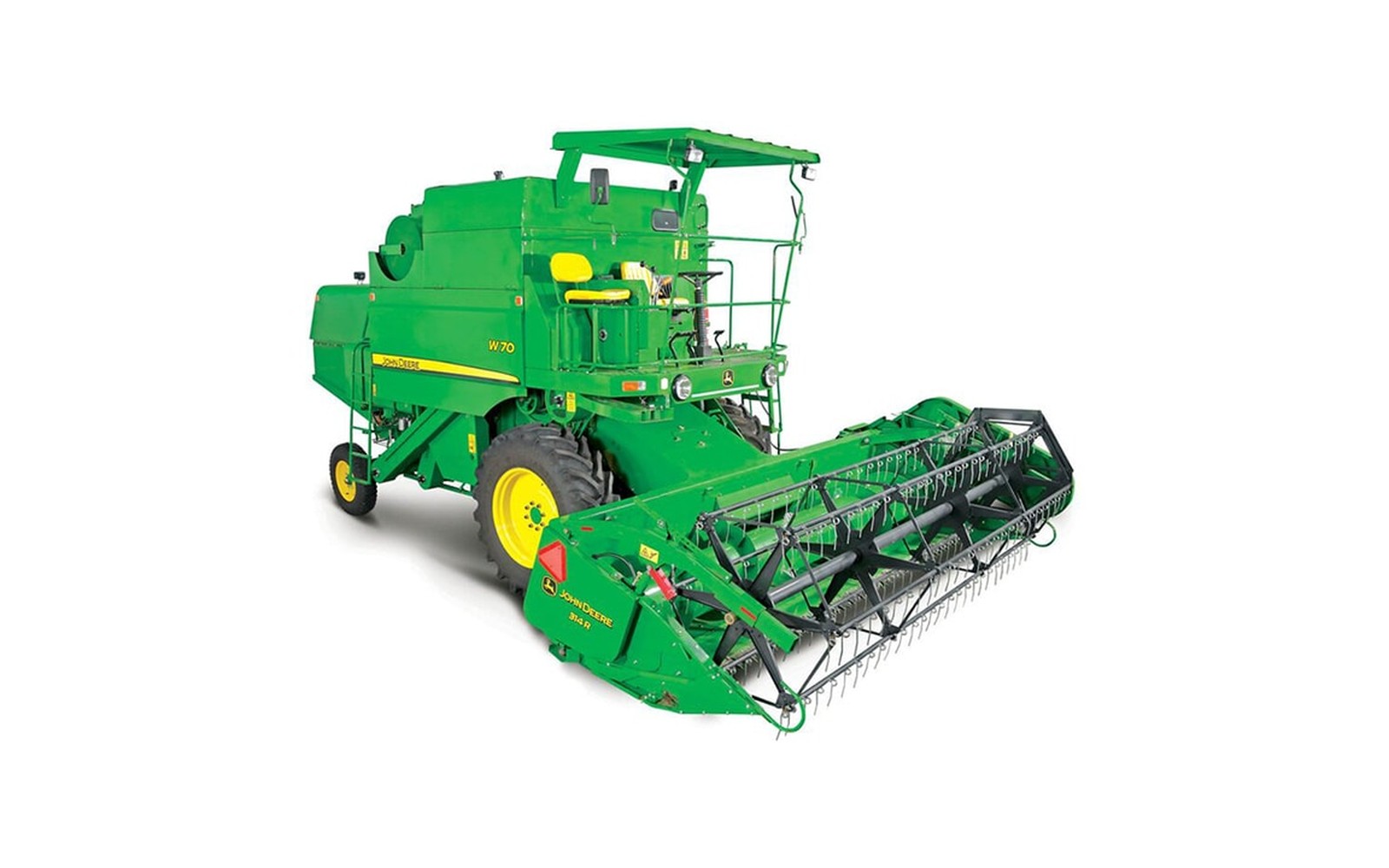
A combine has about three hundred hours of peak work in it each year. The rest of the year it sits in the shed earning no revenue but still carrying a monthly payment. That payment structure, heavy iron, light utilization, year-round obligation, is exactly the situation where refinancing changes the math. Pull the equity out as cash for next year's inputs, restructure the payment to a longer term that fits the actual cash flow, or set up a seasonal schedule that front-weights payments to the fall when the money arrives. The combine keeps running. The payment changes.
We work with grain producers, soybean and corn farmers, and custom cutters who own combines as working assets. Cash-out equipment refinancing on combines closes in one to two weeks. Application-only documentation handles transactions up to approximately $400,000, covering most full-size combine transactions. The minimum deal starts at $50,000. Full-size combines from major ag equipment builders carry strong secondary-market values that support solid refinancing outcomes.
Combine values are driven by header width, engine horsepower, rotor or hybrid threshing system type, grain tank capacity, and technology package. A full-size combine with a large-capacity grain tank, a high-horsepower engine, and a modern precision harvest technology package (yield mapping, moisture sensing, variable-rate capability) appraises at a substantial premium over a base-spec machine in the same model year.
Separator hours (sometimes called engine hours on older machines, but increasingly tracked as rotor or cylinder hours on modern combines) are the primary wear indicator. A combine with 1,200 separator hours and documented preventive maintenance appraises in a different range than the same model with 2,800 separator hours and no service records. The secondary combine market tracks separator hours closely because the threshing system is the heart of the machine and where the most expensive repair events occur.
Header width and type also contribute to value, though headers are typically financed and appraised separately from the combine body (the feeder house and body are the combine; the header is an attachment). A 40-foot flex draper header is a substantial asset on its own. Including the header in the refinancing as a bundled unit sometimes produces better overall terms than financing the two pieces separately.
Brand recognition matters in the combine secondary market more than in almost any other ag equipment category. John Deere combines (S-series and above) and Case IH Axial-Flow machines dominate the secondary market by volume and buyer preference. Other major brands hold value well, but the John Deere and Case IH secondary markets are the deepest, which supports lender confidence and stronger advance rates on those machines.
Grain producers who bought their combine through a dealer at a point when interest rates were higher than today's equipment financing environment often find the refi math compelling. Two seasons of payments and a combine that has held its value translate to real equity and a real rate improvement opportunity.
Custom cutters who move their combines from region to region following the harvest from south to north each season put more hours on their machines than owner-operators farming their own ground. A custom cutter's combine at 2,000 hours in three seasons has built equity differently than a farm-own machine at 600 hours. The valuation reflects the higher hours, but the revenue documentation from custom cutting contracts often strengthens the credit file.
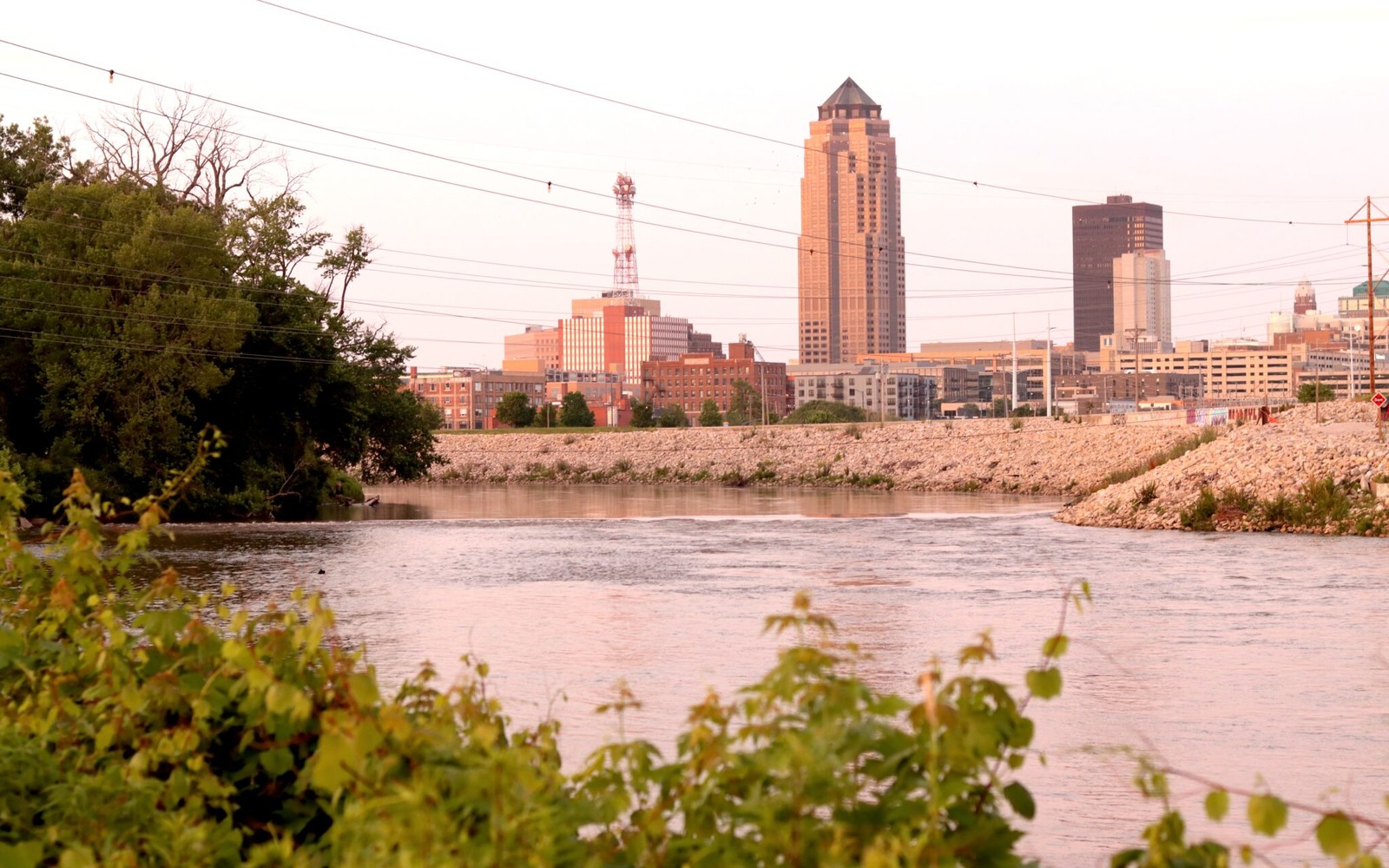
Farming operations in agriculture and crop production across key grain states like Des Moines, IA and Omaha, NE corridors often carry their combine note as the single largest equipment obligation on the farm. Refinancing that note to reduce the annual payment frees meaningful capital for land rent, inputs, and operating expenses without requiring any change to the farming operation itself.
A combine you own free and clear is the highest-value ag equipment leaseback opportunity most farm operations carry. If your combine has been paid off, either through completing the original term or buying at auction, a Equipment Sale-Leaseback converts the full appraised value to cash with the machine continuing in service on a lease.
For a full-size combine appraising at $320,000, a leaseback generates approximately $320,000 in proceeds (less financing costs) at closing. Monthly lease payments are set at the start of the term and are fixed. The combine harvest your acres. The capital lands in your operating account before planting season.
Producers who need input financing, land-down-payment capital, or cash to bring a grain bin project online before harvest often find a leaseback faster and less complicated than a conventional operating loan. The combine itself is the collateral, and a well-maintained machine in active service on a farm with documented cash receipts is a clean leaseback candidate.
The application for a combine refinancing covers the make, model, year, and separator hours along with the header configuration and current payoff amount. Service history documentation, particularly for any major threshing system or feeder house work, supports the appraisal. Basic farm business information completes the file.
Agricultural credit profiles can include prior deferrals, crop insurance settlements, and years where cash flow was negative. B and C credit equipment financing is available for producers whose credit history reflects the realities of farming rather than financial mismanagement. The combine is the collateral, the farm is the business, and the question is whether the asset and the revenue support the new payment. That is the question we help lenders answer with the right presentation.
Give us the model year, make, separator hours, and current payoff on your machine. We will build a refinancing structure that fits your operation and your cash flow cycle. Equipment refinancing on combines and ag equipment is a deal we approach with knowledge of the market, not a commercial vehicle process applied to harvest iron.
These are the underwriting points the desk uses to turn the taxonomy page content into a real cash-out structure.
Combine Harvester Refinancing value, payoff, age, hours or mileage, attachments, condition, and remaining useful life.
$400. The available cash is based on verified value minus the existing payoff.
One to two weeks.
Working capital, down payments, debt cleanup, slow-season coverage, and project mobilization.
Higher separator hours reduce the advance rate lenders are willing to offer, but the custom cutting business model, with revenue documentation and a combine in regular service, often partially offsets the impact. A combine with 2,500 hours and a documented custom cutting revenue stream presents differently than a farm-owned machine with the same hours and no revenue beyond own-farm production.
Headers can be included in a combine refinancing as part of a bundled collateral package, or financed separately. Bundling is simpler administratively. Separate financing gives you more flexibility to swap headers without affecting the combine note. The right approach depends on how the header is currently titled and whether it carries its own existing payoff.
Yes. Business entities including LLCs, S-corps, and family farm partnerships can be the borrowing entity on equipment refinancing. The LLC or business name on the title should match the business applying for financing. If the title is in your personal name and you want to move the loan to the LLC, there may be a title transfer step involved before the refinancing closes.
Crop insurance and FSA program payments are separate from equipment financing and are not affected by refinancing the combine. The new lender holds a lien on the combine; it has no claim on your crop insurance proceeds or program payments. Those flows continue as they always have.
Yes. Cash from a combine cash-out refinancing is unrestricted business capital. Using it for a grain bin project, land improvement, seed purchase, or any other farm business purpose is completely acceptable. The lender does not restrict how you deploy the proceeds after they arrive in your account.
Send the machine, payoff, and target cash-out amount. We will review the file and come back with rate, term, payment, and net proceeds.
Tell us what you are buying, who is selling it, and when you need it earning. We will review the file and point you to the next step.