Collateral Reviewed
Case IH Equipment Refinancing equipment value, model mix, payoff, serial information, hours or mileage, and dealer or auction support.

Case IH equipment is paid off at planting and worth something significant. A Magnum tractor or an Axial-Flow combine sitting in the shed through winter carries equity, and that equity can come out as cash without selling the machine or disrupting the operation. A cash-out refinance on Case IH iron is a direct way to fund next season's inputs, cover a land acquisition deposit, or replenish operating reserves after a tough marketing year.
We handle cash-out equipment refinancing on Case IH across the full ag equipment spectrum. Tractors, combines, planters with meaningful resale value, sprayers, large tillage, these are all assets we can work with. The goal is the same every time: get the equity in your Case IH machinery into your account, on terms that match how your operation generates cash.
The Case IH brand carries a specific buyer base in the upper Midwest, High Plains, and Delta regions where row-crop farming and large-scale operations dominate. That geography concentration means Case IH equipment has a dense resale market in the areas where it is most heavily used, which supports appraisal values and lender confidence.
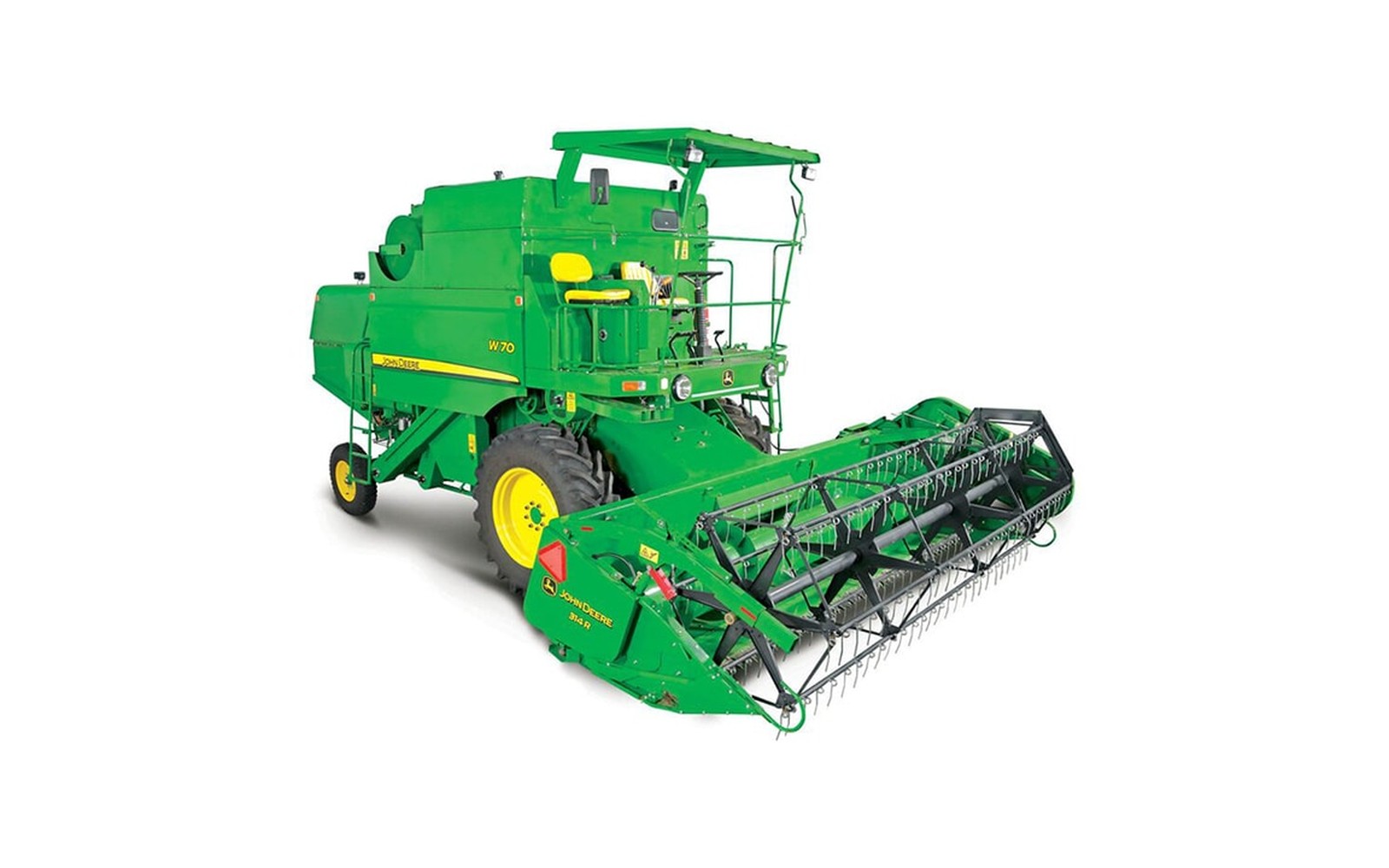
Large Case IH tractors and Axial-Flow combines are among the highest-value single assets in agriculture and farming operations. A well-maintained Axial-Flow 9250 combine, for example, represents a capital figure that most banks would consider significant collateral for a commercial loan. Refinancing against that asset rather than against real estate or operating receivables preserves financial flexibility in other areas.
Case IH values, like all ag equipment, fluctuate with commodity price cycles and new equipment pricing. When new equipment prices are elevated, used Case IH equipment holds value better because the gap between new and used narrows. Current market conditions on Case IH residuals matter, and we factor current data into every advance calculation.
Case IH's presence in row-crop farming regions of the Midwest, Plains, and South creates a concentrated secondary market in those areas. Dealers and private buyers in Iowa, Illinois, Kansas, and neighboring states actively trade Case IH combines and large tractors, which keeps values from drifting. For operators refinancing Case IH equipment, this geographic secondary market concentration can work in their favor if the machine is located in a region with active demand. An Axial-Flow combine sitting in a Delta cotton operation or a grain belt corn farm is easily valued against a deep pool of regional comparables that lenders can access and verify. That transparency in the secondary market supports advance rates and reduces the uncertainty that can sometimes compress what a lender will offer on less common equipment.
Two structures move the most cash from Case IH equipment. A cash-out refinance keeps you as the titled owner, replaces or supplements any existing lien, and deposits the equity spread as cash. Monthly payments are fixed over the loan term. At payoff, you own the machine free and clear again.
An equipment sale-leaseback goes further. The lender purchases the machine at full current value and leases it back to you immediately. The machine stays in your shed and in your operation. But you receive the full liquidation value as cash, not just the equity above a payoff. For operations that need significant capital and are comfortable with lease structures, a sale-leaseback on a large Case IH combine or tractor produces the biggest single injection of cash.
The right choice depends on your current debt load, your tax situation, and what you plan to do with the capital. We can run both scenarios side by side so you are comparing real numbers before you decide.
For operators considering the sale-leaseback on Case IH equipment, the cash injection from a fully paid large combine or tractor can be substantial. A paid-off Axial-Flow 9250 combine, for example, may be valued at $350,000 or more depending on model year and condition. A sale-leaseback on that machine produces that full amount as cash in a single transaction, with a monthly lease payment replacing the zero-obligation ownership position. For an operation that needs a large capital infusion and is comfortable with the lease structure, this is one of the highest-return uses of the equity sitting in paid Case IH iron. The Equipment Sale-Leaseback option applies to any paid or near-paid Case IH machine with sufficient market value to make the transaction worthwhile. Combines and large row-crop tractors are the most common candidates, but Case IH sprayers and large planting equipment can also qualify when the values support it.
The most common profile is a mid-to-large row-crop operation that has paid off a combine or a large tractor over the past several years and now sits on equity it cannot easily access through a traditional farm operating line. Farm operating lines from local agricultural lenders are sometimes capped or tied up with grain position loans. A Case IH equipment refinance sits outside that structure entirely.
Operators in the Plains states running dryland corn and wheat, Delta operations with cotton pickers and large sprayers, corn belt farms with fully paid Axial-Flow combines, all of these are fits for this program. The equity requirement is the primary qualification. We need enough spread between market value and any existing lien to make the transaction worth structuring.
We also work with custom harvesters who run fleets of Case IH machines across multiple states seasonally. Fleet refinance structures on multiple units are available and sometimes produce better advance rates than single-unit transactions because the diversified collateral pool reduces lender risk.
Custom harvesters represent a specific and strong profile for Case IH refinancing. These operators run fleets of Case IH machines across multiple states seasonally, following the harvest from south to north each year. A custom harvesting operation that owns three or four Case IH combines outright has substantial capital in those assets, and the seasonal nature of the work means traditional bank operating lines are often unavailable or structured in ways that do not match the business cycle. Equipment refinancing works for custom harvesters because it is underwritten on the asset value and cash flow, not on farm ground or real estate that many custom operators do not own. The combines are the business, and we lend against them. Operators in the grain belt, from Iowa through Oklahoma, are a natural fit for this program.
Custom harvesters represent a specific and strong profile for Case IH refinancing. These operators run fleets of Case IH machines across multiple states seasonally, following the harvest from south to north each year. A custom harvesting operation that owns three or four Case IH combines outright has substantial capital in those assets, and the seasonal nature of the work means traditional bank operating lines are often unavailable or structured in ways that do not match the business cycle. Equipment refinancing works for custom harvesters because it is underwritten on the asset value and cash flow, not on farm ground or real estate that many custom operators do not own. The combines are the business, and we lend against them. Operators in the grain belt, from Iowa through Oklahoma, are a natural fit for this program.
Farm operations often have complex tax situations: Schedule F losses, accelerated depreciation on equipment, large operating loan balances on the balance sheet. We understand these dynamics. The credit review for a Case IH equipment refinance focuses on cash flow and collateral value more than on reported taxable income, which is often suppressed for farm operations due to legal tax management strategies.
Three months of business bank statements showing operating cash flow is the core document. Machine details: year, model, hours or acres, and any existing lien. For transactions under approximately $400,000, application-only financing is often available. Larger transactions receive a fuller underwrite that may include recent tax returns or farm financial statements.
Sole proprietors, farm LLCs, and operating entities of all structures are eligible. Personal guaranty from the operating principal is standard. If the operation is held in a trust or estate planning structure, we have worked with those situations before and can discuss the specifics.
For Case IH equipment specifically, we work with operators who may not have pristine credit histories due to the commodity price cycles that affect farm income. A farm operation that had a rough year during a price trough is not necessarily a poor credit risk going forward. The machines hold their value regardless of the commodity cycle, and the ability to service the debt depends on the current and projected revenue. We look at bank statement deposits over the past three months as the primary cash flow indicator, which gives current-season operations a fair evaluation even when the prior year looked challenging on paper.
For Case IH equipment specifically, we work with operators who may not have pristine credit histories due to the commodity price cycles that affect farm income. A farm operation that had a rough year during a price trough is not necessarily a poor credit risk going forward. The machines hold their value regardless of the commodity cycle, and the ability to service the debt depends on the current and projected revenue. We look at bank statement deposits over the past three months as the primary cash flow indicator, which gives current-season operations a fair evaluation even when the prior year looked challenging on paper.
Tell us the model, year, and hours or acres. We come back with an equity estimate and a rate range within one business day. No charge, no obligation until you decide to proceed.
These are the underwriting points the desk uses to turn the taxonomy page content into a real cash-out structure.
Case IH Equipment Refinancing equipment value, model mix, payoff, serial information, hours or mileage, and dealer or auction support.
$50. The available cash is based on verified value minus the existing payoff.
Same-day desk review once equipment, payoff, and bank statements are in.
Two structures move the most cash from Case IH equipment.
Yes. We pay off the CNH Capital note as part of the transaction. If the current market value is above the payoff balance, you receive the difference as cash.
Seasonal or deferred payment structures are available for qualifying transactions. We can discuss structuring payments to align with when your operation generates revenue. Reach out and we will explain the specifics for your situation.
Yes. Commercial use, including custom harvesting or custom application work, does not affect refinancing eligibility. The machine's condition and market value are what matter.
Yes. Blanket equipment refinance structures covering multiple machines of different brands are available. We lend against the combined equity position of the pool.
Refinancing with a separate lender terminates the CNH Capital financing relationship on that specific machine. It has no effect on dealer service relationships or any remaining manufacturer warranty coverage.
Send the machine, payoff, and target cash-out amount. We will review the file and come back with rate, term, payment, and net proceeds.
Tell us what you are buying, who is selling it, and when you need it earning. We will review the file and point you to the next step.